Hand Warmers That Last a Full Sit
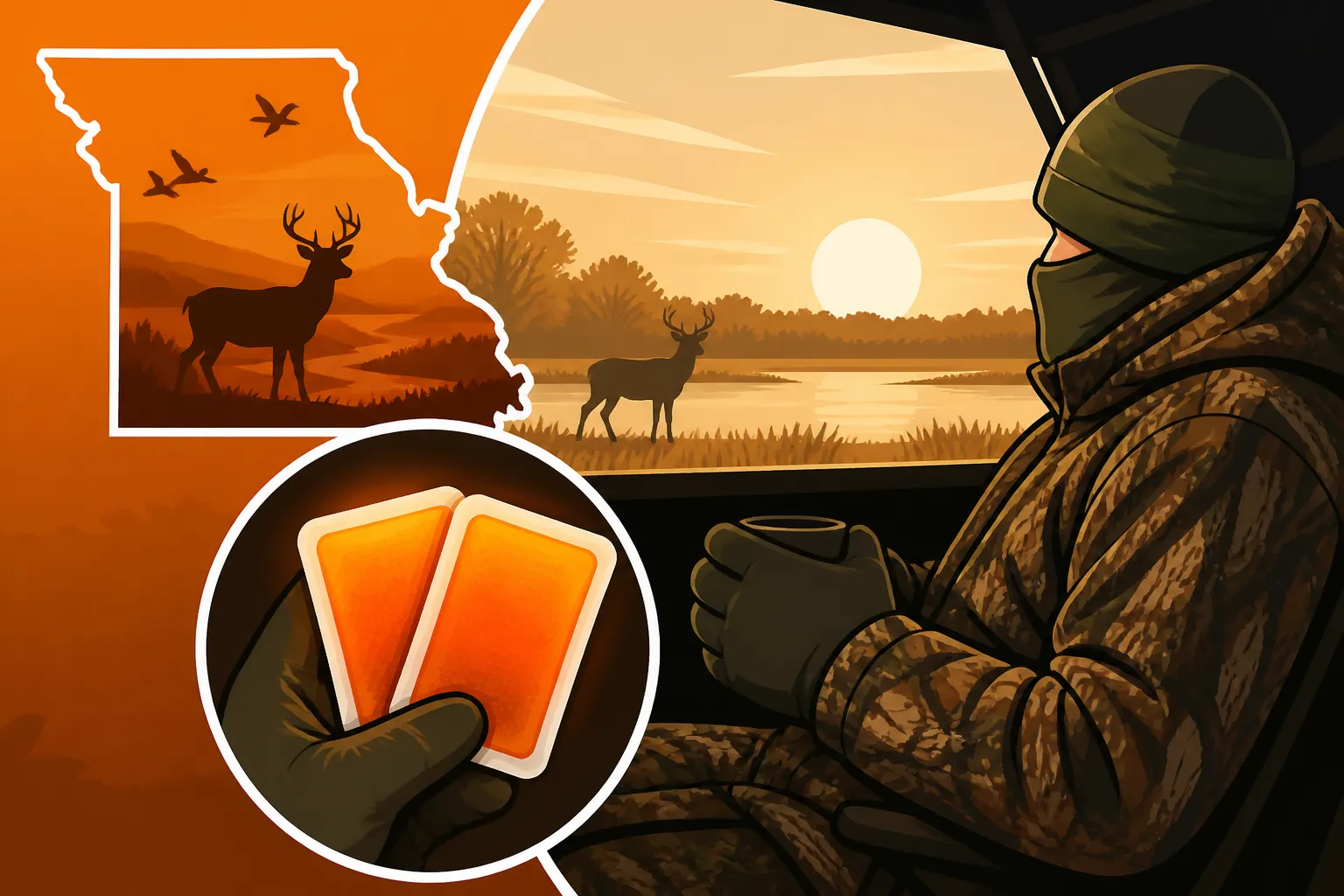
There’s nothing worse than sitting on a frigid Missouri deer stand, patiently waiting for that mature buck to step out, only to have your focus shattered by uncontrollably shaking hands. That deep, bone-chilling cold that creeps into your fingers and toes isn't just uncomfortable; it makes holding a bow steady, manipulating a rifle safety, or even just reaching for a grunt tube feel like an impossible task. This guide is all about helping you beat that cold, specifically by finding the hand warmers that truly last through an entire Missouri sit, from dawn to dusk or all the way through a long evening hunt.
The Frustration of Cold Hands on Stand
We've all been there, haven't we? That glorious pre-dawn chill turns into a biting cold as the sun rises, and suddenly, your hands feel like blocks of ice. It doesn't matter how many layers you've got on your core; if your extremities aren't warm, the cold seems to seep into your very soul. This isn't just about feeling a little nippy; it's about losing dexterity, focus, and ultimately, enjoyment from the hunt you've planned and prepared for for months. A cold morning can quickly turn into a miserable afternoon, forcing you to pack up early and miss out on crucial hunting time.
It's a particular problem here in Missouri. Our weather can be notoriously fickle, swinging from mild to brutal in a matter of hours. You might start your hunt with comfortable temperatures, only for a cold front to blow in, bringing a sharp drop and biting winds. Having unreliable hand warmers in these conditions is like bringing a squirt gun to a fire fight – utterly useless when you need them most. We spend so much time scouting and preparing; it feels like a real gut punch when something as simple as cold hands forces us off the stand.
Why Our Hands Get So Cold in Missouri
Our hands and feet are the first places to get cold because our bodies prioritize keeping our vital organs warm. When the temperature drops, blood flow is restricted to the extremities to maintain core body heat. This is a survival mechanism, but it's not exactly helpful when you're trying to stay still and alert on a frosty morning. Missouri's humidity can also make cold feel even colder, as the damp air pulls heat away from your body more efficiently than dry air. Cold Weather Sitting Strategy is crucial, but your hands are often the weakest link.
Think about those late-season archery hunts when you're bowhunting during the Missouri firearms portion, or even later, during the Alternative Methods Portion. The air can be crisp, damp, and wind-blown, especially in open country or along river bottoms. You're holding a bow, perhaps gloved, but those fingers are still exposed or constantly flexing. Rifle hunting brings its own challenges, with cold metal against skin. Even with good gloves, the static nature of sitting on a stand or in a blind means your hands aren't generating much heat on their own.
The Mental Game and Comfort Factor
Beyond the physical discomfort, cold hands play a significant mental trick on us. When you're constantly distracted by the pain of cold fingers, your ability to concentrate on the woods around you plummets. You start shifting, blowing on your hands, and checking your phone for the time, all of which are sure ways to spook wary deer. That sharp focus needed to spot subtle movement, hear a faint rustle, or make a precise shot just isn't there when your mind is screaming, "I'm cold!"
A truly successful hunt isn't just about bagging an animal; it's about the experience, the connection with nature, and the satisfaction of being out there. When you're comfortable, you're more patient, more observant, and ultimately, more effective. Warm hands contribute massively to that comfort, allowing you to immerse yourself in the moment rather than fighting a losing battle against the chill. It's about being able to enjoy the quiet solitude of Hunting Missouri Deer in Deep Snow without your fingers aching in protest.
Understanding Different Types of Hand Warmers
The market is flooded with various hand warmer options, and each has its own set of pros and cons regarding warmth, duration, and convenience. Knowing the differences can help you make an informed choice that matches your specific hunting needs and how long you plan to stay out in the elements.
Disposable Chemical Warmers: The Go-To Choice
These are probably the most common hand warmers you see everywhere, from gas stations to sporting goods stores. They contain a mix of iron powder, activated carbon, salt, and vermiculite. Once exposed to air, an exothermic (heat-releasing) reaction occurs, providing warmth. They're typically single-use, lightweight, and relatively inexpensive, making them a popular choice for many hunters.
The beauty of disposable warmers is their simplicity: tear open the package, shake, and wait a few minutes for the heat to kick in. Many brands advertise durations upwards of 10-18 hours, which, in theory, sounds perfect for a full sit. However, real-world conditions can vary. They rely on oxygen, so stuffing them into a super-tight pocket or glove can limit their effectiveness. For optimal performance, they need a little airflow. When they work as advertised, they are fantastic for keeping fingers toasty inside a muff or a loosely fitting glove. The key is finding a reliable brand that consistently delivers on its advertised duration and heat output.
Rechargeable Electric Warmers: A Modern Solution
In recent years, rechargeable electric hand warmers have gained significant traction. These devices typically house a lithium-ion battery and a heating element. They offer variable heat settings, can be turned on and off as needed, and can often double as a portable charger for your phone or other small electronics. This multi-functionality is a huge plus for hunters who rely on devices like GPS units or smart hunting apps.
The main advantages are reusability and control. You don't have to worry about running out, just remember to charge them. Plus, you can adjust the heat output to your exact comfort level, conserving battery life when it's not as cold. However, battery life is the critical factor for a "full sit." While some claim 8-12 hours on low settings, cranking them up can drastically reduce that. Cold weather itself can also diminish battery performance. They represent a higher initial investment but can save money in the long run if you hunt frequently. Remember to check their specific ratings for sustained heat output and how quickly they recharge.
Reusable Fuel/Catalytic Warmers: The Old School Reliable
These warmers are a bit more old-school but are beloved by many for their consistent, long-lasting heat. They typically use lighter fluid or a specific fuel that burns flamelessly over a platinum catalytic burner, generating heat. Brands like Zippo have been making these for decades, and they have a reputation for being incredibly durable and reliable.
The primary appeal of catalytic warmers is their impressive duration – many can burn for 12-24 hours on a single fill, delivering a steady, radiating warmth. They don't require external power and aren't affected by cold nearly as much as electric models. The trade-off is that they do require fuel, which needs to be carried separately, and the fueling process can be a bit messy. There's also a slight odor from the fuel, though most hunters find it dissipates quickly or isn't an issue in open air. For sheer, unadulterated heat over an extended period, especially on those brutally cold Hunting Missouri Deer After Christmas days, these are hard to beat.
| Hand Warmer Type | Pros | Cons | Typical Duration (Hours) | Reusability |
|---|---|---|---|---|
| Disposable Chemical | Inexpensive, lightweight, no prep | Single-use, less consistent heat | 5-18 | No |
| Rechargeable Electric | Reusable, adjustable heat, multi-use | Battery dependent, higher cost, cold affects battery | 4-12 | Yes |
| Reusable Fuel/Catalytic | Long-lasting, consistent heat, durable | Requires fuel, slight odor, fueling process | 12-24 | Yes |
Factors for Long-Lasting Warmth in Missouri
It's not just about the type of hand warmer you choose; how you use and manage it significantly impacts its performance, especially when you're trying to make it last for an entire, bone-chilling sit in a Missouri deer stand.
Size, Airflow, and Activation
For disposable chemical warmers, size matters. Larger warmers often contain more chemical mixture, theoretically leading to longer heat production. However, all chemical warmers need oxygen to activate and maintain their heat. If you cram a warmer into a tiny pocket where airflow is nonexistent, it won't get as hot or last as long. The trick is to give it a little breathing room. Many hunters use a hand muff, which is an excellent way to keep the warmer close to your hands while allowing enough air circulation.
Electric warmers typically have a fixed size, but their battery capacity is the critical factor for duration. A larger capacity battery usually means a longer run time. Catalytic warmers also rely on adequate airflow for the catalytic process to function optimally. While they don't need direct air exposure like disposables, suffocating them can reduce their efficiency or even extinguish them. Ensure you activate any warmer well before you need it – give it 15-30 minutes to reach its peak temperature before heading out into the cold or settling into your stand.
Proper Storage and Placement for Maximum Life
Where you put your hand warmer can make all the difference. For disposable warmers, avoid placing them directly against bare skin for extended periods, as they can get quite hot and cause irritation, especially if you have sensitive skin. The best bet is inside a glove or, as mentioned, in a hand muff. A muff, especially an insulated one, creates a warm pocket of air that traps the heat, allowing the warmer to work more efficiently and extend its life.
With electric warmers, keeping them charged is paramount. Carry a small power bank if you think you might need an emergency boost for the warmer or your phone. For catalytic warmers, proper fueling is key. Fill them carefully, let the fuel absorb, and ensure the burner is properly seated. When you're not using any type of warmer, keep it protected from the elements. Disposable warmers lose their efficacy once exposed to air, even if not producing heat, while electric ones should be kept dry. The small pouches or cases that come with many reusable warmers are perfect for protecting them while in your pack.
Pairing Warmers with Smart Gear
Hand warmers are a fantastic tool, but they shouldn't be your only line of defense against the cold. They work best when integrated into a smart layering system and paired with other cold-weather gear. Think of them as an accent, not the main event.
- Gloves and Mittens: Good quality, insulated gloves or mittens are a must. Thin gloves allow you to maintain dexterity for shooting, while mittens offer superior warmth. You can slip a hand warmer inside a mitten for a powerful combination. For bowhunters, Bow Draw Weight for Missouri Whitetails is important, but so is maintaining a good grip, so thin, sensitive gloves are often preferred, making hand warmers even more critical.
- Hand Muffs: Seriously, if you don't have one, get one. A good hand muff, especially a windproof, insulated one that attaches to your waist, is an absolute game-changer. It creates a microclimate for your hands, keeping them protected from the wind and trapping the heat from your warmers.
- Layering: Don't underestimate the power of proper layering for your entire body. If your core is cold, your hands will be cold. A solid base layer, mid-layers, and a windproof outer shell are essential for Staying Dry Through an Ozark Rain or a blustery day.
- Pocket Placement: Outerwear with insulated, fleece-lined pockets can also serve as mini hand warmers themselves, especially when a chemical warmer is tucked inside.
GoHunt's Perspective: Investing in Your Comfort
When we talk about hunting, we often focus on the big gear: the bow, the rifle, the treestand. But sometimes, it's the small, often overlooked items, like effective hand warmers, that make or break a hunt. That's where companies like GoHunt truly understand the hunter's mindset – it's not just about buying a product, it's about investing in a successful, comfortable experience in the field.
GoHunt often emphasizes that every piece of gear contributes to your overall readiness and success. A hand warmer that quits after an hour isn't just an inconvenience; it can lead to an early exit from your stand, potentially missing that crucial window of activity. For a long, all-day sit during Hunting the Missouri Rut in Early November, you absolutely need gear that won't let you down.
The True Cost of a Lost Hunt
Consider all the effort that goes into a hunt: the scouting, the early mornings, the travel, the permits, and the gear. To have all that investment in time and money undermined by something as preventable as cold hands is incredibly frustrating. When you choose reliable, long-lasting hand warmers, you're not just buying heat; you're buying extra time on stand, increased comfort, and a better chance at success.
It's a small price to pay for extending your effective hunting window by hours, particularly during prime times. The true cost of a cheap, ineffective hand warmer isn't its dollar value; it's the missed opportunity, the memory of a miserable sit, and the premature end to a hunt you anticipated for months. GoHunt encourages hunters to look at gear through this lens: what helps you stay out longer, more comfortably, and more focused?
Planning for Success Beyond the Shot
Effective hunting isn't solely about the moment of the shot; it's about the entire process, from planning to execution. This includes anticipating conditions and preparing for them. A critical part of that preparation, especially for those long, cold Missouri sits, involves ensuring your extremities are protected. Tools and resources, even those from GoHunt that focus on planning and data, implicitly support the idea that preparation for comfort directly impacts success.
Whether you're targeting big bucks in Hunting North Missouri's Big-Buck Farm Country or tracking elusive game through Deer Hunting the Missouri Ozarks, every advantage counts. Having hand warmers that you trust to last the entire duration of your planned hunt allows you to focus on the task at hand – observing, listening, and being ready – instead of shivering and wishing you were somewhere warmer. It's about optimizing every variable within your control to maximize your chances, and that definitely includes staying warm.
Finding hand warmers that truly last a full sit in Missouri’s varied and often brutal conditions is more than just a comfort issue; it's a critical component of a successful and enjoyable hunt. Whether you opt for the simplicity of long-lasting disposables, the modern convenience of rechargeable electric units, or the steadfast warmth of a catalytic warmer, the key is to understand their nuances and how to maximize their performance. Pair them with smart layering and appropriate gear like a quality hand muff, and you'll be well on your way to staying comfortable and focused, ready to make the most of every precious moment in the deer woods.
Disclaimer
This article is for general informational purposes only and does not constitute professional advice. Laws, prices and regulations vary by location and change over time. Consult a qualified professional for guidance on your specific situation.