Coolers for a Warm Missouri Opener
There’s nothing quite like the excitement of a Missouri hunting opener – the crisp morning air, the rustling leaves, the promise of a successful hunt. But let's be honest, especially during those early seasons like archery, that "crisp air" can quickly turn into a sweltering, humid mess by midday. Many of us have faced that sinking feeling: you've made a great shot, you've got your deer on the ground, and now the clock is ticking against rising temperatures, making proper meat care an urgent, sometimes stressful, priority. This guide is here to walk you through exactly how to choose, prepare, and use coolers effectively to protect your hard-earned harvest, ensuring your venison makes it to the table in prime condition, even when Missouri's weather decides to be less than cooperative.
The Relentless Challenge of Warm Missouri Weather
Missouri weather, especially during the early archery season or the youth portions, can be notoriously unpredictable. One day you’re bundled up, the next you’re sweating through your base layers. When it comes to preserving game meat, heat and humidity are your absolute worst enemies. They create a perfect storm for bacteria to multiply at an alarming rate, turning your trophy into a potential loss in a matter of hours if not handled correctly.
The Enemy: Heat, Humidity, and Bacteria
Picture this: you've just taken a beautiful doe on a 75-degree October afternoon. The deer's body temperature, even after expiration, is still quite warm, especially deep inside the muscle tissue. Add to that Missouri's typical humidity, which just clings to everything, and you've got an environment ripe for bacterial growth. Bacteria, naturally present on the hide and in the gut, thrive in warmth and moisture. They start to break down muscle tissue, leading to spoilage, off-flavors, and that tell-tale "gamey" smell that no amount of marinade can truly fix.
The goal isn't just to keep the meat "cool," but to rapidly drop its internal temperature below the danger zone (typically above 40°F) as quickly as possible. This process, often referred to as "cooling out" or "chilling," slows down bacterial activity and enzyme reactions, which are what cause the meat to degrade. Ignoring this crucial step, even for a few hours in warm weather, can mean the difference between delicious, tender venison and something destined for the trash. It’s a harsh reality that many hunters have experienced, and it’s always heartbreaking.
Missouri's Early Season Reality for Game Care
Think about when some of our most popular hunting seasons kick off. Missouri Archery Deer Season Dates often mean September and early October days that can still feel like summer. Even our youth portions for deer can fall during periods when daytime highs easily hit the 70s or even 80s. Spring turkey season, too, frequently sees warm, sunny days where a tom on the ground needs quick attention. This isn't just about comfort for us; it's a critical factor for meat preservation.
For deer hunters, especially those of us who prefer to Bowhunting Missouri's Four-Month Archery Season, we know those early weeks are tough. You might be deep in the timber, a long walk from the truck, and the sun is beating down. That's why having a solid plan for cooling your harvest is non-negotiable. Whether you're hunting small game like squirrels and rabbits, which can spoil quickly in a warm vest, or a big deer, the principles remain the same: get the heat out, and get it out fast. It requires foresight, preparation, and the right gear.
Choosing the Right Cooler for Your Hunt
When the mercury rises, not all coolers are created equal. Investing in a quality cooler isn't just a luxury; it's a practical necessity to protect your meat and your effort. There are several types on the market, each with its own advantages, but the key is understanding which one suits your hunting style and the conditions you expect to face.
Hard-Sided Roto-Molded Coolers: The Workhorses
When most folks think about serious coolers for keeping things cold for a long time, they’re probably picturing a roto-molded cooler. These are the tanks of the cooler world, often recognized by popular brands like Yeti, RTIC, or Orca. What makes them so effective is their construction: a thick, roto-molded plastic shell filled with dense insulation, often polyurethane foam, and a gasketed lid that seals incredibly tight. This combination creates an almost airtight barrier against outside heat.
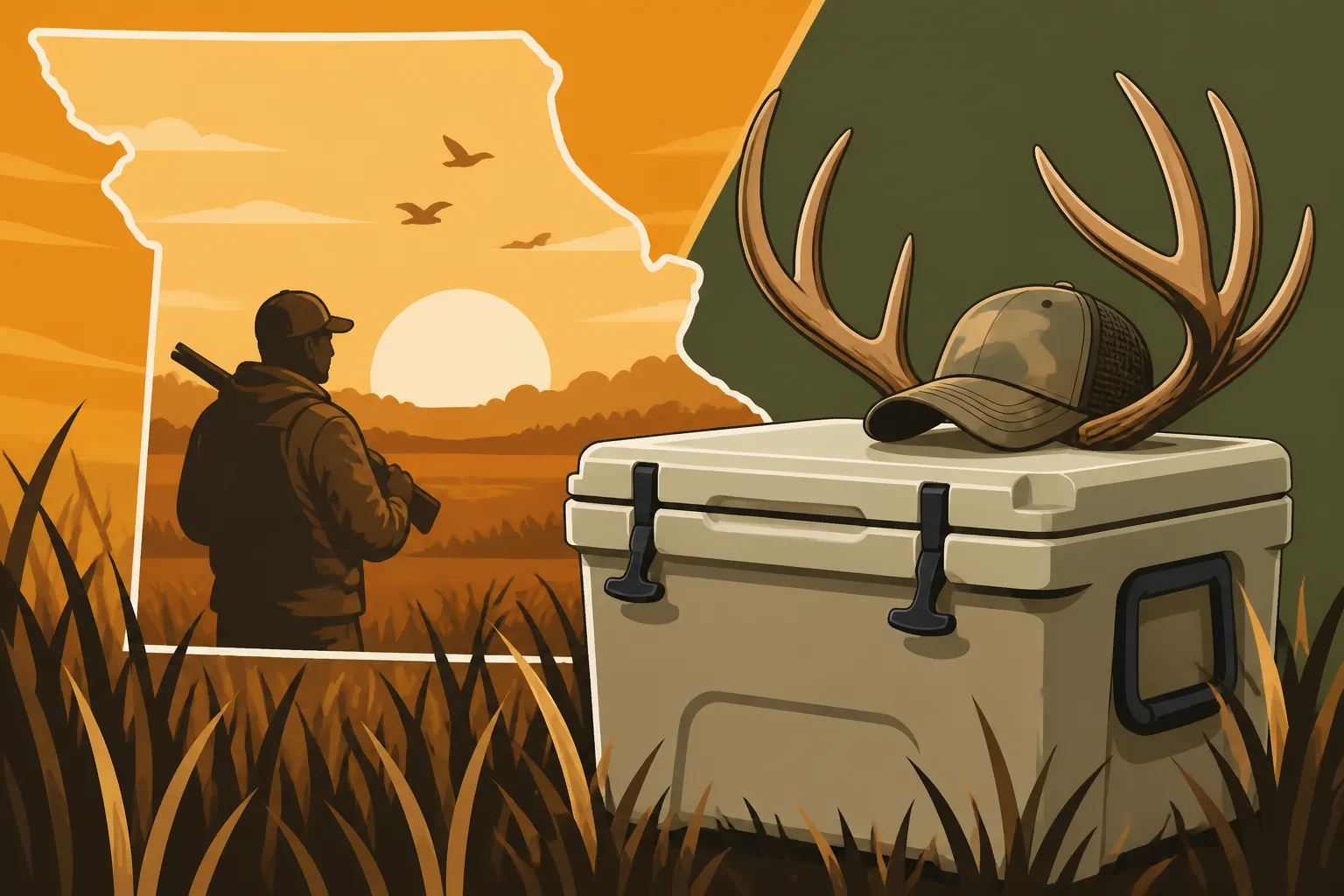
For a deer hunter in warm Missouri conditions, a good roto-molded cooler is indispensable. They excel at holding ice for days, even in direct sunlight. This means you can quarter your deer, get it packed with ice, and have peace of mind that your meat is chilling down properly, whether you're heading straight home, taking it to a processor, or spending another night at deer camp. They come in various sizes, so you can choose one large enough to accommodate quartered deer or multiple smaller game animals. Many hunters will have several, perhaps a 45-quart for smaller game or essentials, and a 110-150 quart for a whole quartered deer. The downside, of course, is their weight and bulk, especially when loaded with meat and ice. But for serious meat care, they're hard to beat.
Soft-Sided and Insulated Bags: Lightweight and Nimble Options
While hard-sided coolers are fantastic, they aren't always the most practical for every hunting scenario. That's where soft-sided coolers and insulated game bags really shine. These options offer increased portability, making them ideal for hunters who anticipate long treks or those who need supplemental cooling solutions.
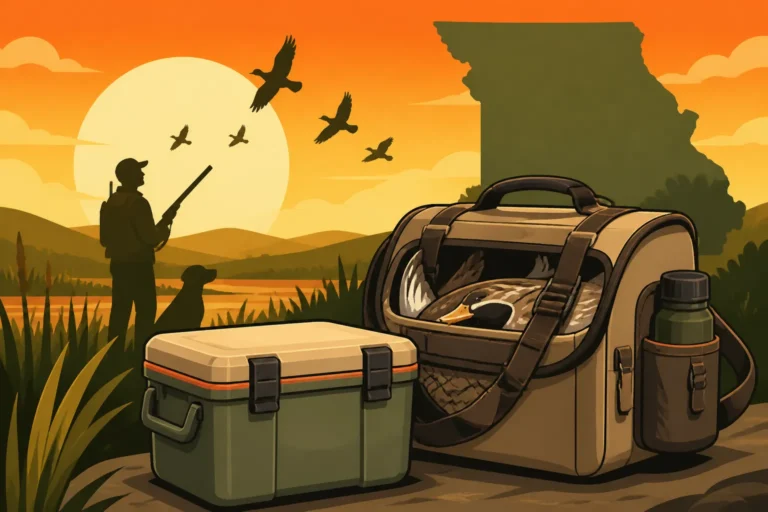
Soft-sided coolers, like those from brands such as Engel or Hydro Flask, offer better insulation than your average picnic bag but are far more flexible and lighter than roto-molded counterparts. They often feature robust zippers and decent insulation, capable of holding ice for a day or two. They're great for smaller game like ducks, geese, or even a couple of wild turkeys. For deer hunters, they might be used to pack out a single hindquarter if you're doing a gutless method in a remote area and making multiple trips, or simply to keep lunch and drinks cold at the truck.
Insulated game bags, sometimes called "kill bags," are another excellent option, especially if you're doing extended backcountry hunts or Getting a Deer Out of a Hollow Alone from a very remote spot. These are essentially oversized, heavy-duty insulated bags that can hold an entire boned-out or quartered deer. They are incredibly lightweight when empty, can be folded up to fit in a pack, and offer surprising insulation when properly packed with ice. Brands like Arctic Zone or even specialized hunting companies make these. They're designed to be a temporary, yet highly effective, solution for getting meat from the kill site to a more permanent cooling solution like a larger hard-sided cooler back at camp or your vehicle. They help tremendously with Game Bags for Early Archery Heat.
Here's a quick comparison of cooler types:
| Feature | Hard-Sided Roto-Molded Cooler | Soft-Sided Cooler | Insulated Game Bag |
|---|---|---|---|
| Insulation | Excellent (multi-day ice retention) | Good (1-2 day ice retention) | Moderate to Good (hours to a day) |
| Durability | Extremely High | High | Moderate |
| Portability | Low (heavy, bulky) | Medium (flexible, lighter) | High (collapsible, light) |
| Capacity | Very High (quartered deer) | Medium (small game, portions) | High (quartered deer) |
| Primary Use | Main storage, long-term chill | Day trips, supplemental | Field packing, remote areas |
Pre-Hunt Preparation and Immediate Field Care
Having the right cooler is only half the battle. What you do before you even step foot in the woods, and crucially, immediately after a harvest, makes all the difference in preserving your meat in warm conditions. This is where diligent planning truly pays off.
Pre-Chilling and Ice Strategies
Before your hunt, especially if warm weather is in the forecast, you absolutely need to pre-chill your coolers. Think of it like preheating an oven, but in reverse. A warm cooler, sitting in your garage or truck, will rapidly melt your ice just trying to cool its own internal temperature. Start by adding a bag of sacrificial ice or frozen water bottles to your cooler the day before you plan to use it. Let it sit overnight, draining the meltwater in the morning. This cools the insulation and inner walls, making it much more efficient at retaining new ice.
Now, about the ice itself. While standard cubed ice works, it melts quickly and creates a lot of water. For serious chilling, a mix of block ice and cubed ice is a superior strategy. Block ice melts much slower, providing sustained cold. Cubed ice, on the other hand, fills in gaps and offers more surface area contact for rapid initial cooling of the meat. You can also make your own block ice by freezing water in milk jugs or large plastic containers. These big blocks last a long time and don't introduce meltwater directly to your meat if you keep the caps on. When it comes to Ice for Hauling a Deer Out, don't skimp. You'll need more than you think, especially in warm weather. A good rule of thumb for a quartered deer is often one pound of ice per pound of meat, or even more, for the initial cool down and transport.
Swift Field Dressing and Quartering
The moment you recover your animal, the race against spoilage begins. The single most important thing you can do is remove the heat from the carcass as quickly as possible. This means immediate and thorough Field Dressing and Cooling in Early-Season Heat. Don't delay. Get the guts out, open up the chest cavity, and if possible, prop the cavity open to allow air circulation. If you're near a water source, a quick rinse of the cavity can help remove bacteria, but ensure it's clean water and dry the cavity as best you can afterwards.
For larger game like deer, especially in remote areas or extremely warm conditions, consider the "gutless method" or quartering the animal in the field. This involves skinning and butchering the animal where it lies, removing only the usable meat (quarters, backstraps, tenderloins) and leaving the hide and gut pile behind. This reduces weight for the pack-out and, crucially, allows you to get the meat into coolers and on ice much faster. If you've been working with tools like GoHunt to scout your hunting area and understand the terrain, you might have already identified potential extraction points or areas where quartering might be necessary due to difficult access, preparing you for this vital step. No matter which method you choose, the goal is to expose the meat to cooling air or ice as soon as humanly possible, stopping that internal temperature from lingering in the danger zone. This is key to Getting Deer Meat Cooled Quickly.
Transporting and Sustaining the Chill
So you've field dressed or quartered your animal, and the meat is now in your pre-chilled cooler, nestled in a bed of ice. Your job isn't quite done. Sustaining that chill during transport and until final processing is critical. There are still factors to consider to ensure all your hard work doesn't go to waste.
Optimizing Cooler Performance on the Go
Once your game meat is packed in the cooler with plenty of ice, consider how you'll manage it during transport. Don't just toss it in the back of your truck in direct sunlight. If possible, keep the cooler in the shade, under a tarp, or even inside the cab of your vehicle, especially if you have a long drive ahead. Even with excellent insulation, direct sun beating on the cooler for hours will increase internal temperature and accelerate ice melt.
Monitor your ice. If you're on a multi-day trip or have an unexpectedly long drive, it's wise to check the ice levels periodically. Don't be afraid to drain off excess water and add more ice if needed. While some hunters prefer to let meat soak in ice water for a day to help bleed it out, for maximum preservation in warm weather, many will opt to keep the meat out of standing water by using racks or by frequently draining meltwater and replacing ice. This helps prevent the meat from becoming waterlogged, which can sometimes affect texture and flavor. Ensuring the lid is always securely latched and gasketed is also critical; even a small gap can allow warm air to seep in.
Dealing with Longer Journeys or Delays
Sometimes, despite our best efforts, unexpected delays occur. Maybe you're on a road trip from out of state, or your local processor has a backlog. This is where your cooler's performance and your pre-planning truly shine. If you anticipate a very long journey home after a successful hunt, perhaps after spending a few days Hunting North Missouri's Big-Buck Farm Country or Deer Hunting the Missouri Ozarks, you might consider bringing extra bags of ice in a separate, smaller cooler. This way, you have a fresh supply to replenish your main game cooler as needed without opening it unnecessarily.
If you can't get to a processor immediately, keep the meat on ice, rotating it if possible to ensure all sides are thoroughly chilled. You can use large game bags within the cooler to keep the meat from direct contact with meltwater, still surrounded by ice. As you're planning your hunts, using tools like GoHunt can help you scout the area for accessible ice sources, processors, or even just good shady spots to park, all of which contribute to your overall meat care strategy. Don't forget about Missouri Deer Transport Rules, making sure you're legally compliant with any tags or requirements for transporting your harvest, especially if crossing county lines or state borders, and always prioritize getting that meat properly cooled.
Disclaimer
This article is for general informational purposes only and does not constitute professional advice. Laws, prices and regulations vary by location and change over time. Consult a qualified professional for guidance on your specific situation.