Hunting Missouri’s Early Antlerless Days
The dog days of summer might be fading, but for many Missouri deer hunters, the itch to get back in the woods is already intense. You’ve been counting down the days since last season, and the thought of waiting until October for archery or November for firearms can feel like an eternity. Luckily, the Missouri Department of Conservation offers an excellent early opportunity to extend your time in the field and help manage deer populations: the Early Antlerless Portion. This guide will walk you through everything you need to know to make the most of this unique early season.
Understanding Missouri's Early Antlerless Portion
This early season is a crucial tool in Missouri's deer management strategy, designed to help control deer numbers in counties where populations are robust, particularly in agricultural areas where deer can have a significant impact on crops. It's a chance to fill your freezer, fine-tune your early-season tactics, and contribute to a healthy deer herd, all before the main ruckus of the archery and firearms seasons truly kicks off.
Dates and Regulations
The Early Antlerless Portion typically falls in the first half of October, usually running for about four days. It’s a short window, but it’s specifically timed to coincide with a period when deer patterns are still somewhat predictable as they haven't experienced heavy hunting pressure. This makes it an ideal time to capitalize on summer scouting. For instance, in 2024, the season runs from October 4-6, with potential for adjustments in future years, so always double-check the official Missouri Department of Conservation (MDC) regulations each year.
To participate, you'll need an Archery Antlerless Deer Permit, a Resident Landowner Archery Antlerless Deer Permit, or a Nonresident Landowner Archery Antlerless Deer Permit. It's important to remember that during this specific portion, only antlerless deer (does and fawns) may be harvested. This is purely a management season focused on female deer to help control overall herd growth. Make sure you're crystal clear on the definition of an "antlerless" deer; generally, it means any deer without antlers, or with antlers less than three inches long. Always consult the official MDC regulations or permit descriptions to be absolutely sure. You can find up-to-date information on specific start and end dates by looking up topics like Missouri Early Antlerless Portion Dates.
Counties Open for Early Antlerless Hunting
Not all counties in Missouri participate in the Early Antlerless Portion. The MDC designates specific counties where this early harvest is most needed to achieve local deer management goals. These are typically counties with higher deer densities, often in the northern and central agricultural regions of the state where deer populations can thrive due to abundant food sources. Think of areas like Mercer, Putnam, or Nodaway counties in the north, or some of the central counties with a mix of timber and row crops.
The selection of these counties is a data-driven process, relying on harvest data, population surveys, and landowner feedback to determine where antlerless harvest is most beneficial for herd health and agricultural impact mitigation. This means the list of open counties can occasionally change from year to year, so it's absolutely critical to verify the current year's list before you plan your hunt. You can usually find this information clearly laid out on the MDC website or in the annual hunting regulations booklet. It’s a good habit to specifically check Which Counties Are Open for Early Antlerless each season, even if you’ve hunted the same area for years. Don't assume anything; a quick check can save you a lot of headache and potential legal trouble.
Scouting and Strategy for Early Antlerless Success
The early antlerless portion presents a unique opportunity because deer behavior is still heavily influenced by summer patterns. They haven't been pressured much, and their routines often revolve around consistent food sources. This can make them a bit more predictable than during the peak rut or late season, but it also means dealing with different conditions like warmer weather and denser foliage.
Locating Prime Antlerless Habitat
Does and fawns are inherently focused on survival: finding food, water, and secure bedding. During early October, their patterns are often still tied to lush summer food sources that might be overlooked once the leaves drop. Think about alfalfa fields that are still green and palatable, standing soybeans or corn before harvest, or even well-maintained food plots of clover or brassicas. These areas provide high-energy forage that lactating does and growing fawns heavily rely on.
Water sources are also magnets, especially if the weather is still warm and dry. Look for active creek beds, farm ponds, or even drainage ditches with standing water. These become crucial hubs of activity, particularly in the afternoons. Bedding areas for doe family groups tend to be in thicker cover than a mature buck might choose – dense brush, cedar thickets, overgrown fencerows, or the tangled edges of timber stands. These spots offer safety and concealment for multiple animals. When you're scouting, use tools like GoHunt to analyze aerial imagery and topographic maps. This can help you identify promising funnels, pinch points, and cover transitions between feeding and bedding areas from the comfort of your home, saving you valuable time in the field. This digital scouting, coupled with some boots-on-the-ground confirmation, can be incredibly effective. Consider using strategies outlined in Scouting Missouri Public Land Before Season to get a head start.
Tactics for Early Season Whitetails
Hunting antlerless deer effectively during this early window demands a thoughtful approach. Scent control is paramount. Warmer temperatures mean deer are more likely to detect human odor, especially around food sources where they spend extended periods. Shower with scent-free soap, wash your hunting clothes in scent-free detergent, and dress downwind of your approach. Pay close attention to wind direction, making sure your scent is carried away from known travel routes and feeding areas.
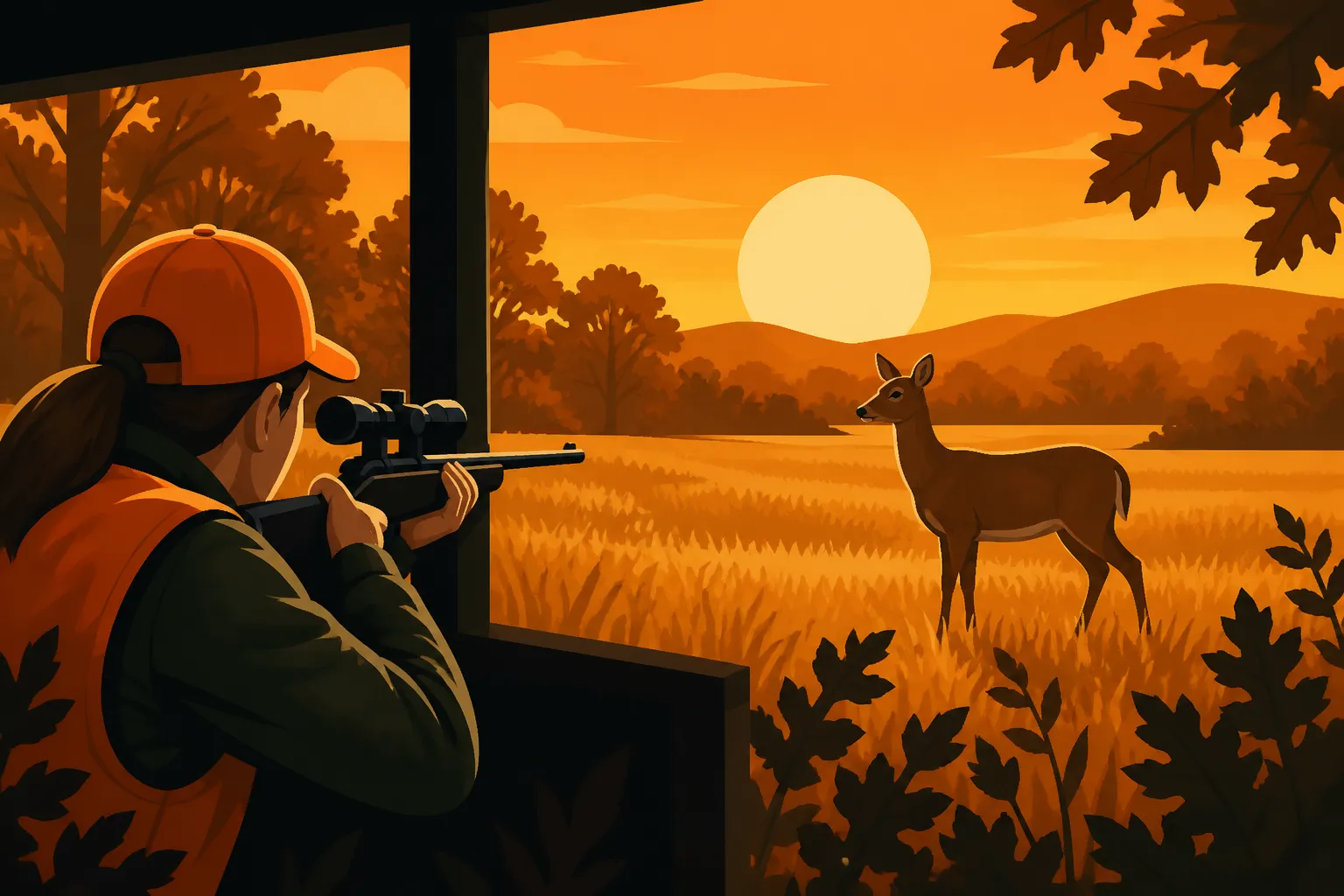
Stand placement should leverage these patterns. Treestands offer a clear vantage point and help get your scent above the deer, but ground blinds can be excellent too, especially on the edges of crop fields or along brushy fencerows. If you're using a ground blind, ensure it's well brushed-in and set up several days in advance to allow deer to get accustomed to its presence. For spots with less mature trees suitable for stands, ground blinds can be a lifesaver. You can learn more about effective setups in articles such as Ground Blinds on Crop Field Edges.
Focus your efforts on morning and late afternoon hunts. Deer activity tends to be highest during these cooler parts of the day. In the mornings, set up along travel corridors leading from bedding areas to food sources. In the evenings, position yourself overlooking known feeding areas or trails leading to water. Midday often sees deer bedded down, especially if the temperatures rise, so consider still-hunting very slowly through bedding cover if you're determined to hunt all day, but remember this increases your chances of bumping deer.
Gear and Logistics for Early Antlerless Hunters
The early antlerless season can feel like a hybrid of summer and fall hunting, bringing its own set of challenges when it comes to gear and logistics. Being prepared for warmer weather and understanding permit requirements are crucial for a successful and legal hunt.
Essential Gear for Warm Weather Hunting
One of the biggest frustrations of early-season hunting in Missouri is the unpredictable weather. Early October can swing from cool, crisp mornings to surprisingly warm afternoons, sometimes even hitting the 70s or 80s. This demands a layering approach to clothing. Start with lightweight, breathable base layers that wick moisture away from your body. Avoid heavy cotton which retains sweat and odor. A light camo jacket or vest can be added or removed as needed.
Beyond clothing, think about game care. Warm temperatures mean bacteria can quickly spoil meat, so quick field dressing and cooling are absolutely non-negotiable. Bring plenty of water not just for yourself, but also for rinsing the body cavity after field dressing. Pack a sturdy knife, game bags, and consider a small bone saw if you anticipate quartering your deer in the field to get it cooled faster. Have a plan for immediate cold storage—whether that's a large cooler full of ice in your truck or a drop-off point at a local processor. These preparations are critical for topics like Field Dressing a Deer in Warm Weather and Getting Deer Meat Cooled Quickly.
Permit Considerations and Telecheck
The early antlerless season specifically requires an antlerless permit. You cannot use a regular "any-deer" permit or a firearms season permit for this portion. These permits are typically bought over-the-counter and are county-specific, meaning you need to ensure you purchase a permit for the county you intend to hunt. This is different from the general statewide archery antlerless permit valid during the regular archery season. Make sure you understand the exact permit types required for the Early Antlerless Portion. The MDC website is the best source for this information, often with clear distinctions. For more details on these specific tags, check out Missouri Antlerless Deer Permits by County.
Once you've successfully harvested an antlerless deer, the Telecheck system is your next crucial step. All deer harvested in Missouri must be Telechecked by 10 p.m. on the day of harvest. This system allows the MDC to collect vital harvest data for management purposes. You can Telecheck online through the MDC website or by calling the toll-free number provided in the regulations. Before you even head out, familiarize yourself with the process and have your permit number handy. Make sure you understand the rules for notching your permit immediately after harvest, which is a legal requirement before you move the deer. Failing to properly Telecheck your deer can result in fines and loss of hunting privileges. To ensure you're compliant, review guides on Telechecking a Missouri Deer.
Maximizing Your Early Antlerless Opportunity
The Early Antlerless Portion isn't just another hunting opportunity; it's a chance to refine your skills, connect with the landscape before the main season rush, and actively participate in wildlife management. Approaching it with both ethical consideration and strategic planning will enhance your experience.
Ethical Considerations and Herd Management
Harvesting antlerless deer is a cornerstone of responsible deer management in many parts of Missouri. When deer populations become too high, it can lead to overbrowsing, habitat degradation, and increased disease transmission (like Chronic Wasting Disease, or CWD). It can also result in smaller deer overall due to limited food resources. By taking does, hunters help balance the herd's sex ratio and keep the population in line with what the habitat can sustainably support. This often translates to a healthier herd, better fawn survival rates, and even larger, healthier bucks in the long run.
As hunters, we have a responsibility to make clean, ethical kills. Early season conditions mean you might have denser foliage and potentially longer shot opportunities if deer are out in open fields. Practice your shooting, whether with a bow or crossbow, to ensure you can make a precise shot at various distances. Always know your effective range and stick to it. If you're unsure of your shot placement, wait for a better opportunity. Recovering your deer promptly is also part of ethical hunting; make sure you follow good blood trailing practices and, if necessary, be prepared to come back with a dog or more help the next morning if darkness falls.
Public Versus Private Land Considerations
Hunting the Early Antlerless Portion can offer different experiences depending on whether you're on public or private ground. On public lands, expect potential pressure. While this season is shorter and less popular than the main firearms portion, hunters who know about it will often be out. To combat this, use tools like GoHunt to analyze maps for overlooked pockets—areas that are difficult to access, further from parking lots, or that feature dense cover that discourages casual hunters. Often, a mile or two walk can get you away from the crowds. Look for areas with diverse habitat, where does might feel secure even with some human presence. Understanding Hunting Pressure on Missouri Public Ground is key to finding success.
On private land, you'll likely have less pressure, but securing permission is the first step. If you have existing permission, this is a great time to hunt areas that might be too visible or close to homes during the main season. If you're looking for new ground, don't be afraid to knock on doors well in advance of the season. Farmers and landowners are often more receptive to antlerless hunting requests, as it directly benefits them by reducing crop damage. Be respectful, offer to share meat, and make sure you understand their specific rules for hunting their property. Sometimes, just having a conversation can open doors. For tips on how to approach landowners, read Knocking on Doors in Missouri Farm Country. No matter where you hunt, always confirm boundaries and know exactly where you are allowed to be to avoid trespassing issues.
Disclaimer
Please note that hunting regulations, dates, and permit requirements are subject to change annually by the Missouri Department of Conservation (MDC). Always consult the current year's official MDC hunting regulations booklet or their website before planning any hunting activity. This guide is for informational purposes only and does not supersede official regulations.