Hunting the Missouri Late Antlerless Portion
The calendar pages have flipped past the intensity of the November rut, and maybe your main deer tag is filled, or perhaps you're still hoping to put more venison in the freezer. It’s easy to feel like the deer season is winding down, but for many Missouri hunters, the late antlerless portion offers a fantastic, often less pressured, opportunity to extend the season and meet harvest goals. This guide will walk you through everything you need to know to make the most of this unique late-season hunt.
Understanding the Late Antlerless Portion
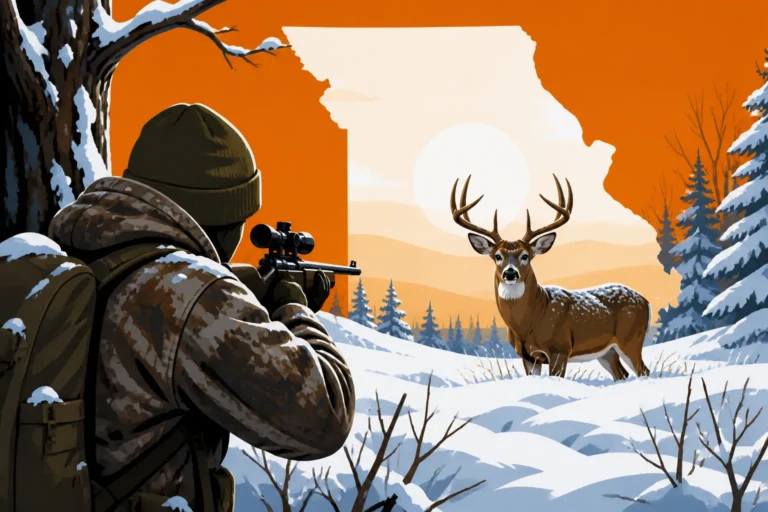
When the leaves are mostly off the trees and a chill truly settles into the Missouri air, many hunters might be tempted to hang up their gear. But that would mean missing out on a crucial and often very productive period: the late antlerless portion. This segment of the season is specifically designed to help manage the state's deer population, particularly does, and it provides an excellent chance for hunters to fill their freezers.
Key Dates and Regulations
The late antlerless portion typically kicks off in early December, running for about nine days. This short window is distinct from the main firearms season and requires specific antlerless permits. It's not a universal season across the entire state, though. Hunters need to pay close attention to which counties are open for this specific portion. Historically, many counties in central, northern, and eastern Missouri participate, where deer populations often need more targeted management. You'll definitely want to check the most current regulations for the precise dates and a full list of eligible counties.
When it comes to permits, you'll need an antlerless tag, which can often be purchased over-the-counter. These permits are crucial for participating and are typically specific to the county or counties you plan to hunt. It’s also vital to remember that during this portion, only antlerless deer (does and fawns) may be harvested, ensuring that the focus remains on herd management. Weapon choices during this time generally align with the legal firearms and methods permitted during the regular firearms portion, including modern firearms, muzzleloaders, and archery equipment. Always double-check the Missouri Department of Conservation (MDC) regulations, as they can sometimes have minor adjustments year-to-year. For a comprehensive list of where you can use these tags, check out our guide on Missouri Antlerless Deer Permits by County.
Why the Late Season Matters
The late antlerless portion is a pivotal time for Missouri's deer management strategy. By allowing hunters to harvest does after the main breeding season, it helps to keep deer populations in balance with the available habitat. This is especially important in areas with high deer densities, where overpopulation can lead to increased disease transmission, habitat degradation, and more deer-vehicle collisions. From a hunter's perspective, this season is a fantastic opportunity. Many hunters have already filled their buck tags, but still have room for more high-quality protein for their families. This season provides that chance, often with less competition than during the crowded November firearms portion.
Furthermore, the late season extends the overall hunting calendar, giving dedicated hunters more days afield. The weather might be colder, but the woods are often quieter, and deer patterns become more predictable, revolving heavily around food and cover. This can make for a very rewarding hunt. It’s a great time to focus on filling your freezer, and you'll often find that the venison from late-season does is incredibly lean and tender. For hunters looking to truly maximize their season, understanding and participating in the late antlerless portion is key to both personal success and supporting healthy deer herds.
Deciphering Late-Season Deer Behavior
By the time the late antlerless portion rolls around in early December, the deer woods have undergone a significant transformation from the chaos of the rut. Understanding these shifts in deer behavior is paramount to success during this colder, post-rut period. Deer are no longer primarily driven by breeding instincts; instead, their focus narrows to survival: finding food, conserving energy, and staying warm.
Post-Rut Recovery and Food Sources
The intense activity of the rut leaves bucks physically drained, often having lost significant body weight. While the late antlerless portion primarily targets does, understanding that bucks are in recovery mode influences overall deer movement. Does, too, are recovering from the breeding season and are now focused on replenishing their energy reserves to sustain themselves through winter and support future fawns. This means food becomes the absolute driving force for deer movement. They'll be seeking out the most nutritious and accessible food sources relentlessly.
Prime late-season food sources are those that offer high calories and are still available. Standing cornfields that haven't been harvested yet are absolute magnets, providing both food and excellent thermal cover. Soybean fields, even if harvested, can still offer leftover beans that deer will glean. Winter wheat plots or brassicas planted by landowners or on conservation areas are also prime destinations. Acorns, particularly white oaks, can still be a draw if they're available, though by December, most have been consumed or covered by leaves. Deer will often prioritize these high-energy foods, moving directly from bedding areas to these feeding locations, particularly during colder periods. To learn more about what deer are craving, check out our insights on Late-Season Food Sources for Whitetails.
Group Dynamics and Herd Movements
One of the most noticeable changes in late-season deer behavior is the re-establishment of doe-fawn family groups. After the disruption of the rut, these groups tend to re-form and can often be found moving together. This is excellent news for hunters specifically targeting antlerless deer. You're less likely to encounter a lone doe; instead, you might see a string of three, four, or even more deer moving as a unit. This grouping behavior can make it easier to identify and target an antlerless deer without disturbing the rest of the herd too much, especially if you're patient.
As temperatures drop, deer become even more concentrated in areas offering both consistent food and crucial thermal cover. They'll minimize unnecessary movement to conserve energy, leading to more predictable patterns. Observing these patterns—where groups bed down, how they travel to feed, and when they move—is key. Deer will often utilize sheltered valleys, dense cedar thickets, or south-facing slopes to escape cold winds and absorb what little warmth the winter sun provides. Knowing What Changes After the Beans Come Off will give you an edge as fields transition and deer adapt their movements to new landscapes and food availability.
Strategic Approaches for the Late Antlerless Hunt
The late antlerless portion demands a shift in hunting strategy compared to the earlier parts of the season. With deer focused on food and warmth, and often grouped up, your approach needs to be calculated and patient. It's about finding those critical resources and intercepting deer movement efficiently.
Focusing on Food-Centric Locations
In early December, deer are absolutely obsessed with food. Their survival depends on it. This makes scouting and hunting around primary food sources the most effective strategy. Spend your time identifying fields of standing corn, winter wheat plots, brassica fields, or even oak flats that still have acorns available. These areas will be magnets for deer, especially does and their fawns. Using a mapping application like GoHunt can be incredibly helpful here. You can layer satellite imagery to pinpoint unharvested fields, identify potential food plots on public land, and even mark thick cover nearby that might serve as bedding.
Once you've located these food sources, the next step is to scout for sign: tracks, droppings, and well-worn trails leading into and out of these areas. Pay close attention to the edges of these fields, especially where timber or thick brush meets the crop. Deer will often stage in this transition zone before entering the open field. Your stand or blind setup should offer a clear shot at these entry and exit points, or along the trails connecting them. Remember, deer will often arrive at these food sources just before dark and leave just after dawn, so planning your entry and exit routes to minimize disturbance is crucial. A great resource for this is understanding Hunting Standing Corn Before Harvest, which offers specific tactics for this prime late-season setup.
Utilizing Cover and Thermal Hubs
Beyond food, late-season deer are constantly seeking cover that provides both security and thermal protection from the cold. Dense cedar thickets, thick regenerating clearcuts, deep ravines, or south-facing slopes with heavy timber can act as thermal hubs, where deer bed during the day to stay out of the wind and soak up any available sunlight. These bedding areas will often be surprisingly close to their primary food sources. The key is to connect the dots: find the food, then identify the thickest, warmest cover nearby, and look for the trails in between.
Hunting these areas requires stealth and a careful approach. Often, deer will use timbered draws or creek bottoms as travel corridors between bedding and feeding. These draws offer concealment and a degree of shelter. Setting up on a downwind side of such a draw, especially one that connects to a known food source, can be incredibly productive. Understanding Hunting a Timbered Draw in Row-Crop Country will give you an edge in these specific types of terrain. Pay close attention to wind direction and thermals, which can be even more pronounced in cold weather, especially in hilly terrain. Deer will use these air currents to detect danger, so make sure your scent is carried away from their suspected travel paths.
Still-Hunting and Drives in Winter Conditions
While sitting still in a stand or blind can be highly effective, the late antlerless portion also lends itself well to more active hunting methods, particularly still-hunting or small, organized drives, especially after a fresh snow. Still-hunting involves moving incredibly slowly through suitable habitat, pausing frequently to scan the woods. With fewer leaves on the trees, visibility can be greater, but deer are also more apt to spot you. Focus on areas of dense cover, creek bottoms, or ridges where deer might be bedded.
If you're lucky enough to get fresh snow, it's a game-changer. Snow makes tracking much easier, allowing you to follow fresh deer tracks directly to their feeding or bedding areas. It also quiets your footsteps and makes deer stand out against the white background. Learning to read those tracks and interpret deer movement can lead to an exciting hunt. Our guide on Still-Hunting After a Fresh Snow offers excellent advice for this exhilarating method. For those hunting with a small group, a quiet, coordinated deer drive can be extremely effective for pushing deer out of heavy cover and past waiting shooters. These aren't typically large, loud drives; instead, they are often strategic, two-person movements designed to gently nudge deer along their natural escape routes. Consider our strategies for Two-Person Drives on Small Timber Tracts for maximizing success with minimal hunters.
Essential Gear and Cold-Weather Considerations
Hunting in December in Missouri means dealing with cold, potentially wet, and often windy conditions. Your gear choices, especially your clothing, can make or break your hunt. Comfort directly impacts patience and focus, which are crucial for success during the late antlerless portion.
Layering for Warmth and Patience
The single most important aspect of late-season hunting attire is layering. You need to be able to add or shed layers as your activity level and the ambient temperature change. Start with a moisture-wicking base layer against your skin to pull sweat away from your body, preventing chills. Next, add insulating mid-layers like fleece or wool to trap body heat. Finally, your outer layer should be windproof and waterproof to protect against the elements. Good quality, insulated bibs and a heavy jacket are essential.
Don't forget your extremities! A warm hat that covers your ears is critical, as you lose a lot of heat from your head. Insulated, waterproof gloves or mittens are a must, along with thick, wool socks. Many hunters even use chemical hand and foot warmers to provide extra comfort during long, stationary sits. Being able to sit comfortably for hours, even in freezing temperatures, is often the key to catching deer moving during midday lulls. For more detailed advice on how to stay warm and alert, be sure to read our guide on Cold Weather Sitting Strategy. Investing in quality gear for warmth is an investment in your hunting success and enjoyment.
Weapon Choices and Accuracy in Cold
Most hunters participating in the late antlerless portion will be using firearms, but archery equipment, including crossbows, are also popular. Whatever your choice, it's vital to ensure your weapon is sighted in and you're comfortable shooting it while wearing all your bulky cold-weather gear. A thick jacket can change your cheek weld on a rifle stock, and heavy gloves can make operating a bow or crossbow feel awkward. Practice shooting with your full hunting setup on.
For firearms, legal calibers for Missouri deer are well-defined. Common choices like a .308, .270, or even a .243 are all effective for antlerless deer at typical late-season ranges. Muzzleloaders are also a popular choice for their power and traditional appeal. If you're using a muzzleloader, understanding Muzzleloader Tactics in the Alternative Methods Portion can offer valuable insights. Crossbows are another excellent option, offering significant power and ease of use, particularly for hunters who might struggle with traditional archery equipment; check out Crossbow Hunting Under Missouri Rules for specific regulations. Ensure your chosen weapon is clean, well-maintained, and ready for reliable performance in cold conditions.
Practical Accessories for Comfort and Success
Beyond your core clothing and weapon, several accessories can significantly enhance your late-season hunting experience. A good thermos filled with hot coffee, tea, or soup can be a morale booster and help keep your core temperature up. A comfortable, insulated seat cushion for your stand or blind will make those long sits much more bearable. Binoculars are always useful, but in late season, with potentially low light and deer moving subtly through sparse timber, a quality pair with good low-light performance can be invaluable. This is where researching gear with resources like GoHunt can really pay off, helping you pick optics that perform when you need them most.
Finally, don't overlook the importance of game care. Even in December, a warm day or a long drag can affect meat quality. Carry quality game bags to protect your harvest, and if you're not planning to process immediately, have a plan for getting the deer cooled quickly. Large coolers filled with ice are your best friend if temperatures aren't consistently below freezing. Our article on Getting Deer Meat Cooled Quickly offers essential tips for preserving your venison in varied conditions. Investing in durable, Insulated Boots for Long Sits will keep your feet warm and dry, which is critical for all-day comfort.
Public Land and Private Land Strategies
Whether you hunt public or private ground, the late antlerless portion presents unique opportunities and challenges. Adjusting your access and scouting strategies for December conditions will maximize your chances of success.
Navigating Public Ground in December
By December, many public lands that were swarming with hunters during the November firearms portion have quieted down significantly. This reduction in pressure can be a huge advantage. Deer that were pushed deep into thick cover or became nocturnal might start to resume more natural movement patterns. This is the time to explore those overlooked corners and remote pockets that most hunters pass by. Use mapping apps like GoHunt to analyze aerial photos, looking for dense thermal cover, out-of-the-way food sources, and difficult-to-access areas that might hold deer.
While competition is generally lower, deer on public land are still wary. Focus on early morning and late afternoon movements to and from primary food sources. Spend time scouting for fresh sign, even if it means walking extra miles. Deer tend to gravitate towards the path of least resistance when seeking food and shelter, so look for natural funnels, pinch points, and creek beds that connect different habitat types. Remember, these deer have been hunted for months, so stealth and patience are paramount. Our guide on Finding Ground Others Walk Past offers strategies for locating these hidden gems, and it’s always a good idea to refresh your memory on Scouting Missouri Public Land Before Season to make the most of your pre-hunt efforts.
Seeking Permission on Private Land
For those who prefer private land, the late antlerless portion can be a prime opportunity to secure permission from landowners who might have been hesitant earlier in the season. Many farmers are primarily concerned with reducing deer numbers to protect their crops, and a hunter willing to target does can be a welcome sight. With the main firearms season over, landowners might have more time to talk, and the urgency to reduce herd numbers often becomes more apparent as winter approaches.
When approaching landowners, be respectful, articulate your intentions clearly (you're specifically looking to harvest antlerless deer), and offer to share some of the meat. Showing up clean, well-spoken, and with a sincere offer to help manage their deer herd can go a long way. Some landowners might even be more inclined to grant access if you're willing to assist with small chores or fence mending. Areas with standing row crops or winter food plots are excellent places to focus your efforts. For practical advice on how to approach landowners, read our tips on Knocking on Doors in Missouri Farm Country. Building a good relationship with a landowner during this time can potentially open doors for future hunting seasons.
Late Antlerless Season Comparison
To help you visualize the unique aspects of hunting the late antlerless portion, here's a quick comparison with the early archery season.
| Feature | Early Archery Season (Sept-Oct) | Late Antlerless Portion (Early Dec) |
|---|---|---|
| Primary Goal | Antlered or Antlerless deer, establishing patterns, rut anticipation | Antlerless deer, herd management, filling freezer, post-rut |
| Deer Behavior | Summer patterns, often nocturnal, pre-rut scrapes/rubs, small groups | Post-rut recovery, highly food-driven, larger doe/fawn groups, thermal cover focus |
| Hunting Pressure | Moderate, increasing towards rut | Significantly lower than firearms season, but still some. |
| Typical Weather | Warm to mild, can be hot | Cold, potentially freezing, windy, possibility of snow |
| Vegetation | Full foliage, thick undergrowth | Deciduous trees bare, evergreens provide cover, good visibility |
| Food Focus | Soft mast, early acorns, lush greens, agriculture | Standing row crops (corn/beans), winter wheat, brassicas, hard mast (if available) |
| Gear Emphasis | Scent control, light layers, hydration | Heavy layering, insulated boots, hand/foot warmers, wind/waterproof outerwear |
Disclaimer
Hunting is an activity with inherent risks. Always prioritize safety, understand and follow all Missouri Department of Conservation regulations, and obtain appropriate permits before heading afield. This guide is for informational purposes only and does not replace official regulations or professional guidance.