Fall Turkey Hunting Tactics
Oh, the crisp air of a Missouri autumn, when the leaves start turning and you swap out your deer broadheads for shotgun shells, or maybe even keep the bow handy for a different kind of challenge. Fall turkey hunting in Missouri is a whole different ballgame compared to the intense, vocal drama of spring. If you're used to those gobbling mornings, the quiet stealth required for fall birds can feel like a complete mystery. Hunters often get frustrated, walking miles without hearing a peep, wondering if they're even in the right woods or using the right calls. This guide is all about demystifying those silent woods, helping you understand fall turkey behavior, and equipping you with the tactics you need to fill your tag during Missouri's cooler months.
Understanding Fall Turkey Behavior and Flocks
Unlike spring, when lovesick gobblers are strutting and vocalizing constantly, fall turkeys are all about survival, food, and flock dynamics. This shift in behavior requires a completely different approach from hunters. You're no longer trying to lure a dominant tom to a hen; you're trying to locate a cohesive flock, break it up, and then call the scattered birds back together. It's less about sweet-talking and more about strategic disruption and reunion.
The Dynamics of Fall Flocks
In the fall, turkeys typically gather into larger, more distinct flocks based on age and sex. You'll often find mature hens with their poults from the spring hatch, forming large "hen-poult" flocks. These can sometimes number in the dozens, all sticking together for safety and efficiency in feeding. Then there are "gobbler gangs," groups of mature and juvenile toms that have formed bachelor groups after the spring breeding season. These guys are often less vocal than hens but just as wary, if not more so. Finally, you might encounter mixed flocks, especially later in the season as different groups start to coalesce. The key takeaway here is that fall turkeys are almost always in a group. Finding that group is your first major hurdle, and understanding their social structure is vital for success. If you can break up a flock of poults and hens, the ensuing chaos and desire to regroup is what you’re trying to capitalize on.
The size and composition of these flocks can fluctuate throughout the season and even daily, depending on food availability and local pressure. Knowing the general tendencies for the type of birds you're targeting – whether it's a big hen-poult flock in search of acorns or a tight-knit group of jakes looking for protein – will inform your calling and setup choices. For instance, a gobbler gang might respond to more aggressive, deeper-toned gobbler yelps, while a hen-poult flock will be more receptive to softer clucks and whines mimicking lost young birds. This understanding is foundational to everything you do in the fall woods.
Key Food Sources and Fall Ranging
Fall turkeys are constantly on the move, driven by their insatiable need to forage. Their diet shifts dramatically from the insects and tender green shoots of spring to a heavier reliance on mast crops, particularly acorns, and agricultural grains like corn and soybeans. In areas with abundant oak trees, turkeys will hammer the acorns, often spending hours scratching through leaf litter. White oak acorns, which are less bitter, are usually preferred, but they won't pass up red oak acorns either, especially later in the season when other food sources become scarce. Identifying active acorn drops can be like finding a goldmine. Look for scratched-up leaves and fresh droppings under oak trees, especially on ridges or in hardwood timber where acorns are plentiful.
Beyond acorns, turkeys will key in on persimmon patches, wild grapes, and even sumac berries. In agricultural areas, they become adept at gleaning residual corn and soybeans from harvested fields. This means your scouting efforts need to focus heavily on food sources. A prime fall turkey spot often combines diverse mast-producing timber with proximity to agricultural fields. If you're struggling to locate birds, start by locating the freshest food. The turkeys will follow. Remember that food sources can change week by week as crops are harvested or acorns are depleted, so constant recon is a must. A valuable tool like GoHunt's mapping platform can help you identify different timber types and agricultural fields, which is a fantastic starting point for your digital scouting. Understanding Late-Season Food Sources for Whitetails can also give you insight into what might still be available for turkeys.
The Impact of Weather on Fall Birds
Weather plays a significant, though often overlooked, role in fall turkey behavior. A crisp, cool, and dry autumn day with light winds can be perfect. Turkeys are more active, more vocal, and generally more predictable. They'll spend more time foraging in the open, and their movements will be easier to track. However, fall weather in Missouri can be famously fickle. Heavy rain can make turkeys seek shelter in dense cover, and they'll be far less vocal. It also makes hearing more difficult for hunters, both for locating birds and for hearing them respond to calls.
Strong winds are another challenge. Turkeys tend to feed and travel against the wind to better detect predators. High winds also make it tough for turkeys to hear distant calls, and for you to hear them. In these conditions, focusing on sheltered areas like creek bottoms, thick cedar thickets, or leeward sides of ridges can be more productive. Conversely, cold snaps, especially early frosts, can cause turkeys to concentrate on remaining high-energy food sources, making them more predictable. A sudden warm spell might spread them out more. Keeping a close eye on the forecast and adjusting your hunting plans accordingly is just as crucial for turkeys as it is for deer.
Essential Scouting for Fall Turkeys
Successful fall turkey hunting hinges on thorough scouting. You can't just walk into the woods on opening day and expect to stumble upon a flock ready to be called in. These birds aren't nearly as vocal as their spring counterparts, so finding them requires dedicated detective work. Your goal is to identify active turkey areas, understand their daily patterns, and pinpoint potential roosting and feeding locations. This means combining digital tools with good old-fashioned boots on the ground.
Pre-Season Digital Reconnaissance
Before you ever set foot in the woods, the internet is your friend. Start with detailed aerial maps and topographic maps. Services like GoHunt provide excellent overlays that can show timber types, fields, water sources, and elevation changes. Look for areas that offer a diverse mix of mature hardwoods (especially oaks), dense cover, and nearby fields. Ridge tops with oak flats are often turkey magnets, as are creek bottoms with a good mix of timber and open areas. Identify potential travel corridors like old logging roads, ridgetop saddles, and natural funnels. These are places turkeys are likely to pass through regularly.
Pay close attention to public land boundaries. Missouri has an abundance of Public Hunting Land in Missouri and using tools that show property lines can help you identify accessible areas and avoid trespassing. Using the Atlas to Find an Area is a critical skill here. Pinpoint promising spots and create a plan for your ground scouting. This digital reconnaissance saves you countless hours of walking unproductive ground, letting you focus your efforts on areas with the highest potential. Mark potential roost sites – tall, sturdy trees near water or on sheltered slopes – and feeding areas on your map. You might even find historical harvest data for certain conservation areas online, which can indicate overall turkey populations.
Boots-on-the-Ground Scouting for Sign
Once you've done your digital homework, it's time to hit the woods. This is where you confirm your digital findings and start looking for physical evidence of turkeys. Fresh tracks in mud or soft dirt, droppings (larger and more coiled for gobblers, smaller and looser for hens/poult), and wingtip drag marks in dusty areas are all excellent indicators of recent turkey activity. Focus on transition areas: where timber meets fields, along creek beds, and especially under mast-producing trees.
The most critical sign in fall is scratching. Turkeys scratch through leaf litter to find acorns, insects, and other food. Look for widespread, V-shaped scratches in the leaves, often with fresh dirt exposed. The fresher the scratches, the more recent the activity. If you find heavy scratching under a stand of white oaks, you've likely found a current feeding area. Also, listen for distant clucks or yelps, especially in the early morning or late afternoon. While not as common as in spring, fall birds do vocalize, and a distant yelp can tell you exactly where a flock is working. Don't forget to look up for roosting feathers under large trees, which indicate where birds are spending the night. This hands-on scouting is invaluable for pinpointing where the birds are right now. For more on similar scouting efforts, check out Scouting Missouri Public Land Before Season.
Patterning Fall Roosting and Feeding Areas
This is where the real strategy comes into play. Once you've identified active areas, your goal is to pattern the turkeys' daily movements. Turkeys are creatures of habit. They'll fly down from their roosts in the morning, head to a feeding area, perhaps mid-morning they might dust or loaf, then feed again in the afternoon before returning to a roost site for the night. Your mission is to intercept them somewhere along this route.
To pattern them, arrive at least an hour before dawn and listen. You might hear subtle tree yelps or fly-down cackles. Note where they fly down and which direction they head. In the afternoon, watch potential feeding areas and observe their entry and exit routes. You might need to do this over several days to get a clear picture. Thermal optics, though often thought of for deer, can actually be incredibly useful in low light conditions to spot birds flying up to roost or flying down from roosts. This ability to discreetly observe without pressuring the birds is essential. The more you can pattern their general routine, the better your chances of being in the right place at the right time. Being aware of Roost Hunting Missouri Gobblers techniques, even if only for observation, can be highly beneficial.
Mastering Fall Calling and Decoying Strategies
Fall turkey calling is vastly different from spring. You're not usually mimicking a hot hen trying to draw in a gobbler; instead, you're aiming to imitate the calls of lost flock members trying to regroup. This often means more subtle, empathetic calling, especially after you've successfully broken up a flock. Decoys can also play a crucial role, but their deployment needs to be strategic.
The Art of the Break-Up Call
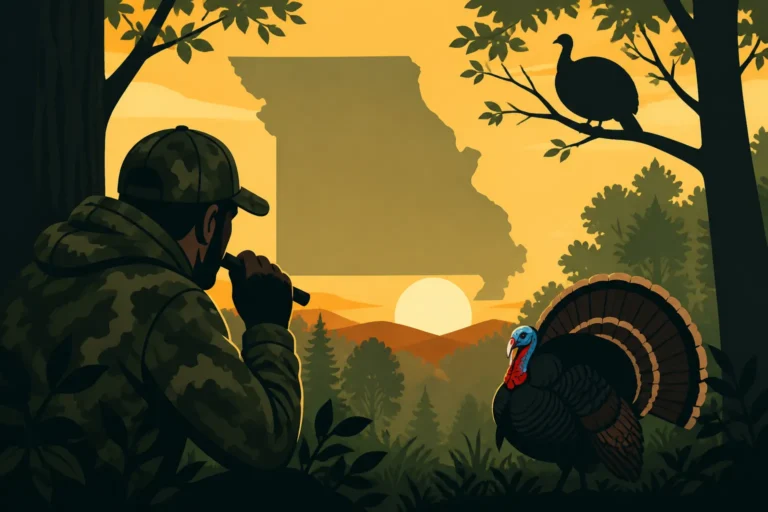
The most common and often most effective fall tactic revolves around the "break-up" call. The idea is simple: locate a flock, intentionally flush them, then set up and call them back. To execute this, you first need to find a flock. Listen for subtle clucks, putts, or feeding sounds. Once you've located a group, you need to deliberately spook them. This might involve running at them, yelling, or just getting too close too fast. The goal is to scatter them in all directions, creating the psychological distress that makes them want to reassemble.
After the flush, immediately move to a good setup spot. This means finding natural cover, preferably against a wide tree that breaks up your outline and offers a good backdrop. Give it 15-20 minutes for the woods to settle down and for the scattered birds to start calling. The first calls you'll hear will likely be soft "kee-kee" runs from lost poults or tentative clucks and yelps from hens. Start with soft, pleading kee-kee runs, followed by soft clucks and yelps. Don't overcall. Listen intently. The birds will often be very responsive, especially young poults. This is the ultimate form of "cold calling" in the fall woods, often yielding fast results if done correctly. For a deeper dive into this specific strategy, check out Breaking Up a Fall Turkey Flock.
Aggressive Calling for Reassembling Flocks
While soft kee-kee runs are often the bread and butter of fall calling, there are times when more aggressive calling can be warranted, especially when dealing with gobbler gangs or if a flock is hesitant to commit. If you've scattered a group of jakes or mature gobblers, they might respond better to gobbler yelps, purrs, and even some aggressive clucking. These are less about a lost bird and more about challenging other males or signaling a desire to regroup quickly. You might use a diaphragm call or a box call for these louder, more emphatic sounds.
Similarly, if you've broken up a large hen-poult flock and your soft calls aren't getting a strong response, gradually increase the volume and urgency of your yelps. Sometimes, a more dominant hen call is needed to draw in reluctant flock members. The key is to gauge the birds' reactions. If they're moving towards you and vocalizing, keep doing what you're doing. If they go silent or seem to hang up, adjust your calling. It's a dynamic conversation, not a monologue. Patience is paramount; a scattered flock might take anywhere from 30 minutes to two hours to fully reassemble.
Decoy Use and Setup in Fall Scenarios
Decoys in the fall are used differently than in spring. While spring hunters often use a tom and hen setup to draw in a dominant gobbler, fall decoy strategies typically focus on simulating a lost or regrouping flock. A single hen decoy or a jake decoy can be effective. If you've broken up a flock, placing a lone hen or jake decoy where the birds were scattered can act as a visual anchor, drawing in cautious birds. They'll often spot the decoy before they spot you, giving you those precious extra seconds for a shot.
Consider using a single strutter or jake decoy if you're targeting gobblers. Male turkeys in the fall are still very wary, but a jake decoy might appeal to their social nature or competitive instincts. When setting up, position your decoy about 15-20 yards from your position, ensuring it's clearly visible from the direction you expect the turkeys to approach. Always consider the sun's position to avoid glare and ensure your decoy is illuminated. Placement is crucial. You want the bird to come into range of your gun or bow while focusing on the decoy, not on your hide. For those adventurous enough to try Hunting Turkeys With a Bow, decoy placement becomes even more critical for a close, ethical shot.
| Fall Turkey Sign | What to Look For | What It Tells You | Best Places to Find It |
|---|---|---|---|
| Scratching | V-shaped scrapes in leaf litter, exposed dirt. | Recent feeding, active area. | Hardwood ridges, oak flats, creek bottoms. |
| Droppings | Pea-sized (poults) to larger, coiled (gobblers). | Recent presence, flock composition. | Under roost trees, feeding areas. |
| Tracks | Three-toed tracks in mud, dust, or snow. | Direction of travel, size of birds. | Field edges, logging roads, creek banks. |
| Feathers | Small body feathers under roosts, larger flight feathers after flush. | Roosting locations, recent activity. | Under large, sturdy trees (oak, sycamore). |
| Dust Bowls | Shallow depressions in soft dirt or sand. | Birds are dusting to clean feathers/remove parasites. | Dry, sandy spots in sunny areas. |
| Vocalizations | Subtle clucks, yelps, kee-kees. | Active flock, readiness to regroup. | Early morning, late afternoon, after a flush. |
Hunting Methods for Fall Success
Once you've done your scouting, understood the birds, and practiced your calling, it's time to put it all into action. Fall turkey hunting offers a few distinct methods, each with its own nuances. Knowing which one to deploy in a given situation can make all the difference between a successful hunt and a long walk in the woods.
The "Flush and Re-Call" Method
This is the quintessential fall turkey tactic and often the most productive. As we discussed, the strategy involves locating a flock, intentionally flushing them, and then calling them back together. The key to success here lies in patience and stealth after the flush. Once the birds are scattered, resist the urge to immediately call. Give them time to settle, to realize they're separated from their companions. This "lost" feeling is what triggers their desire to regroup.
When you do start calling, begin with soft, pleading kee-kee runs or short, soft yelps. Mimic a lost young bird. Listen intently for responses. Turkeys will often respond with their own kee-kees or clucks. Once you establish communication, you can gradually increase the intensity of your calls. Position yourself in a comfortable, concealed spot with a clear shooting lane. Remember, the birds will be looking for a visual, so being still and hidden is paramount. This method capitalizes on the strong social bonds within fall turkey flocks and their instinct to reassemble, often yielding multiple birds if you're patient and persistent.
Still-Hunting and Ambush Tactics
Sometimes, flushing a flock isn't feasible or desirable, especially if you're hunting in particularly dense cover or on smaller tracts where birds might just run across a property line. In these scenarios, still-hunting or employing ambush tactics can be highly effective. Still-hunting involves moving slowly and deliberately through the woods, pausing frequently to scan for movement and listen for subtle turkey sounds. You're essentially stalking until you find a feeding flock or a group moving through a travel corridor.
For ambush tactics, you're leveraging your knowledge of turkey patterns. If you've patterned a flock using a specific travel route between a roost and a feeding area, or if you've identified a heavily used feeding zone, you can set up ahead of time and wait for them to come to you. This might involve sitting in a well-camouflaged ground blind on a field edge, or tucked against a large tree along a known turkey trail. You'll want to be in place well before the birds are expected to move through. Use minimal calling, maybe just a soft cluck or purr to pique their interest if they seem to be veering off course. Patience is key here, often more so than with the flush-and-re-call. Being aware of Reading Aerial Photos for Ozark Deer can assist in identifying these key travel routes and ambush points, even for turkeys.
Hunting Missouri's Fall Turkey Season With a Bow
For those seeking an extra challenge, hunting fall turkeys with a bow is incredibly rewarding. It demands even greater patience, stealth, and a deep understanding of turkey behavior. Bowhunting requires getting birds much closer, typically within 20-30 yards, which means your setup and concealment must be impeccable. A ground blind is almost a necessity for bowhunters, providing excellent concealment and allowing for more movement to draw your bow without being detected.
When bowhunting, focus on ambush points or the flush-and-re-call method where you can precisely control the birds' approach. Decoy placement is critical: position your decoy to bring the bird into your optimal shooting lane, broadside, and close. Many bowhunters prefer to use a full strut tom decoy or a jake decoy with a hen, as this can draw a more aggressive response, making the gobbler hold his ground for a better shot opportunity. Practice shooting from your blind or chosen setup position beforehand. Turkeys offer a small kill zone, so shot placement is everything. Understand the anatomy and aim for the base of the wing where it meets the body. For more specific insights, you might find valuable information on Hunting Turkeys With a Bow, which delves into the unique challenges and rewards of this method. Remember, hunting Missouri's Fall Turkey Season offers a unique experience, and using a bow elevates it even further.
Disclaimer
Always consult the official Missouri Department of Conservation (MDC) regulations before heading into the field. Hunting laws and regulations can change, and it is the hunter's responsibility to be aware of and comply with all current rules.