Rabbit Hunting Brush Piles
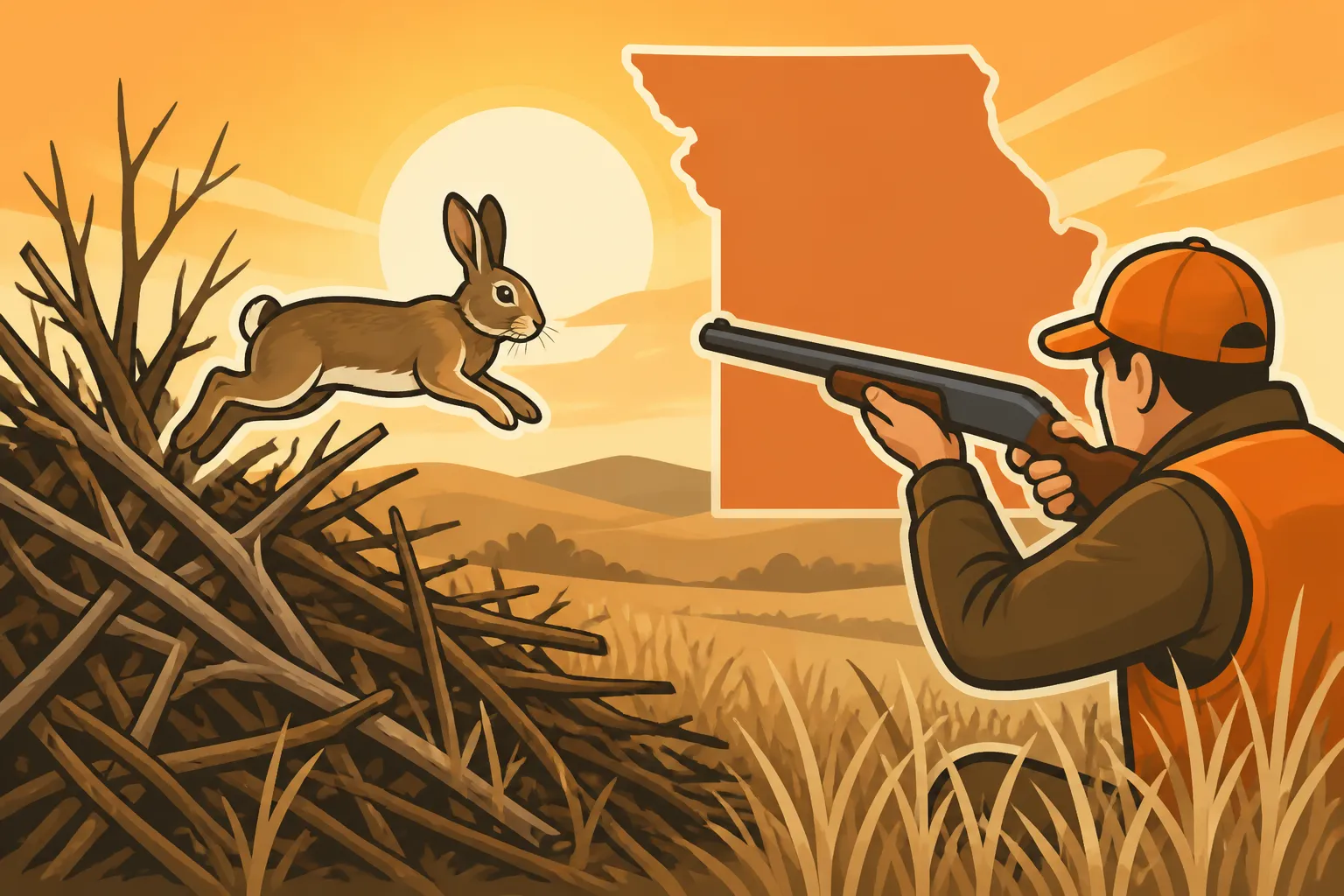
Finding rabbits in Missouri, especially when they seem to vanish into thin air, can be one of the most frustrating parts of a small game hunt. You know they're there, you've seen the sign, but actually getting them to burst from cover is a whole different ballgame. This guide is all about tackling that challenge head-on by focusing on one of their absolute favorite hiding spots: brush piles. We'll dive deep into why these seemingly random tangles of debris are rabbit magnets, how to spot the best ones, and the most effective ways to hunt them, whether you've got a pack of beagles or you're just kicking brush with a buddy.
Why Brush Piles Are Rabbit Havens
Rabbits, particularly the Eastern cottontail that thrives across Missouri, are creatures of cover. They need places to hide from aerial predators like hawks and owls, ground predators like coyotes and foxes, and even just the harsh winter winds or scorching summer sun. Brush piles are natural (or sometimes man-made) fortresses that provide exactly what a rabbit needs to survive and thrive. They're not just random junk; they're vital pieces of habitat.
Shelter from Predators and Weather
Imagine being a small cottontail, barely a few pounds, with every predator in the woods looking for an easy meal. Those dense tangles of limbs, briars, and fallen trees aren't just a convenient spot to nap; they're literal lifelines. A well-built brush pile offers multiple layers of protection. It's too thick for a coyote to easily penetrate, and the overhead cover prevents a hawk from swooping in. This makes them feel secure, leading them to spend a lot of their time within these cozy fortresses.
Beyond predators, brush piles are incredible insulators. In the cold, biting winds of a Missouri winter, a rabbit tucked deep inside a brush pile finds refuge, conserving vital energy it would otherwise spend trying to stay warm. Conversely, during the intense heat of late summer or early fall, the dense canopy provides shade and cooler temperatures, allowing them to escape the sun's direct rays. It's a year-round, climate-controlled bunker, perfectly suited for their survival needs.
The complex network of tunnels and pockets within a good brush pile means that even if a predator does manage to get in, a rabbit has multiple escape routes. They can dart from one side to the other, use an unseen exit, or simply bury themselves deeper into the impenetrable core. This sense of security is precisely why they choose these spots over open areas, making them reliable locations for hunters.
Food Sources Within or Nearby
While rabbits don't primarily eat the woody material of a brush pile itself, the circumstances around these piles often create excellent feeding opportunities. As vegetation grows up through and around the pile, it becomes a miniature ecosystem. Tender shoots of grass, clover, and young forbs, which are prime rabbit forage, thrive in the partially shaded and protected environment that a brush pile creates.
Furthermore, brush piles are frequently formed along the edges of fields, old pastures, or timber stands. These adjacent areas are almost always rich in the types of plants rabbits love to eat. Think about a fencerow where a farmer has cleared some brush, or a logging operation that's left a pile of debris. The edges of these areas, where field meets timber or old growth meets new, are a buffet for cottontails. They can feed a few yards away and then quickly retreat to the safety of the pile if danger arises.
Even within the brush pile itself, if it's composed of certain species like wild plum or sumac, the new growth from cut stumps can provide palatable browse for rabbits. They also seem to appreciate the damp, cool soil found at the base of larger piles, which can encourage the growth of succulent plants. When you're scouting, look for piles with fresh green growth around their perimeter, as this usually indicates a reliable food source close at hand.
The Importance of Edge Habitat
Brush piles are often found right where different types of habitat meet, creating what hunters call "edge habitat." This is gold for small game like rabbits. Imagine a dense timber line meeting an open grassy field, or a thicket of cedars bordering an old orchard. These transition zones provide everything a rabbit needs: food in the open, and instant cover just a hop away. Brush piles naturally occur or are built in these crucial intersection points.
Rabbits are particularly sensitive to feeling exposed. They love to feed out in the open during low-light hours or when they feel safe, but they need that immediate, dense cover to retreat to. Edge habitat, particularly with a well-placed brush pile, offers this perfect balance. They can pop out, grab a quick meal, and then dive back into the tangled security of their fortress at the first sign of trouble. This dynamic interplay between food and cover is what makes these locations so productive.
When you're trying to figure out Where North Missouri Bucks Bed or where turkeys roost, you're always looking for these habitat transitions. It's no different for rabbits. A brush pile located along a creek bottom, at the edge of a cornfield, or where an old logging road intersects a stand of thick timber is a prime candidate. These strategic locations, offering both sustenance and safety, are critical for a thriving rabbit population and should be your focus as a hunter.
Identifying Prime Brush Piles for Rabbits
Not all brush piles are created equal. Some are merely random piles of sticks, while others are teeming with rabbits. Learning to distinguish a productive pile from a barren one is key to successful hunting. It's all about looking for specific characteristics that cater to a rabbit's needs for shelter, food, and escape. Think like a rabbit, and you'll start to see the world from their perspective.
Structure and Density
A truly prime brush pile for rabbits offers a balance of density and navigability. It shouldn't be a solid, impenetrable wall of timber, nor should it be so sparse that a rabbit feels exposed. The ideal pile has a loose, open bottom layer, creating natural "tunnels" and pockets where rabbits can easily move, hide, and escape. Above this, it should be dense enough to provide overhead protection and deter predators, often with thorny briars or thick intertwined branches.
Think of it like a multi-story rabbit condo. The ground level offers numerous bolt holes and escape routes, while the upper layers provide camouflage and protection from above. Brush piles formed from thorny species like multiflora rose, greenbrier, or honey locust are particularly effective because the thorns deter larger predators and make it even harder for hunters to push through. When inspecting a pile, look for areas where light barely penetrates to the bottom; these dense spots are often where rabbits feel most secure.
Conversely, a pile that's too tightly packed, perhaps from heavy equipment pushing all the debris into one solid block, might not offer the internal space rabbits need to move around. And a pile that's too small or too sparse will offer insufficient protection. The best piles are often irregular in shape, with varying heights and densities, providing a diverse range of hiding options for cottontails.
Location, Location, Location
Just like real estate, a brush pile's effectiveness is heavily influenced by its location. The best ones are rarely in the middle of a wide-open field or deep in mature timber. Instead, they're typically situated where food sources are abundant and other forms of cover are nearby. Ideal locations include the edges of agricultural fields, old fallow pastures, fencerows, timber fringes, and stream bottoms. Rabbits need access to both food and secure cover, and these "edge" environments deliver that perfectly.
Consider a brush pile located right along a fencerow that separates a cornfield from a dense stand of woods. This provides the rabbits easy access to waste grain in the field and the woody browse of the timber, all with the immediate security of the brush pile. Similarly, brush piles in overgrown pastures or areas of regenerating clear-cuts often hold large numbers of rabbits because of the abundance of young, tender vegetation and diverse cover. Using mapping apps like GoHunt can help you identify these transitional zones and potential brush pile locations before you even step foot in the field.
Stream bottoms and creek edges are another hot spot. These areas often have rich soil that promotes lush vegetation growth, and natural debris frequently accumulates during floods, forming excellent brush piles. When you're Scouting Missouri Public Land Before Season, pay close attention to the contours of the land, looking for these edge habitats and natural funnels where rabbits are likely to concentrate their activity and construct or utilize brush piles.
Signs of Occupancy
The most reliable indicator that a brush pile is worth hunting is actual sign of rabbit occupancy. Before you even think about busting a cap, take a moment to look for these subtle clues. Fresh rabbit droppings around the base or within the more open areas of the pile are a dead giveaway. These small, round pellets indicate recent activity. The fresher they are, the more likely a rabbit is still using the spot.
Beyond droppings, look for clipped vegetation. Rabbits have a distinct way of cutting small twigs and herbaceous plants at a 45-degree angle. If you find fresh clippings of clover, young shoots, or even small branches around the perimeter of the pile, it suggests recent feeding activity by cottontails. You might also spot "runs" or worn paths leading into and out of the brush pile, especially in soft soil or light snow. These are their highways, indicating regular traffic.
Sometimes, you might even see a rabbit dart into the pile as you approach, or spot one peering out from a dark corner. These visual confirmations are, of course, the best sign you can get! Before you commit to working a pile, a quick visual sweep and a check for these signs can save you a lot of effort and direct you to the most productive spots.
Effective Strategies for Hunting Brush Piles
Once you've identified a promising brush pile, it's time to put a strategy into action. Hunting rabbits in brush piles requires a combination of patience, teamwork (if you have it), and knowing how rabbits react when pressured. It's often fast-paced, exciting work, and anticipating their escape routes is key.
The Role of Dogs
Without a doubt, the most effective way to hunt rabbits in brush piles is with well-trained rabbit hounds, typically beagles. Their superior sense of smell allows them to quickly locate rabbits hidden deep within the densest cover. A good beagle will go right into the pile, bark loudly to indicate a hot track, and then push the rabbit out into the open. The sound of the chase is exhilarating, and the dogs effectively do the hard work of eviction.
When hunting with dogs, it's crucial for the hunters to position themselves strategically around the brush pile. Rabbits often have preferred escape routes, usually along fencerows, established game trails, or into other nearby cover. As the dog works the pile, hunters should be ready at these potential exits. Safety is paramount; know where your partners are at all times and ensure you have a clear shot lane before raising your gun.
The communication between hunters and dogs is also vital. Listen to your beagles. Their change in barking pitch or intensity can tell you if they're close to pushing a rabbit out. If you're looking to start Running Beagles on Missouri Cottontails, remember that consistency and positive reinforcement are key to training. There's truly nothing quite like hearing a pack of beagles open up on a hot track, winding through the Missouri cover.
Kicking and Stomping Without Dogs
If you don't have dogs, don't despair! You can still be successful by "kicking" or "stomping" brush piles. This method involves one or more hunters systematically working through and around the pile, making noise and physically disturbing the cover to flush rabbits out. It's more labor-intensive than using dogs, but it's incredibly effective if done properly.
Start at one end of the brush pile and work your way across or through it in a line. Use your feet to stomp loudly, kick at the base of the pile, and even use a long stick to poke into dense areas. The goal is to make the rabbit feel so insecure that it bolts. Be thorough; rabbits can hold incredibly tight, and a quick pass might not be enough to get them to move. Sometimes, a rabbit will circle within the pile multiple times before deciding to make a break for it.
When kicking brush, safety is your primary concern. Always know where your hunting partners are. Wear appropriate clothing like Brush Pants for Missouri Cover to protect against briars and sharp sticks. If hunting with multiple people, communicate clearly about where each person is going and who will be shooting. This method requires a bit more coordination than hunting with dogs, but it offers a rewarding, hands-on hunting experience.
Positional Strategies for Shooters
Whether you're hunting with dogs or kicking brush, how you position yourselves as shooters can make or break your success. Rabbits are fast, and their escapes are often unexpected. The goal is to cover as many likely escape routes as possible, creating a "net" around the brush pile. Typically, one or two hunters will be the "kickers" or dog handlers, while others take up static positions to intercept fleeing rabbits.
Stationary shooters should position themselves 20-40 yards from the edge of the brush pile, allowing for a safe shot as the rabbit clears the cover. Avoid standing too close, as rabbits are incredibly quick, and a close-range shot can be difficult, if not impossible. Look for natural openings or sparse areas around the pile where a rabbit might run. Fencerows, field edges, or thin timber lines are common escape routes. Remember that rabbits tend to run a short distance and then often dive into the nearest available cover, so be ready for quick, follow-up opportunities.
If there are multiple shooters, ensure everyone has a clear field of fire and understands their shooting zones. It's a good practice to designate specific directions or angles for each shooter to cover to prevent accidental overlaps or dangerous situations. Communication is key; a simple "Rabbit!" shout can alert everyone to where the action is happening. This disciplined approach is essential for both safety and maximizing your chances of a successful harvest.
Follow-Up Shots and Persistence
Rabbits are surprisingly tough and incredibly quick. Don't assume that one shot is enough. Often, a rabbit will be hit but continue to run, especially if you're using smaller shot sizes. Always be ready for a follow-up shot, and keep your eyes on the rabbit until it's clearly down. It's easy to lose sight of a bounding rabbit in the dense cover, so mark where it went down and go straight to that spot.
Sometimes, after an initial flush, a brush pile might seem empty. Don't be too quick to move on. Rabbits often lie very still after an initial scare, hoping you'll pass them by. Go back through the pile, kicking and stomping again, perhaps from a different angle. You might be surprised how many "second flushes" you can get from a truly productive pile. Persistence pays off when hunting these wary creatures.
If you're hunting with dogs and they lose a track, give them time to work it out. Rabbits are masters of confusion, often doubling back or jumping to new cover. A good dog will stick with the track. When working without dogs, if you've kicked a pile thoroughly and seen no sign, it's probably time to move on to the next promising spot. Trust your instincts, but always give a good brush pile a second look if you suspect there might be more cottontails hiding within.
Gear and Safety Considerations for Brush Pile Hunting
Hunting brush piles can be rough on gear and bodies, so being properly equipped is essential. You'll be pushing through thorns, navigating uneven terrain, and needing quick reactions. Thinking ahead about your equipment and safety protocols will make your hunt much more enjoyable and successful.
Shotgun and Ammunition Choices
For rabbit hunting, a lightweight, fast-handling shotgun is ideal. Most hunters prefer a 20-gauge or 12-gauge shotgun, with a shorter barrel (24-26 inches) for maneuverability in thick brush. Choke choice is important too; an Improved Cylinder or Modified choke generally provides a good pattern for the relatively close-range shots you'll get on flushing rabbits. A more open choke spreads the shot quicker, increasing your chances of connecting with a fast-moving target.
When it comes to ammunition, lead shot is generally legal for small game in Missouri, unlike the Nontoxic Shot Rules on Missouri Wetlands for waterfowl. For rabbits, shot sizes like #6 or #7.5 are excellent choices. #6 shot offers a bit more knockdown power for larger or tougher rabbits, while #7.5 shot provides a denser pattern, which can be advantageous on quick-flushing bunnies. Carry enough shells to account for multiple flushes and follow-up shots, but don't overpack, as you'll be doing a lot of walking and kicking.
Here's a quick comparison of common shotgun setups for rabbit hunting:
| Gauge | Choke Type | Recommended Shot Size | Pros | Cons |
|---|---|---|---|---|
| 12 Gauge | Improved Cylinder | #6 or #7.5 | More pellets, wider pattern, good knockdown | Can be heavier, more recoil in lightweight guns |
| 20 Gauge | Improved Cylinder | #6 or #7.5 | Lighter, less recoil, very maneuverable | Fewer pellets than 12-gauge |
| .410 Bore | Full or Modified | #6 or #7.5 | Very light, great for young hunters | Very limited range, difficult to hit with |
The 20-gauge is a fantastic all-around choice for rabbits, offering a good balance of power, pattern density, and handling. Many hunters also swear by a 20-gauge for Best Shotgun Gauge for Missouri Quail as well, due to its versatility.
Essential Clothing and Protection
You're going to be pushing through thorns, briars, and thickets, so your clothing needs to be tough and protective. Heavy-duty briar pants or chaps are practically a necessity to protect your legs from punctures and scratches. Look for options made from durable canvas, nylon, or a briar-proof material. A thick, brush-resistant hunting coat is also a good idea to protect your upper body and arms.
Eye protection is non-negotiable. Branches can snap back, and thorns can catch you off guard. A good pair of shooting glasses will protect your eyes from debris. Gloves, preferably leather or a thick synthetic, are also highly recommended to protect your hands when reaching into or pushing through dense brush. Finally, sturdy, waterproof boots with good ankle support are crucial for navigating uneven terrain and wet ground that often surrounds brush piles, especially along creek bottoms or in damp fields.
While hunter orange isn't strictly required for small game hunters in Missouri, except during the firearms deer seasons when it's critical, it's always a smart choice, especially if you're hunting with a group. Wearing a bright orange hat or vest enhances your visibility to other hunters and significantly improves safety. The more visible you are to your partners, the safer everyone will be in the dense cover.
Handling Your Harvest and Regulations
Once you've successfully harvested a rabbit, proper field care is important to ensure the meat is of the best quality. Rabbits spoil quickly, especially in warmer temperatures. Field dress your rabbit as soon as possible after harvest. This involves removing the entrails, which helps the carcass cool down rapidly. Some hunters also prefer to skin the rabbit in the field, making it even easier to cool.
Carry game bags or a small cooler with ice, especially if you're hunting on a warmer day, to keep your rabbits cool during the hunt and transport. This is similar to how you'd think about Getting Deer Meat Cooled Quickly during an early archery season. Rapid cooling prevents bacterial growth and improves the taste and texture of the meat. Once home, clean the rabbits thoroughly and either cook them fresh or freeze them for later.
Always be aware of Missouri's hunting regulations, including bag limits and season dates for small game. The Missouri Department of Conservation (MDC) provides detailed information on Missouri Quail and Rabbit Seasons and limits. A small game permit is required, and you can easily purchase a Missouri Resident Small Game Permit Cost or a non-resident version online or from vendors. Knowing and following these rules ensures a responsible and legal hunting experience.
Disclaimer
Please note: Hunting involves inherent risks. Always prioritize safety, follow all local and state regulations, and ensure you are properly trained and equipped before entering the field. The information provided here is for educational and entertainment purposes only and should not replace professional guidance or official conservation department regulations.