Missouri’s Alternative Methods Portion
For many deer hunters in Missouri, the regular firearms season feels like the grand finale, but for a dedicated group, or those simply looking to extend their time in the timber, the Alternative Methods Portion offers a truly unique opportunity. This part of the season, nestled right after the main firearms push, can sometimes feel a bit obscure, leaving hunters scratching their heads about what's allowed, when it happens, and how to best approach it. This comprehensive guide is here to unravel all the mysteries surrounding Missouri's Alternative Methods Portion, giving you the clarity and confidence to make the most of this special late-season hunt.
Understanding the Alternative Methods Portion
Missouri's deer hunting calendar is a well-orchestrated ballet of different seasons, each with its own rhythm and rules. The Alternative Methods Portion is a distinct period designed to offer additional hunting opportunities using specific types of equipment that fall outside the typical rifle or modern shotgun categories. It’s a chance to challenge yourself, explore different hunting styles, or simply get back out there after the rush of the November firearms season has passed.
What Makes it "Alternative"?
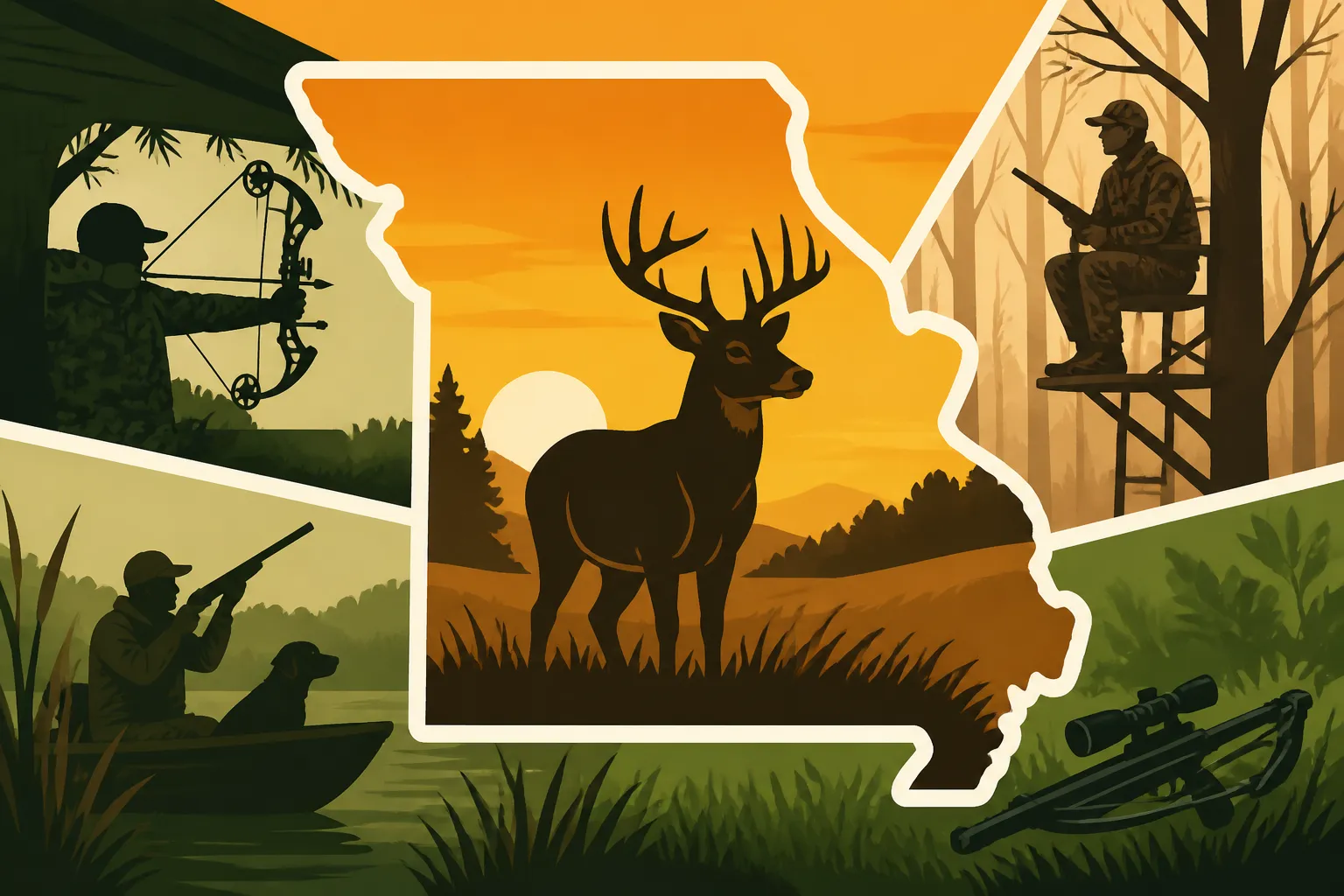
The "alternative" in its name directly refers to the types of weapons permitted. Unlike the traditional firearms portion where high-powered rifles reign supreme, this segment opens the door to a more specialized array of equipment. We're talking about muzzleloaders, various forms of archery gear, and even truly primitive options like atlatls and air-powered guns. The Missouri Department of Conservation (MDC) defines these "alternative" weapons to provide a specific hunting experience and manage the deer herd effectively in the post-rut, colder months. It’s a deliberate shift in the hunting challenge, often requiring hunters to get closer to their quarry or embrace a more traditional approach.
This distinction isn't just about weapon type; it often subtly shifts the style of hunting as well. While you can certainly sit in a stand, the limitations or unique characteristics of these weapons might encourage more still-hunting, tracking, or careful stalking. It's a fantastic time for hunters who appreciate the nuances of getting within close range of a deer, adding a layer of skill and quiet patience to the pursuit.
When Does it Take Place?
The Alternative Methods Portion typically runs for a specific, often shorter, window in late December, bridging the gap between the main firearms season and the close of the archery season. For instance, in recent years, it has fallen around the period just after Christmas, often starting around December 24th and running for about 9-10 days, usually concluding on January 1st. This timing is crucial to understand because it places the hunt squarely in the late season, with all the associated challenges and opportunities that come with colder weather and often snow-covered landscapes.
This placement means you're often hunting deer that have already been pressured by previous seasons, especially the intense November firearms portion. The rut is over, deer are often focused heavily on finding and conserving energy through food, and their patterns might be more predictable, albeit often confined to thicker cover or specific food sources. Knowing these dates helps hunters plan their vacation time, prepare their gear, and scout accordingly for the late-season conditions.
Why Does Missouri Have This Portion?
Missouri's Alternative Methods Portion serves several key purposes for the MDC. First and foremost, it provides additional hunting opportunities, extending the season for hunters who enjoy using specific types of primitive or specialized equipment. This caters to a diverse hunting community and offers another chance to fill a tag. Secondly, it's a valuable deer management tool. By allowing hunters to take additional deer, particularly antlerless deer, during this late period, it helps the MDC maintain healthy deer populations and address localized overpopulation issues, especially in counties with higher deer densities.
This season also plays a role in managing hunter crowding. While parts of the season, like the opening weekend of the November firearms portion, can see significant pressure, the Alternative Methods Portion tends to be less crowded. The specialized equipment requirements and often colder weather naturally reduce participation, providing a more solitary hunting experience for those who embrace it. For many, it's a welcome reprieve from the hustle and bustle of earlier seasons, allowing for a more focused and peaceful hunt in the winter woods.
Legal Weapons for the Alternative Methods Portion
The "alternative" nature of this season hinges entirely on the specific types of legal weapons allowed. It's vital to know these regulations inside and out to ensure you're hunting lawfully and effectively. Gone are the days of your standard centerfire rifle; this portion demands a different kind of firepower, or rather, a different method. For a deeper dive into the specific rules surrounding these tools, you might find more helpful information on Legal Weapons in the Alternative Methods Portion.
Muzzleloaders and Their Specifics
Muzzleloaders are a cornerstone of the Alternative Methods Portion, offering a blend of traditional hunting and substantial power. Missouri allows both traditional flintlock and cap-and-ball muzzleloaders, as well as more modern inline muzzleloaders. The key here is that they must be loaded from the muzzle. When it comes to projectiles, you're generally allowed to use single projectiles like patched round balls or conical bullets.
One crucial detail for muzzleloader hunters in Missouri is the sight restriction. During the Alternative Methods Portion, you are permitted to use both open sights and optical sights (scopes) on your muzzleloader. This is a significant advantage over some other primitive weapons seasons in different states or even portions of Missouri's past rules, allowing for greater accuracy at longer ranges, which can be particularly helpful in varied terrain or low light conditions. The .40 caliber minimum for deer applies to muzzleloaders, ensuring sufficient knockdown power. Preparing for this hunt often means spending time at the range, dialing in your shots, and practicing loading quickly and efficiently, especially in cold weather.
Archery Equipment
For those who love the close-range challenge of archery, the Alternative Methods Portion offers another fantastic opportunity. All standard archery equipment that is legal during the archery season is also permitted here. This includes traditional bows (recurves and longbows), compound bows, and crossbows. This is great news for archers who didn't fill their tags during the primary archery season or who simply want more time in the woods with their bow.
The same regulations regarding broadheads apply: they must have a minimum width of 7/8 inch and have at least two sharp cutting edges. Expandable broadheads are legal as long as they meet these minimum width requirements when expanded. The advantage of hunting with archery gear during this period is that deer are often in winter patterns, potentially concentrating around specific food sources, which can make them more predictable. However, the colder temperatures mean you'll need to pay extra attention to your clothing layers and how they affect your shooting form. Remember to check your draw weight and practice with your cold-weather gear on.
Atlatls and Air-Powered Guns
Now, for the truly "alternative" options that give this portion its distinctive name. Atlatls, ancient spear-throwing devices, are permitted for deer hunting during this season. While not as commonly used as bows or muzzleloaders, they represent the ultimate primitive hunting challenge. For those interested in pursuing deer with an atlatl, it requires immense skill, practice, and a keen understanding of deer behavior to get within the incredibly close range required.
Additionally, air-powered guns are also legal for deer during the Alternative Methods Portion. These aren't your backyard BB guns; we're talking about high-powered pre-charged pneumatic (PCP) air rifles designed specifically for hunting big game. To be legal for deer in Missouri, an air-powered gun must be at least .40 caliber and use a single projectile. This is a relatively newer option and provides a very quiet hunting experience, which can be advantageous in pressured areas. As with any specialized weapon, extensive practice and understanding of its ballistics are essential for ethical hunting.
Permit Requirements and Bag Limits
Navigating the permit system and understanding bag limits can sometimes feel like solving a puzzle, especially when different portions have different rules. The Alternative Methods Portion has its own set of requirements, and it's crucial to get these right before you head afield. Knowing exactly what tags you need will ensure your hunt is legal and enjoyable.
Specific Permits Needed
To participate in the Alternative Methods Portion, you'll need the correct deer permits. Typically, hunters use either an unfilled archery deer permit (if they haven't harvested all allowed deer during the archery season) or a firearms antlerless deer permit. In some counties, there might also be an "any-deer" permit available, allowing the harvest of either an antlered or antlerless deer, but this can vary year to year and by county. It's always best to check the current year's Missouri Department of Conservation (MDC) regulations booklet or their website for the most up-to-date information on permit availability and types for the specific county you plan to hunt.
Remember, even if you’re using a muzzleloader, if you’re filling an archery permit, the limits and rules for archery apply, except for the weapon itself. If you're using a firearms antlerless permit, you must adhere to the antlerless-only rule. This distinction is vital for a lawful harvest. For those looking to secure the necessary tags, a visit to Missouri Deer Permits and How to Buy One can provide a detailed walkthrough of the purchasing process.
Understanding Antlered and Antlerless Limits
During the Alternative Methods Portion, the focus is often on antlerless deer, especially in counties where deer populations are high and increased antlerless harvest is encouraged. Many hunters utilize this period to fill their antlerless tags, which are often more readily available and allow for management-focused hunting. The statewide antlerless limit applies, but county-specific regulations can allow for additional antlerless permits. It's absolutely critical to consult the MDC's county-specific regulations for the most accurate information on how many antlerless deer you can take and if antlered deer are permitted in your chosen hunting area.
The goal here isn't just about taking an animal; it's about ethical hunting and contributing to healthy herd management. Taking an antlerless deer during this late season helps to balance the herd, especially after the rut has passed and the next fawning season approaches. This makes the Alternative Methods Portion an excellent opportunity to help meet your freezer goals while also supporting conservation efforts. If you're unsure about specific county limits, checking Missouri Antlerless Deer Permits by County is always a good idea before hitting the woods.
Telecheck and Transport
After a successful harvest during the Alternative Methods Portion, the same Telecheck requirements apply as they do for other deer seasons. You must Telecheck your deer by 10 p.m. on the day of harvest. This can be done online through the MDC website or via phone. Once Telechecked, you'll receive a confirmation number that serves as your proof of harvest.
When it comes to transporting your deer, the general rules remain consistent. The head must remain attached to the carcass until it has been Telechecked and reached its final destination (such as your home or a processor). If you're transporting the deer out of a CWD Management Zone, there are specific regulations regarding the removal of the head and spinal column. Always be prepared with a good knife, game bags, and a cooler with ice, especially if you're hunting in areas where CWD testing is required or recommended. For a detailed guide on post-harvest procedures, a look at Telechecking a Missouri Deer would be incredibly helpful.
Strategies for Success During Alternative Methods
Hunting in late December and early January presents a unique set of challenges and opportunities. The deer behavior has shifted dramatically since the peak of the rut, and weather can play a huge role. Adapting your strategies to these conditions is key to success during Missouri's Alternative Methods Portion.
Hunting Pressure and Deer Movement
By the time the Alternative Methods Portion rolls around, deer in many areas have been educated by several months of hunting pressure. The intense activity of the November firearms season, followed by potential late archery pressure, means deer are often warier and have retreated to thicker, more secure cover. You won't find bucks cruising openly like they did during the rut. Instead, expect deer to be bedded in dense thermal cover during the day, only venturing out for food in low light conditions.
To counter this, focus on finding those overlooked pockets of cover – small woodlots adjacent to private land, thick briar patches, or steep, nasty hollows on public ground that most hunters walk past. Deer are experts at finding safe havens. Your best bet is to avoid areas with heavy human traffic and look for undisturbed sanctuaries. This often means walking further or hunting tougher terrain than you might during earlier seasons. Using mapping tools like GoHunt can be incredibly valuable here, helping you identify remote access points and potential bedding areas away from the crowds.
Late-Season Food Sources
With the rut over and winter in full swing, deer are in full recovery mode, prioritizing caloric intake to build back fat reserves lost during breeding and to cope with the cold. This makes food sources the absolute number one key to success. Acorns, if any remain, will still be highly attractive, especially white oaks. However, many acorns will be gone by late December.
Instead, shift your focus to agricultural fields. Standing corn or bean fields that haven't been harvested yet are deer magnets. Browse, such as greenbriar, honeysuckle, and young sprouts, becomes crucial in timbered areas. Also, don't overlook food plots on private land or conservation areas, especially those planted with brassicas, winter wheat, or cereal rye. Deer will hit these religiously. Pay close attention to trails leading from thick bedding cover directly to these late-season buffets. A good resource for understanding what deer are eating at this time is Late-Season Food Sources for Whitetails.
Weather Considerations
The weather during the Alternative Methods Portion can range from mild, crisp days to brutally cold, snowy conditions. Cold fronts and snow are your friends. Deer movement often increases significantly just before a major cold front hits, and then again once the storm passes and temperatures rise slightly. During heavy snow, deer will often yard up in protected areas and minimize movement, but once it eases, they'll be up and moving, desperately seeking food to maintain their body temperature.
Wind is another critical factor. On very cold, windy days, deer will seek shelter on leeward slopes or in thick, protected cover. Pay attention to the wind direction and how it affects both deer movement and your scent control. Dressing in layers, especially with good base layers, insulation, and a wind-blocking outer shell, is paramount. Cold weather sitting strategy becomes even more important during this time, so consider how you'll stay warm and comfortable for extended periods in a stand or blind. This is where insights from Cold Weather Sitting Strategy can be invaluable.
Public Land Tactics
Hunting public land during the Alternative Methods Portion can be very rewarding, but it demands specific tactics. Many hunters have packed it in, so pressure can be lower, but the remaining deer are often ghosts. Start by scouting heavily, either on foot or by using e-scouting tools. Look for areas with thick cover, subtle terrain features like ridge saddles and benches, and proximity to desirable food sources. GoHunt maps, for example, can help you identify these features and pinpoint overlooked areas that might be harder for others to access.
Consider using a ground blind on Missouri public land, especially if you're targeting field edges or dense cover. This provides excellent concealment and protection from the elements. Don't be afraid to walk further than most hunters are willing to go. Often, the deer are pushed deep into remote corners of conservation areas or Mark Twain National Forest. Focus on pinch points, funnels, and transition areas between bedding and feeding. A great starting point for finding these types of areas is Scouting Missouri Public Land Before Season or by studying Reading Aerial Photos for Ozark Deer.
Pros and Cons of Alternative Methods Hunting
Like any hunting season, the Alternative Methods Portion comes with its own set of advantages and challenges. Understanding these can help you decide if this late-season opportunity is right for you and how to best prepare.
Advantages for Hunters
There are several compelling reasons why hunters flock to Missouri's Alternative Methods Portion. Firstly, it offers an extended season for deer hunting. After the main firearms rush, many hunters feel a bit of a letdown, and this portion provides a valuable chance to get back into the woods, especially when the landscape is often transformed by winter.
Secondly, it presents a unique challenge. Using specialized equipment like muzzleloaders, crossbows, or even an atlatl, requires a different skillset and often brings a more traditional, close-range hunting experience. It can be incredibly rewarding to harvest a deer with these methods. Additionally, the deer are often concentrated on food sources due to winter conditions, which can make their patterns more predictable if you do your scouting homework. Finally, hunting pressure is often significantly lower than during the November firearms portion, leading to a more peaceful and solitary experience in the field. This also means deer might be less spooky than during peak pressure periods, once they've settled into winter routines.
Challenges and Considerations
While the advantages are appealing, there are certainly challenges to consider. The most obvious is the specialized gear requirement. If you don't already own a legal muzzleloader, crossbow, or other alternative weapon, there's an initial investment of time and money to acquire and learn to use it proficiently. Mastering a muzzleloader, for instance, involves understanding different powders, primers, and projectiles, along with meticulous cleaning.
Another significant challenge is the weather. Late December and early January in Missouri can be bitterly cold, often bringing ice and snow. This not only makes hunting conditions tougher for the hunter (staying warm and comfortable) but also impacts deer behavior and access. Deer might move less during extreme cold, and public land access roads could be impassable. Furthermore, deer are often warier and more nocturnal after surviving earlier seasons. They've been pressured, making them harder to pattern and approach. Lastly, this is typically a season focused heavily on antlerless harvest, so if you're solely pursuing a trophy buck, your opportunities might be more limited unless you have an "any-deer" tag.
Here’s a quick overview of the pros and cons:
| Feature | Pros | Cons |
|---|---|---|
| Season Length | Extends hunting opportunities | Shorter duration than archery or main firearms |
| Weapon Type | Unique challenge, traditional feel, quiet options | Requires specialized gear, learning curve, initial investment |
| Deer Behavior | Concentrated on food, predictable winter patterns | Warier deer due to previous pressure, potentially nocturnal |
| Hunting Pressure | Typically lower than main firearms season | Weather can deter even dedicated hunters |
| Weather | Increased deer movement before/after cold fronts | Extreme cold, snow, and ice can be challenging and dangerous |
| Bag Limits | Good opportunity for antlerless harvest | Limited antlered deer opportunity in many areas |
Tips for Getting Started
So, you've decided to tackle Missouri's Alternative Methods Portion. Great choice! It's a fantastic time to be in the woods. To ensure you have the best possible experience, a little preparation goes a long way.
Gear Preparation
First and foremost, make sure your chosen weapon is sighted in and ready to go. Whether it's a muzzleloader, crossbow, or traditional bow, practice shooting in conditions similar to what you'll encounter in the field. If you're using a muzzleloader, experiment with different loads and powders to find the most accurate combination. If it's a bow or crossbow, ensure your broadheads are flying true. For specific advice on your weapon, consider reading Alternative Methods Portion Weapon Choices.
Next, turn your attention to your clothing. This is not the time to skimp on warm layers. Think a good base layer that wicks moisture, insulating mid-layers like fleece or down, and a windproof, waterproof outer shell. Don't forget quality insulated boots, thick socks, hand warmers, and a warm hat. Being cold and uncomfortable will shorten your hunt and make it less enjoyable. Also, pack a good backpack with essentials like water, snacks, a first-aid kit, and a flashlight or headlamp – especially if you're planning on hunting deer after Christmas when daylight hours are short.
Scouting and E-Scouting
Even if you’re familiar with your hunting area, late-season scouting is crucial. Deer patterns change dramatically. Walk the timber, looking for fresh tracks in snow or mud, browsing on woody plants, and any remaining acorn sign. Pay close attention to trails leading to and from thick cover to food sources. Snow can be an invaluable scouting tool, revealing exact travel routes.
Don't underestimate the power of e-scouting from home. Utilize online mapping programs like GoHunt to analyze aerial imagery and topographic maps. Look for secluded timber pockets, draws, creek bottoms, and field edges that offer both cover and access to food. Identifying potential pinch points or funnels that deer might use to travel between bedding and feeding areas can be a game-changer. These tools allow you to explore vast areas virtually, helping you pinpoint high-potential spots before you ever step foot in the woods. This can save you countless hours of unproductive walking.
Safety First
Hunting during the Alternative Methods Portion, especially in cold weather, adds another layer of safety considerations. Always practice proper muzzleloader safety, ensuring the bore is clear and you understand how to safely load and unload. Be meticulous about identifying your target and what's beyond it, as visibility can be tricky in dense timber or falling snow.
Beyond weapon safety, prioritize personal safety in cold conditions. Let someone know where you're hunting and when you expect to return. Carry a fully charged cell phone (though service can be spotty in the Ozarks!). Pack enough water to stay hydrated, even in cold weather, and high-energy snacks. If you're using a treestand, always wear a full-body harness and use a lifeline. Hypothermia is a real risk, so be aware of the signs and don't hesitate to head back to the truck if you start feeling dangerously cold. A safe hunt is always a successful hunt.
Disclaimer
The information provided in this guide is for general informational purposes only and is not intended as legal advice. Hunting regulations and seasons in Missouri are subject to change. Always consult the current Missouri Department of Conservation (MDC) regulations booklet or their official website before participating in any hunting activity to ensure compliance with all applicable laws and regulations.