Which Counties Allow Extra Antlerless Tags
It can be incredibly frustrating trying to decipher Missouri's deer hunting regulations, especially when you're just looking to fill your freezer or contribute to herd management. Figuring out which counties allow for those much-needed extra antlerless tags can feel like hunting for a needle in a haystack, changing seemingly every year. This guide is here to untangle that confusion, walking you through exactly how to determine which counties offer additional antlerless opportunities and how to best utilize them.
Understanding Missouri's Antlerless Deer Management
Missouri has a long, proud history of deer hunting, and the deer herd is generally thriving. However, managing a healthy population means striking a delicate balance. Too many deer can lead to overbrowsing of habitat, increased vehicle collisions, and even a higher prevalence of diseases. On the flip side, too few deer, and hunting opportunities diminish, impacting tradition and local economies. This is where antlerless permits come into play, acting as a crucial tool for the Missouri Department of Conservation (MDC) to fine-tune deer numbers at a local level.
The Why Behind Antlerless Permits
Essentially, antlerless permits target female deer (does) and fawn deer without antlers. By selectively harvesting these animals, the MDC aims to manage herd growth and density. Think about it: one doe can produce multiple fawns each year, so removing does has a more significant impact on population control than removing an antlered buck. When you see a county offering "extra" antlerless tags, it's a clear signal from the MDC that they've identified that specific area as having a robust, or even overabundant, deer population that could benefit from additional harvest. This isn't just about giving hunters more opportunities; it's a scientifically backed strategy to maintain healthy ecosystems and deer populations for the long haul. Without hunters willing to participate in this critical aspect of herd management, the balance can quickly tip, leading to potential issues for both the deer and the land they inhabit.
Missouri's Deer Management Zones and Philosophy
Missouri is a diverse state, from the agricultural fields of the north to the rugged Ozark forests, and deer populations vary significantly across these landscapes. To address these regional differences effectively, the state is divided into various deer management zones. While the exact zones and their boundaries can be tweaked over time, the core philosophy remains consistent: tailor harvest regulations to the specific ecological and social conditions of each zone. For instance, counties with extensive agriculture and high deer densities might have more liberal antlerless permit allowances to mitigate crop damage and maintain herd health. In contrast, areas with lower deer densities or specific management goals might have more restrictive antlerless regulations. The MDC regularly collects data through hunter harvest reports, deer observation surveys, and biological sampling to assess these populations. This data-driven approach is what informs the yearly decisions on which counties will allow additional antlerless tags and how many will be available. You can always check the latest regulations to understand Missouri's Antlerless Deer Permits by County, as these are subject to change.
Identifying Counties with Additional Antlerless Opportunities
So, you're ready to put those extra tags to good use, but how do you actually find out which counties are participating? It's not always immediately obvious, and relying on outdated information can lead to a world of headaches. The key is to go straight to the official sources, which the MDC updates diligently each year. This information is your compass for navigating the antlerless deer season.
Where to Find the Official County List
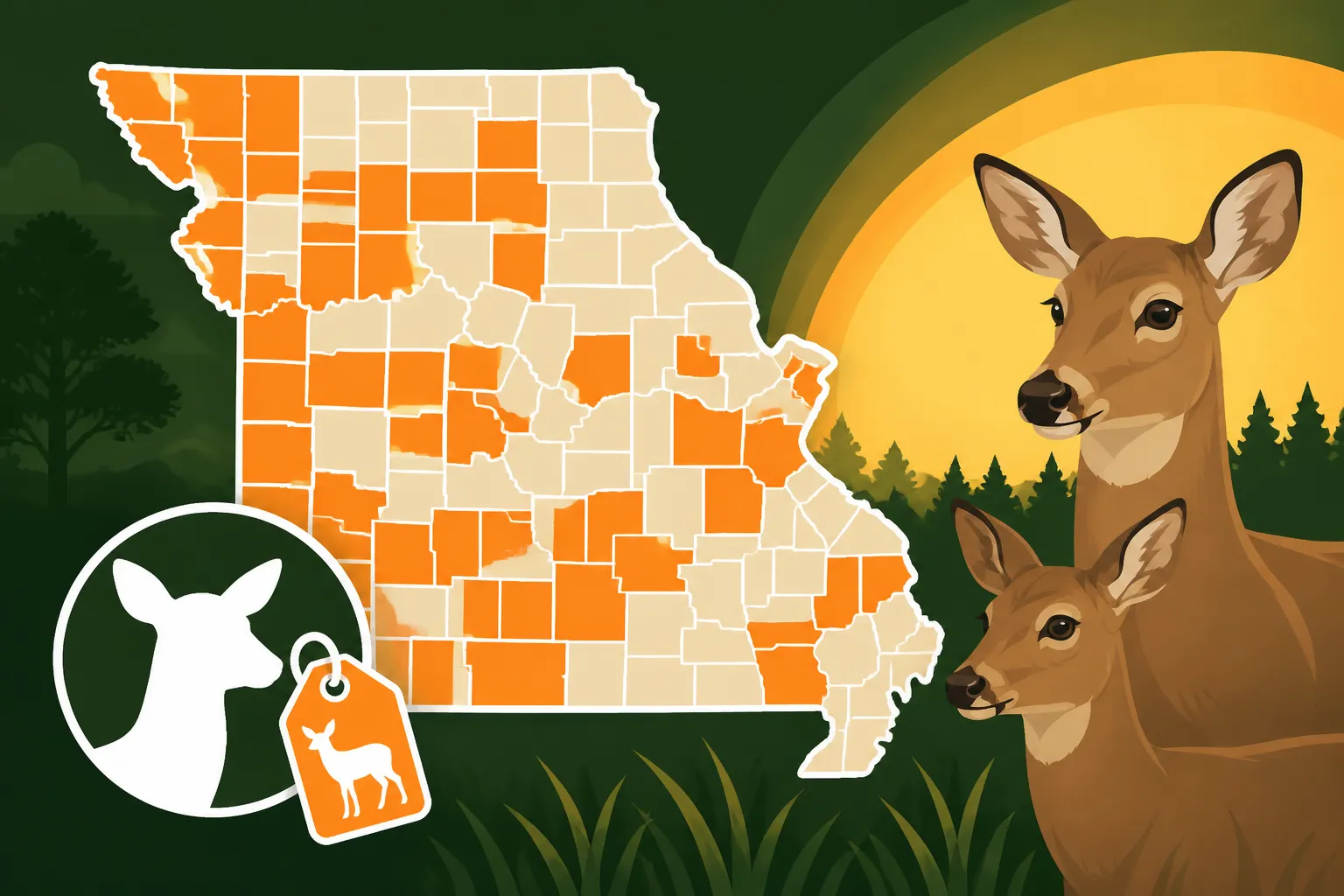
The most authoritative source for current antlerless permit regulations is the Missouri Department of Conservation's "Fall Deer & Turkey Hunting Regulations and Information" booklet, which is published annually. You can find this invaluable resource in print at permit vendors or, more conveniently, as a downloadable PDF on the MDC's official website. Within this booklet, there will be a section, often a map or a detailed list, that outlines which counties are open for additional antlerless permits. This section typically specifies the number of additional antlerless permits that can be purchased per county. For example, some counties might allow two additional antlerless permits, while others might permit up to four or more. It's crucial to consult this document every year, as regulations can shift based on population trends and management goals. Many hunters also use tools like the GoHunt app or website, which often integrate this data into their mapping and planning features, making it easier to visualize where these opportunities exist.
Factors Influencing County-Specific Regulations
The MDC doesn't just pull these numbers out of a hat. A complex interplay of biological and social factors determines which counties get more liberal antlerless opportunities. On the biological side, they look at things like deer population density, habitat carrying capacity (how many deer the land can realistically support without degradation), fawn production rates, and disease prevalence, such as Chronic Wasting Disease (CWD). If a county has a high deer population and healthy fawn recruitment, it's a strong candidate for increased antlerless harvest.
From a social perspective, concerns like agricultural damage (deer eating crops) and deer-vehicle collisions also factor into the equation. Counties with significant crop loss complaints or a high incidence of deer-related accidents often see more aggressive antlerless harvest recommendations. This holistic approach ensures that deer management benefits not only the deer herd but also the landowners and citizens of Missouri. Understanding How Missouri Antlerless Quotas Are Set can give you deeper insight into these decisions.
How to Acquire and Utilize Your Extra Antlerless Tags
Once you've identified the counties where you want to hunt, the next step is actually getting those permits in hand. The process is straightforward, but it's important to understand the details to avoid any last-minute snags that could disrupt your hunt.
Purchasing Your Antlerless Permits
Buying your Missouri Deer Permits and How to Buy One is generally a simple process. You can purchase them online through the MDC's website, via the MO Hunting app, or in person at various vendors like bait shops, sporting goods stores, or even some grocery stores. When purchasing, you'll need to specify the county where you intend to use the antlerless permit. Remember, these permits are county-specific, meaning an antlerless permit purchased for, say, Macon County, cannot be legally used in Boone County.
Missouri typically has a variety of deer permit types, including firearms and archery permits, and then specific antlerless permits that can be purchased in addition to your regular deer permits. Always double-check the "Fall Deer & Turkey Hunting Regulations and Information" booklet to ensure you're buying the correct permit for the portion of the season you plan to hunt and for the specific county. Keep in mind that there might be limits on how many antlerless permits a single hunter can purchase statewide, or within certain zones, so read those regulations carefully. The GoHunt platform often provides direct links or guidance on where to purchase permits, streamlining the process for many hunters.
Tagging and Telechecking Your Harvest
The moment of truth arrives when you successfully harvest a deer. Proper tagging and Telecheck Requirements After a Harvest are critical steps that every hunter must follow diligently. As soon as you recover your deer, you must immediately notch your permit with the month and day of harvest. This physical act legally validates your harvest and makes the animal yours. Ensure the tag is securely attached to the deer before moving it.
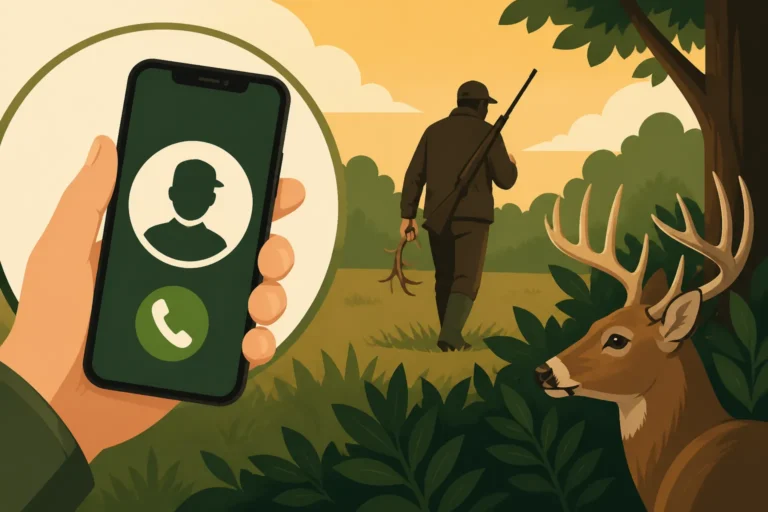
After tagging, the next crucial step is telechecking your deer. This must be done by 10:00 PM on the day of harvest, or before the deer leaves the state, whichever comes first. You can telecheck your deer online through the MDC website, using the MO Hunting app, or by calling a toll-free number. During the telecheck process, you'll provide information about your permit, the county of harvest, and the type of deer (antlered or antlerless). The system will then give you a confirmation number, which must also be written on your permit. This data is vital for the MDC's ongoing deer management efforts, providing them with real-time insights into harvest numbers and helping them make informed decisions for future seasons.
Strategic Considerations for Hunting with Antlerless Tags
Having extra antlerless tags isn't just about filling your quota; it's an opportunity to hunt strategically, enjoy more time in the woods, and contribute meaningfully to herd management. Thinking through your approach can make a big difference in your success and overall hunting experience.
Timing Your Antlerless Hunt
Missouri offers several deer season portions, each providing unique opportunities for antlerless harvest. The main Missouri Deer Season Portions Explained include the archery season, the November firearms portion, and then specific early and late antlerless portions. Often, hunters prioritize an antlered buck during the firearms season, and rightly so. However, dedicating time during the Missouri Early Antlerless Portion Tactics or the Hunting the Missouri Late Antlerless Portion can be incredibly effective for filling those antlerless tags.
During the early antlerless portion, typically in October, deer are often still on predictable food sources like acorns, soybeans, or standing corn. The weather can be milder, making for comfortable hunts. By the late antlerless portion, usually in December and January, deer are heavily focused on remaining food sources due to colder temperatures and depleted forage. Knowing the Late-Season Food Sources for Whitetails will be key during these times. Targeting does during these specific portions reduces pressure on bucks during the rut and allows you to enjoy extended hunting opportunities without the crowds of the main firearms season. Plus, deer meat from an antlerless deer is often considered prime table fare.
Ethical Harvest and Herd Health
Utilizing extra antlerless tags responsibly is a cornerstone of ethical hunting and effective wildlife management. When you're out there, remember the goal is not just to shoot any deer, but to make a clean, ethical harvest. This means being proficient with your weapon, understanding shot placement, and only taking shots that offer a high probability of a quick, humane kill. Practice at the range with your chosen gear – whether it's your bow, rifle, or muzzleloader – to ensure you're ready when the moment comes.
Beyond the shot, proper Field Dressing and Cooling in Early-Season Heat is vital, especially if you're hunting during warmer early antlerless periods. Getting that deer cooled down quickly preserves the meat quality. By focusing on antlerless deer, especially in counties designated for increased harvest, you're directly helping to balance the local deer population, alleviate pressure on natural resources, and ensure a healthier herd overall. This also means more robust deer for future generations, including those impressive antlered bucks everyone dreams of. It’s an integral part of White-Tailed Deer Across Missouri thriving for years to come. Remember to use your GoHunt app to mark the location of your shot and the deer’s path, which can be invaluable for recovery. When you commit to a harvest, you commit to all aspects of it, including careful retrieval and processing.
Table: Example Antlerless Permit Availability (Subject to Annual Changes)
Here's a generalized example of how counties might be categorized regarding additional antlerless permits. Always consult the current MDC regulations for the most accurate and up-to-date information. This table is illustrative, not exhaustive.
| County Type/Region | Typical Antlerless Permit Allowance (Beyond Statewide) | Example Counties (Illustrative) | Primary MDC Management Goal |
|---|---|---|---|
| High Deer Density/Farm Country | 2-4 Additional Antlerless Permits | Nodaway, Macon, Callaway, Pike | Reduce agricultural damage, control population growth |
| Moderate Deer Density/Mixed Habitat | 1-2 Additional Antlerless Permits | Boone, Osage, St. Clair, Texas | Maintain stable population, provide ample harvest |
| Lower Deer Density/Ozark Hills | Limited or No Additional Antlerless Permits | Carter, Shannon, Reynolds, Wayne | Promote population growth, protect habitat, stabilize herd |
| CWD Management Zones | Variable, often higher allowances | Franklin, Adair, Jefferson, Lincoln | Reduce disease spread, CWD monitoring |
Note: "Statewide" permits typically allow for one antlered deer and one antlerless deer to be harvested during the relevant portions. "Additional antlerless permits" are those purchased on top of this statewide allowance for specific counties.
Disclaimer
The information provided in this guide is for general informational purposes only and is based on general knowledge of Missouri hunting regulations. Hunting regulations, permit requirements, and county-specific rules can change annually. It is the hunter's sole responsibility to consult the official Missouri Department of Conservation (MDC) regulations booklet or website for the most current and accurate information before participating in any hunting activity. Failure to do so may result in legal penalties.