Missouri Turkey Shooting Hours
There's nothing quite like the sound of a gobbler hammering on the roost in the pre-dawn stillness, but for us Missouri turkey hunters, the excitement of that moment often comes with a nagging question: "Can I shoot yet?" Misjudging legal shooting hours is an all-too-common stressor and a serious violation. This comprehensive guide is here to untangle the specifics of Missouri's turkey shooting hours, helping you understand the rules, why they exist, and how to effectively hunt within them to keep you legal and maximize your chances for success.
Understanding Missouri's Legal Shooting Hours for Turkeys
Navigating the exact times you can legally harvest a wild turkey in Missouri is crucial, and it’s one of those details that can change slightly between seasons or specific portions. It's not just about when the sun feels like it's up; it's about official regulations designed for safety and fair chase.
Spring Turkey Season Morning Cutoff
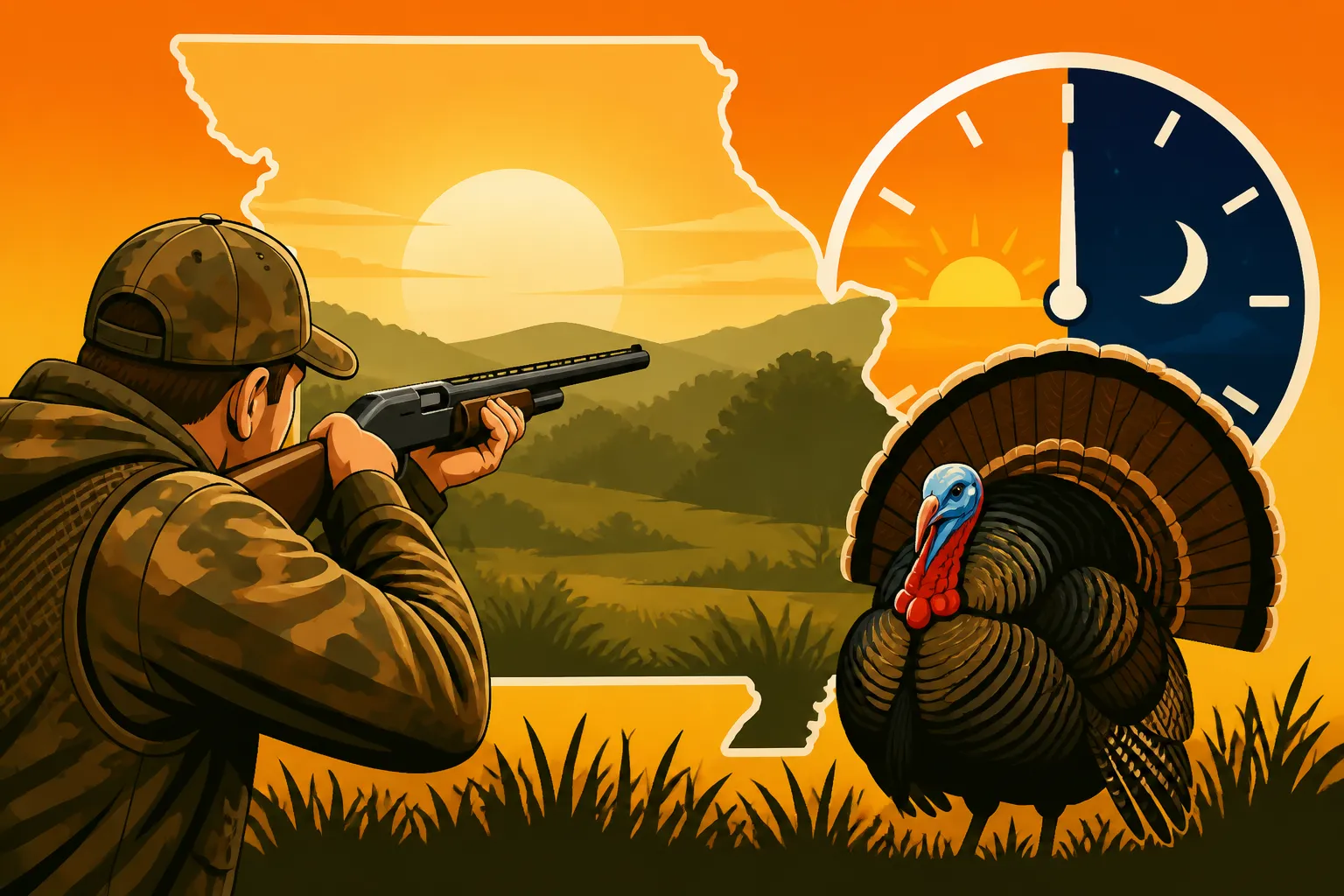
For the spring turkey season in Missouri, both during the regular season and the Youth Turkey Weekend Rules, the legal shooting hours begin one-half hour before sunrise and conclude precisely at 1:00 PM Central Daylight Time. This 1 PM hard stop is arguably the most critical and distinct rule for spring turkey hunters. It's not a suggestion; it’s a strict cutoff. You absolutely must cease hunting efforts and ensure any bird you harvest is shot before that minute ticks over. This means if you're stalking a bird at 12:55 PM, and it steps behind a tree, and by the time it reappears it's 1:01 PM, you must put your gun down. It can feel frustrating, especially if a gobbler is finally committing, but adhering to this rule is paramount.
The "half-hour before sunrise" can also be tricky. It doesn't mean when you first see light creeping over the horizon. It refers to the official sunrise time published by the U.S. Naval Observatory or commonly found on weather apps and official Missouri Department of Conservation (MDC) resources. These times are location-specific, so what's legal in St. Louis might be slightly different than in Kansas City or the Ozarks. Always check the sunrise time for your specific hunting location. Many hunters use a reliable app like GoHunt to track precise sunrise and sunset data, which can be invaluable when planning your morning setup.
Fall Turkey Season Flexibility
The fall turkey season in Missouri operates under a different set of legal shooting hours, offering a bit more flexibility for hunters. During both the fall firearms and archery portions, the legal shooting hours extend from one-half hour before sunrise until sunset. This allows for a full day of hunting, accommodating the different tactics often employed in the fall, such as breaking up flocks or still-hunting through timber. The absence of the 1 PM cutoff fundamentally changes how you approach the hunt in autumn.
Just like in spring, "one-half hour before sunrise" refers to the official sunrise time. However, the extended afternoon allows you to hunt through what would be the quietest parts of the spring day. This means if you're out Hunting Missouri's Fall Turkey Season, you can pursue birds all the way until the last vestiges of daylight fade. This gives you ample opportunity to locate birds late in the day as they head to roost or to capitalize on midday feeding patterns that might be less productive in spring.
Let's quickly compare the core hours for clarity:
| Season Portion | Start Time | End Time | Notes |
|---|---|---|---|
| Spring Archery/Firearms | 1/2 hour before official sunrise | 1:00 PM | Strict 1 PM cutoff. |
| Fall Archery/Firearms | 1/2 hour before official sunrise | Official sunset | Full day of hunting allowed. |
| Youth Portions | Follows respective season rules | Follows respective season rules | Typically 1/2 hour before sunrise to 1:00 PM in Spring Youth. |
The Logic Behind the Clock: Why These Rules Exist
It’s easy to feel constrained by hunting regulations, but understanding the biological and ethical reasons behind rules like specific shooting hours can help you appreciate their importance. These aren’t arbitrary lines in the sand; they're carefully considered decisions by wildlife managers.
Ethical Hunting and Fair Chase Principles
The 1 PM cutoff in spring turkey season, in particular, is largely rooted in fair chase ethics. Missouri's spring season is focused on harvesting gobblers (bearded turkeys), and the early morning hours, when turkeys are most vocal and actively seeking hens, are considered the most sporting time to pursue them. By limiting the hunting day, the MDC aims to prevent hunters from sitting over known food plots all day or trying to intercept turkeys heading to roost in the late afternoon. This restriction encourages more active, strategic hunting during the prime strutting and gobbling periods.
It also discourages the practice of "roost shooting," which is generally considered unethical. Calling a Missouri Gobbler Off the Roost is part of the challenge and reward of spring hunting. If hunters could sit all day, the temptation to ambush birds going to or coming off the roost would be much higher, potentially leading to less sporting harvests and increased pressure on the turkey population outside of traditional hunting methods.
Turkey Biology and Behavior Patterns
Wild turkeys, especially gobblers during the spring breeding season, have very predictable daily routines. They typically fly down from their roosts around sunrise, gobble and strut to attract hens, and then spend the mid-morning feeding and breeding. By 1 PM, much of this intense activity has often subsided. Gobblers may be "henned up," meaning they’ve found hens and are less responsive to calls, or they might be silently feeding.
Limiting the hunting hours to 1 PM helps manage the intensity of hunter pressure during this critical breeding period. While a turkey might respond to a call in the afternoon, the highest percentage of ethical, fair chase opportunities occur in the morning. Extending hours could lead to more non-selective harvesting, increased stress on the birds, and a reduction in the overall quality of the hunting experience. For example, if you're trying to hunt a field edge for turkeys, understanding their midday habits is key, but the spring rules guide you to focus your efforts on those prime morning hours.
Hunter Safety and Target Identification
Another vital, albeit less discussed, reason for specific shooting hours is hunter safety. The "one-half hour before sunrise" rule ensures there's enough ambient light for hunters to clearly identify their target. In the low light of early dawn, it can be challenging to differentiate between a gobbler and a hen, especially if the bird isn't fully visible or you're hunting in thick timber. Since the Missouri Spring Turkey Bag Limit is often limited to bearded birds, clear identification is non-negotiable.
This rule significantly reduces the risk of accidental shootings or mistaken identity, which are paramount concerns in any hunting season. The MDC, as part of Missouri Hunter Education Requirements, emphasizes positive target identification, and legal shooting hours directly support this safety principle.
Practical Strategies for Hunting Within Legal Hours
Knowing the rules is one thing, but applying them effectively in the field is where experience comes in. Crafting a strategy that respects Missouri's turkey shooting hours can greatly improve your success and ensure you stay on the right side of the law.
Mastering the Morning Window
In spring, that precious window from half-hour before sunrise to 1 PM is your prime time. This means preparation is key. You need to be in your setup well before legal shooting light begins. This often involves a quiet, stealthy approach in the dark, finding a good vantage point, and getting comfortable. Whether you're planning to aggressively call a gobbler off the roost or patiently wait for birds to pitch down into a field, being settled and ready is crucial. Many seasoned hunters utilize scouting reports from apps like GoHunt to pinpoint roosting locations or likely travel corridors before the hunt, enabling them to make a silent, efficient entry.
Once legal light hits, it's go-time. This is when you should be focused on executing your calling sequences. If a gobbler is talking on the roost, you might be trying to pull him down to your position. If you're on public land, you might be employing Run-and-Gun Turkey Tactics in the Missouri Ozarks, covering ground and calling intermittently to locate a responsive bird. Don't waste time; be aggressive but smart, and adapt to the turkeys' behavior.
The Art of the 1 PM Cutoff
The 1 PM spring cutoff forces a disciplined approach. You might have a bird working, strutting just out of range, but when that clock hits 1 PM, you have to pack up. There's no negotiating with the clock. It's incredibly important to wear a watch or have your phone set with an alarm. Many hunters keep a dedicated hunting watch or use their GoHunt app to constantly monitor the time. As the hour approaches, start mentally preparing for the end of the hunt.
If a bird is coming in hot at 12:45 PM, you have a short window. If it doesn't present a clean, ethical shot before 1 PM, you need to be prepared to let it walk. This discipline is a hallmark of ethical hunting. After 1 PM, don't linger. Carefully extract yourself from your hunting spot, making as little disturbance as possible. This is also a fantastic time to scout for the next morning, identifying fresh sign, strut zones, or potential roosting areas for your next setup, whether that's Setting Up Against a White Oak or moving to a different ridge.
Leveraging Full-Day Fall Hunting
The fall season's full-day hunting offers a completely different dynamic. Without the 1 PM restriction, you can employ a wider range of tactics. Midday, which is often dead in spring, can be productive in the fall, especially if you're targeting flocks that have been broken up. Turkeys might be actively feeding throughout the day, so knowing Late-Season Food Sources for Whitetails (which often overlap with turkey foods) can be useful.
This extended time also allows for longer-distance scouting and repositioning. If birds aren't responding in one area, you have the entire day to move to another. It's less about the intense, quick morning rush of spring and more about patience and persistence over longer periods. You can dedicate more time to Turkey Tactics for Crop Country or deep woods exploration without feeling rushed by the clock.
Common Misconceptions and What Not to Do
Even experienced hunters can sometimes fall prey to misunderstandings or make common mistakes regarding turkey shooting hours. Being aware of these pitfalls can save you from a citation or, worse, an unethical harvest.
Misinterpreting "Sunrise" and "Sunset"
One of the most frequent errors hunters make is using their own visual interpretation of "sunrise" or "sunset" instead of the official times. Just because you can see light in the sky doesn't mean it's half an hour before official sunrise. Likewise, just because the sun has dipped below the horizon doesn't mean it's officially sunset. These times are scientifically calculated for a specific location and date.
Always, always consult a reliable source for official sunrise and sunset times for your exact hunting zone. The MDC website is a great resource, and many quality hunting apps, including GoHunt, integrate this data seamlessly into their mapping and planning tools. Don't guess, and don't rely on general news forecasts for the entire state. A few minutes off can be the difference between a legal harvest and a violation.
The Lure of the "Just a Few More Minutes" Shot
The temptation to take a shot just outside legal hours, especially when a long hunt is finally culminating in a turkey at range, is a powerful one. Resist it. Shooting even a minute after 1 PM in spring, or a minute before half-hour pre-sunrise, is a violation of state law. The penalties can be severe, including fines, permit suspension, and even confiscation of your equipment. It's simply not worth the risk.
Part of being a responsible hunter is knowing when to call it quits, even if it's hard. Plan your hunt so that you're well within the legal window, and always err on the side of caution. If you're checking your watch and it's a borderline situation, let the bird walk. There will be other days, and upholding the integrity of the sport is more important than one bird.
Not Checking Current Regulations
Wildlife regulations are not static. While the core shooting hours tend to be consistent year after year, minor changes or special provisions can occur. Always check the current year's Missouri Department of Conservation (MDC) Spring and Fall Turkey Hunting Regulations summary booklet before you head afield. This ensures you have the most up-to-date information on all aspects of the hunt, including not just shooting hours, but also Missouri Turkey Telecheck Rules, bag limits, and any other pertinent rules. Relying on what you remember from last year, or what your buddy told you, is a recipe for trouble. Being current on regulations is also critical for understanding other specific rules, like those governing Decoy Placement for Pressured Birds or even the types of weapons allowed.
Disclaimer
Please remember that hunting regulations can change. Always consult the official Missouri Department of Conservation (MDC) regulations for the current season before heading afield. This guide is for informational purposes only and should not be considered a substitute for the official legal requirements.