Missouri Bobcat and Otter Tagging
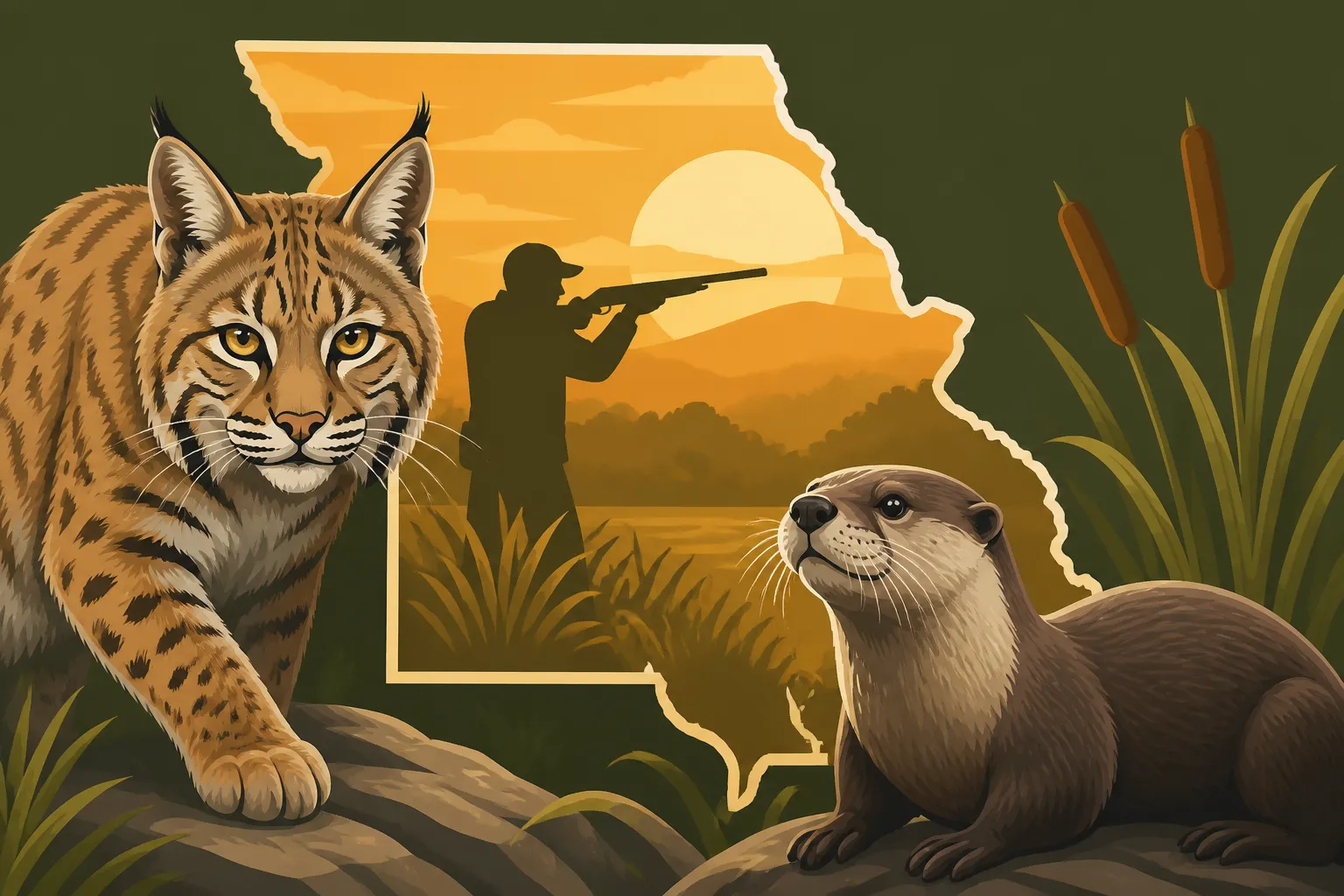
Navigating the specific rules and regulations for furbearers in Missouri can sometimes feel like trying to untangle a knot of fishing line after a long day on the river. Many hunters and trappers, especially those new to pursuing species like bobcats and otters, find themselves scratching their heads over what's required after a successful harvest. It’s a common point of confusion, but understanding the tagging process for bobcats and otters is absolutely crucial, not just for legal compliance, but for contributing to the health of these fascinating wildlife populations. This guide will walk you through every aspect of Missouri's bobcat and otter tagging rules, ensuring you're prepared for your next season.
Understanding the 'Why' Behind Missouri's Furbearer Tagging
It's easy to look at a regulation like tagging and just see it as another hoop to jump through, but there's a really good reason why the Missouri Department of Conservation (MDC) has these rules in place. It all boils down to careful, science-based wildlife management, ensuring these valuable furbearer populations remain healthy and abundant for future generations to enjoy.
The Role of Conservation and Data Collection
Think of tagging as a vital piece of the puzzle that helps wildlife biologists understand what's happening with bobcats and otters across the state. When you present an animal for tagging, MDC staff collect crucial data: the date of harvest, the county where it was taken, the sex of the animal, and sometimes even biological samples for disease monitoring or age analysis. This isn't just busywork; it's the foundation of sound conservation.
Without this data, the MDC wouldn't be able to accurately assess population trends. Are bobcat numbers increasing or decreasing in certain regions? Is the otter population stabilizing after its incredible comeback? This information directly influences decisions about season lengths, bag limits, and overall management strategies. It’s a cyclical process: data is collected, analyzed, regulations are adjusted, and then more data is collected. This commitment to long-term sustainability is why Missouri's wildlife resources are so robust, and your compliance with tagging plays a direct role in that success. It ensures that opportunities like Trapping Furbearers in Winter remain viable for all of us.
Ensuring Fair Chase and Legal Harvest
Beyond the biological data, the tagging requirement serves as a critical measure to ensure ethical and legal hunting and trapping practices. By requiring that each harvested bobcat and otter receives an official tag, the MDC creates a clear system of accountability. This helps to prevent individuals from exceeding their legal bag limits, engaging in illegal commercial trade of furs, or taking animals outside of the established seasons.
This system also acts as a deterrent against poaching, which unfortunately can threaten even healthy wildlife populations. When every legally harvested furbearer is accounted for, it becomes much harder for illegal activities to go unnoticed. For licensed hunters and trappers, adhering to these rules reinforces a commitment to fair chase and responsible stewardship, helping to maintain public trust and preserve the rich heritage of furbearer pursuits in Missouri. It's about respecting the resource and the laws designed to protect it.
Missouri's Bobcat Tagging: Rules and Process
Bobcats are elusive and fascinating creatures, and pursuing them offers a unique challenge. However, once you've successfully harvested one, the work isn't quite done. Understanding the specific tagging requirements for bobcats is paramount to staying within the bounds of Missouri law.
Bobcat Season Dates and Harvest Limits
Missouri typically offers a combined hunting and trapping season for bobcats, allowing for both methods of take. The season generally opens in mid-November and runs through January or early February. It’s a relatively generous season, reflecting healthy populations across much of the state, particularly in timbered areas and Coyotes and Bobcats on Farm Country. However, hunters and trappers must always consult the most current Missouri Department of Conservation (MDC) Wildlife Code for precise dates, as they can shift slightly year to year.
The statewide bag limit for bobcats is typically generous, often allowing for multiple animals per permit holder, but it's essential to confirm this specific number annually. For instance, in a recent year, the combined hunting and trapping limit might have been, say, five bobcats per season. This limit applies to the individual hunter or trapper, regardless of how many permits they possess or which method they use. It's crucial to Telecheck your bobcat within the required timeframe after harvest, as this is the first step in reporting your take before the physical tagging process.
The Bobcat Tagging Procedure
Once you’ve successfully harvested a bobcat and completed the required Telecheck, the next critical step is getting it physically tagged. This is not optional; every bobcat taken in Missouri must be presented to an authorized agent of the Missouri Department of Conservation for tagging. You cannot simply keep the bobcat without this official tag. The deadline for tagging is usually within a few days after the close of the statewide bobcat season, which gives you a window to get your furbearer in, even if you harvest it on the last day.
To get your bobcat tagged, you'll need to locate an MDC regional office or an authorized tagging agent. These agents are often taxidermists or fur buyers who are specially certified by the MDC to issue the tags. You'll need to bring the bobcat carcass or pelt, along with your valid permit and Telecheck confirmation number. The agent will physically attach a locking tag to the pelt, which must remain with the hide until it is processed into a finished product or shipped out of state. It's a system designed to keep thorough records and track movement. GoHunt users often find their platform useful for quickly locating nearby MDC offices or authorized agents, saving valuable time during this crucial period.
Legal Harvest Methods for Bobcats
While the primary focus here is tagging, it’s worth a quick mention of the legal methods to ensure your bobcat harvest is compliant from start to finish. Bobcats can be legally harvested in Missouri through hunting (using firearms, archery equipment like bows or crossbows, or even certain air guns) and trapping. Each method has its own specific rules regarding equipment, baiting, and placement, which are detailed in the Missouri Wildlife Code.
For example, when hunting, you must adhere to legal shooting hours, and if using a firearm, ensure it's a legal caliber for furbearers. Trappers, meanwhile, must follow strict regulations on trap types, size, setting locations, and checking intervals. Understanding these foundational rules before you even head into the woods or fields ensures that when you do make a successful harvest, the subsequent tagging process is just a straightforward final step in an otherwise legal and ethical endeavor. Always double-check current regulations to avoid any unforeseen issues.
Navigating Missouri's Otter Tagging Requirements
River otters represent one of Missouri's great conservation success stories, having been successfully reintroduced and managed to healthy populations. Their protection and management are taken very seriously, which is why their tagging requirements are just as stringent, if not more so, than those for bobcats. Learning about the Missouri River Otter Comeback highlights the importance of these regulations.
Otter Season Dates and Harvest Limits
The season for taking river otters in Missouri is almost exclusively through trapping, reflecting their aquatic nature and the management goals for the species. The trapping season typically runs concurrently with other furbearers, often opening in mid-November and extending into late January. Given the incredible recovery of the species, the MDC manages otter harvest carefully to ensure sustained population health.
The statewide bag limit for otters is generally more conservative than for bobcats, often set at a lower number per trapper per season. This reflects the MDC's ongoing commitment to managing a species that was once extirpated from the state. Just like bobcats, any otter harvested must be Telechecked first, which immediately records your take with the MDC. Always double-check the current Wildlife Code for the exact season dates and bag limits before you set your first trap, as these details are critical.
The Otter Tagging Procedure
The tagging process for otters mirrors that of bobcats in its strictness and importance, but with an even greater emphasis on compliance due to the species' conservation history. After a successful harvest and completion of your Telecheck, your otter must be presented to an authorized MDC agent for physical tagging. This is not just a recommendation; it's a legal mandate for every otter taken in Missouri. The deadline for otter tagging is generally the same as for bobcats – typically within a few days following the close of the statewide trapping season.
When you bring your otter to an MDC office or authorized agent, they will verify your permit, Telecheck confirmation, and the animal itself. A locking tag will then be affixed to the pelt. This tag is crucial for tracking the otter throughout its journey from trapper to fur buyer or taxidermist. It’s part of a robust system designed to monitor harvest and prevent any illegal activities that could jeopardize the population. Because of their significant conservation history, the MDC maintains particularly close tabs on otter harvests, so prompt and accurate tagging is incredibly important.
The Importance of Otter Management
The successful return of river otters to Missouri is a true testament to dedicated conservation efforts, including reintroduction programs and habitat restoration. The tagging requirement is a direct continuation of this stewardship. Each tag issued provides valuable data that helps the MDC track the health and distribution of the Missouri Otter and Beaver Recovery. This information allows biologists to assess how well the population is doing, whether harvest levels are sustainable, and if any regional trends need specific attention.
Without this meticulous data collection, it would be much harder to make informed decisions about managing otters. It helps prevent overharvest in any particular area and ensures that the species continues to thrive across its historical range. For trappers, participating in this process isn't just about following rules; it's about being an active partner in a conservation success story, contributing directly to the ongoing health and abundance of Missouri’s otter population.
Common Questions and Overlooked Details
Even with the best intentions, the specifics of furbearer regulations can sometimes feel like a labyrinth. Let’s clear up some of the most common questions and ensure no critical detail is overlooked when it comes to bobcat and otter tagging in Missouri.
Permit Requirements for Furbearer Hunters and Trappers
Before you even think about harvesting a bobcat or otter, you need to ensure you have the correct permits in hand. In Missouri, to legally pursue furbearers, you'll generally need a Small Game Hunting Permit if you intend to hunt them with a firearm or bow, or a Trapping Permit if you plan to use traps. Many individuals who target furbearers often purchase a Missouri Fall Turkey and Small Game Permits which covers a broad range of hunting opportunities including small game and furbearers.
Non-residents also need to be aware of their specific permit requirements, which might differ in cost and type from resident permits. It's always a good idea to secure your permits well in advance of the season. Remember, these permits are what grant you the privilege to hunt or trap, and failing to have the correct one is a serious violation that can lead to fines and loss of privileges. The MDC website, local permit vendors, and the MO Hunting app are all excellent resources for purchasing and managing your permits. The Missouri Furbearer Permit Basics can offer more insights into the specific licenses required.
Deadlines, Locations, and Utilizing Technology
Let’s be honest, life gets busy, and remembering exact deadlines can be tough. But when it comes to bobcat and otter tagging, these deadlines are non-negotiable. As mentioned, the physical tagging usually needs to be completed within a few days after the close of the statewide furbearer season, not the day you harvest the animal. Mark these dates on your calendar, set phone reminders, or even use a hunting planning app like GoHunt to keep track.
For locations, the MDC maintains a list of regional offices and authorized private agents (like taxidermists and fur buyers) who can perform the tagging. It's wise to identify your closest tagging location before the season even opens. The MDC’s website offers a search tool for this. Don't wait until the last minute, especially if you harvest an animal late in the season; you don't want to find yourself scrambling to find an open agent. Utilizing technology like the MDC's official website or the What the MO Hunting App Does can make the process much smoother, from purchasing permits to finding tagging locations.
Here's a quick comparison of key aspects:
| Feature | Bobcat Tagging | Otter Tagging |
|---|---|---|
| Primary Method | Hunting & Trapping | Primarily Trapping |
| Season Dates | Mid-November to late January/early February | Mid-November to late January |
| Bag Limit | Typically 5 (check current regulations) | Typically 2 (check current regulations) |
| Initial Report | Mandatory Telecheck | Mandatory Telecheck |
| Physical Tagging | Required for every animal | Required for every animal |
| Tagging Deadline | Within days after season close | Within days after season close |
| Tagging Locations | MDC offices, authorized agents | MDC offices, authorized agents |
| Conservation Context | Managed population, data for sustainability | Successful reintroduction, careful monitoring |
What Happens if You Don't Tag?
Ignoring the tagging requirements for bobcats and otters is not a minor oversight; it's a serious violation of Missouri's Wildlife Code. The consequences for failing to tag a harvested furbearer can range from significant monetary fines to the loss of hunting and trapping privileges for a period of time. In more severe cases, or for repeat offenders, charges could escalate.
The MDC takes these regulations seriously because they are fundamental to effective wildlife management and maintaining fair opportunities for all legal hunters and trappers. It's not worth risking your permits, your reputation, or a hefty penalty for trying to skip this final, crucial step. If you're unsure about any aspect of the process, it's always best to contact your local MDC office before the deadline. Ignorance of the law is rarely an acceptable defense, and the MDC is generally willing to assist hunters and trappers who genuinely seek to comply. Understanding Missouri Wildlife Violation Penalties can provide a sobering perspective on the importance of adherence. For any suspected illegal activity, remember you can always assist by Reporting a Poacher in Missouri.
Disclaimer
Please note that hunting and trapping regulations, including permit requirements, season dates, and tagging procedures, can change annually. It is the responsibility of every hunter and trapper to consult the most current Missouri Department of Conservation (MDC) Wildlife Code and official publications before participating in any hunting or trapping activities. The information provided in this article is for general guidance and informational purposes only and should not be considered legal advice or a substitute for official MDC regulations.