Missouri Hunter Education Age Requirement
Navigating the rules and regulations around hunting can sometimes feel like trying to untangle a fishing line after a big snag, especially when you're trying to figure out what's required for yourself or a younger hunter just starting out. It’s easy to get confused about who needs what, and when. This comprehensive guide is here to clear up all the mystery surrounding Missouri's hunter education age requirement, ensuring you understand exactly what you need to do to stay legal and safe in the field.
Understanding Missouri's Hunter Education Basics
When you're eager to get out into Missouri's woods or fields, whether for deer, turkey, or small game, one of the first things you'll encounter is the hunter education requirement. It's a foundational piece of responsible hunting, designed to keep everyone safe and to ensure the longevity of our hunting traditions.
Why Hunter Education Matters
Let's be real, nobody wants an accident in the field. Hunter education isn't just a hurdle you jump over to get a permit; it's genuinely about safety first. These courses cover critical aspects like firearm safety, ethical hunting practices, wildlife identification, conservation principles, and even basic first aid. It's about instilling a sense of responsibility and respect for wildlife and the land we hunt on. Think about it: a hunter who understands safe firearm handling, knows how to identify legal game, and practices ethical shot placement is a benefit to everyone, including the animals themselves. It helps prevent unfortunate incidents and ensures that the public continues to support hunting as a valuable management tool. Plus, knowing the rules helps you avoid costly mistakes and potential violations, which can really put a damper on your outdoor adventures.
Who Needs Hunter Education
The general rule of thumb in Missouri is fairly straightforward, but it has some important nuances. If you were born on or after January 1, 1967, you are generally required to complete an approved hunter education course to hunt alone with a firearm or archery equipment. This applies across the board, whether you're chasing deer during Missouri's November firearms deer season or drawing back a bow during Bowhunting Missouri's Four-Month Archery Season. However, there are some significant exceptions. For instance, if you're hunting exclusively on land you own or lease, the hunter education requirement doesn't apply to you. This is often a relief for landowners who simply want to manage wildlife on their property without additional coursework. The state also recognizes hunter education certifications from other states or countries, so if you're moving to Missouri or just visiting, your previous certification might still be valid. We'll delve deeper into the specifics for different age groups in the next section, but it's important to remember this January 1, 1967, date as your primary benchmark.
Navigating the Age-Specific Requirements
Missouri has thoughtfully structured its hunter education requirements to encourage new hunters, especially youth, while maintaining high safety standards. It’s not a one-size-fits-all approach, and understanding the pathways for different ages is crucial.
Hunters Under 16: The Apprentice System and Certification
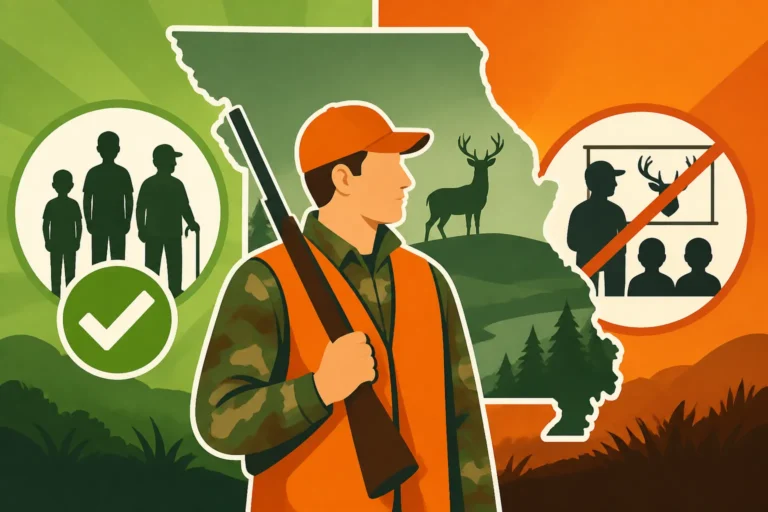
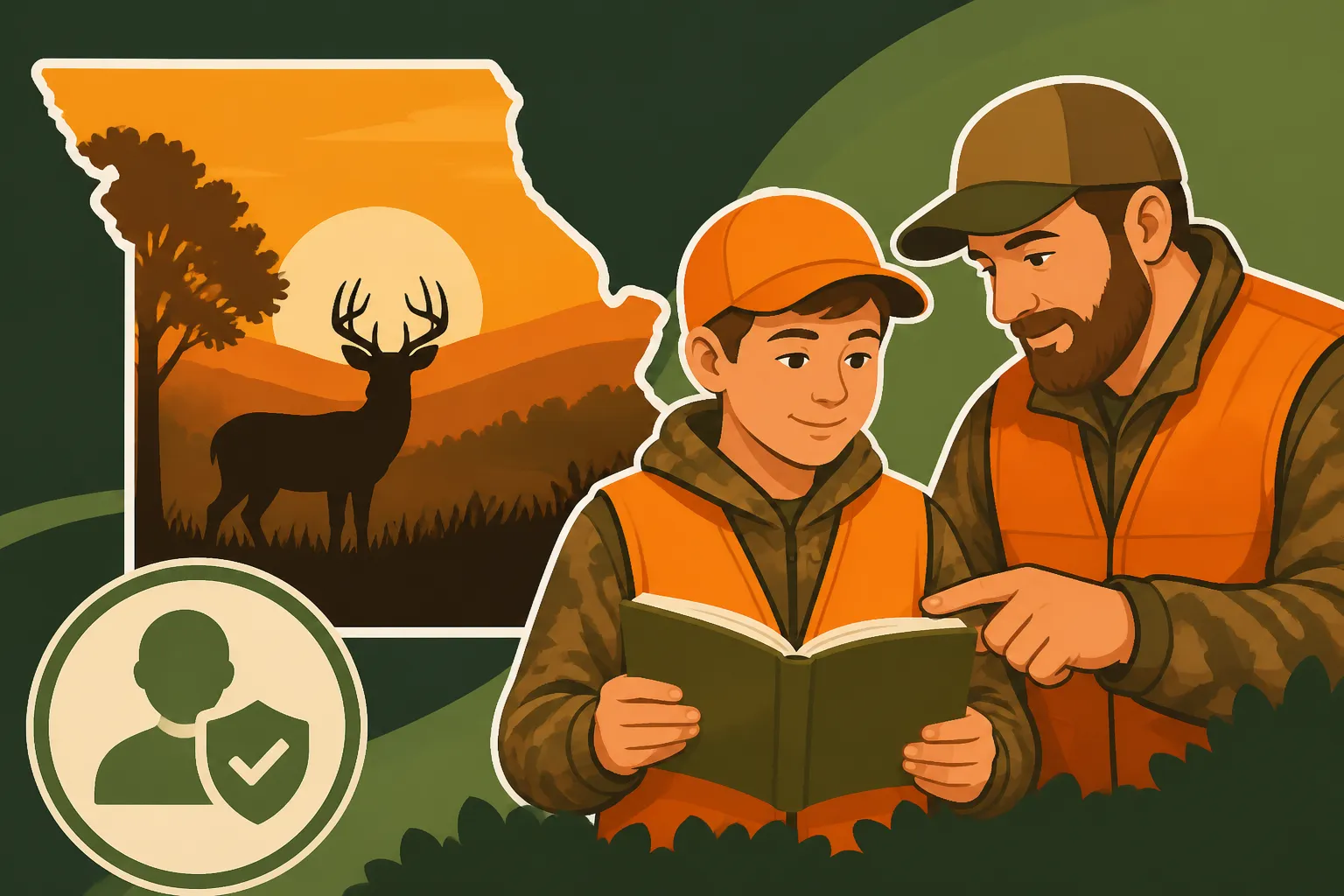
This is where Missouri really shines in encouraging young hunters. If you have a child, grandchild, or mentee under the age of 16 who is eager to hunt, they have a fantastic option before needing full certification: the Apprentice Hunter Authorization. This system allows individuals who are at least 6 years old to hunt without having first completed a hunter education course. The catch, and it's a vital one, is that they must hunt with a properly licensed and hunter-education-certified adult mentor. This mentor isn't just there for company; they need to be within arm's reach of the apprentice hunter at all times, providing direct, hands-on supervision.
Think of it like learning to drive a car with a permit: you've got to have an experienced, licensed driver right there with you, ready to take over if needed. This "Apprentice Hunter Authorization" is a great way to introduce someone to hunting, letting them experience the field, learn safe practices firsthand, and see if it's something they truly love before committing to a full hunter education course. Many seasoned hunters utilize this to pass on their knowledge and passion, often during Youth Portion Strategy in Missouri or other youth-specific seasons. It's truly an invaluable tool for mentorship and recruitment into our hunting community. However, it's important to note that this authorization isn't a permanent solution. Once an apprentice hunter turns 16, they'll generally need to complete the full hunter education course to continue hunting alone with a firearm or archery equipment.
Hunters 16 and Older: Mandatory Certification Rules
Now, if you're 16 years old or older and were born on or after January 1, 1967, the rules become a bit more black and white. For you, completing an approved hunter education course is generally mandatory if you plan to hunt independently with a firearm or bow. This means if you're planning a solo trip to a Conservation Area, or even just heading out to a friend's private land without direct supervision, you'll need that certification card in your pocket. This requirement is in place because at 16, you're considered mature enough to make independent decisions in the field, and the state wants to ensure those decisions are informed by safety and ethics.
It's not just about firearms, either. Even if you're a dedicated bowhunter targeting deer, the requirement still stands. So, if you're planning your first independent Treestand Setups in Hardwood Timber or scouting a new spot using tools like GoHunt to analyze terrain, make sure your hunter education is in order. There are specific exemptions, of course, like hunting your own land, but for most hunters in this age bracket, the hunter education card is a non-negotiable part of your hunting kit. Always double-check your permit requirements, especially for specific seasons like the Missouri Early Antlerless Portion Tactics, to ensure you're fully compliant.
Options for Getting Certified in Missouri
The Missouri Department of Conservation (MDC) understands that people have busy lives and different learning styles. That’s why they offer a few different pathways to get your hunter education certification, making it accessible to almost anyone.
Traditional Classroom Courses
For many, the traditional classroom course is the gold standard. These courses typically involve several hours of in-person instruction, usually spread out over a few evenings or a weekend. The big advantage here is the direct interaction with certified instructors. You get to ask questions in real-time, handle inert firearms (for demonstration purposes, of course), and engage in practical exercises like demonstrating safe muzzle control. This hands-on experience can be incredibly valuable, especially for new hunters who might not have grown up around firearms or hunting. Instructors often share real-world scenarios and local insights that you won't get from a textbook.
The MDC regularly schedules these courses at various locations across the state, from local conservation offices to community centers. You can usually find a schedule on the MDC website, and they are generally free or have a very minimal fee. While they require a time commitment, the immersive learning environment and the chance to connect with other hunters and knowledgeable instructors make it a highly recommended option for those who thrive in a structured, interactive setting. For younger hunters, this can also be a great social experience, meeting other kids who share their interest in the outdoors.
Online Course and Skills Session
If your schedule is tighter or you prefer to learn at your own pace, the online course option is a lifesaver. This pathway allows you to complete the bulk of the hunter education curriculum from the comfort of your home, whenever it's convenient for you. Many reputable online providers offer MDC-approved courses that cover all the necessary theory, regulations, and safety protocols. You can take quizzes, watch videos, and review material as many times as you need.
However, it’s crucial to understand that the online course is only half the equation. Once you've completed the online portion and passed the online exam, you are still required to attend a mandatory, in-person skills session. This session, typically a few hours long, is where you'll demonstrate your practical knowledge and safe handling skills to a certified instructor. This ensures that while you learned the theory online, you can actually apply it safely in a real-world context. These skills sessions are also widely available through MDC, so you'll need to sign up for one after completing your online work. This hybrid approach offers flexibility without compromising the critical hands-on safety training. Think of it as preparing for your driver's written test online, but still needing to pass the practical driving test to get your license.
Equivalency for Out-of-State Certifications
Life often takes us to different places, and Missouri recognizes that. If you've previously completed a hunter education course in another state or even another country, there’s a good chance your certification will be honored here. Missouri generally accepts hunter education certificates from any state or province that adheres to the International Hunter Education Association (IHEA) standards. This is a huge convenience for hunters moving into Missouri or those who are just visiting for a hunting trip.
To ensure your out-of-state certification is valid, it’s usually as simple as presenting your hunter education card from your home state when purchasing your Missouri hunting permits. For example, if you obtained your certification through the GoHunt platform’s hunter education resources for another state, you'd just bring that proof. You don't typically need to go through the entire Missouri course again, which saves a lot of time and hassle. It's always a good idea to carry your physical hunter education card or have readily accessible digital proof (like through the What the MO Hunting App Does) with you whenever you're hunting, just in case a conservation agent needs to verify your credentials.
Common Scenarios and Frequently Asked Questions
Even with the rules laid out, specific situations can still raise questions. Let's tackle some of the most common ones that hunters, especially new ones or those with young companions, often encounter.
What About Archery-Only Hunters?
This is a really common point of confusion. Many people think that because they're using a bow and arrow, not a firearm, they might be exempt from hunter education. Unfortunately, that's not typically the case in Missouri. If you were born on or after January 1, 1967, and you intend to hunt independently with archery equipment, you are still required to complete an approved hunter education course. Whether you're planning to stalk deer with a traditional bow or use a crossbow during the Crossbow Hunting Under Missouri Rules portion, the rule stands.
The logic behind this is that hunter education covers much more than just firearm safety. It delves into ethical hunting practices, shot placement for quick, humane harvests, tracking wounded game, wildlife identification, and understanding hunting regulations. These are all equally important for bowhunters. So, if you're primarily an archery enthusiast, don't skip the hunter education; it's a vital part of being a responsible and legal bowhunter in Missouri. The only general exemption would be if you're hunting on your own land or under the direct supervision of a certified mentor as an apprentice.
When Does the Apprentice Authorization Expire?
The Apprentice Hunter Authorization is a wonderful gateway into hunting, but it's not meant to be a permanent solution. This authorization allows individuals aged 6 and older to hunt under direct supervision without completing hunter education. However, once that apprentice hunter turns 16 years old, the authorization essentially "expires" in terms of its ability to allow them to hunt unsupervised.
At 16, if they were born on or after January 1, 1967, and wish to continue hunting independently with a firearm or bow, they must then complete and pass a Missouri hunter education course. So, if you're mentoring a young hunter, it's a good idea to encourage them to complete their hunter education course well before their 16th birthday. This way, they can seamlessly transition from supervised hunting to enjoying the independence of hunting on their own. It also gives them ample time to take either the traditional classroom course or the online course and skills session without feeling rushed before their next hunting season. It's a proactive step that ensures they are fully prepared and legal for all future adventures.
Proof of Certification: What to Carry
You’ve put in the time and effort to get your hunter education certification, so make sure you can prove it! When you're out in the field, a Missouri conservation agent might ask to see your hunter education card, along with your hunting permit. It's not about being difficult; it's about enforcing safety and making sure everyone is playing by the rules.
In Missouri, you have a couple of options for proof. The traditional method is to carry your physical hunter education certification card. It's a small plastic card, usually issued by the MDC, that you can keep in your wallet or permit holder. However, in today's digital age, carrying a physical card isn't always necessary. The What the MO Hunting App Does is an excellent tool for this. You can link your hunter education certification to your profile on the app, and it serves as valid proof. This is super convenient, as most of us have our phones on us anyway. Whether you choose physical or digital, ensure it's easily accessible. There’s nothing more frustrating than having all your permits in order, only to realize your hunter education card is sitting on your kitchen counter! Always be prepared, just like you would with your permit when you're Buying Missouri Permits Online or in person.
Hunter Education Requirements by Age
To make things even clearer, here’s a quick summary of the hunter education age requirements in Missouri.
| Age Group | Hunter Education Required? | Notes |
|---|---|---|
| Under 6 | No | Cannot legally hunt, even with supervision, as per MDC regulations. |
| 6 to 15 | No (with conditions) | Can hunt without certification if supervised by a properly licensed and certified (or exempt) adult aged 18+ via an Apprentice Hunter Authorization. Mentor must be within arm's reach. |
| 16 or Older | Yes (generally) | If born on or after January 1, 1967, must complete hunter education to hunt alone with a firearm or bow. Exemptions for hunting own land or valid out-of-state certification apply. |
| Born Before 1967 | No | Exempt from hunter education requirements. |
Disclaimer
Always check the latest regulations from the Missouri Department of Conservation (MDC) before heading into the field, as rules and requirements can change. This guide is for informational purposes only and does not constitute legal advice.