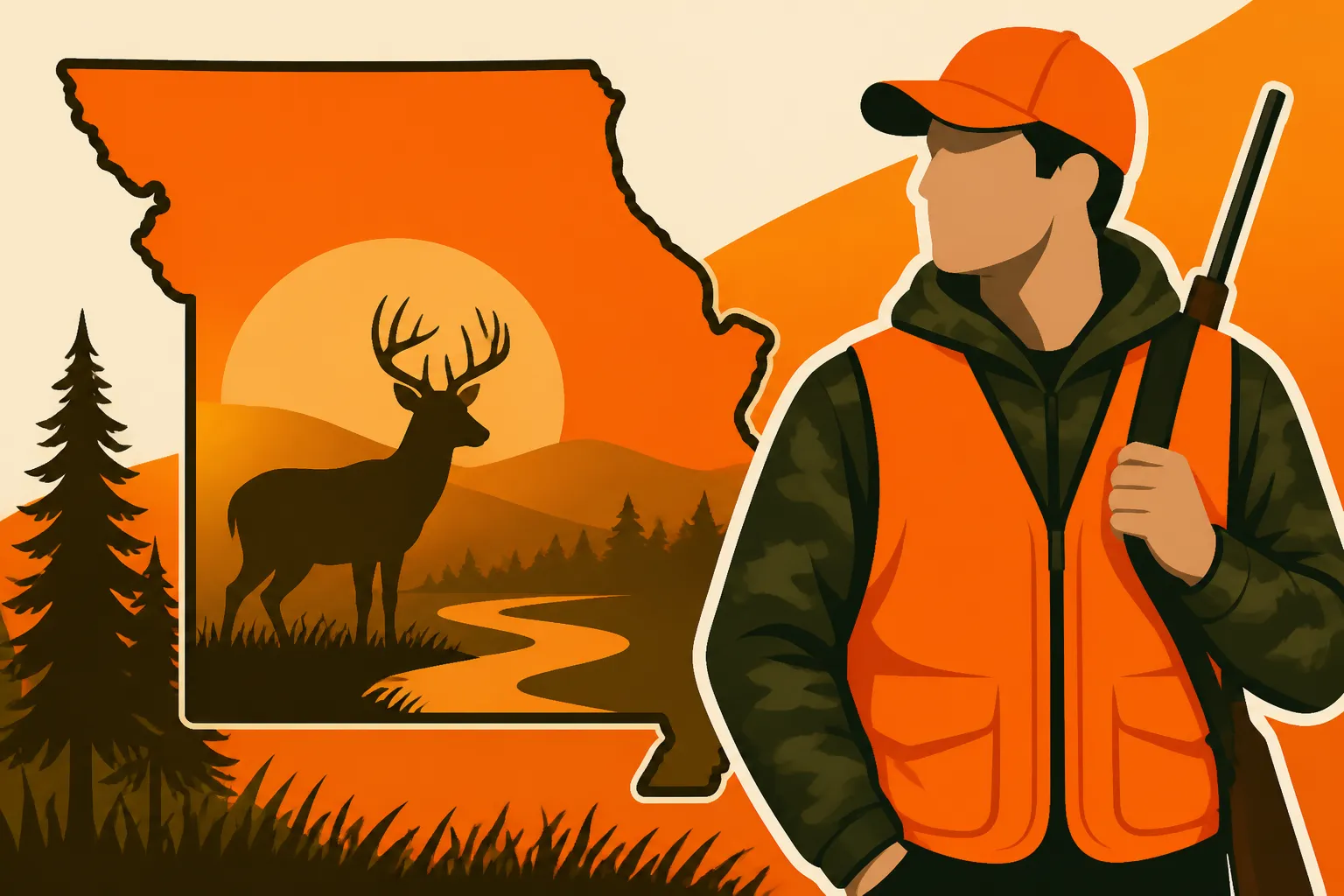
Missouri Hunter Orange Square Inches
Navigating the myriad rules and regulations of hunting can feel like a maze, and few things cause more head-scratching than the specific requirements for hunter orange in Missouri. It’s not just about throwing on any orange; there’s a distinct "400 square inches" rule that can leave even seasoned hunters wondering if they’re truly compliant. This comprehensive guide is here to untangle that confusion, ensuring you understand exactly what's needed to stay safe and legal in the Missouri woods.
Understanding Missouri's Hunter Orange Mandate
It's easy to get caught up in the specifics of the rules and forget the core reason behind them: safety. Hunter orange regulations are a critical component of preventing hunting accidents, particularly during portions when deer hunting with firearms is prevalent. It’s a measure designed to make hunters highly visible to other hunters, differentiating them clearly from game animals.
Why Hunter Orange Matters More Than Just a Rule
Let's be honest, many of us, especially deer hunters, feel a little resistance to wearing hunter orange. The thought immediately pops into your head: "Won't the deer see me coming a mile away?" It's a valid concern, and indeed, deer can perceive colors. However, studies have consistently shown that while deer can distinguish orange from green, their vision is different from ours. They don't see that vibrant blaze orange as we do; to them, it's more likely a shade of gray or yellow, and its brightness might stand out against natural colors.
The real benefit of hunter orange isn't for concealing you from deer, but for saving lives by making you unmistakably human to other hunters. In the dense timber of the Missouri Ozarks or the rolling hills of north Missouri farm country, it's incredibly easy for an excited hunter to mistake movement, a flash of brown, or even a sound for their quarry. That bright, unmistakable orange serves as a universal signal: "I am a person, not a deer, not a turkey." It's a collective responsibility we all share to ensure everyone comes home safely, and that outweighs any minor perceived disadvantage in stealth. These regulations are born from decades of accident data, and they work.
The Specifics: When and Where It's Required
Missouri's hunter orange requirements aren't a blanket rule for every hunting activity. They are primarily focused on deer hunting portions where firearms are permitted, due to the higher potential for accidents in those scenarios. This includes the incredibly popular Missouri's November Firearms Portion, as well as the Missouri Early Antlerless Portion Tactics, the late antlerless, and the Alternative Methods Deer Hunting in Missouri portions.
During these designated firearms portions, all hunters, regardless of what game they are pursuing, are required to wear hunter orange if they are on land where deer hunting with firearms is allowed. This is a critical point: if you're squirrel hunting or coyote calling during the November firearms season, you still need to be wearing your hunter orange. This applies to both public lands, like state Conservation Areas, and private property.
There are specific exemptions, however. You typically won't need hunter orange during archery-only deer seasons, spring turkey season, fall turkey season (unless it overlaps with a firearms deer season in certain counties, which is rare), waterfowl hunting, or most small game hunting when there isn't a concurrent firearms deer season. For instance, if you're Bowhunting Through the Missouri Firearms Portion, you are absolutely required to wear hunter orange, even if you are only carrying a bow. It’s all about the time of year and the prevailing hunting activities. Always check the current year's MDC regulations, as rules can occasionally be tweaked.
Deciphering the "400 Square Inches" Rule
The "400 square inches" figure often trips people up. It sounds like a lot, or perhaps not enough, depending on how you visualize it. The Missouri Department of Conservation (MDC) defines this minimum requirement to ensure a significant and easily recognizable amount of blaze orange is visible. It’s not just a small patch; it’s a substantial portion of your outer clothing.
What 400 Square Inches Really Looks Like
To put 400 square inches into perspective, imagine a square roughly 20 inches by 20 inches, or about 16 inches by 25 inches. That's a good chunk of fabric. This means a simple orange hat or a small armband often isn't enough on its own. Typically, hunters meet this requirement with a full hunter orange vest (many standard vests easily exceed 400 sq. inches), a combination of an orange hat and a smaller vest or panels, or a full blaze orange jacket.
The key is the total area. So, if your hat has 100 square inches of visible orange, you'd need another 300 square inches on your vest or jacket. You don't have to carry a ruler and calculate it precisely, but you should visually confirm that you have a significant amount of orange clearly displayed. Think about the common sense of it: if you look at yourself in the mirror and have to squint to find the orange, it's probably not enough. Gear from reputable brands designed for hunting, especially vests and jackets, will typically meet or exceed this requirement. When planning your hunt, a tool like GoHunt can help you review regulations and even suggest appropriate gear, ensuring you're not caught off guard by the specifics.
Here’s a quick overview of common hunter orange gear and how it typically stacks up against the 400 square inch rule:
| Item Type | Typical Visible Area (Approx.) | Meets 400 sq. in. Rule (Alone)? | Notes |
|---|---|---|---|
| Full Hunter Orange Vest | 600-1000+ sq. inches | Yes | Most common and easiest way to meet the requirement. |
| Blaze Orange Cap/Hat | 100-200 sq. inches | No (usually) | Good for adding to a vest, but rarely enough alone. |
| Blaze Orange Jacket | 1500-3000+ sq. inches | Yes | Provides maximum visibility, also offers warmth. |
| Hunter Orange Panel | Varies (e.g., 12×12 = 144 sq. in.) | No (usually) | Can be sewn or pinned to clothing to add to total. |
| Armband | 50-100 sq. inches | No | Insufficient on its own; mostly for supplementary visibility. |
Proper Placement and Visibility
It's not enough to simply have 400 square inches of hunter orange; it must be visible from all sides. This means strategically placing it so that it's not obscured by your backpack, your rifle, or the thick brush you're pushing through.
For most hunters, this means a blaze orange vest or jacket worn as the outermost layer, often paired with an orange hat or cap. The hat ensures visibility from above and helps when your back is turned or when you're crouched low. If you're wearing a large backpack while Scouting Missouri Public Land Before Season or retrieving a deer, consider how much orange is still visible. Some hunters opt for vests with extra orange panels on the shoulders or sides to counteract backpack obstruction.
Think about different hunting scenarios:
- Sitting in a treestand: Your vest should be visible over your harness, and your hat clearly seen. When choosing Treestand Setups in Hardwood Timber, ensure your position allows your orange to be seen by anyone approaching from the ground.
- Still-hunting: As you slowly walk through the woods, your orange needs to be seen from the front, back, and sides. This is where a good vest and hat combo truly shines. If you're Still-Hunting a Missouri Ozark Hollow, remember that terrain can hide your visibility.
- Walking to/from your stand: This is a crucial time for visibility, as you might be moving quickly in low light.
The rule exists because accidents can happen in any direction. Always assume there are other hunters in the woods, even if you haven't seen them.
Exemptions, Best Practices, and Staying Safe
While the 400-square-inch rule is important, it’s equally vital to know when it applies and when it doesn't, along with other best practices for overall hunting safety. Understanding the nuances keeps you legal and ensures a safe experience for everyone.
Who Is Exempt and Why You Still Might Wear It
As we touched on earlier, not every hunt in Missouri requires hunter orange. Here’s a rundown of common exemptions:
- Archery-only deer seasons: During the archery-only portions of Missouri's deer season, hunter orange is generally not required for archers.
- Turkey hunting: During both spring and fall turkey seasons, hunter orange is not required. In fact, wearing bright colors like orange is strongly discouraged in turkey hunting due to the nature of the sport and the risk of being mistaken for a gobbler.
- Waterfowl hunting: Duck and goose hunters in blinds or layout blinds are typically exempt.
- Small game hunting (without concurrent firearms deer season): If you're rabbit or squirrel hunting and there's no firearms deer season open, orange isn't required.
- Furbearer/predator hunting: Similar to small game, if no firearms deer season is active, orange is not required.
However, even when exempt, there are situations where wearing some form of high-visibility clothing, if not blaze orange, is just plain smart. If you are archery hunting late in the season, during the period when firearms deer season is also open (this happens in Missouri!), then Orange Requirements for Missouri Archers definitely apply. Or, if you're on public land that's open to multiple activities, even during a turkey season, a brightly colored (but not necessarily orange) hat or vest for walking to and from your hunting spot can increase your safety, particularly if Scouting Missouri Public Land Before Season for future deer hunts. It's about personal responsibility and situational awareness. Think about the overall hunting pressure on the land you're on. A tool like GoHunt can provide information about general hunting pressure in different regions, helping you make informed decisions about your visibility.
Beyond the Minimum: Going Above and Beyond for Safety
Meeting the 400 square inch minimum is the legal standard, but safety-conscious hunters often go further. Especially if you're hunting with younger, less experienced individuals, such as during the Youth Portion Tactics for a First Deer, maximizing visibility is always a good idea. Consider wearing more than the minimum, perhaps a full orange jacket instead of just a vest.
For those long walks in the early morning or late evening, or for dragging a harvested deer after sunset, reflective blaze orange tape or vests can be incredibly beneficial. These materials catch and reflect even minimal light, making you visible to other hunters, vehicles, or searchers if you were to become lost. Also, think about the type of orange you're wearing. Faded, dirty orange doesn't stand out as much as new, clean blaze orange. Keeping your gear clean and in good condition ensures it performs its primary function effectively.
Checking Regulations and Local Rules
The Missouri Department of Conservation (MDC) is the ultimate authority for hunting regulations in the state. Each year, they publish a new set of regulations, and it's your responsibility as a hunter to review them. While the 400 square inch rule for Missouri Hunter Orange Rules has been consistent for many years, other rules, especially those concerning Missouri Deer Season Portions Explained or Legal Firearms for Missouri Deer, can change.
Beyond statewide rules, some specific hunting areas may have additional, localized requirements. For instance, certain Missouri Conservation Area Rules or parts of the Mark Twain National Forest might have specific access points, vehicle rules, or other considerations that impact how and where you display your orange. Always consult the specific area's brochure or regulations before you hunt. Using resources like the MDC's website or hunting apps can provide up-to-date information, ensuring you're compliant down to the square inch. GoHunt, for example, often integrates state regulations directly into its platform, making it a handy resource for cross-referencing information before you head afield.
Disclaimer
Please remember that hunting regulations can change. Always consult the official Missouri Department of Conservation (MDC) regulations for the current hunting season before heading into the field. This guide provides general information and should not be considered a substitute for official legal guidance or the most up-to-date regulations.