Black Bears Returning to Missouri
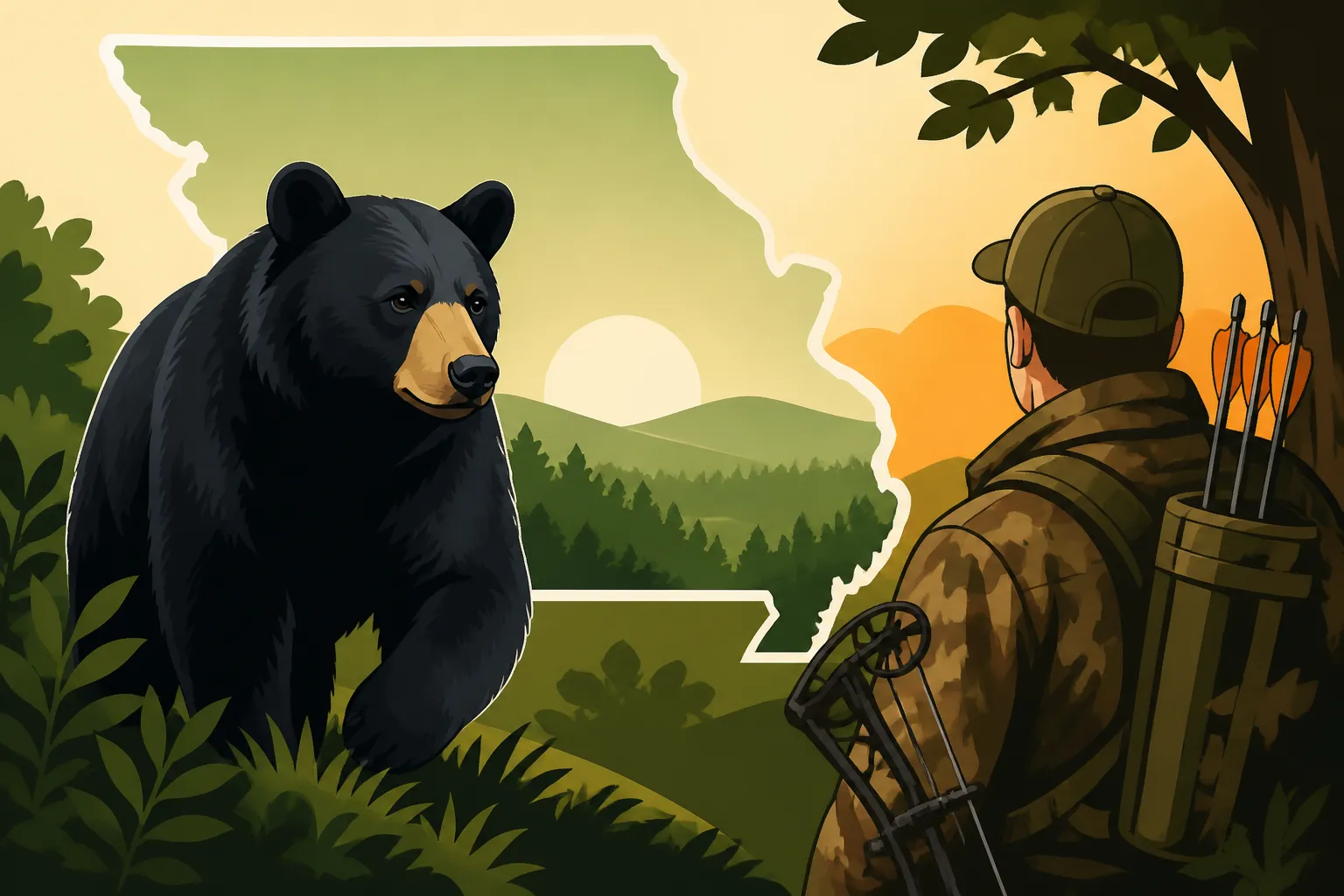
For decades, the idea of black bears roaming wild in Missouri seemed like something out of history books or a distant dream for wildlife enthusiasts. But if you’ve spent any time in the Ozarks lately, you know that dream is becoming a reality, and with it, comes a mix of excitement, curiosity, and sometimes, a little apprehension. This guide is here to walk you through everything you need to know about Missouri's growing black bear population, from their remarkable return to how we can all learn to share the woods safely and responsibly.
The Remarkable Comeback of Missouri's Black Bear Population
It’s easy to forget that just a couple of generations ago, seeing a black bear in Missouri was about as likely as spotting a mountain lion in your backyard. But these days, folks in the southern half of the state are having more and more encounters, and it’s a testament to incredible conservation efforts and the bears’ own resilience. This isn't just a handful of stragglers; we're talking about a healthy, reproducing population that's firmly establishing itself again.
A Look Back at Bear History in the Show-Me State
Believe it or not, black bears were once common throughout Missouri, especially in the heavily forested Ozarks. Early European settlers reported abundant bears, a vital part of the natural ecosystem. However, as settlement pushed westward and agriculture expanded, forests were cleared at an alarming rate, and unregulated hunting, driven by market demand for furs and meat, took a severe toll. By the late 1800s and early 1900s, Missouri's black bear population was practically wiped out. The few remaining bears were pushed into the most remote, rugged corners of the state, barely clinging to existence. It was a bleak time for wildlife in general, a stark reminder of how quickly human activity can impact even the most robust species.
Natural Recolonization and Neighboring Influence
The story of the black bear's return to Missouri isn't just about conservation efforts within our borders; it's also a fantastic example of natural recolonization. While our state was slowly rebuilding its forests and implementing wildlife management strategies, a robust black bear population was thriving just to our south, particularly in Arkansas. For years, bears from the expanding Arkansas population started making their way north, crossing the state line and exploring new territories in the dense, regenerating forests of the Missouri Ozarks. These pioneering bears found suitable habitat, abundant food sources, and crucially, less human pressure than they might have encountered a century prior. This slow, steady creep northward formed the foundation of our current population, proving that if you build the habitat, nature will often find a way to fill it. It really underscores how interconnected our ecosystems are across state lines.
Missouri Department of Conservation Management and Research
Recognizing this natural return, the Missouri Department of Conservation (MDC) ramped up its efforts to understand and manage the burgeoning bear population. They've been hard at work, conducting extensive research to monitor the bears, track their movements, and estimate their numbers. Programs like trapping and collaring bears allow biologists to gather critical data on denning habits, reproduction rates, and range expansion. This isn't just academic work; it directly informs management decisions, helping to ensure the long-term health of the bear population while also addressing potential human-bear conflicts. The MDC's goal is to ensure a sustainable future for these magnificent animals, striking a balance between protecting the species and ensuring public safety. All of this data helps shape how we interact with these animals, a truly vital aspect of living in bear country.
Where Black Bears Are Roaming in Missouri Today
If you're wondering where you might actually encounter a black bear in Missouri, the answer is increasingly widespread, though still primarily concentrated in one region. They're not just a myth or a fleeting rumor anymore; they are truly here, and their presence is something outdoor enthusiasts and landowners alike need to be aware of.
Core Habitat Areas: The Ozarks
The vast majority of Missouri's black bears call the rugged, forested terrain of the Ozark Mountains home. This shouldn't come as a huge surprise, given that the Ozarks offer everything a bear needs: dense timber, abundant water sources, and a diverse range of natural foods like acorns, berries, and insects. Counties in the southern part of the state, particularly those within or bordering the Mark Twain National Forest, represent the heart of our bear country. Areas like Shannon, Carter, Oregon, Taney, and Howell counties are where you'll find the highest concentrations. These are places where you're truly Hunting the Missouri Ozarks, and bears are now a part of that wild landscape. If you're out scouting for deer sign in those remote hollows, or trying to find a secluded turkey roost, the possibility of running into a bear is a real consideration now, not just a distant thought.
Expanding Range and Population Growth
While the Ozarks remain the stronghold, the black bear population is steadily expanding its footprint across the state. Individual bears, especially young males, are known to travel considerable distances in search of new territories, food sources, and mates. This means that while less common, sightings are occurring further north and west than ever before, creeping into areas that haven't seen a bear in over a century. The Missouri Black Bear Population has shown consistent growth, and this expansion is a natural consequence of a healthy, thriving population. It's a slow process, but an undeniable one. As their numbers grow, so does their range, pushing the boundaries of what we traditionally consider "bear country." This means even folks who live on the fringes of the Ozarks or near large, timbered tracts need to be prepared for the possibility of a bear moving through.
Estimating Missouri Black Bear Numbers
Trying to pin down an exact number of black bears in Missouri is a complex task, but the MDC uses a variety of scientific methods to provide us with solid estimates. Through a combination of DNA analysis from hair samples, tracking collared bears, and observation data, they can model population growth and distribution. The most recent estimates indicate a population in the hundreds, with a clear upward trend. This isn't just a few bears; it's a significant and growing population that is truly established. This data, often accessible through resources like the Missouri Conservation Atlas or a detailed online mapping tool like GoHunt, is invaluable for understanding where bears are most prevalent and planning outdoor activities accordingly. These numbers continue to climb, a true success story for a once-absent species.
Understanding Black Bear Behavior and Habits
Getting to know a little bit about how black bears live their lives is perhaps the most important step in safely coexisting with them. They're not the aggressive monsters of old folklore, but they are powerful wild animals with predictable patterns that we can learn to respect and avoid conflict with.
Diet and Foraging Patterns
Black bears are omnivores, meaning they eat both plants and animals, and their diet changes with the seasons. They are incredibly opportunistic feeders, which is why proper food storage is so crucial. In spring, after emerging from their dens, they'll feast on tender new grasses, forbs, and grubs. As summer progresses, berries become a staple – think blackberries, blueberries, and raspberries. Insects, especially ants and their larvae, are also high on the menu. Come fall, it's all about packing on calories for winter, and acorns, hickory nuts, and other mast crops become incredibly important. This is when you'll see them foraging intensively, often spending hours under oak and hickory trees. Occasionally, they'll prey on fawns or consume carrion, but plant matter makes up the vast majority of their diet. Understanding these patterns helps us realize why they might be drawn to certain areas, especially where human food sources become accidentally available.
Denning and Reproductive Cycles
Black bears in Missouri typically enter their dens in late fall or early winter and emerge in spring. These dens can be anything from hollow trees, rock crevices, or even simple scrapes under brush piles. They don't truly hibernate like some smaller animals; instead, they enter a state of torpor, a lighter sleep from which they can be aroused. During this time, the females (sows) give birth to tiny, blind cubs, usually in late January or early February. These cubs stay with their mother for about 1.5 to 2 years, learning essential survival skills before dispersing to find their own territory. This period of maternal care is critical, and it means that a sow with cubs will be fiercely protective, another reason to always give bears, especially smaller ones, a wide berth. The MDC closely monitors denning sites to understand the Missouri Black Bear Population's reproductive success.
Activity Patterns and Home Range
Black bears are generally most active during dawn and dusk, though they can be active at any time of day or night, particularly if they are undisturbed or actively foraging. Their home ranges can be quite large, especially for males, spanning dozens or even hundreds of square miles. A younger male, in particular, might travel extensively, seeking out new food sources or potential mates, which explains why they sometimes pop up in unexpected places far from core bear habitat. Using tools like GoHunt or other detailed mapping applications can help you visualize vast expanses of public land, such as those found in the Mark Twain National Forest, where a bear might roam. Knowing their general activity patterns can help you plan your outdoor adventures to minimize the chance of a surprise encounter, especially if you're Scouting Missouri Public Land Before Season.
Minimizing Conflicts and Promoting Coexistence
Living with bears, or even just recreating in bear country, means taking proactive steps to minimize the potential for conflict. Most issues arise when bears become accustomed to human food sources, leading to nuisance behaviors. The good news is that by following some simple guidelines, we can greatly reduce these problems.
Bear-Proofing Your Property and Campsite
If you live in or near bear country, or plan to camp there, bear-proofing is non-negotiable. This means securing anything that might attract a bear. Store trash in bear-resistant containers or in a secure building until pickup. Don't leave pet food or bird feeders out overnight, especially during spring, summer, and fall when bears are most active. Clean grills thoroughly after use. If camping on a Missouri Conservation Areas Explained in the Ozarks, always store food and scented items in a bear-resistant canister, hung from a tree, or in a locked vehicle out of sight. Never, ever store food in your tent. The smell of even an empty wrapper can be enough to draw a curious bear, and that's a situation nobody wants to be in.
Proper Food Storage and Waste Management
This really deserves its own section because it's such a critical component of coexistence. A fed bear is a dead bear, unfortunately, as bears that become habituated to human food often lose their natural fear of people and can become aggressive, leading to them being put down for public safety. When backpacking, use bear bags or canisters. On hunting trips, make sure any game meat is properly stored, either in a secure vehicle or hung high enough in a tree that a bear can't reach it. The same goes for any cooking odors; try to cook away from your sleeping area. Dispose of all food waste properly, packing out everything you pack in. Even seemingly innocuous items like toothpaste or deodorant can attract a bear, so treat all scented products like food. This diligence helps keep bears wild and wary, which is beneficial for both them and us.
What to Do During a Bear Encounter
Despite our best efforts, encounters can happen. The most important thing is to stay calm. If you see a bear at a distance, do not approach it. Make noise, wave your arms, and back away slowly, giving the bear plenty of space to escape. If a bear approaches you, make yourself look as large as possible. Yell, clap your hands, and stamp your feet. Pick up small children. Do not run; running can trigger a chase response. If the bear continues to approach, stand your ground. Most often, the bear is simply curious or trying to determine if you are a threat. If a bear makes contact, fight back aggressively using anything at your disposal – rocks, sticks, fists. Bear spray, if you carry it, can be incredibly effective in these rare defensive encounters. Remember, black bears are generally not predatory towards humans; most aggressive behaviors are defensive, especially if cubs are present or if the bear feels trapped. Always be aware of your surroundings, especially when Camping on Missouri Conservation Areas or deep in the woods.
Missouri's Black Bear Hunting Season Explained
For many, the return of black bears also brings the opportunity for a new hunting pursuit. In 2021, Missouri held its first black bear hunting season in over a century, a significant milestone that reflects the successful recovery of the species. This isn't just about hunting; it's a carefully managed season designed to help control population growth and distribution, while providing recreational opportunity.
Permit Process and Application
Missouri’s black bear hunting season is managed through a limited permit lottery system, emphasizing conservative harvest goals. Hunters must apply for a permit, and only a select number are issued each year, ensuring that the harvest remains sustainable and does not negatively impact the long-term health of the bear population. The application period usually occurs in the spring, and successful applicants are notified well in advance of the fall season. There are specific criteria for applying, including residency requirements and often specific hunting zones. Checking the MDC website for current application dates and requirements is absolutely essential, as these details can change. This controlled approach reflects the MDC's commitment to sound wildlife management.
Season Dates, Zones, and Quotas
The black bear hunting season in Missouri is typically a short, limited window in the fall, designed to minimize conflicts with other hunting seasons and to ensure a safe, ethical harvest. The state is divided into several Bear Management Zones (BMZ), and permits are issued for specific zones with pre-determined quotas. These quotas are established based on population estimates and research within each zone, ensuring that only a certain number of bears can be harvested. Hunters are required to Telecheck their bear immediately after harvest, similar to deer and turkey, and often within a specific timeframe, allowing the MDC to monitor the quota in real-time. Once the quota for a specific zone is met, that zone's season is immediately closed, regardless of the published end date. This dynamic management ensures conservation goals are met. You'll want to stay up-to-date on these rules via the official MDC channels, which is easier with digital tools like GoHunt providing timely updates.
Ethical Hunting Practices and Regulations
Hunting black bears in Missouri comes with strict regulations designed to promote ethical practices and ensure hunter safety. Hunters are generally prohibited from baiting bears or using dogs to pursue them, distinguishing Missouri’s season from some other states. Legal hunting hours, weapon restrictions (similar to Legal Firearms for Missouri Deer but with specific bear-related nuances), and retrieval requirements are all clearly defined. It's crucial for any bear hunter to thoroughly review the current regulations before heading afield. The emphasis is on fair chase and responsible hunting, recognizing the unique status of this returning species. This isn't just about bagging a bear; it's about being a steward of the wildlife resource and participating in a responsible, scientifically managed harvest.
Gear and Safety for Backcountry Bear Encounters
Whether you're hunting, hiking, or just enjoying the wilder parts of Missouri, being prepared for a bear encounter means having the right gear and knowing how to use it. It's about proactive safety, not just reactive measures.
Essential Bear Safety Gear
When heading into areas with known bear activity, a few pieces of gear can make a significant difference. First and foremost, consider carrying bear spray. This is a highly effective deterrent, especially when faced with a close-range, aggressive bear, and many experts agree it’s more effective than a firearm in deterring an attacking bear. Make sure it's easily accessible and you know how to use it. A loud whistle or air horn can also be useful for making noise and scaring off a curious bear from a distance. Some people choose to wear bear bells, though their effectiveness is debated; consistent, loud human conversation is generally more effective at announcing your presence. For remote trips, always include a comprehensive First Aid Kits for Remote Ozark Ground in your pack, because any wilderness emergency is compounded by a bear presence.
Food Storage Solutions for Remote Camps
If you're planning an overnight trip into bear country, especially when Hunting the Missouri Rut in Early November or doing any sort of long-term scouting, proper food storage is paramount. Bear-resistant canisters are the gold standard for backpackers and are required in many national parks and wilderness areas. While not always mandated on Missouri public lands, they are highly recommended. Alternatively, you can use a bear bag system, which involves hanging your food and scented items from a tree branch, at least 10-12 feet off the ground and 4-6 feet away from the trunk. The goal is to make it impossible for a bear to reach or knock down. Even cooking utensils and empty food wrappers need to be secured. A single instance of a bear getting human food can quickly escalate into a persistent problem, so meticulousness here is key.
Firearm vs. Bear Spray Debate
The discussion around firearms versus bear spray for defense against bears is ongoing, but the scientific consensus leans heavily towards bear spray for deterring an aggressive charge. Bear spray is designed to quickly incapacitate a charging bear by irritating its respiratory system and eyes, giving you time to retreat. It creates a deterrent cloud, reducing the need for pinpoint accuracy under immense stress. A firearm, on the other hand, requires precise shot placement to stop a charging bear, which is incredibly difficult in a high-stress situation, and often results in wounding the animal rather than stopping it. Furthermore, using a firearm against a bear can put you in legal jeopardy unless it is an unavoidable act of self-defense. While many hunters carry a firearm for hunting, relying solely on it for bear defense might not be the safest or most effective strategy. If you choose to carry both, understand the limitations and strengths of each.
Conservation Efforts and the Future Outlook
The black bear's return to Missouri is a true conservation success story, but the work is far from over. The future of this species in our state depends on continued research, thoughtful management, and the cooperation of all Missourians.
MDC's Role in Bear Conservation
The Missouri Department of Conservation plays the leading role in ensuring a healthy and sustainable future for black bears. Their comprehensive approach includes ongoing population monitoring, habitat management, public education campaigns, and enforcement of regulations. They use cutting-edge research methods, like GPS telemetry and DNA sampling, to understand bear ecology, movement patterns, and reproductive success. This scientific data forms the backbone of their management plans, guiding decisions on hunting quotas, land acquisition, and public advisories. The MDC also actively works with landowners to address conflicts and provide resources for bear-proofing properties. Their dedication is critical to maintaining this incredible resurgence.
Public Education and Outreach
A crucial part of successful bear conservation is public awareness and education. Many people simply aren't accustomed to living in bear country and need guidance on how to behave responsibly. The MDC invests heavily in outreach programs, workshops, and informational materials to teach Missourians about bear biology, how to prevent conflicts, and what to do if an encounter occurs. These efforts aim to demystify bears, dispel common myths, and foster a sense of shared responsibility for their well-being. By understanding bears better, the public can become allies in conservation rather than sources of conflict. This education is vital for reducing human-bear incidents and promoting long-term coexistence, making sure everyone knows how to safely enjoy our wild spaces and perhaps even Finding Ground Others Walk Past that might be bear habitat.
Long-Term Management Goals and Challenges
Missouri's long-term goal is to maintain a healthy, stable black bear population that can thrive within the state's natural landscape. This involves balancing ecological needs with human interests. Challenges include managing population growth as bears expand into new areas, mitigating potential conflicts with agriculture and suburban development, and adapting to environmental changes like habitat fragmentation or climate shifts. As their range continues to expand, managing bears in different landscapes, from the remote Ozarks to areas closer to human habitation, will require flexible and adaptive strategies. Continued public support, robust scientific research, and collaborative efforts will be essential to overcoming these challenges and ensuring that black bears remain a cherished part of Missouri's wildlife heritage for generations to come.
Common Misconceptions About Missouri Black Bears
When a large predator returns to a landscape after a long absence, it's natural for misconceptions to arise. It's important to separate fact from fiction to foster a healthy respect and understanding of these amazing animals.
Are Missouri Bears Aggressive?
One of the most pervasive myths is that black bears are inherently aggressive or dangerous. In reality, black bears are generally shy and reclusive animals that prefer to avoid human contact. Most encounters are non-aggressive, with the bear quickly retreating. Defensive behaviors, such as huffing, jaw popping, or bluff charges, usually occur when a bear feels threatened, particularly if cubs are present or if its food source is perceived to be in danger. Predatory attacks on humans are incredibly rare, especially from black bears, and almost always involve a bear that has been highly habituated to human food. It’s crucial to remember that a curious bear is not necessarily an aggressive one. Giving them space and not encouraging close contact is the best way to keep encounters peaceful.
Size and Appearance: What to Expect
Missouri black bears, like most Eastern black bears, are medium-sized bears. Adult males (boars) typically weigh between 200-400 pounds, though larger individuals have been recorded. Adult females (sows) are generally smaller, weighing 120-250 pounds. They stand about 2-3 feet tall at the shoulder on all fours and can be up to 6 feet tall when standing on their hind legs. Despite the name, not all black bears are black. While the vast majority in Missouri are indeed black, some might have brown muzzles, a white patch on their chest (a "blaze"), or even a brownish tint to their fur, especially when sun-bleached. Their impressive size and strength are undeniable, which is why respect and distance are always the best policies. A quick glance at a GoHunt profile or an MDC publication about Missouri Black Bear Numbers will show you typical photos and size ranges.
Bears and Your Pets: A Word of Caution
If you live in or visit bear country with pets, particularly dogs, it’s important to take precautions. Dogs, especially off-leash, can sometimes provoke a bear encounter. A dog might chase a bear, only to be chased back to its owner, potentially drawing the human into a dangerous situation. Conversely, a bear might view a barking dog as a threat. It's always best to keep dogs on a leash in bear country, especially on Mark Twain National Forest Hunting land or other public areas where bears are present. Never let your dog approach a bear or its cubs. Properly securing pet food, just like human food, is also essential, as it's a strong attractant for bears and can lead to unwanted visits to your yard or campsite. Being a responsible pet owner is another layer of bear-smart behavior.
| Activity/Area | Bear-Proofing Strategy | Why It Works |
|---|---|---|
| Home/Yard | Secure trash cans in garage/shed, use bear-resistant bins. Remove bird feeders at night. Clean BBQ grills. Store pet food indoors. | Eliminates easy food sources that draw bears closer to homes. Prevents habituation. |
| Campsite | Store all food, scented items (toothpaste, deodorant), and cooking gear in bear canisters, hung from trees, or in locked vehicles. Cook away from sleeping area. | Keeps food out of reach and minimizes attractive odors near tents. Prevents bears from associating tents with food. |
| Hunting/Hiking | Carry bear spray (accessible), make noise, hike in groups. Secure game meat away from camp. | Deters aggressive bears. Alerts bears to your presence, giving them time to move away. Protects meat from scavengers. |
| General | Educate yourself on bear behavior. Respect wildlife. Never feed bears. | Fosters understanding and responsible actions. Keeps bears wild and wary, reducing conflicts. |
Disclaimer
The information provided in this article is for general guidance and informational purposes only. While we strive to provide accurate and up-to-date information, wildlife behavior and regulations can change. Always consult the official Missouri Department of Conservation (MDC) regulations and guidelines for the most current and specific information regarding black bear management, hunting seasons, and safety protocols before engaging in any outdoor activities in bear country. Stay safe and bear-aware out there!