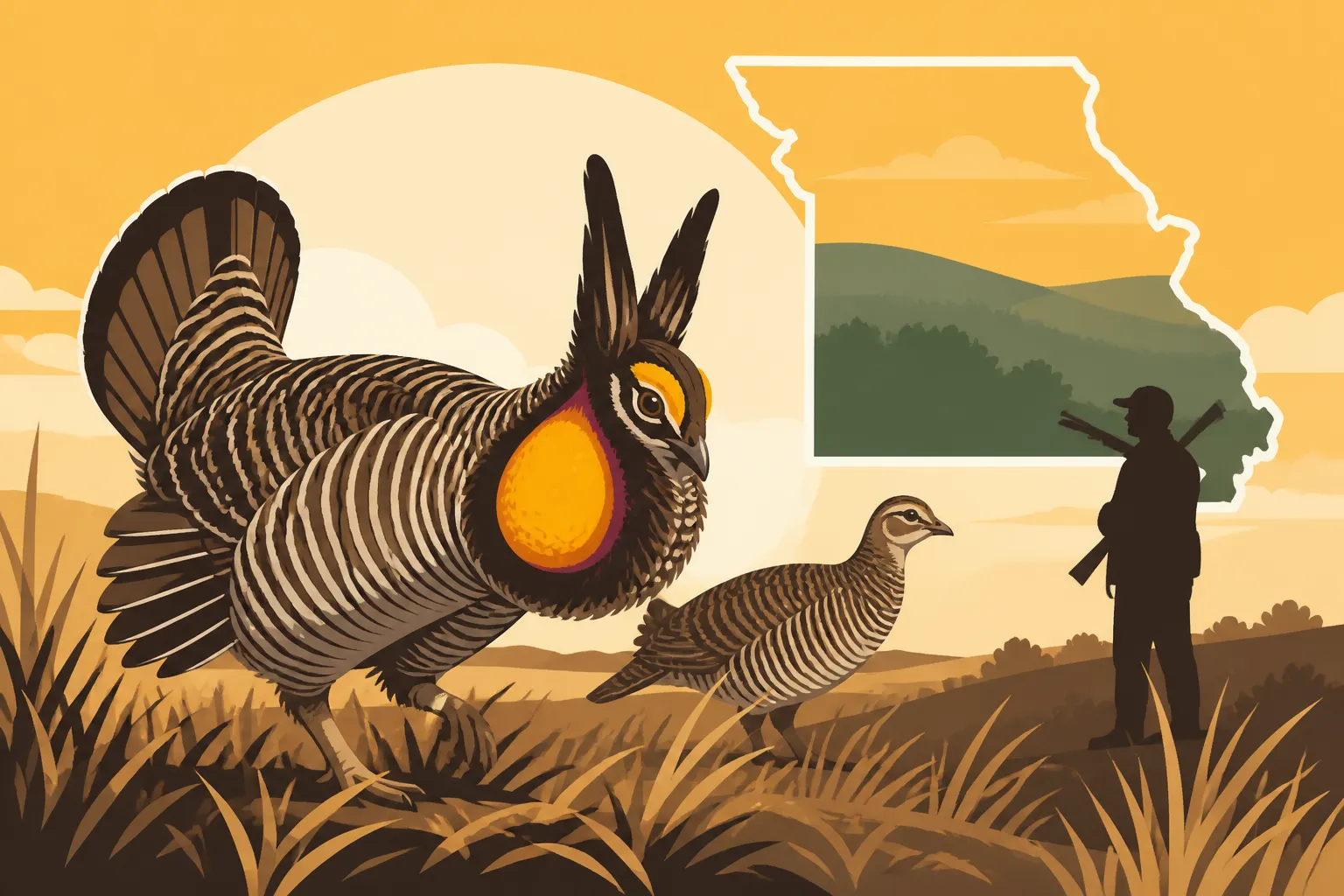
Greater Prairie-Chickens in Missouri
For those of us who cherish Missouri's natural heritage, the thought of its truly wild places often conjures images of rolling timber and winding rivers. But before the ax and plow transformed the landscape, vast stretches of tallgrass prairie dominated, teeming with unique wildlife. One of the most iconic, yet sadly elusive, residents of these prairies is the greater prairie-chicken, a bird that embodies the spirit of our state's wild past. This guide will take a deep dive into the current status, habitat, and incredible conservation efforts surrounding these magnificent birds in Missouri, helping you understand why they are so special and how we can all contribute to their future.
The Plight of the Prairie-Chicken in Missouri
It's easy to look across a modern Missouri landscape and forget just how much it has changed over the centuries. For the greater prairie-chicken, this transformation has been nothing short of catastrophic. These birds are inextricably linked to expansive, undisturbed tallgrass prairies, a habitat that has largely vanished from the state. Their story in Missouri is one of incredible decline, a stark reminder of the delicate balance of ecosystems.
A Glimpse into History: When Prairies Dominated
Imagine Missouri as it once was, long before most of our towns and farms took root. Picture endless seas of tallgrass, waving rhythmically in the wind, stretching for miles across the northern and western parts of the state. This wasn't just pretty scenery; it was a vibrant, complex ecosystem, rich with diverse plant and animal life. The greater prairie-chicken, with its distinctive booming calls and elaborate courtship dances, was a ubiquitous resident of this landscape. Historical accounts paint a picture of abundant flocks, a common sight and sound across these grasslands. Their populations thrived because their specific habitat needs – vast, contiguous tracts of prairie – were met without human interference.
These birds were once so numerous that early settlers described them darkening the skies. They were a significant food source for pioneers and a testament to the sheer scale of Missouri's original prairie. This historical abundance underscores just how drastically their world has shrunk, from being a defining feature of the landscape to a critically imperiled species clinging to scattered remnants. Understanding this past helps us appreciate the monumental challenges facing them today and the heroic efforts required to bring them back.
The Disappearing Act: Causes of Decline
The primary culprit behind the prairie-chicken's decline is, unequivocally, habitat loss. As settlers moved west, the rich prairie soils were seen as prime agricultural ground. The plow turned millions of acres of native grasslands into corn and soybean fields, fragmenting what was once a continuous ecosystem into isolated pockets. Prairie-chickens need large, open areas for booming grounds (leks), nesting, and foraging, and the incessant march of development and agriculture simply erased their world. This wasn't a gradual erosion; it was a rapid, dramatic overhaul of the land.
Beyond outright conversion, the remaining small prairie patches often suffer from degradation. Fire suppression, which was historically a natural and essential part of prairie ecology, allowed woody vegetation to encroach, making the habitat unsuitable. Overgrazing by livestock, or conversely, a lack of grazing that prevented healthy grass regrowth, also played a role. Furthermore, increasing predation pressure in smaller, isolated habitat patches, often from animals like raccoons and coyotes that thrive in human-altered landscapes, added another layer of challenge. The cumulative effect of these factors has pushed the Greater Prairie-Chicken Numbers in Missouri to critically low levels, making every remaining bird and every acre of suitable habitat incredibly precious.
Current Population Status and Trends
Today, the greater prairie-chicken population in Missouri is a shadow of its former self, teetering on the brink of extirpation in many areas. While exact numbers fluctuate, we're talking about a few hundred birds, concentrated in very specific, carefully managed areas. This is a far cry from the hundreds of thousands that once roamed the state. The trend, despite significant conservation efforts, remains concerning, with populations experiencing ups and downs depending on weather patterns, habitat conditions, and reproductive success in any given year.
The birds are extremely sensitive to habitat quality and fragmentation. Even seemingly minor disturbances or changes in land use can have a disproportionate impact on their small, isolated populations. Researchers diligently monitor these birds, using techniques like lek counts (counting males on booming grounds) and radio-telemetry to track movements, nesting success, and survival rates. This intensive monitoring helps conservationists understand the specific challenges each population faces and adapt management strategies. The fight to keep these birds from vanishing entirely from our state is an ongoing, day-by-day battle against historical losses and persistent modern pressures.
Where Missouri's Prairie-Chickens Still Exist
Despite the grim statistics, there are places in Missouri where the distinct "booming" call of the greater prairie-chicken can still be heard on a spring morning. These are not random locations; they are carefully protected and managed prairie remnants, true sanctuaries for this rare species. Knowing where these strongholds are and understanding their unique characteristics is key to appreciating the conservation efforts underway.
Fragmented Remnants: Key Prairie Strongholds
Missouri's remaining prairie-chicken populations are concentrated in a few critical, often isolated, blocks of habitat, primarily in the southwestern and western central portions of the state. These aren't vast, unbroken landscapes anymore, but rather collections of native prairie tracts, some privately owned, others managed by the Missouri Department of Conservation (MDC) or other conservation partners. They represent the last bastions of tallgrass prairie habitat that can support these sensitive birds. The challenge is immense, as these areas are often surrounded by agricultural land, creating "islands" of habitat that limit genetic flow and expose birds to edge predators.
One of the most important aspects of these strongholds is their size and connectivity. Prairie-chickens require large areas, not only for feeding and nesting but also for their social breeding rituals. Even if a patch of prairie looks good, if it's too small or too isolated, it simply won't sustain a viable population long-term. This means that every acre within these remaining blocks of habitat is vital, and efforts to expand, connect, or improve these areas are critical for the species' survival.
Notable Conservation Areas with Prairie-Chicken Presence
When it comes to seeing or supporting greater prairie-chickens, several specific conservation areas managed by the MDC stand out as crucial to their survival. These are the crown jewels of Missouri's prairie conservation efforts, offering some of the best remaining habitat. Two prime examples are Taberville Prairie Conservation Area and Wah'Kon-Tah Prairie, though it's important to remember that these are sanctuaries, and observation needs to be done with extreme care to avoid disturbance. For hunters interested in other upland birds, exploring areas designated as suitable for Walking Missouri Quail Country can give you a sense of similar landscapes, though prairie-chicken habitat is even more specialized.
Taberville Prairie Conservation Area, located in St. Clair County, is perhaps one of the most iconic sites. It's a vast expanse of nearly 2,000 acres of tallgrass prairie, managed specifically to benefit prairie-chickens and other grassland birds. This area provides the necessary open spaces for booming grounds and dense cover for nesting. Similarly, Wah'Kon-Tah Prairie, a collaboration between the MDC and The Nature Conservancy in St. Clair and Vernon counties, is another critical habitat. While prairie-chicken viewing opportunities are often limited to specific, guided events or very early morning observations from designated spots, these areas are testament to dedicated conservation work. Other, smaller patches of prairie on private lands or other conservation areas also hold tiny populations, but these two examples represent the most significant public-facing strongholds for Where Missouri Prairie Chickens Remain.
Understanding Habitat Needs: What Keeps Them Alive
The survival of the greater prairie-chicken hinges entirely on the availability of high-quality, diverse tallgrass prairie habitat. These birds aren't adaptable generalists; they are specialists, evolved to thrive in a very specific environment. Their habitat needs are complex and span across their entire life cycle, from courtship to nesting to raising young and overwintering. Without all these components, a prairie-chicken population simply cannot sustain itself.
At the heart of their needs are expansive grasslands with a mix of diverse native grasses and wildflowers. These provide crucial cover from predators, nesting sites, and a rich insect diet for chicks. During the spring, the males gather on traditional "booming grounds" or leks – open, slightly elevated areas within the prairie where they perform their elaborate courtship displays. These leks must be free of tall woody vegetation that could obscure their view or provide perches for raptors. For nesting, hens seek out dense, undisturbed patches of residual cover from the previous year's growth, offering camouflage and protection. Later, for brood-rearing, they move to areas with a good mix of dense cover and more open patches, which are rich in the insects their chicks need to grow. The intricate dance of grasses, forbs, and open ground is what truly keeps them alive.
Conservation Efforts and Restoration Hope
The story of the greater prairie-chicken in Missouri isn't just one of decline; it's also a powerful narrative of dedicated conservation and a persistent hope for restoration. Recognizing the dire situation, conservation agencies and private partners have poured immense resources into trying to reverse the trend, focusing on habitat management, research, and community engagement. These efforts are often long-term, requiring patience and sustained commitment, but they offer the best chance for these birds to regain a foothold.
MDC's Role in Prairie-Chicken Recovery
The Missouri Department of Conservation (MDC) has been at the forefront of prairie-chicken recovery efforts, understanding that without intensive management, these birds would likely disappear from the state entirely. Their strategy is multi-faceted, focusing primarily on acquiring, restoring, and managing prime tallgrass prairie habitat. This involves significant financial investment and a deep understanding of prairie ecology. The MDC works tirelessly to maintain the large, contiguous blocks of prairie essential for the birds, often employing tools like prescribed burning, brush removal, and strategic grazing to mimic historical disturbances that kept prairies healthy.
Furthermore, the MDC conducts extensive research and monitoring programs. They use techniques like radio-telemetry to track individual birds, studying their movements, nesting success, and survival rates to better inform management decisions. They also work with private landowners, offering technical and financial assistance to encourage prairie restoration and good grassland management practices on private property adjacent to or within core prairie-chicken ranges. This holistic approach, from land acquisition to scientific study and landowner partnerships, is vital to the species' long-term prospects. Understanding these efforts can sometimes be found in resources like the Missouri Conservation Atlas, which details managed public lands and their specific uses.
Partnering for Prairie Preservation
The scale of habitat restoration and preservation needed for prairie-chickens is too vast for any single entity. That's why partnerships are absolutely crucial to the success of these conservation efforts. The MDC works hand-in-hand with numerous organizations, both governmental and non-governmental, as well as private landowners, to create a broader network of support for prairie preservation. These collaborations bring together diverse resources, expertise, and perspectives, amplifying the impact of individual efforts. For hunters, programs that help find hunting access or provide mapping tools, like those offered by GoHunt, can sometimes highlight private lands involved in conservation easements, though direct hunting of prairie-chickens is not allowed.
One significant partner is The Nature Conservancy, which co-manages areas like Wah'Kon-Tah Prairie and brings national expertise in grassland restoration. Private land trusts and local conservation groups also play a vital role, acquiring land, raising funds, and mobilizing volunteers. Perhaps most importantly, the engagement of private landowners is indispensable. Many of Missouri's remaining prairie remnants are on private property, and programs that offer incentives for landowners to adopt prairie-friendly practices—such as enrolling in the Grassland Reserve Program or implementing rotational grazing—are critical. These partnerships help ensure that conservation efforts extend beyond public lands, creating larger, more resilient landscapes for the prairie-chicken and other grassland species.
Managing Habitat for the Future
Effective habitat management for greater prairie-chickens is a continuous, dynamic process, not a one-time fix. It involves understanding the intricate needs of the birds and actively shaping the landscape to meet those needs. One of the most important tools in this arsenal is prescribed burning. Prairies evolved with fire, and controlled burns are essential for removing woody encroachment, stimulating the growth of native grasses and wildflowers, and creating the diverse structure prairie-chickens need. Without fire, prairies can become dense with non-native species or woody plants, making them unsuitable.
Beyond fire, management strategies include careful grazing regimes that mimic historical bison grazing, encouraging a mosaic of grass heights and structures. Invasive species control, particularly for aggressive woody plants like cedar trees or non-native cool-season grasses, is also critical to prevent further habitat degradation. Furthermore, restoring hydrology and planting native prairie seeds where grasslands have been converted are long-term investments in rebuilding the ecosystem. The goal is to create a dynamic, healthy prairie environment that provides dense nesting cover, bug-rich brood-rearing areas, and open booming grounds, all within close proximity. It's a testament to sustained effort and scientific understanding that these Prairie Remnants Where Chickens Still Boom are being carefully stewarded for future generations.
The Unique Life Cycle and Behavior of Prairie-Chickens
The greater prairie-chicken isn't just another bird; it's a charismatic species with a truly spectacular life cycle and fascinating behaviors that set it apart. Understanding these unique aspects provides a deeper appreciation for their struggle and the intricate ecological dance they perform. Their annual rituals are deeply ingrained in the rhythms of the prairie, making them a perfect barometer for the health of these rare ecosystems.
The Iconic "Booming" Display
Perhaps the most iconic and mesmerizing aspect of the greater prairie-chicken's life cycle is their elaborate courtship ritual, known as "booming." Every spring, well before sunrise, male prairie-chickens gather on communal display grounds called leks. Here, they perform a captivating show designed to attract mates. They puff up brightly colored air sacs on the sides of their necks, raise their long pinnae feathers (feathered tufts on their heads), stamp their feet, and make a deep, resonant "booming" sound that can carry for miles across the open prairie. It's a truly prehistoric sound, echoing from a time when these birds were abundant.
This display isn't just for show; it's a fierce competition. Males spar and display for the most coveted spots on the lek, hoping to catch the eye of discerning females. The entire spectacle can last for hours, as males continually vie for dominance and attention, showcasing their vigor and fitness. Observing this behavior is a rare privilege, a glimpse into an ancient wild Missouri that most people never get to experience. It’s an auditory and visual feast that underscores their unique place in the natural world.
Nesting and Brood Rearing Challenges
After the intense spectacle of the booming grounds, successful hens will slip away to find a suitable nesting site within the dense prairie cover. They are ground nesters, building a shallow depression lined with grass and leaves, usually concealed within tall, undisturbed clumps of native grasses. A typical clutch consists of 10-14 eggs, which the hen incubates alone. This period is incredibly vulnerable; nests are susceptible to predation from a host of animals, including raccoons, skunks, and snakes, as well as disturbance from agricultural activities or human intrusion. The success of a nest is often a roll of the dice, making every hatched chick a small victory.
Once hatched, the chicks are precocial, meaning they are covered in down and able to move shortly after birth. The hen guides her brood through the prairie, seeking out areas rich in insects, which are a critical protein source for the rapidly growing chicks. These brood-rearing habitats need a mosaic of tall cover for protection and more open, bug-rich areas for foraging. However, poor weather, particularly cold, wet springs, can devastate young poults. Furthermore, the fragmented nature of modern prairie habitat means that broods may struggle to find enough food and cover, facing threats from predators in smaller, more exposed areas. The challenges these young birds face from egg to fledging highlight the fragility of their existence.
Seasonal Movements and Food Sources
Prairie-chickens, while generally sedentary compared to many migratory birds, do exhibit seasonal movements driven by food availability and reproductive needs. During the breeding season in spring and early summer, their movements are focused around the booming grounds and nesting cover. As summer progresses and chicks grow, the birds forage widely across the prairie, primarily consuming a diverse diet of insects, seeds from native grasses and forbs, and fresh green vegetation. Insect availability is paramount for poult survival.
As autumn approaches and temperatures drop, their diet shifts more towards seeds, waste grain in nearby agricultural fields (if available and accessible), and buds. Winter can be the toughest time, as deep snow cover can make foraging difficult. During these colder months, they might seek out denser cover to roost and feed on whatever seeds remain above the snow. These seasonal shifts highlight their reliance on a diverse, healthy prairie ecosystem that can provide year-round sustenance. Any disruption to these seasonal food sources or cover types can have a detrimental effect on the overall health and survival of the small, remaining populations.
Observing Prairie-Chickens: A Rare Opportunity
For many Missourians, simply knowing that greater prairie-chickens still exist in our state is a source of pride. But for a select few, the opportunity to witness these magnificent birds in their natural habitat is a truly profound experience. However, given their critically endangered status and extreme sensitivity, observation must always be approached with the utmost respect and care to avoid causing any disturbance to these precious populations.
Best Times and Places for Viewing
The absolute best time to potentially observe greater prairie-chickens is during their spring booming season, typically from late March through May. This is when the males gather on their leks at dawn and dusk to perform their courtship displays. Viewing is almost exclusively done from blinds or designated observation points, often requiring very early morning arrivals, well before sunrise. The key is to be in place and settled before the birds arrive on the lek, minimizing any visual or auditory disturbance. You'll need to stay quiet and still throughout the observation period, often for several hours.
As mentioned earlier, areas like Taberville Prairie Conservation Area and Wah'Kon-Tah Prairie are the primary strongholds. The Missouri Department of Conservation sometimes offers guided viewing opportunities or allows access to designated blinds on a limited basis during the booming season. These opportunities are highly sought after and often require advance planning or registration. These structured experiences are the safest and most ethical way to view these birds, ensuring minimal impact on their delicate breeding rituals. For those interested in other unique Missouri wildlife, learning about Missouri's Resident-Only Elk Lottery might offer another exciting, albeit different, viewing prospect.
Ethical Viewing Practices
Because greater prairie-chickens are so sensitive, ethical viewing practices are paramount. The golden rule is simple: do not disturb the birds. This means absolutely no approaching leks on foot during booming activity, no loud noises, no sudden movements, and no flash photography. Any perceived threat can cause the birds to abandon their booming grounds, which can directly impact their reproductive success. The survival of this species literally depends on our respect for their space and their critical life cycle events.
If you are fortunate enough to participate in a managed viewing event, follow all instructions from the conservation staff meticulously. Stay in the blind, remain quiet, and be patient. Do not attempt to call the birds closer or draw attention to yourself. Remember, you are a guest in their fragile world, and your goal is to observe, not to interact or interfere. Binoculars or spotting scopes are essential for good viewing from a distance, allowing you to see the details of their incredible display without encroaching on their space. Even when not on a specific lek, if you encounter prairie-chickens in suitable habitat, keep a respectful distance and observe from afar.
The "No Hunting" Reality and Why It Matters
It's crucial to understand that hunting for greater prairie-chickens in Missouri has been closed for many decades, and for good reason. Given their critically low population numbers, any legal hunting season would undoubtedly push the species even closer to extinction within the state. This "no hunting" reality is a stark indicator of their imperiled status and highlights the severe decline they have experienced. While many hunters value species like Northern Bobwhite Quail in Missouri and eagerly anticipate those seasons, prairie-chickens require a different approach rooted entirely in protection.
The focus for prairie-chickens in Missouri is 100% on recovery and population growth, not harvest. Conservation efforts prioritize protecting every individual bird and maximizing reproductive success. While hunters often contribute significantly to conservation through license and permit sales, for the prairie-chicken, the greatest contribution is respecting the "no hunting" rule, supporting habitat conservation initiatives, and advocating for prairie protection. This dedication to conservation, even when it means foregoing a hunting opportunity, is a testament to the broader conservation ethic within the hunting community and for Missouri's unique wildlife.
Disclaimer
This article is for general informational purposes only and does not constitute professional advice. Laws, prices and regulations vary by location and change over time. Consult a qualified professional for guidance on your specific situation.