Missouri Deer Herd Size
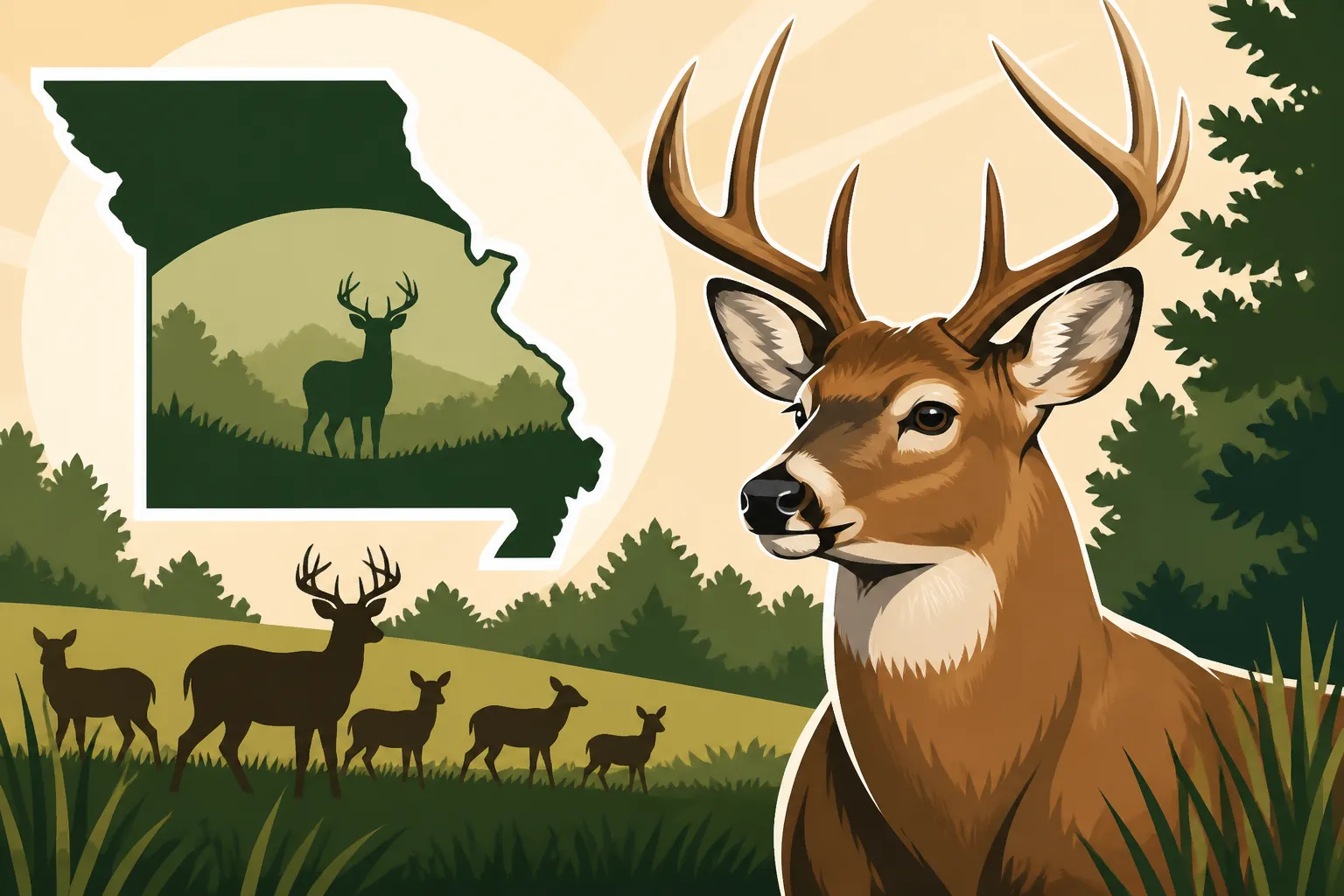
It’s a question every deer hunter in Missouri asks themselves, whether they’ve had a banner year or a tough one: "Just how many deer are out there, anyway?" We all want to know the health and size of the herd because it directly impacts our hunting prospects, not to mention the overall ecological balance of our beloved Ozark hills and northern farm country. This guide aims to pull back the curtain on how Missouri's deer herd size is understood and what factors genuinely shape its robust population.
Understanding How Missouri Counts Its Deer
You might think counting deer across an entire state like Missouri is an impossible task, and you wouldn't be entirely wrong to feel that way. It's not like someone is out there with a clicker, tallying every whitetail they see from the Bootheel to the Iowa line. Instead, our conservation experts use a combination of data collection methods and scientific modeling to arrive at robust estimates. It's a complex puzzle, but each piece contributes to a clearer picture of the overall population.
The Role of Harvest Reports
One of the most critical pieces of data comes directly from us, the hunters. Every time we successfully harvest a deer and check it in through the Telecheck system, we're providing vital information. This isn't just about recording a kill; it’s about collecting demographic data. The location, date, sex, and antler status (for bucks) of each harvested deer are all fed into a massive database. When you consider the hundreds of thousands of deer harvested annually, this provides an incredibly rich dataset. Wildlife biologists analyze trends in these harvest numbers, looking at fluctuations over time, success rates in different areas, and the age structure of the harvested bucks. A consistent increase in harvest might suggest a growing population, while a decline could indicate other factors at play. It's a foundational element in understanding Missouri Deer Harvest Records.
Bowhunter Observation Surveys and Citizen Science
Beyond the official harvest data, conservation agencies also tap into the collective experience of hunters themselves. Programs like the annual Bowhunter Observation Survey invite archers to record every deer, turkey, coyote, and other wildlife they see during their hunts. This "citizen science" approach provides a different kind of data point: observation rates. If bowhunters are seeing more deer per hour of hunting in a particular region, it suggests a higher local deer density. While not as precise as a scientific census, these broad-scale observations, aggregated from thousands of hunters, offer valuable insights into herd trends, fawn production, and even buck-to-doe ratios that complement other data. These observations help paint a picture of Missouri Deer Population Estimate across various habitats.
Advanced Modeling and Data Analysis
Once all this raw data—from harvest reports to hunter observations—is collected, it doesn't just sit there. Wildlife biologists employ sophisticated statistical models and computer simulations to translate it into estimated population figures. These models account for factors like birth rates, natural mortality, hunting pressure, and various environmental influences. They're designed to smooth out anomalies and provide the most accurate possible understanding of the overall deer herd size, as well as localized densities. This ongoing analysis allows for dynamic management decisions, ensuring that regulations are responsive to the actual status of the herd, rather than just anecdotal evidence from a single season.
Factors Shaping Missouri's Whitetail Population
Missouri's whitetail herd isn't static; it's a dynamic population constantly influenced by a variety of environmental, biological, and human-driven factors. Think of it like a delicate ecosystem where many different elements play a crucial role in the overall health and size of the herd. Understanding these interconnected elements helps us appreciate the complexity of deer management and the challenges our conservation professionals face.
Habitat and Food Availability
The foundation of any healthy deer population is its habitat. Deer need a diverse landscape that provides not just food, but also cover for bedding, fawning, and escaping predators. In Missouri, this means a mix of timber, brushy edges, and agricultural fields. Northern Missouri, with its rich row crops, offers an abundance of high-energy food sources that can lead to larger deer and potentially higher densities. Conversely, the more heavily timbered, nutrient-poorer soils of the Ozarks might support fewer deer per square mile, though those deer are often incredibly adept at surviving in tougher conditions. Changes in land use, such as urban development, forest fragmentation, or even large-scale timber harvests, can significantly impact the carrying capacity of an area. A robust and diverse habitat is key to supporting White-Tailed Deer Across Missouri.
Disease and Predation Pressures
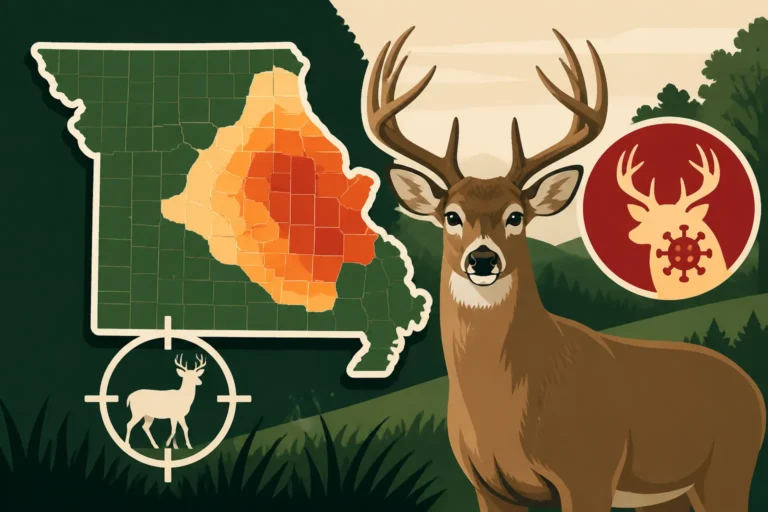
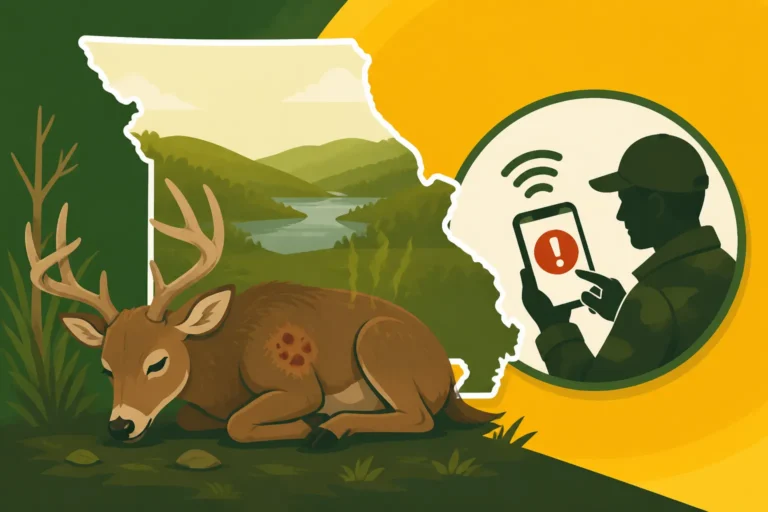
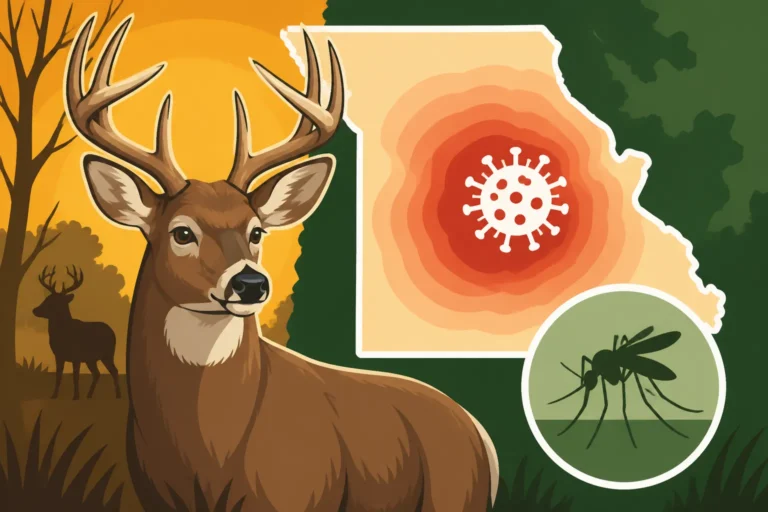
Deer, like any wild animal, are susceptible to diseases and face constant pressure from predators. Chronic Wasting Disease (CWD) is a persistent concern in Missouri, and its spread can have long-term implications for herd health and localized deer densities. Outbreaks of Epizootic Hemorrhagic Disease (EHD), often seen in late summer during dry conditions, can also cause significant localized deer die-offs. While typically not a threat to the statewide population, these events can devastate local hunting opportunities for a few years. On the predation front, coyotes are ubiquitous across Missouri, and while they rarely impact adult deer significantly, they can be a factor in fawn mortality, especially in areas with poor fawning cover. Black bears, which are making a comeback in the Ozarks, are primarily omnivores but can occasionally prey on fawns as well. Monitoring these factors is crucial to understanding the herd's resilience. For more on this, check out Chronic Wasting Disease in Missouri Deer.
Hunting Regulations and Management
Perhaps the most direct human influence on the deer herd size comes from hunting regulations. The Missouri Department of Conservation (MDC) uses various tools to manage the population, including setting permit numbers, defining antlered and antlerless deer limits, and establishing season lengths for portions like Missouri's November Firearms Portion. For instance, allowing more antlerless harvest in certain counties helps to control doe numbers, which directly impacts reproduction and can help keep the herd in balance with its habitat. Conversely, protecting young bucks or limiting overall harvest can help certain areas increase their buck age structure. These regulations aren't arbitrary; they are carefully crafted based on the data collected from harvest reports, surveys, and scientific research, all aimed at maintaining a healthy, sustainable deer population for current and future generations of hunters.
Regional Differences in Missouri's Deer Density
Missouri is a diverse state, stretching from the rolling prairies and farm fields of the north to the rugged, timbered hills of the Ozarks. It's no surprise, then, that deer density isn't uniform across the state. Hunters often notice these differences when they travel from one region to another, and understanding these variations can profoundly impact scouting strategies and hunting success. Tools like digital mapping applications, such as those offered by GoHunt, can be invaluable for visually analyzing habitat types and potential deer densities in different areas before you even set foot in the woods. This can be particularly useful when you're Scouting Missouri Public Land Before Season.
Northern Missouri's Agricultural Belt
When you look at the deer harvest maps, you'll often see clusters of high deer numbers in the northern and central parts of Missouri. This region is characterized by expansive agricultural fields—corn, soybeans, and wheat—interspersed with timbered draws, fencerows, and small woodlots. This combination creates an ideal environment for whitetails. The abundant, high-quality food from crops provides excellent nutrition, leading to larger-bodied deer with impressive antler growth. The timbered areas offer crucial cover and bedding, while the field edges provide easy access to food. Consequently, deer densities in many northern counties tend to be higher, offering hunters ample opportunities. However, hunting pressure can also be significant, requiring different tactics than in more remote areas. Many of the state's largest bucks are consistently harvested in Hunting North Missouri's Big-Buck Farm Country.
The Ozark Highland's Timbered Landscape
Head south into the Missouri Ozarks, and the landscape changes dramatically. Here, you'll find vast expanses of oak-hickory timber, deep hollows, and rocky terrain. While still home to a robust deer population, the sheer density of deer per square mile is often lower than in the agricultural regions. The reasons are largely habitat-driven: the natural forage in dense timber isn't as rich or abundant as in crop fields, and the terrain itself can make travel and finding food more energy-intensive for deer. However, what Ozark deer might lack in sheer numbers, they often make up for in resilience and wildness. Hunters in these areas learn to read subtle sign, understand thermals, and walk miles to find pockets of activity. The hunting experience in the Ozarks is often about the journey and the challenge, making it a unique and rewarding pursuit. For detailed strategies, consider Deer Hunting the Missouri Ozarks.
River Bottoms and Transitional Zones
Beyond the broad northern and Ozark regions, specific habitats like river bottoms and transitional zones (where agriculture meets timber) often boast some of the highest localized deer densities in the state. River bottoms, such as those along the Missouri River or its tributaries, are rich in fertile soil, offering a mix of natural browse, mast crops, and often adjacent agricultural fields. This confluence of food and cover creates deer magnets, especially during the colder months when food sources become scarcer elsewhere. Similarly, the "edge" habitat where dense timber gives way to open fields is consistently productive. Deer thrive in these areas, using the cover for safety and the open areas for feeding. These transitional zones can be fantastic places to focus your scouting efforts, whether you're using a digital mapping tool like GoHunt or pounding the pavement.
Missouri Deer Density Comparison by Region
| Region | Primary Habitat | Typical Deer Density (Relative) | Key Food Sources | Hunting Challenge |
|---|---|---|---|---|
| Northern Agricultural | Row crops, timbered draws | High | Corn, soybeans, wheat, natural browse, mast | High hunter pressure, access to private land |
| Central Transitional | Mixed timber, smaller fields | Moderate to High | Diverse natural browse, mast, some crops | Reading subtle sign, adapting to varied terrain |
| Ozark Highlands | Dense oak-hickory timber | Moderate | Acorns, natural browse, limited agriculture | Vast public land, difficult terrain, long walks |
| River Bottoms | Wetland, riparian timber | High (localized) | Native grasses, soft mast, adjacent crops | Water access, thick cover, flooding |
The Long-Term Trend of Missouri's Deer Herd
Missouri's deer herd has a fascinating history, a true conservation success story that has seen the population rebound from near-extinction to the thriving numbers we see today. Understanding this journey helps put the current status of the herd into perspective and highlights the ongoing efforts needed to maintain its health and sustainability.
Historical Perspective and Restoration Success
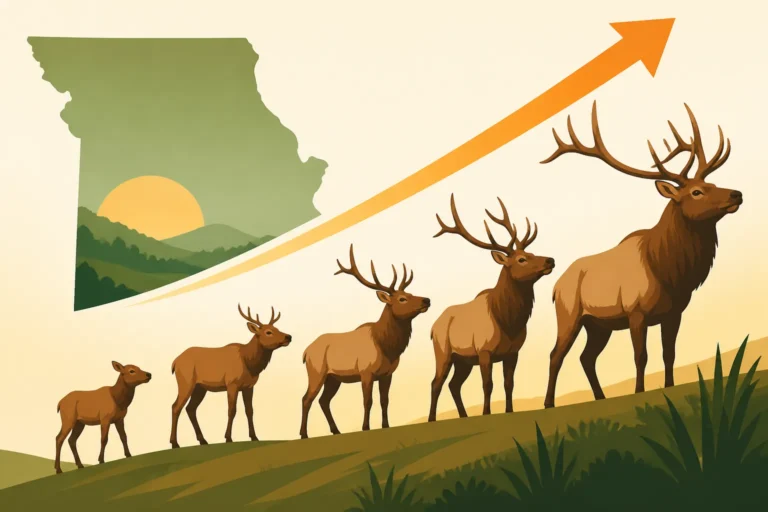
It's hard to believe now, but at the turn of the 20th century, white-tailed deer were virtually non-existent in Missouri. Unregulated hunting and habitat destruction had decimated the population, leaving only a handful of scattered deer, mostly in the rugged Ozarks. The incredible comeback of the deer herd is a testament to dedicated conservation efforts, primarily led by the Missouri Department of Conservation (MDC). Through strict hunting regulations, habitat restoration, and a highly successful trap-and-transfer program in the mid-20th century, deer were reintroduced to areas where they had long been absent. This systematic approach, coupled with public support, allowed the population to explode, reaching peak numbers in the late 20th and early 21st centuries. It’s a conservation story that we, as hunters, often take for granted but should always remember.
Current Stability and Management Goals
Today, Missouri's deer herd is generally considered stable and robust across most of the state. While localized fluctuations are always present due to factors like EHD outbreaks or specific habitat changes, the statewide population remains healthy. The primary goal of current deer management is no longer just to increase numbers, but to maintain a healthy balance between the deer population, its habitat, and human tolerance. This involves balancing harvest pressure to keep deer numbers within the carrying capacity of the land, minimizing crop damage in agricultural areas, and addressing concerns like deer-vehicle collisions. The MDC constantly evaluates data, adapting regulations to ensure long-term sustainability and quality hunting opportunities. Our permits, like Missouri Archery Deer Permits and Tags, are designed to help facilitate this ongoing management.
Challenges and Future Outlook
Even with a healthy and stable herd, Missouri's deer population faces ongoing challenges. The persistent threat of Chronic Wasting Disease (CWD) is a significant concern, requiring continuous monitoring, research, and management strategies to minimize its spread and impact. Habitat fragmentation due to development, changes in agricultural practices, and the presence of invasive species can also affect deer health and numbers over time. Additionally, balancing the desires of various stakeholders—hunters, landowners, and the general public—can be complex. However, with continued sound science-based management, the active participation of hunters, and the strong conservation ethic prevalent in Missouri, the outlook for our white-tailed deer herd remains positive. The commitment to understanding and managing our deer population means that future generations will continue to enjoy the incredible resource that is Missouri's White-Tailed Deer.
Disclaimer
This article is for general informational purposes only and does not constitute professional advice. Laws, prices and regulations vary by location and change over time. Consult a qualified professional for guidance on your specific situation.