Missouri Turkey Population Estimate
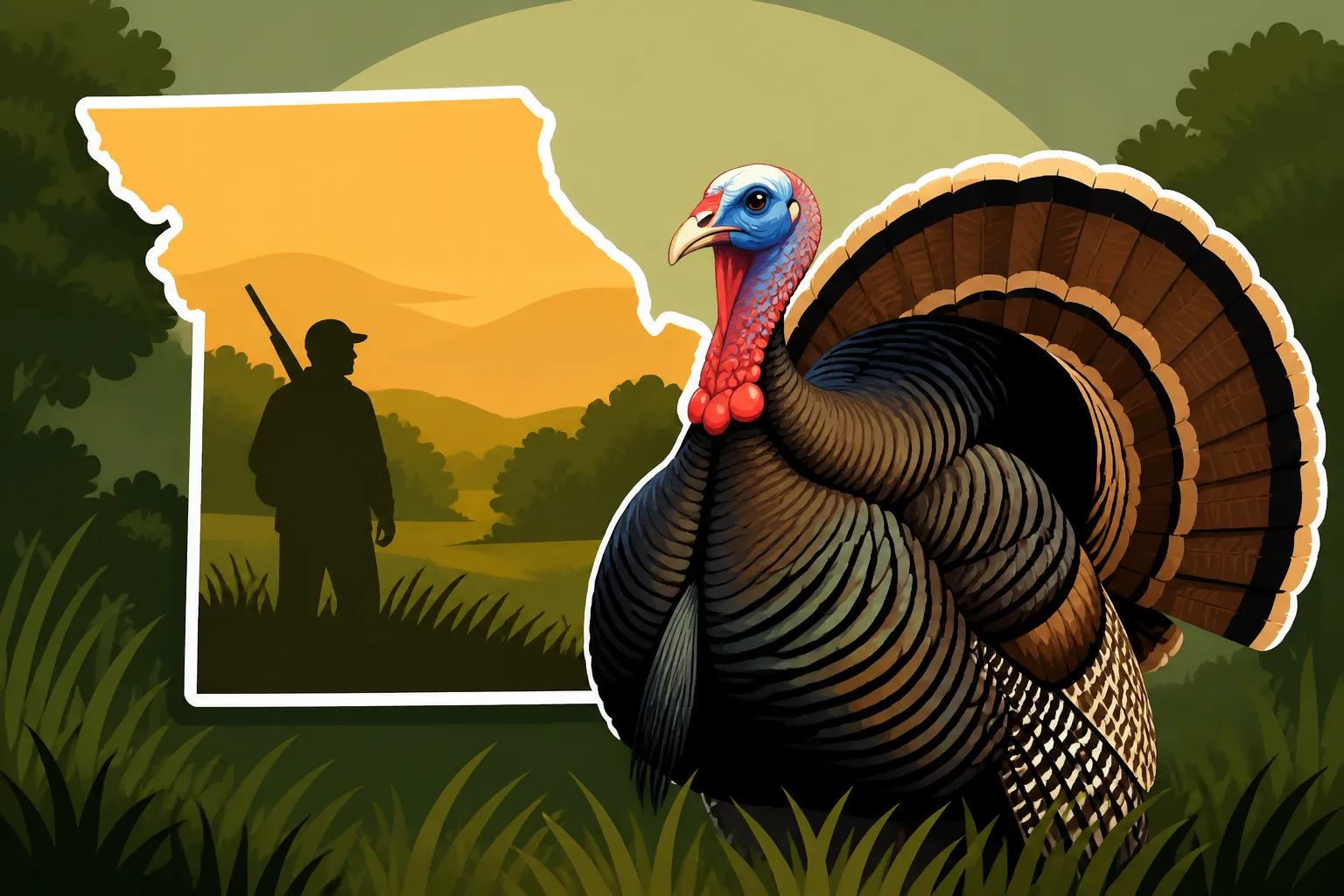
If you're anything like me, a dedicated turkey hunter in Missouri, you've probably found yourself wondering about the health of our wild turkey flocks. It's a natural concern, especially after hearing whispers about good hatches or tough seasons. Understanding the overall population, how it's measured, and what current trends mean for us as hunters is crucial for staying connected to the resource we cherish. This guide will walk you through how Missouri's turkey numbers are estimated, what factors influence them, and what that means for your next hunt.
The Remarkable Resurgence of Missouri's Wild Turkeys
Missouri's wild turkey story is truly one for the history books, a testament to dedicated conservation efforts and the resilience of nature. It's easy to take our abundant turkeys for granted today, but it wasn't always this way. In fact, many older hunters can remember a time when seeing a wild turkey in Missouri was an extremely rare event, almost unheard of.
From Near Disappearance to Widespread Success
At the turn of the 20th century, wild turkeys were practically gone from our state. Unregulated hunting, coupled with widespread habitat destruction from logging and agricultural expansion, pushed these magnificent birds to the brink of extinction. Imagine a Missouri where the thrilling sound of a gobbler echoing through the timber was silent. It’s hard to fathom now, but that was our reality. Beginning in the mid-20th century, concerted efforts by wildlife agencies across the country, including here in Missouri, began to change that narrative. The monumental task of bringing them back was a long, slow grind, but it paid off in spades.
The process involved trap-and-transfer programs, where wild turkeys from remnant populations in states like Arkansas and Missouri's own Ozark hills were live-trapped and relocated to suitable habitats across the state. These weren't just random drops; biologists meticulously selected areas with good cover, water, and food sources, giving the newly released birds the best possible chance to thrive. It took decades of hard work, but these reintroductions were incredibly successful, leading to what many consider one of the greatest wildlife restoration stories in North America. By the late 1970s and early 80s, turkeys were not only re-established but beginning to flourish, offering hunting opportunities that few had ever experienced.
Key Factors in the Historic Comeback
Beyond the trap-and-transfer programs, several critical factors played a role in the wild turkey's incredible comeback. Habitat management was paramount. As forests regenerated and conservation practices gained traction, vast tracts of suitable timberland became available again. Turkeys need a mosaic of habitat – mature timber for roosting, open woodlands for foraging insects and acorns, and brushy cover for nesting and poult rearing. The return of these diverse habitats provided the foundation for a booming population. Additionally, strict hunting regulations, including spring-only seasons and limits on harvest, allowed the population to grow without undue pressure. Education played a role too, as hunters learned about sustainable practices and the importance of allowing birds to reproduce.
Another significant contributor was the reduction of market hunting, which had devastated wildlife populations for generations. With the establishment of wildlife agencies and enforcement of conservation laws, the pressure from commercial exploitation was lifted, allowing turkey numbers to rebound naturally through regulated sport hunting. Furthermore, a deeper understanding of turkey biology and ecology allowed wildlife managers to make informed decisions about herd management, ensuring that populations remained healthy and robust. This holistic approach, combining habitat work, smart regulations, and community engagement, is truly why we have such a vibrant Missouri's Restored Wild Turkey Flock today. It's a legacy we all benefit from and a powerful reminder of what dedicated conservation can achieve.
Pinpointing the Current Missouri Turkey Population Estimate
So, how many wild turkeys do we actually have running around Missouri? That's a question many hunters ask, especially when trying to gauge their chances for the upcoming season. It’s not as simple as counting every bird, of course, but wildlife managers have developed some pretty clever ways to get a solid estimate.
How Population Estimates Are Calculated
Estimating the population of a wide-ranging, elusive creature like the wild turkey is a complex science. You can't just conduct a census like you would for people. Instead, conservation agencies rely on a combination of sophisticated surveys and data collection methods. One of the primary ways is through hunter harvest data, which is crucial. When we telecheck our birds after a successful hunt, that information feeds directly into the population models. These harvest numbers, combined with things like hunter effort and success rates, provide valuable insight into population density and overall health.
Beyond harvest reports, wildlife biologists conduct annual summer brood surveys. These involve observations made by staff and even volunteer cooperators who report the number of adult hens and poults (young turkeys) they see throughout the summer. The "poult-to-hen ratio" is a particularly vital piece of this puzzle, giving a clear indication of annual reproductive success and recruitment into the population. A high poult-to-hen ratio suggests a good hatch and strong survival of young birds, which bodes well for future seasons. Conversely, a low ratio might indicate a tough nesting season due to adverse weather or other factors. These observations, combined with data from tools like The Bowhunter Observation Survey, help paint a more complete picture of what's happening on the ground, or more accurately, in the timber. Many hunters use apps from brands like GoHunt to record their observations, which can sometimes aid in informal local estimates, though official data comes from structured surveys.
Analyzing Recent Trends and What They Tell Us
Wild turkey populations are dynamic, meaning they're constantly fluctuating in response to a myriad of environmental factors. While Missouri has enjoyed a long period of incredible turkey abundance, like many other states, we've seen some Missouri Turkey Population Trends that indicate a slight decline in certain areas over recent years. This isn't necessarily a cause for panic, but it's something wildlife managers are keenly watching and actively researching. Factors such as habitat changes, increased predation pressure, and even disease outbreaks can all contribute to these fluctuations.
One of the biggest culprits often cited for recent dips is poor poult survival, which we touched on earlier. Years with excessively wet, cold springs can be brutal for young turkeys, making them more susceptible to hypothermia and predation. When we see a couple of these tough years back-to-back, it naturally leads to fewer young birds making it to adulthood, which then shows up in lower harvest numbers a few years down the road. Conversely, a mild, dry spring can lead to a boom year, with strong hatches that bolster the population. Understanding these natural cycles is key. For example, some tools available through platforms like GoHunt can help hunters visualize long-term trends, giving them a more informed perspective than just relying on anecdotal evidence from a single season.
Regional Variations and the Influence of Habitat
Missouri is a diverse state, stretching from the rugged Ozark Highlands to the fertile plains of North Missouri. It stands to reason that wild turkey populations aren't going to be uniform across every corner of this varied landscape. Different regions offer different types of habitat, which in turn supports varying densities of turkeys.
Turkey Densities Across Missouri's Diverse Landscapes
When we talk about turkey populations, it’s important to remember that not all parts of Missouri are created equal. The Ozark region, with its vast tracts of mixed hardwood timber, rolling hills, and abundant water sources, has historically been a stronghold for wild turkeys. These areas often boast higher turkey densities, especially in places where timber management practices create a mosaic of different age classes of trees, providing both cover and foraging opportunities. Hunters in the Ozarks might find themselves traversing deep hollows and steep ridges, encountering turkeys that are accustomed to more remote, challenging terrain. The density here can make for incredible hunting opportunities, particularly during the Spring Turkey Calling in Missouri Timber season.
Moving north into the agricultural belt, you might find turkeys in different types of habitats. While large, unbroken timber blocks are less common, turkeys thrive along creek bottoms, timbered draws, and fencerows that dissect crop fields. These areas provide excellent food sources, especially after harvest, and pockets of dense cover. While the overall density might be lower than in the deep Ozarks, the birds that do inhabit these areas can be quite large, benefiting from the nutrient-rich agricultural landscape. Understanding these regional differences is crucial for a hunter using resources like GoHunt to scout new areas, as what works for a gobbler in southern Missouri might not apply to one strutting near a cornfield in the north.
Critical Habitat Components for Thriving Flocks
Regardless of the region, certain habitat components are absolutely critical for a thriving wild turkey flock. Turkeys need roosting trees – typically tall, mature trees with strong horizontal limbs that offer safety from ground predators. They also need nesting cover, which usually consists of dense, low-growing vegetation like briars, thickets, or tall grasses that conceal hens while they incubate their eggs. Good nesting cover is paramount for poult survival, as it protects the vulnerable young birds from predators and adverse weather during their first few weeks of life.
Furthermore, turkeys require diverse foraging areas. They're omnivores, meaning they eat a wide variety of foods. This includes acorns and other hard mast in the fall and winter, insects like grasshoppers and beetles in the spring and summer (especially crucial for growing poults), and a variety of seeds and berries throughout the year. Areas with a mix of mature timber, open woodlands, old fields, and brushy edges provide this essential food diversity. Without all of these pieces of the habitat puzzle, turkey populations would struggle to reach their full potential. Landowners and public land managers often focus on improving these habitat elements to ensure healthy turkey numbers, which directly impacts the hunting experience. When you're Scouting Missouri Public Land Before Season, look for these critical components to identify prime turkey habitat.
What Turkey Population Trends Mean for Missouri Hunters
Understanding the overall turkey population isn't just an academic exercise for biologists; it has real, tangible implications for us as hunters. Knowing the general trends can help you adjust your expectations, refine your strategies, and even empower you to contribute to ongoing conservation efforts.
Adjusting Your Strategy Based on Local Numbers
If state-wide or regional population estimates suggest a downturn, it might mean you need to adjust your hunting strategy. Instead of focusing solely on calling birds in from long distances, you might need to become more mobile, covering more ground to locate birds. This could involve more "run-and-gun" tactics, especially during the Run-and-Gun Turkey Tactics in the Missouri Ozarks season, rather than sitting in one spot for hours. It might also mean putting more emphasis on scouting beforehand, using resources like the Missouri Conservation Atlas or even digital mapping applications from providers like GoHunt to pinpoint those specific areas that still hold good numbers of birds. If poult survival has been low for a couple of years, you might encounter fewer two-year-old gobblers in the spring, making mature birds a bit more challenging to find.
Conversely, if numbers are strong, you might find that birds respond more readily to calls, and there are more opportunities to encounter multiple gobblers in a day. Even when numbers are robust, always remember that turkey hunting is never a guarantee. Weather, hunting pressure, and the individual bird's mood on any given day play huge roles. However, having an understanding of the broader population health can provide valuable context and help you set realistic goals for your hunt, whether you're targeting birds in the spring or during the Missouri Fall Turkey Season when flock dynamics change.
The Hunter's Role in Conservation and Data
As hunters, we are not just consumers of the resource; we are also vital stewards and participants in its management. Every time you purchase a Missouri Spring Turkey Permits and Limits or Missouri Fall Turkey and Small Game Permits, a portion of that money goes directly to funding the conservation efforts that sustain these populations. More directly, our participation in data collection is paramount. When you successfully harvest a turkey, the act of telechecking your bird is more than just a formality; it's a critical contribution to the overall population estimate. This data allows wildlife managers to track harvest numbers, success rates, and even the age structure of harvested birds, which informs their decisions about future seasons and regulations.
Beyond mandatory reporting, many hunters voluntarily participate in surveys like the summer brood survey or submit observations through various platforms. This collective effort provides an invaluable dataset that would be impossible for a small team of biologists to gather on their own. Our observations in the field – noting poult numbers, hen activity, or gobbler locations – contribute to a clearer picture of the population's health. It truly is a partnership between hunters and conservation agencies that ensures the wild turkey population in Missouri remains a strong, huntable resource for generations to come. Your passion for the pursuit directly supports the continued existence of these incredible birds.
Missouri Wild Turkey Population Overview (Hypothetical Trends)
To give you a clearer picture of how different factors might influence turkey populations across the state, here's a hypothetical overview of what general trends could look like in various regions, keeping in mind that actual numbers fluctuate annually.
| Region | General Population Trend | Poult-to-Hen Ratio Trend | Key Influencing Factors | Hunter Impact Notes |
|---|---|---|---|---|
| Ozark Highlands | Stable to Slightly Down | Moderate | Habitat fragmentation, increasing predation, weather | Still good, but more challenging to locate birds than historically |
| Northern Farm Belt | Fluctuating | Highly Variable | Weather extremes, habitat corridors, agricultural practices | Strong in good years, very localized success otherwise |
| Central Timbered | Stable | Consistent | Diverse habitat, consistent mast crops, moderate pressure | Reliable, good opportunities for new and experienced hunters |
| Southeastern Lowlands | Slowly Recovering | Improving | Targeted habitat restoration, less overall pressure | Emerging opportunities, potential for growth |
This table is illustrative, showing the dynamic nature of turkey populations and how various elements contribute to their health in different parts of Missouri. Remember, local conditions can always vary.
Disclaimer
This article is for general informational purposes only and does not constitute professional advice. Laws, prices and regulations vary by location and change over time. Consult a qualified professional for guidance on your specific situation.