Missouri River Otter Comeback
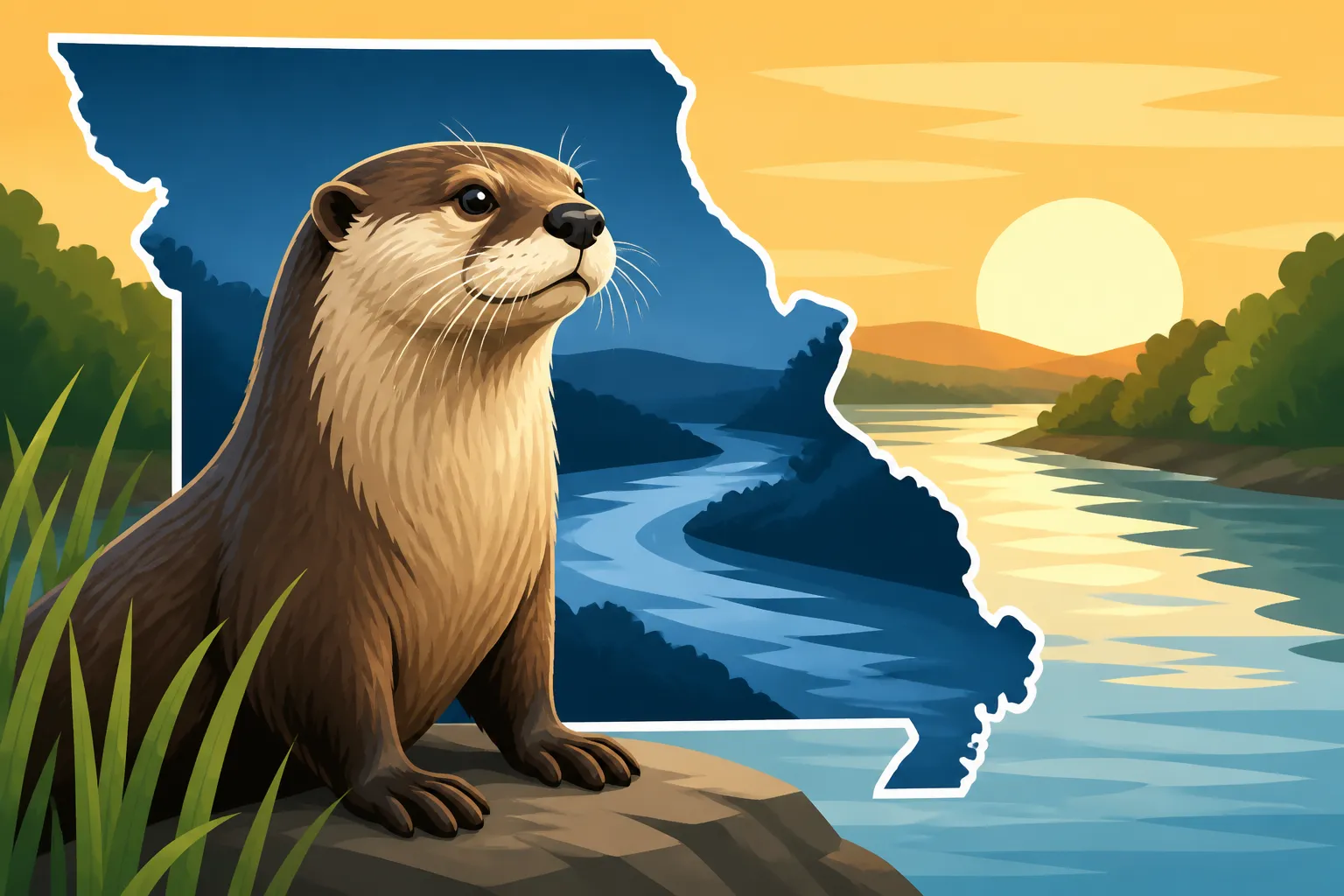
For many folks who've spent time around Missouri's streams and rivers, the idea of regularly seeing a river otter might still feel a bit like a tall tale from yesteryear. You might have heard whispers, or perhaps caught a fleeting glimpse of something sleek and brown darting across the water, making you wonder if your eyes were playing tricks on you. The truth is, while they were once on the brink of vanishing from our state, river otters have made an incredible comeback, and understanding their journey from rarity to regularity is a fascinating story of conservation success right here in the Show-Me State. This guide will walk you through their historical struggles, the dedicated efforts that brought them back, their vital role in our aquatic ecosystems, and what their thriving presence means for Missouri today.
The Historical Decline of Missouri's River Otters
It's hard to imagine now, but there was a time when river otters, these playful and charismatic creatures, were practically ghosts in Missouri's waterways. Their absence was a stark reminder of how dramatically human activity can impact wildlife populations, even those that seem as robust and adaptable as the otter. Understanding why they disappeared helps us appreciate their return even more.
Early Fur Trade and Unregulated Harvest
When European settlers first arrived in what would become Missouri, river otters were abundant, frolicking in nearly every stream, river, and wetland. Their dense, lustrous fur was highly prized, driving a lucrative fur trade that stretched back centuries. Indigenous peoples had long harvested otters for their fur, but always in a way that sustained populations. However, with the arrival of commercial trappers and traders, the scale of harvest changed dramatically, driven by global markets and an insatiable demand.
There was no concept of wildlife management or conservation limits back then. Trapping continued year-round, without regard for breeding seasons or population numbers. This relentless pressure, coupled with increasingly efficient trapping methods, began to chip away at otter populations at an unsustainable rate. It wasn't just Missouri; this pattern of unregulated exploitation led to significant declines in furbearer species across much of North America, pushing many, including the river otter, towards extirpation from large portions of their historic range. By the early 20th century, the sight of a wild otter in Missouri was incredibly rare, a poignant symbol of what happens when natural resources are treated as endless.
Habitat Loss and Water Quality Issues
As if unregulated trapping wasn't enough, the Missouri landscape itself was undergoing massive transformations that further compounded the otters' struggles. The westward expansion and agricultural boom brought extensive deforestation, particularly along river corridors where otters found much of their shelter and food. Forests were cleared for farmland, marshes were drained, and countless streams were straightened or channelized to facilitate farming and reduce flooding. These actions destroyed critical riparian habitat – the complex mix of trees, shrubs, and wetlands along water bodies that otters rely on for denning, hunting, and raising their young.
Simultaneously, the industrial and agricultural revolutions of the late 19th and early 20th centuries brought widespread water pollution. Rivers and streams, once vibrant with life, became conduits for untreated sewage, industrial waste, and agricultural runoff. This degraded water quality directly impacted the otters' food sources, primarily fish and crayfish, and made their living environment toxic. Otters need clean, healthy waterways teeming with prey to survive and thrive. When the water became polluted and their homes were destroyed, even the otters that managed to evade traps struggled to find enough food or suitable places to live, leading to a precipitous drop in their numbers and eventually, their near disappearance from our state.
The Resounding Success of Missouri's Otter Restoration Program
The story of the river otter's return to Missouri is a true testament to the power of dedicated conservation efforts and the resilience of nature when given a helping hand. It wasn't an accident; it was a carefully planned and executed program that stands as one of Missouri's proudest wildlife success stories.
Pioneering Conservation Efforts
By the mid-20th century, Missouri had very few, if any, native river otters left. Recognizing this critical loss, the Missouri Department of Conservation (MDC) embarked on an ambitious reintroduction program in the early 1980s. This wasn't a simple task. It involved sourcing healthy otters from states where populations were still robust, primarily Louisiana, and then carefully trapping and transferring them to suitable release sites across Missouri. Imagine the logistical challenge: capturing wild otters, ensuring their well-being during transport, and then releasing them into new habitats with the hope they would establish breeding populations.
Between 1982 and 1992, the MDC released 845 river otters at 40 different sites across the state, focusing on areas with good potential habitat and a network of connected waterways. This trap-and-transfer method was pioneering at the time and required significant resources and expertise. The long-term vision was clear: to re-establish a self-sustaining population across Missouri's historic otter range. This program was largely funded by hunting and fishing permit sales and federal excise taxes on hunting and fishing equipment, demonstrating how fees paid by outdoor enthusiasts directly contribute to broader wildlife conservation, benefiting species that aren't typically hunted, like otters.
The Ideal Habitat of Missouri's Rivers and Streams
The success of the reintroduction program wasn't just about moving otters; it was also about the improved conditions of Missouri's natural environment. Over several decades, significant strides had been made in cleaning up waterways and restoring critical habitat. Environmental regulations became stricter, leading to a reduction in industrial pollution. Farmers adopted better land management practices, and riparian corridors were slowly being replanted and protected. This meant that when the otters were released, they found cleaner water, more abundant fish and crayfish, and better places to den and raise their young.
Missouri's extensive network of rivers, streams, and wetlands proved to be an ideal environment for the reintroduced otters to flourish. From the clear, spring-fed streams of the Ozarks to the slow-moving rivers and oxbow lakes of the northern plains, the otters found diverse aquatic systems to call home. This rich, interconnected landscape, combined with the tireless efforts of conservationists and the support of the public, allowed the otters to not only survive but to truly thrive, spreading rapidly across the state. This amazing comeback highlights the interconnectedness of our ecosystems; a healthy river system benefits not just otters, but countless other species, including many of those found on the Missouri Waterfowl on the Mississippi Flyway.
Understanding Otter Behavior and Their Role in the Ecosystem
The sight of an otter can bring a smile to anyone's face. They're undeniably captivating, with their sleek bodies, whiskered faces, and seemingly boundless energy. But beyond their playful antics, river otters play a crucial role in maintaining the health and balance of Missouri's aquatic ecosystems.
Playful Predators of the Waterways
River otters are known for their playful nature. Watching them slide down muddy banks, chase each other in the water, or tumble about in the snow is an absolute joy. This playful behavior isn't just for fun; it's also a way they hone their incredible hunting skills and strengthen social bonds. Otters are highly adapted to life in the water, with webbed feet, a powerful tail, and the ability to close their nostrils and ears underwater. They can stay submerged for several minutes, making them formidable underwater hunters.
Their diet primarily consists of fish, but they're opportunistic feeders and will also consume crayfish, frogs, turtles, and even small birds or mammals if the opportunity arises. They're skilled at ambushing prey, using their excellent eyesight and sensitive whiskers to detect movement in murky waters. Otters typically live in dens, called holts, which are often abandoned beaver lodges, hollow logs, rock crevices, or burrows dug into riverbanks. They are generally social animals, especially mothers with their young, but individual otters or small groups can also be found. Their presence is often hinted at by their distinct scat (feces) full of fish scales and bones, or by well-worn slides along riverbanks – natural otter playgrounds.
Indicators of a Healthy Aquatic Environment
More than just charming wildlife, river otters serve as important indicator species. Their very presence signifies a healthy and functioning aquatic ecosystem. As apex predators in their niche, they require a robust food chain, which means the water must be clean enough to support diverse fish populations, and the surrounding habitat must be intact enough to provide shelter and connectivity. If otter populations are doing well, it's a good sign that the overall health of that particular waterway is in good shape.
Their comeback story is a tangible success for the various conservation efforts aimed at improving water quality and restoring riparian habitats across the state. They help keep fish populations balanced and are an integral part of the natural mosaic of Missouri. Occasionally, an otter might discover a fish pond, leading to frustration for the pond owner, but these instances are generally rare and minor when weighed against the ecological benefits they provide. The comeback of the otter, alongside the successful return of beavers, as explored in Missouri Otter and Beaver Recovery, shows just how vital these keystone species are to our natural water systems.
Current Status and Future Outlook for Missouri Otters
From being nearly gone to being a thriving presence, Missouri's river otters are truly a conservation triumph. Today, their populations are robust, and they are once again a common sight for observant nature lovers and those who spend significant time by the water.
Thriving Populations and Management
The reintroduction program was so successful that by 1996, the MDC determined that otters had successfully recolonized much of their former range. By 2005, the population was considered fully recovered and widespread across the state. This incredible recovery meant that Missouri could re-establish a regulated trapping season for otters, a clear sign of their healthy and sustainable numbers. This isn't a return to the unregulated free-for-all of the past; modern trapping seasons are carefully managed with quotas and specific regulations designed to ensure the long-term health of the population.
The MDC continues to monitor otter populations through various methods, including harvest data from trappers and surveys, to ensure that numbers remain stable and healthy. This ongoing management is crucial for balancing wildlife populations with human interests and for preventing future declines. For those interested in the specific regulations, learning about Trapping and Furbearer Permit Basics can provide insight into how these populations are managed today. If you're looking to research furbearer populations or management specifics in different areas, resources like GoHunt can be invaluable for understanding the landscape of wildlife management.
Responsible Viewing and Coexistence
If you're hoping to catch a glimpse of these amazing creatures, patience and a keen eye are your best friends. Otters are often most active during dawn and dusk. Look for them along the banks of rivers like the Missouri and the Big Muddy, or near the many creeks and sloughs that feed into larger water bodies. You can find them across numerous Missouri Conservation Areas Explained, which often boast prime riparian habitat. Quiet observation from a distance is key to not disturbing them. Bring your binoculars and keep a respectful distance – remember, they are wild animals.
It's a privilege to share our waterways with these animals once again. Their return is a powerful reminder that with conscious effort, habitat protection, and responsible management, we can correct past mistakes and restore wildlife populations. The one-eighth-cent sales tax for conservation, a huge part of What the Conservation Sales Tax Bought, has been instrumental in funding the habitat work that made this comeback possible. By appreciating their presence and continuing to support conservation efforts, we can ensure that future generations of Missourians will continue to enjoy the playful antics of river otters for years to come.
| Characteristic | Description |
|---|---|
| Scientific Name | Lontra canadensis |
| Typical Length | 3-4.5 feet (including tail) |
| Weight | 10-30 pounds |
| Diet | Primarily fish, crayfish, amphibians, small mammals, birds |
| Habitat | Rivers, streams, lakes, wetlands, marshes |
| Den Name | Holt (often in abandoned beaver lodges or bank burrows) |
| Social Behavior | Often seen alone or in small family groups |
| Conservation Status in MO | Fully recovered, managed with regulated trapping |
| Key Role | Indicator species for healthy aquatic environments |
Disclaimer
This article is for general informational purposes only and does not constitute professional advice. Laws, prices and regulations vary by location and change over time. Consult a qualified professional for guidance on your specific situation.