Deer Meat Donation in Missouri
After a successful hunt in Missouri, many hunters find themselves with a freezer full of venison, which is a fantastic problem to have! But sometimes, between filling your own freezer, sharing with family and friends, and perhaps taking another deer later in the season, you might realize you have more venison than you can reasonably use. This guide is here to walk you through the incredibly rewarding process of donating your deer meat in Missouri, ensuring that no good meat goes to waste and, more importantly, that those in need benefit from your hard work in the field.
Why Consider Donating Your Deer Meat in Missouri?
Hunting isn't just about the thrill of the chase or the challenge of the stalk; it's also about conservation and responsibly utilizing a renewable resource. When you donate your deer meat, you extend the benefits of your hunt far beyond your own dinner table, truly embodying the spirit of community and good stewardship.
Easing the Burden of Excess Harvest
Let's be honest, those late-season antlerless tags can add up, especially if you're hunting in a county with a high deer population or have access to great private land. You might find yourself with a couple of deer in the cooler and realize your freezer capacity is quickly diminishing. Or maybe you're a diligent hunter who fills multiple How Many Deer You Can Take in Missouri permits throughout the archery and firearms portions. It’s a great feeling to be successful, but it can also be a logistical challenge to process and store all that meat. Donating becomes an elegant solution, preventing waste and making sure every ounce of that hard-earned venison finds a purpose. It's far better for that lean, healthy protein to feed someone than to sit in your freezer, eventually becoming freezer-burned or forgotten.
Supporting Local Communities and Families
The most profound impact of deer meat donation is on the people it helps. In Missouri, thousands of individuals and families struggle with food insecurity every single day. Protein, especially lean, high-quality protein, can be an expensive and sometimes scarce resource for food banks and pantries. Your donated venison provides a nutritious meal, often a main course, that might not otherwise be available. Imagine the difference a few pounds of ground venison can make to a family stretching a grocery budget, or to an elderly person who needs easily digestible, healthy food. It's a direct, tangible way for hunters to contribute to the well-being of their neighbors and strengthen the fabric of their local communities.
Ethical Hunting and Resource Management
At its core, ethical hunting is about respect for the animal and the resource. When we harvest an animal, we take on the responsibility to ensure that its meat is used wisely. Donating deer meat aligns perfectly with this principle. It demonstrates a commitment to not only harvest but also to fully utilize the resource, minimizing waste. Furthermore, by participating in donation programs, hunters contribute to broader wildlife management goals. In many areas, managing deer populations is crucial for ecosystem health, reducing crop damage, and mitigating deer-vehicle collisions. Your antlerless harvest, often a key component of donation, directly aids in achieving balanced herd numbers. It shows the non-hunting public that hunters are not just takers, but generous contributors to societal well-being and responsible land stewards.
Navigating Missouri's Deer Donation Programs
So, you've decided to donate. That's fantastic! The process is designed to be straightforward, but knowing the steps and the key program will make it even smoother. Missouri is fortunate to have a well-established system for facilitating these donations.
The Share the Harvest Program: A Lifeline for Many
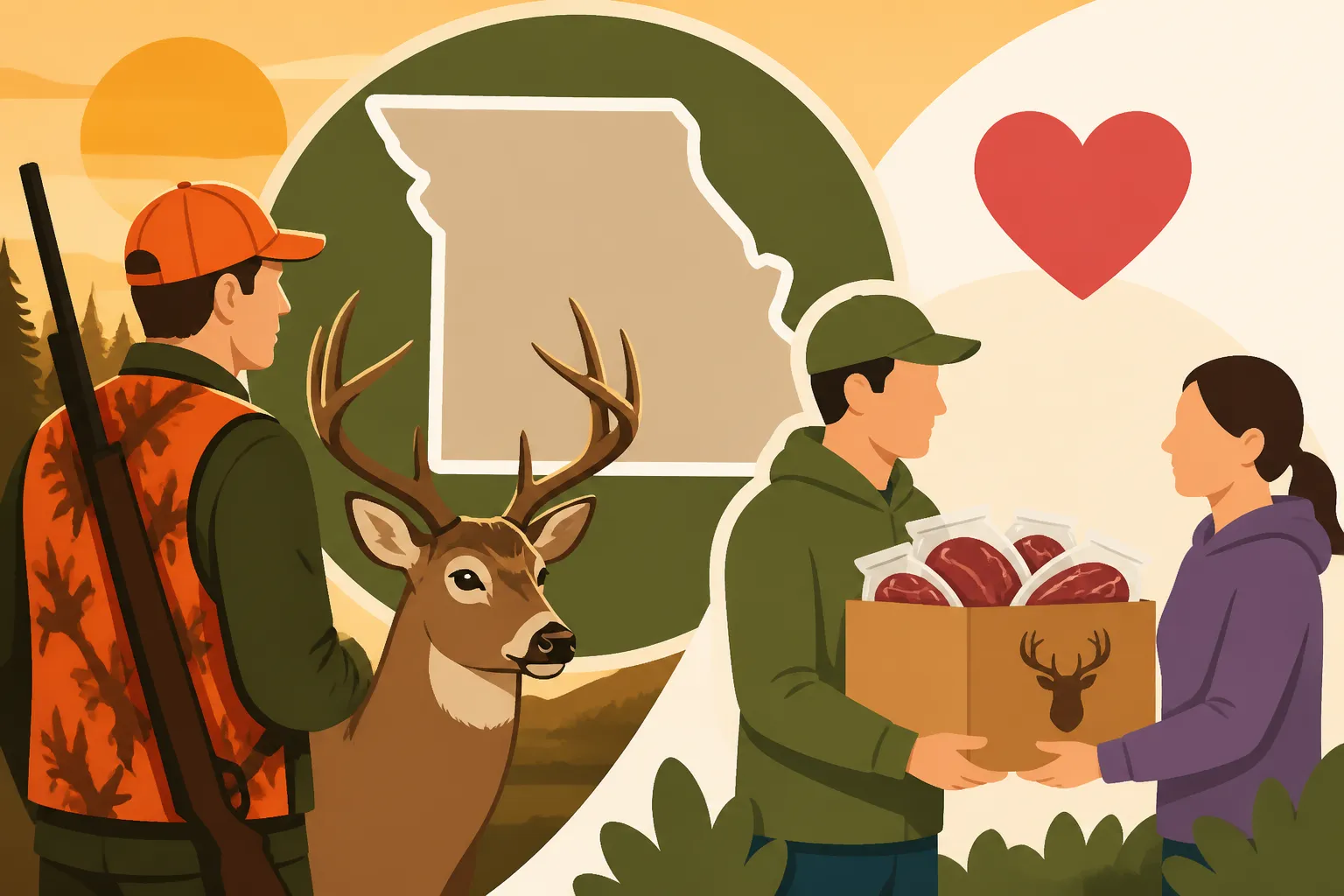
The flagship program for deer meat donation in Missouri is undoubtedly Share the Harvest. This incredible initiative, a partnership between the Conservation Federation of Missouri and the Missouri Department of Conservation, has been connecting hunters with hungry Missourians for decades. It's simple in concept: hunters harvest deer, take them to a participating meat processor, and choose to donate some or all of the venison. The processor then grinds, packages, and freezes the meat, which is later distributed through local food banks, pantries, and charities. This program truly makes it easy for hunters to contribute, taking the guesswork out of finding recipients and ensuring the meat is handled professionally. Many hunters plan their season around this, knowing that a successful harvest will not only fill their freezer but also help others. If you're using a planning tool like GoHunt, you can even factor in your anticipated donation into your season strategy, perhaps targeting an antlerless deer specifically for the program.
Finding a Participating Processor Near You
The success of Share the Harvest hinges on its network of participating meat processors. These are local businesses that generously agree to process donated deer, often at a reduced rate or with some costs covered by the program. Finding one close to your hunting area is key. The Missouri Department of Conservation's website usually provides an up-to-date list of participating processors by county. It's always a good idea to call ahead to your chosen processor, even before you head out for your hunt. Ask them about their specific drop-off hours, any particular requirements for donated deer (e.g., must be field-dressed immediately, no head or hide), and if they have any capacity limits, especially during the peak of the Missouri's Eleven-Day November Firearms Deer Season. You don't want to get back from a successful hunt, Telechecking a Missouri Deer, only to find your local processor isn't accepting donations that day. Many of these processors are small, family-owned operations, and a quick phone call helps everyone plan.
Understanding the Requirements for Donation
While the Share the Harvest program aims to be accessible, there are some essential requirements to ensure the quality and safety of the donated venison. First and foremost, the deer must be legally harvested, and you'll need to present your permit information, just as you would for any deer you keep. The deer should be in good condition, meaning no signs of spoilage, heavy trauma (beyond the shot), or disease. It's crucial to Field Dressing and Cooling in Early-Season Heat immediately after harvest, especially in warmer weather, to prevent bacterial growth. The hide can typically remain on, but a clean field dress is paramount. Many processors prefer the deer to be skinned and quartered if you have the capability, but most will accept a whole, field-dressed carcass. Remember, this meat is going to feed people, so treating it with the utmost care from the moment of harvest is a moral imperative. Always check with your specific processor for any unique rules they might have regarding preparation.
The Practicalities of Donating Your Deer
Donating is a noble act, but like any aspect of hunting, it involves some practical steps and considerations. Knowing what to expect regarding handling, processing, and potential costs will make the experience smooth and rewarding.
Field Dressing and Initial Care for Donation
The journey of your donated venison truly begins the moment you retrieve your deer. Proper field dressing is non-negotiable, whether you're keeping the meat or donating it. Remove all internal organs swiftly and cleanly. If you're on public land or hunting a remote area, having the right tools for Getting a Deer Out of a Hollow Alone and then getting it field-dressed is critical. Rapid cooling is the next crucial step. In warmer temperatures, this might mean packing the body cavity with ice or placing the deer in a cooler filled with ice if feasible. Even in colder weather, hanging the deer in a cool, shaded place allows the body heat to dissipate, which is vital for meat quality. A deer that hasn't been properly cared for in the field will not be accepted by a processor for donation, and rightly so. Think of it this way: if you wouldn't eat it yourself, it's not fit for donation. Some hunters, particularly during archery season, might even use game bags and a method like the Butchering a Deer at Missouri Deer Camp to quarter the animal and get it cooled down quickly, ensuring the best possible meat quality for donation.
What to Expect at the Processor
When you arrive at the participating processor, you'll typically be asked to complete a simple form for the Share the Harvest program. This form will confirm your legal harvest and your intent to donate. The processor will then inspect the deer to ensure it meets health and quality standards. If it passes, they will take possession of the carcass. The magic then happens behind the scenes: the deer is skinned, deboned, trimmed, ground (usually into lean burger), and packaged. Most donated venison is ground because it's the most versatile for food banks and easiest to store and distribute. You won't receive any meat back, as the entire process is set up to distribute to charities. It’s a seamless hand-off, allowing you to get back to planning your next hunt, perhaps using your GoHunt app to scout new areas or review your past season's success.
Financial Considerations for Donors
While donating is a charitable act, there is often a nominal fee involved. Processors do a tremendous amount of work, and while the Share the Harvest program often subsidizes a portion of the processing costs, hunters typically cover a small fee per deer. This fee helps cover the processor's labor, packaging materials, and energy costs associated with grinding and freezing the meat. It's usually a fraction of what it would cost to have a deer fully processed for your own freezer. Many hunters consider this a small investment for the immense good their donation provides. It’s always best to inquire about the exact donation fee when you call the processor. Remember, every dollar you contribute to this fee directly supports the system that gets high-quality protein to those who need it most.
Here's a quick overview of the typical donation process:
| Step | Description | Key Considerations |
|---|---|---|
| 1. Harvest Legally | Take a deer during any legal Missouri deer season, following all regulations. | Ensure you have the correct Missouri Deer Permits and How to Buy One. |
| 2. Field Dress & Cool | Immediately and thoroughly field dress the deer. Get the carcass cooled down as quickly as possible. | Refer to guides on Getting Deer Meat Cooled Quickly to maintain meat quality. |
| 3. Locate Processor | Find a participating Share the Harvest processor using the MDC website or by calling local shops. | Call ahead to confirm hours, requirements, and if they are accepting donations. |
| 4. Transport Deer | Bring the field-dressed deer to the processor. | Ensure legal transport; typically, the head and evidence of sex or antlers must remain attached until reaching final processing. |
| 5. Complete Form & Pay Fee | Fill out the Share the Harvest donation form and pay the small processing fee. | The fee is crucial to cover processor costs and keep the program running. |
| 6. Processor Handles | The processor takes over, skins, debones, grinds, packages, and freezes the venison. | You will not receive any meat back; it all goes to charity. |
| 7. Meat Distribution | The processed venison is picked up by food banks and distributed to families in need. | Your contribution makes a direct impact on combating food insecurity. |
Beyond the Basics: Making the Most of Your Donation Experience
Donating deer meat is a wonderful act on its own, but there are ways to amplify your impact and make it an even more meaningful part of your hunting lifestyle. It's about building on that generosity and encouraging a wider culture of giving within the hunting community.
Spreading the Word and Encouraging Others
One of the most powerful things you can do after donating is to simply talk about it. Share your experience with your hunting buddies around the campfire or at deer camp. Post about it on social media, even just a simple photo with a note about your donation. Many hunters don't even realize that deer donation programs exist or how easy they are to use. Your personal story can inspire others to participate, multiplying the amount of venison that reaches hungry families. Discuss the benefits you experienced, whether it was clearing out freezer space, the satisfaction of helping others, or simply streamlining your post-harvest routine. The more hunters who know about and participate in Share the Harvest, the greater the impact will be across Missouri. Even a casual mention of how GoHunt helped you identify a good spot for an antlerless deer to donate can spark interest.
Volunteer Opportunities with Donation Programs
If you're looking to deepen your involvement beyond simply donating a deer, consider volunteering your time with the Conservation Federation of Missouri or local food banks that distribute the venison. Volunteers are often needed to help with administrative tasks, coordinate with processors, or even assist with transporting processed venison to distribution points. This gives you a firsthand look at the entire process and connects you with other passionate individuals dedicated to this cause. It's a chance to see exactly where your donated meat goes and the grateful faces of those who receive it. It’s a powerful reminder of the broader community that supports hunting and benefits from its generous spirit. Getting involved can also be a great way to meet other like-minded hunters and conservationists who share your values and dedication to the outdoors and giving back.
Disclaimer
This article is for general informational purposes only and does not constitute professional advice. Laws, prices and regulations vary by location and change over time. Consult a qualified professional for guidance on your specific situation.