Aging Venison Before Cutting
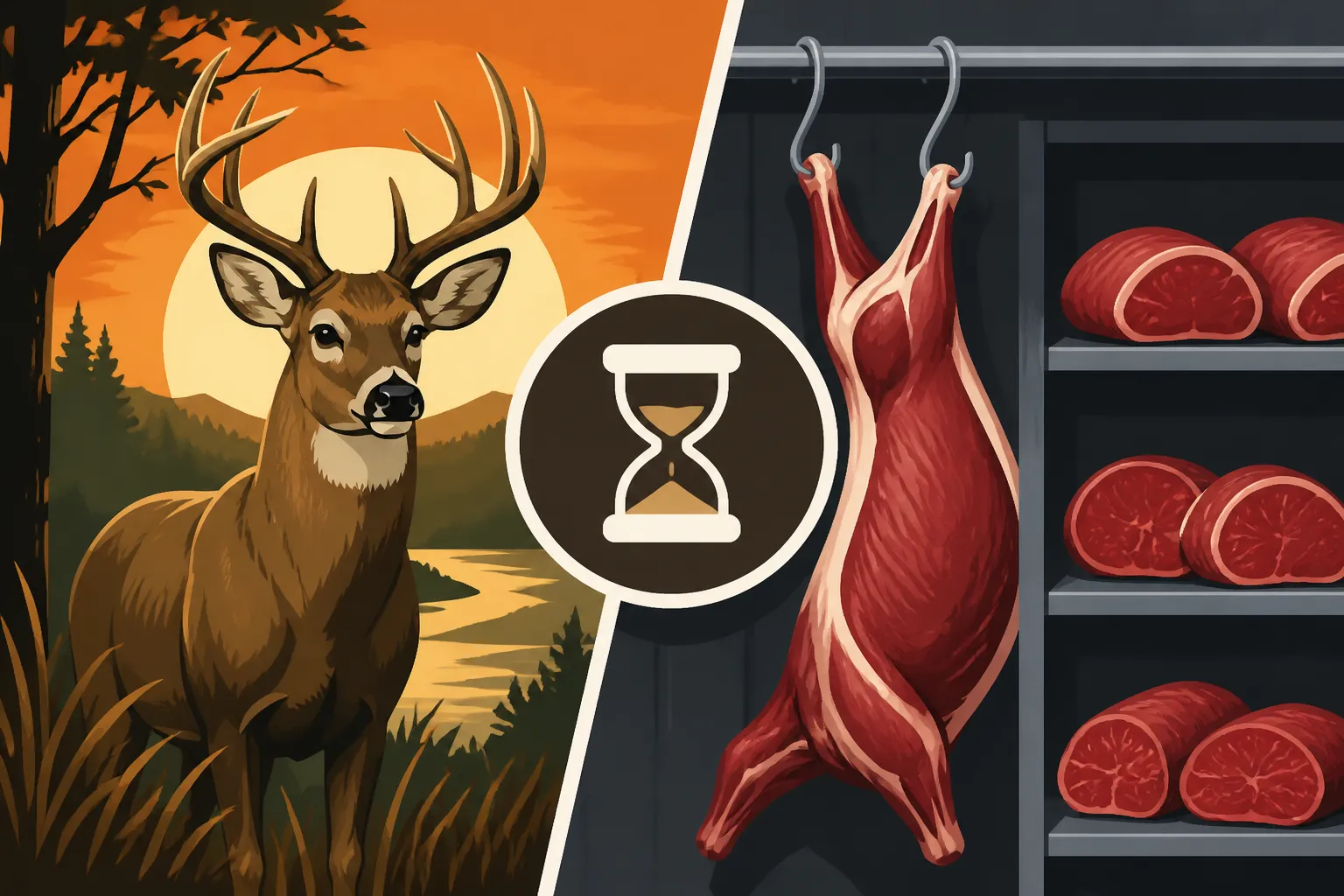
Every deer hunter has been there: you put in the hard work, made a great shot, and finally have a beautiful Missouri whitetail on the ground. You're exhausted, excited, and maybe a little overwhelmed, especially when you start thinking about the processing. Rushing the butchering can be a common mistake, leading to meat that just doesn't live up to its potential, often turning out tougher than a boot. This guide is here to walk you through the essential process of aging venison before you ever lift a knife to begin cutting, ensuring you get the most tender, flavorful meat from your harvest.
Understanding Venison Aging: Why It's Worth the Wait
For many folks, getting a deer means a race against the clock. Get it field dressed, get it cooled, and then get it cut and wrapped. But taking a pause after the initial cooling phase, and allowing your venison to "age," can be the single most impactful step you take to improve the eating quality of your deer. It’s not just some fancy chef trick; it’s a time-honored practice rooted in biology that every hunter should understand and ideally implement.
Aging, in essence, is the controlled breakdown of muscle tissue. Right after an animal is harvested, its muscles are full of tension, a state known as rigor mortis. This tension can make meat incredibly tough. By allowing the venison to hang or rest under specific conditions, natural enzymes within the muscle fibers go to work, tenderizing the meat and enhancing its flavor. Think of it like a fine wine or a good cheese; some things just get better with a little time and the right environment. This process transforms a tough cut into something far more palatable and enjoyable, making all your hard work in the field truly pay off at the dinner table.
The Problem with Rushing Processing
Imagine spending hours in a stand, braving the elements, and finally tagging that buck you've been after all season. You do everything right: a clean harvest, a quick Field Dressing and Cooling in Early-Season Heat or proper Getting Deer Meat Cooled Quickly, and then you rush it straight to the butcher or your home processing station. The result? You might end up with roasts and steaks that are chewy, even when cooked perfectly, or ground meat that feels a bit coarse. This isn't because the deer itself was tough; it's often due to the muscle fibers still being in that state of rigor. Without the aging process, those tough fibers remain, no matter how skilled you are with a knife or how slow you cook it. It's a common frustration, especially for new hunters or those who haven't explored this vital step in game preparation.
The Benefits of Proper Aging
When done correctly, aging venison offers two primary benefits: tenderization and enhanced flavor. The tenderization comes from those enzymes breaking down connective tissues and muscle fibers, relaxing them and making the meat softer. This is a game-changer for those tougher cuts from the hindquarters or backstraps. The flavor enhancement is a bit more nuanced. As the muscle fibers break down, some moisture is lost, concentrating the natural venison flavors. It also allows for the development of more complex, savory notes that aren't present in unaged meat. This deeper flavor profile is what separates good venison from truly exceptional venison. It makes the difference between simply eating wild game and savoring it, turning an ordinary meal into a culinary experience.
The Biological Process: How Enzymes Transform Toughness
Understanding the "why" behind aging can help you appreciate the "how." It's not magic; it's a natural biological process driven by enzymes that are already present in the animal's muscle tissue. When an animal is alive, these enzymes perform various functions, but after death, with the cessation of blood flow and oxygen, their role changes dramatically. They begin to break down the complex proteins and connective tissues that make up muscle fibers, effectively tenderizing the meat from the inside out.
Rigor Mortis and Post-Mortem Changes
Immediately after a deer is harvested, a process called rigor mortis begins. This is when the muscles stiffen and contract due to a depletion of ATP (adenosine triphosphate), the energy source that allows muscles to relax. The venison becomes firm and less pliable. If you try to cut and cook meat during this phase, it will almost certainly be tough. This is why immediate processing isn't ideal. The enzymes need time to act on these contracted muscle fibers and connective tissues. Over several hours to days, depending on environmental conditions, these enzymes gradually work to break down the cross-linkages that cause the stiffness, leading to what's known as the "resolution of rigor." This is the first critical step toward tender meat.
The Role of Proteolytic Enzymes
The stars of the show in venison aging are proteolytic enzymes. These natural enzymes, like cathepsins and calpains, are present in muscle cells and are designed to break down proteins. After the animal dies, without the body's normal regulatory mechanisms, these enzymes become very active. They start to degrade the structural proteins within the muscle fibers, as well as the connective tissues that bind those fibers together. This enzymatic action is what directly causes the tenderization you seek. The longer the meat is aged (within reason and under proper conditions), the more these enzymes can work, resulting in progressively more tender venison. This enzymatic breakdown also contributes to the development of those richer, more complex flavors we discussed earlier, making the wait truly worthwhile.
Practical Approaches to Aging Deer Meat at Home
For the average Missouri hunter, aging venison at home typically involves one of two methods: dry aging or wet aging. Both aim for the same result—tender, flavorful meat—but they achieve it through different means and require different setups. Regardless of the method you choose, the absolute cornerstone of successful aging is proper temperature control. Too warm, and you risk bacterial spoilage; too cold (freezing), and the enzymatic action stops completely.
Dry Aging Venison
Dry aging is the traditional method, often associated with high-end beef. It involves hanging a whole or large primal cut of venison, exposed to air, in a carefully controlled environment. The ideal conditions for dry aging are generally a temperature between 34-37°F (1-3°C) and a humidity level between 75-85%. This environment allows for surface dehydration, which forms a dry, protective crust. Below this crust, the enzymes do their work. The key benefit of dry aging is that it concentrates the flavor even further due to moisture loss and promotes a unique nutty, savory taste that many connoisseurs adore. However, dry aging requires a dedicated space, like a walk-in cooler or a specialized aging refrigerator, that can maintain consistent temperature and humidity. You also need to be prepared to trim away the dried outer layer, which results in some loss of product. For many home hunters, especially those with limited space, this can be a significant hurdle. Nevertheless, if you have the means, the results can be truly spectacular. GoHunt and similar resources often delve into the specialized equipment and precise conditions needed for advanced game processing, helping dedicated hunters set up their ideal environment.
Wet Aging Venison
Wet aging is a much more accessible and widely used method for home hunters, especially in places like Missouri where many don't have dedicated walk-in coolers. This method involves vacuum-sealing individual cuts or primal sections of venison shortly after they've been cooled. Once sealed, the meat is stored in a refrigerator at a consistent temperature, typically between 34-38°F (1-3°C). Because the meat is sealed, it retains all its moisture, hence "wet" aging. The proteolytic enzymes still work their magic in this anaerobic (oxygen-free) environment, breaking down muscle fibers and tenderizing the meat. The primary advantages of wet aging are that it prevents moisture loss (meaning less trim loss), it can be done in a standard refrigerator, and it significantly reduces the risk of surface contamination or spoilage compared to dry aging. Most hunters find that 7-14 days of wet aging provides excellent tenderization and flavor improvement. This is a practical, effective method for most deer hunters looking to elevate their venison.
Optimal Aging Times and Temperatures
The "sweet spot" for aging venison can vary based on factors like the deer's age, how quickly it was cooled, and your personal preference for tenderness. A younger deer might only need a few days, while an older, larger buck could benefit from a longer period.
Here's a general guideline for home aging:
| Method | Temperature Range (F) | Duration | Key Considerations |
|---|---|---|---|
| Dry Aging | 34-37°F | 7-21 days | Requires consistent humidity, results in trim loss. |
| Wet Aging | 34-38°F | 7-14 days | Best for home refrigerators, no trim loss from drying. |
| Whole Carcass | 34-40°F | 5-10 days | Requires a cool, clean space; risk of surface drying. |
Regardless of the method, the goal is to keep the meat consistently cold without freezing it. Freezing halts the enzymatic process, defeating the purpose of aging. For those looking to precisely manage their game processing from field to freezer, resources like GoHunt can be valuable for staying informed about best practices and understanding critical environmental factors for optimal results.
Avoiding Common Pitfalls for Better Results
Even with the best intentions, things can go sideways when aging venison. A little knowledge about what to look out for and how to troubleshoot common issues can save your hard-earned meat from spoiling or simply not reaching its full potential. Successfully aging your deer means paying attention to details and being proactive.
Temperature Fluctuations and Spoilage
The most critical factor in aging is temperature consistency. Any significant fluctuation, especially upward, can create a breeding ground for harmful bacteria. If your aging environment gets too warm—say, above 40°F (4°C) for an extended period—you risk spoilage rather than tenderization. This is why simply hanging a deer in a garage on a warm Missouri fall day is a recipe for disaster. The ideal range is just above freezing. If you're utilizing a cooler with ice, be diligent about draining water and replenishing ice to maintain that stable, cold environment. For those dedicated to learning every aspect of successful hunting and processing, much like how many use detailed apps or platforms to track crucial data points, such as those available through a service like GoHunt, monitoring your aging temperature closely is paramount.
Handling and Hygiene Practices
Before aging even begins, proper handling and hygiene are non-negotiable. A deer that wasn't Field Dressing a Deer in Warm Weather quickly and cleanly, or one that wasn't kept free of dirt and debris, is already at a disadvantage. When handling the meat for aging, whether you're vacuum sealing for wet aging or preparing large cuts for dry aging, ensure your hands, knives, and work surfaces are impeccably clean. Any contamination introduced at this stage can flourish during the aging process, leading to off-flavors or outright spoilage. Using clean game bags when hanging a carcass, or sanitizing your vacuum sealer and bags, are small steps that make a huge difference in the final product. Remember, even with the best intentions, poor hygiene can undermine all your efforts.
Recognizing Signs of Spoilage
It's important to know the difference between desirable aging and spoilage. During aging, particularly dry aging, the surface of the meat will darken and dry out, which is normal. However, active mold growth (beyond a light, fuzzy white mold which is sometimes acceptable but still should be trimmed), a slimy texture, or a foul, putrid odor are clear signs of spoilage. A healthy aged piece of venison should have a clean, slightly gamey, and sometimes nutty aroma. If you're ever in doubt, trust your nose and err on the side of caution. It's better to discard questionable meat than risk foodborne illness. Getting your Getting Venison Home From Missouri properly and taking all necessary steps, including using Coolers for a Warm Missouri Opener and plenty of Ice for Hauling a Deer Out, ensures you start with the best possible foundation for aging. After the aging period, you can proceed to Butchering a Deer at Missouri Deer Camp and prepare your venison for the freezer, confident you've done everything to ensure peak quality.
Disclaimer
This article is for general informational purposes only and does not constitute professional advice. Laws, prices and regulations vary by location and change over time. Consult a qualified professional for guidance on your specific situation.