Setting a Goose Spread in Cut Corn
Canada goose hunting in Missouri cut cornfields requires strategic decoy placement based on bird behavior, feeding patterns, and wind direction.
Close the distance.
Archery, muzzleloader, and firearm techniques — calling, stand placement, still-hunting, spot-and-stalk, and the weapon rules that change at the state line.
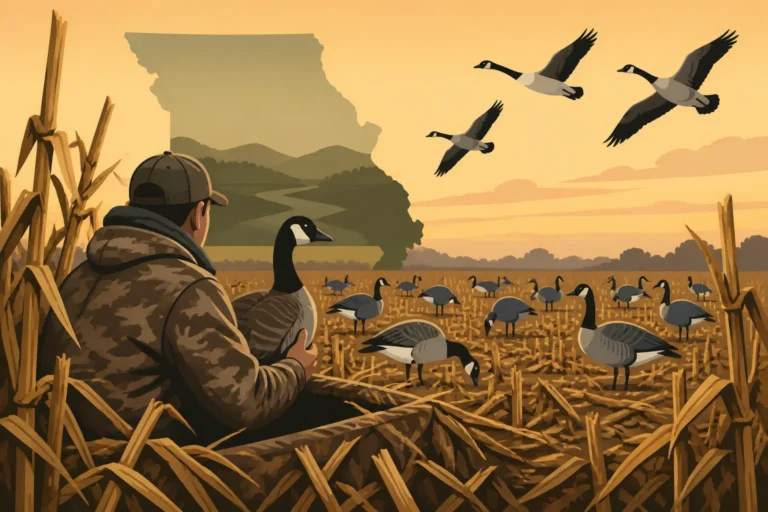
Canada goose hunting in Missouri cut cornfields requires strategic decoy placement based on bird behavior, feeding patterns, and wind direction.
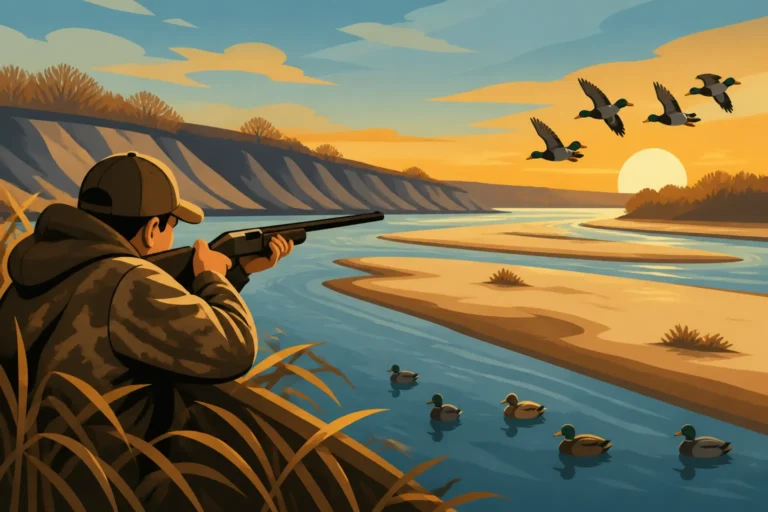
Missouri River sandbars offer unpressured waterfowl hunting for mallards, geese, and other migratory birds along the Mississippi Flyway.
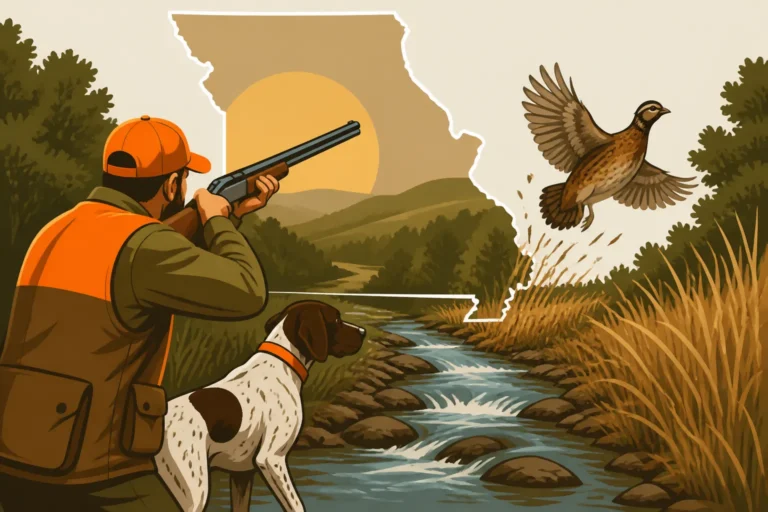
Jump shooting small creeks in Missouri offers duck hunters solitude, less pressure, and accessible waterfowl opportunities away from crowds.
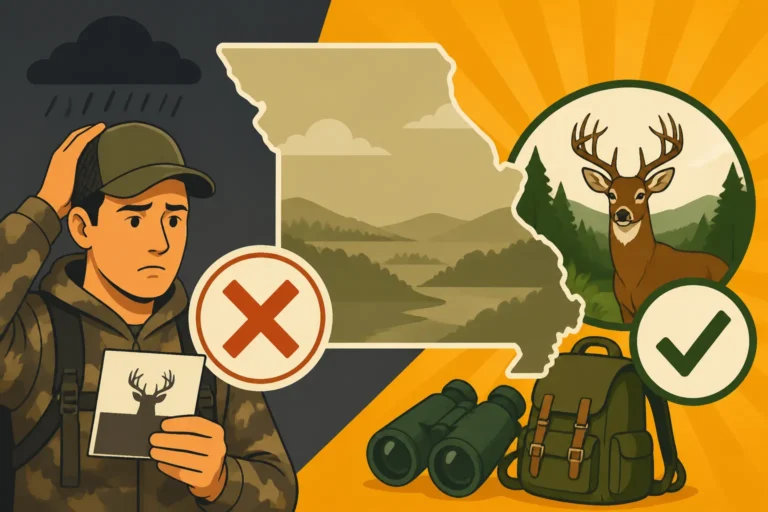
Missouri managed hunt draw numbers dictate hunting location choices, helping hunters turn poor lottery positions into successful days afield.
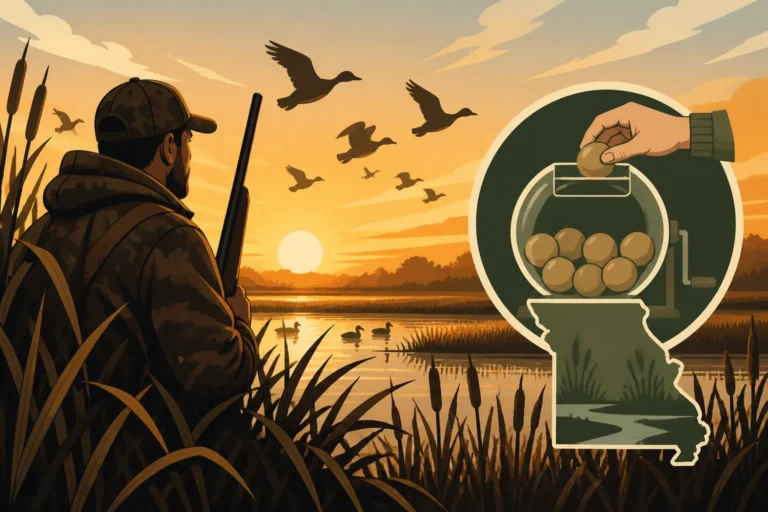
Missouri waterfowl hunting drawings determine blind selection at managed wetlands through a random lottery system for registered parties.
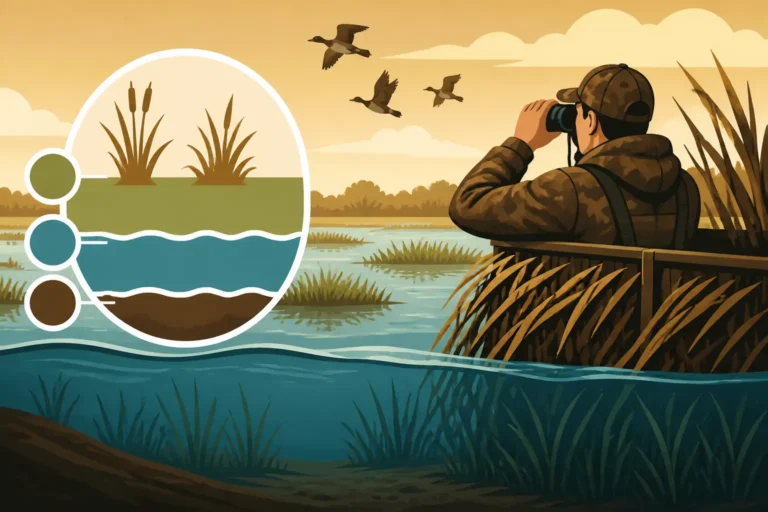
Wetland water levels in Missouri dictate duck behavior, helping hunters predict bird locations and find reliable updates from the Department of Conservation.
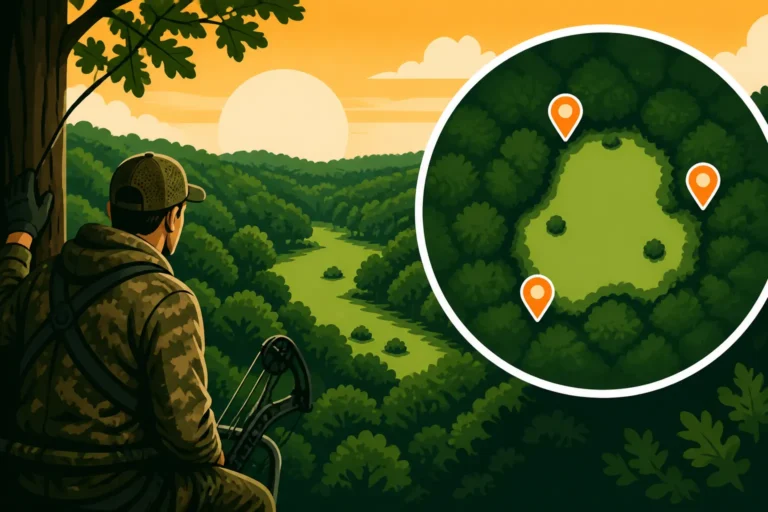
Missouri flooded green timber duck hunting strategies explain how water levels and acorns attract mallards to specific holes.
Missouri Department of Conservation rules on turkey reaping and fanning clarify legality, hunter safety concerns, and decoy use.
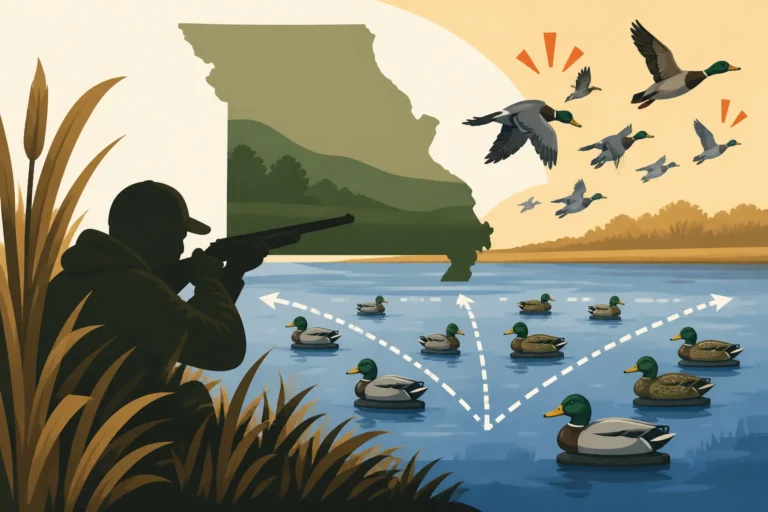
Decoy placement strategies help Missouri hunters outsmart wary turkeys and ducks that refuse to commit to standard setups.
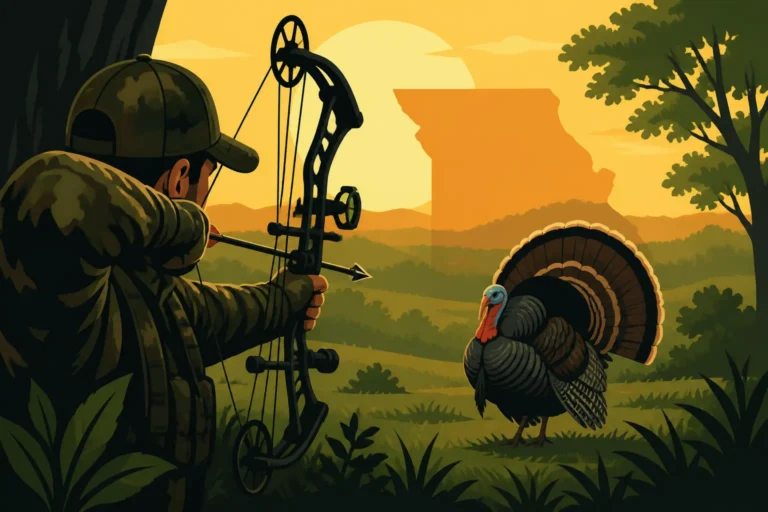
Missouri turkey bowhunting requires close range shots within twenty to thirty yards, ground blinds, decoys, and proper gear.