Where Missouri Black Bears Live
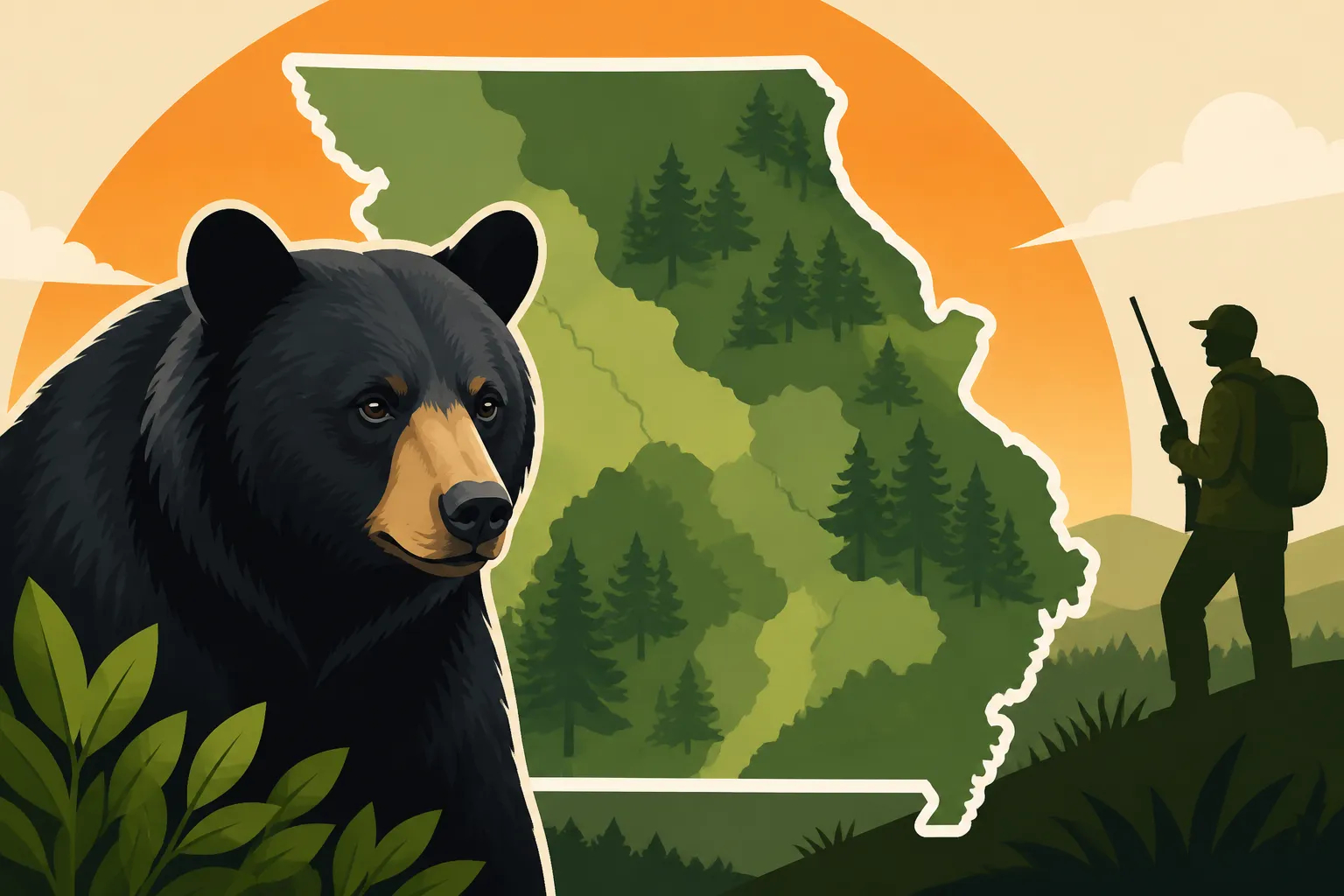
The idea of black bears roaming Missouri might sound like something out of a tall tale to some folks, but I can tell you firsthand, these incredible animals are very much a part of our state's wild landscape again. If you’ve ever wondered where exactly you might encounter one of these magnificent creatures, or what parts of Missouri they truly call home, you're not alone. Many of us are still getting used to the idea, and it's essential to understand their range for both safety and appreciation. This guide will take a deep dive into where Missouri's black bears live, why they prefer those areas, and what to keep in mind when venturing into their territory.
The Resurgence of Black Bears in Missouri
Missouri's black bear population is a true conservation success story, though one that many residents are only just starting to fully grasp. For a long time, the idea of a wild bear in the Show-Me State felt like a relic of the past, something you read about in history books or heard from your great-grandparents. But thanks to natural recolonization and some careful management, they're back, and they're thriving in specific pockets of our state.
A History of Return
It might surprise you to learn that black bears were once common throughout much of Missouri. Early settlers and unregulated hunting, however, led to their extirpation from the state by the early 20th century. They were effectively gone. Fast forward to the mid-20th century, and efforts in Arkansas to reintroduce black bears started to pay off. As that population grew and expanded, bears naturally began to wander north, finding their way across the border and back into Missouri's wild lands. This natural migration started picking up steam in the 1990s and has continued steadily since.
It's been a slow, natural process, not a reintroduction project within Missouri itself, which makes their return even more remarkable. The bears that came back found suitable habitat and began to establish new breeding populations. This success story is why we now have a growing, self-sustaining population, leading to discussions about things like Missouri Black Bear Season History and how we manage this increasing wildlife presence.
Why the Ozarks?
If you were to draw a circle around the prime black bear country in Missouri, it would overwhelmingly encompass the rugged, heavily forested Ozark Highlands. This isn't by accident; it's precisely because the Ozarks offer everything a black bear needs to survive and thrive. Think about it: bears are naturally shy, intelligent, and require vast tracts of undisturbed land for their daily wanderings, feeding, and denning.
The Ozarks provide dense, unbroken forests dominated by oak and hickory, which are crucial for mast crops like acorns – a primary food source for bears, especially in fall. The terrain is often steep and broken, offering countless secluded hollows, thickets, and rock outcroppings where bears can find shelter and raise their cubs away from human disturbance. Water sources are abundant with creeks, springs, and rivers winding through the landscape. This combination of food, cover, and solitude makes the Missouri Ozarks an ideal sanctuary for black bears.
Core Black Bear Range in Missouri
While bears are slowly expanding their footprint, there are definite strongholds where you're most likely to find them. These are the areas with the densest populations and the most consistent sightings.
Southern Missouri Strongholds
The heart of Missouri's black bear country lies deep in the southern half of the state, particularly in the south-central and southeastern Ozarks. Counties like Shannon, Carter, Reynolds, Ripley, Oregon, and Howell often report the highest concentrations of bears. These areas are characterized by vast stretches of timber, including portions of the Mark Twain National Forest, which provides millions of acres of prime, undeveloped habitat.
In these parts of Missouri, bears aren't just passing through; they've established breeding populations, and individuals spend their entire lives within these rugged landscapes. They move through the dense timber, forage along creek bottoms, and seek refuge in the countless caves and rocky areas that define the Ozarks. If you're exploring these specific counties for activities like Mark Twain National Forest Hunting or simply hiking, you should absolutely be bear aware. It's their home.
Expanding Territories
While the southern Ozarks remain the core, don't be surprised if you hear about bear sightings further north or west. As the population grows, young male bears, often called "dispersers," will venture significant distances in search of new territories and mates. They are quite nomadic and can cover incredible amounts of ground. This natural expansion means that bears are now occasionally sighted in counties much further north, even approaching the Missouri River in some instances.
These sightings outside the core range are often of transient individuals and don't necessarily indicate a resident breeding population, but they do highlight the ongoing expansion of the bear population. It's a reminder that wildlife doesn't always stay within neat boundaries. Understanding the patterns of Missouri Black Bear Numbers and their natural movements is key to appreciating their presence across the state. In fact, many dedicated hunters use mapping tools like GoHunt to scout these dense areas virtually, paying close attention to terrain that might offer suitable habitat even in less traditional bear country. While GoHunt might not have a specific 'bear sighting' layer for Missouri, understanding the topography, timber types, and water sources it reveals can absolutely guide you to prime bear country.
To give you a clearer picture, here's a general overview of Missouri's black bear presence:
| Region of Missouri | Primary Status | Typical Bear Activity | Key Characteristics of Habitat |
|---|---|---|---|
| South-Central Ozarks | Core Population | High density of resident breeding bears; frequent sightings | Dense, unbroken oak-hickory forests; rugged terrain; ample water |
| Southeastern Ozarks | Core Population | High density of resident breeding bears; frequent sightings | Similar to South-Central, with vast public land holdings |
| Southwestern Ozarks | Established, but lower density | Resident bears present; sightings less frequent than core | Mix of timber, glades, and some agricultural interfaces |
| Central/Eastern Ozarks | Expanding Range | Increasing numbers of transient and establishing bears; occasional sightings | Forested hills, river corridors, but more fragmented in spots |
| Northern/Western Missouri | Transient/Occasional Sightings | Young male dispersers; very rare resident bears; sightings are noteworthy events | Primarily agricultural with smaller, fragmented timber tracts |
Understanding Bear Habitat and Movement
Black bears aren't just randomly wandering the woods; their movements are deeply tied to their basic needs for food, water, and shelter. Understanding these drivers helps us predict where they might be at different times of the year.
Food and Cover Drive Location
A bear's life revolves around food. They are omnivores with a diverse diet, and their location at any given time often reflects the availability of their preferred food sources. In spring, they emerge from dens hungry, seeking out tender new plant growth, roots, and any available carrion. As summer progresses, soft mast like berries (blackberries, blueberries, serviceberries) become crucial. By late summer and fall, it's all about the hard mast – acorns from oak trees and nuts from hickories are calorie-rich and essential for bears to pack on fat reserves for winter denning.
Because of this seasonal diet, bears will shift their home ranges. In a year with a bumper acorn crop, they might concentrate heavily in certain oak ridges and bottoms. In a poor mast year, they might have to travel further, explore new areas, or even venture closer to human settlements in search of alternatives. Similarly, bears require dense cover for bedding during the day, for security, and for denning during winter. This means they will often be found in the thickest, most impenetrable parts of the forest – places where humans rarely tread. Even if you're primarily deer hunting, a quick check on GoHunt for historical timber harvest data or mast crop predictions could hint at where bears might be concentrating.
Transient Bears and Occasional Sightings
One of the most interesting aspects of the expanding bear population is the phenomenon of transient bears. As mentioned earlier, young male bears, typically two to four years old, are often pushed out of their natal range by older, more dominant males or by their mother as she prepares to breed again. These young bucks (or boars, in bear terms!) are then forced to strike out on their own, often covering vast distances in search of unclaimed territory and potential mates.
These transient animals are the reason you might hear about a bear sighting far from the established core range – perhaps near a suburban area, or in a county that hasn't reported a bear in decades. These are usually not resident bears, but rather ambitious young males on a journey. They typically keep moving, often passing through an area within a day or two. While rare, these wanderers highlight that anywhere in Missouri with significant timber cover and a food source could potentially see a bear, even if only briefly. This is why being generally "bear aware" is a good practice, especially if you spend a lot of time in Hunting the Missouri Ozarks or other wooded areas. For those planning a serious backcountry adventure in the Ozarks, utilizing a robust mapping platform like GoHunt for satellite imagery and public land boundaries is just smart planning, bear or no bear. Knowing the lay of the land, especially on large tracts like Peck Ranch Conservation Area Hunting, is crucial for any outdoor activity.
Coexisting with Missouri's Bears
As black bears become a more common part of Missouri's wildlife, it's increasingly important for humans to learn how to coexist safely and respectfully. Most bear-human conflicts arise when bears associate humans with food, leading them to overcome their natural shyness.
Best Practices for Rural Residents and Outdoor Enthusiasts
Whether you live in or near bear country, or you're just visiting for a hunt or a hike, there are simple steps you can take to minimize potential issues. The golden rule is: never feed a bear, intentionally or unintentionally.
- Secure Trash: Store garbage in bear-resistant containers, sheds, or garages until collection day. Bears have an incredible sense of smell and are opportunistic feeders.
- Remove Food Attractants: Bring pet food inside, especially overnight. Clean outdoor grills after use. Take down bird feeders during bear activity season (roughly spring through fall).
- Harvest and Garden Management: If you have fruit trees, pick ripe fruit promptly. Consider electric fencing for gardens or beehives in known bear areas.
- Camping and Hiking: When camping, store all food, cooking gear, and scented items (like toiletries) in bear-resistant containers, hung from a tree, or secured in a vehicle trunk. Never store food in your tent. Pack out all trash. For hikers, carry bear spray and know how to use it. When doing something like Scouting Missouri Public Land Before Season, be mindful of leaving food wrappers or scraps.
These practices apply not only to rural residents but to anyone venturing into Missouri Ozark Public Land Worth Walking. Being prepared with things like First Aid Kits for Remote Ozark Ground is also crucial, not just for bears but for any backcountry adventure.
What to Do if You Encounter a Bear
Encountering a black bear in the wild can be an exhilarating, but sometimes startling, experience. Most black bears are naturally timid and will avoid humans if they detect our presence. However, knowing how to react is vital.
- Stay Calm and Don't Run: Running can trigger a chase response in a bear. Instead, stand your ground.
- Make Yourself Look Big: Raise your arms, wave them slowly, and speak in a loud, firm voice. This makes you appear less like prey and more like a potential threat.
- Make Noise: Clap your hands, shout. This often encourages the bear to leave.
- Back Away Slowly: Give the bear an escape route. Move sideways to avoid tripping and keep an eye on the bear.
- Never Approach a Bear or Cubs: Especially steer clear of cubs, as a mother bear is fiercely protective.
- Fight Back if Attacked: While extremely rare, if a black bear attacks, fight back aggressively. Hit or kick the bear, focusing on the face and snout. This differs from grizzly bear advice, but black bears are generally less aggressive in a true attack scenario and are often deterred by a strong defense.
Remember, black bears are part of our natural heritage, and their return signifies a healthier ecosystem. By understanding where Missouri Black Bear Population resides and practicing responsible outdoor habits, we can ensure a safe and respectful coexistence for both people and bears. If you see a bear that seems sick, injured, or is causing damage, it's important to contact the Missouri Department of Conservation to report it – similar to how one might engage with Missouri Wildlife Disease Monitoring for other species.
Disclaimer
This article is for general informational purposes only and does not constitute professional advice. Laws, prices and regulations vary by location and change over time. Consult a qualified professional for guidance on your specific situation.