Deer Hunting Hercules-Glades Wilderness
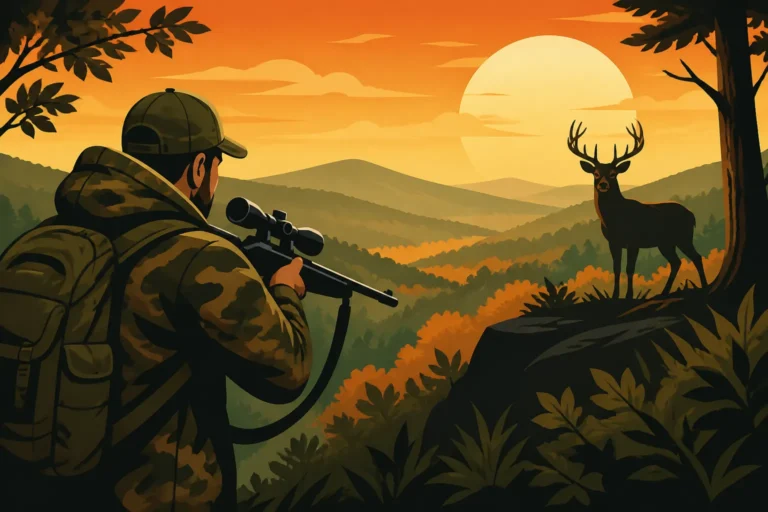
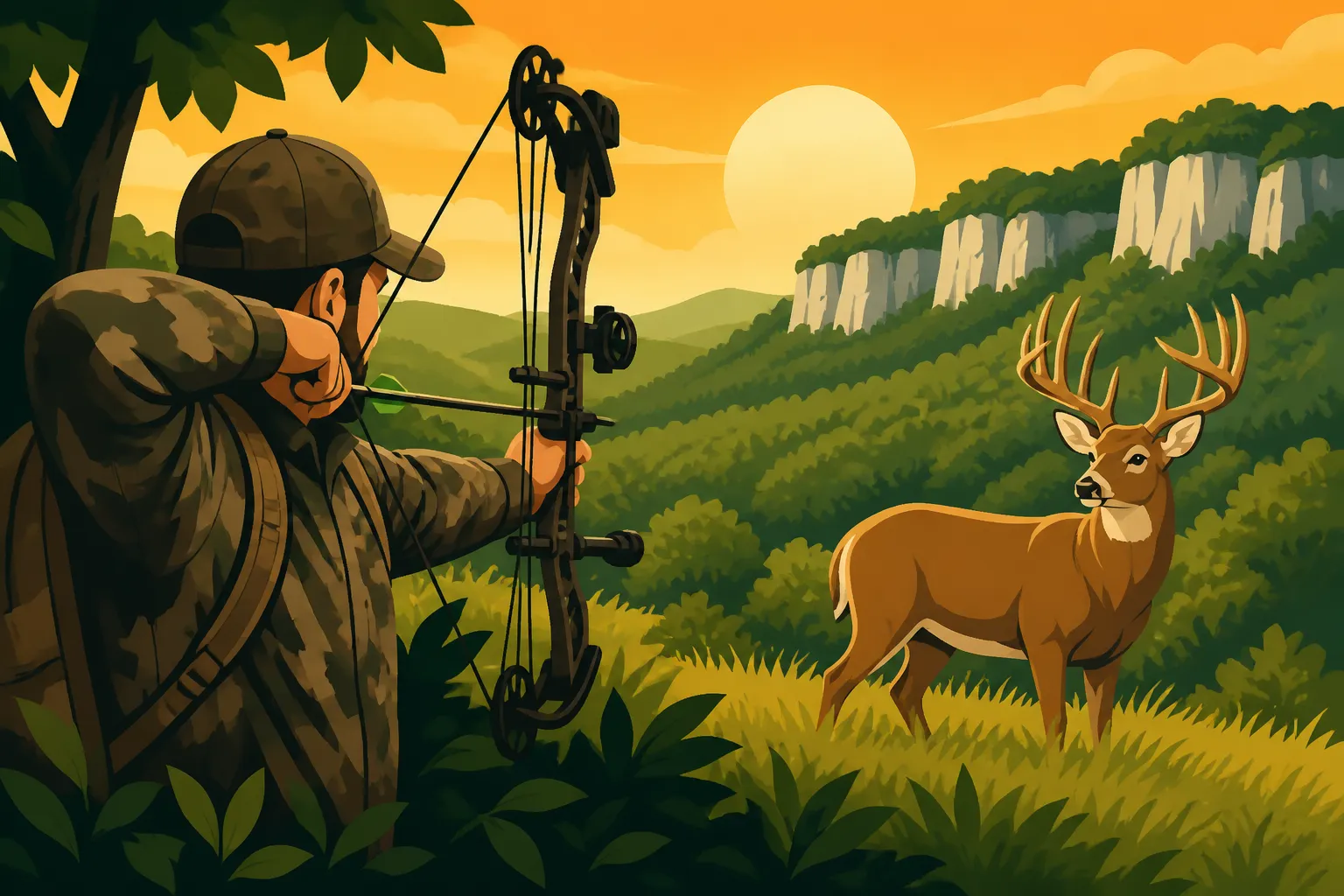
Heading into the Hercules-Glades Wilderness Area in southwest Missouri for deer hunting is a completely different ballgame than sitting a treestand over a food plot or field edge. The challenges of deep woods, rugged terrain, and minimal human impact can be daunting, leading to frustration for those unprepared for its unique demands. This guide is here to walk you through what to expect, how to prepare, and the strategies that can help you find success when chasing whitetails in this truly wild corner of the Ozarks.
Understanding Hercules-Glades Wilderness
Hercules-Glades offers a truly wild hunting experience, far removed from the easily accessible timber blocks and farm fields many Missouri hunters are accustomed to. It's a place where you truly earn every step, and consequently, every opportunity. Understanding its character is the first step to successful deer hunting here.
The Rugged Ozark Landscape
The Hercules-Glades Wilderness is a tapestry of steep, rocky hills, deep hollows, and dense timber, punctuated by open glades that often feature cedar thickets and prickly pear cactus. Navigating this terrain is physically demanding. You’ll be climbing steep inclines, descending into drainages, and picking your way through rocky streambeds that are often dry or barely trickling. The soil, where it exists, is thin, and the bedrock is close to the surface, making for tricky footing. This isn't the kind of place where you can just stroll through the woods; every step requires thought. The deer here are masters of this environment, using its contours and cover to their advantage. They often bed in places that are difficult for humans to access, offering them security from hunting pressure. This is a far cry from the flat river bottoms or rolling farm country where a deer might only have a few hundred yards to run before hitting a fence line. Here, they have thousands of acres of contiguous cover to disappear into. When you're Hunting the Missouri Ozarks, this kind of terrain is exactly what we're talking about.
Wilderness Area Regulations and Mindset
Hunting within a designated wilderness area like Hercules-Glades comes with its own set of rules and a particular mindset. You won't find marked trails or vehicle access deep within the area. All travel is by foot or horseback, which means everything you bring in, you must pack out. This includes any game you harvest. There are no facilities, no designated campsites with amenities, and often, limited cell service. This remoteness is both its blessing and its curse; it keeps pressure down in many areas but amplifies the need for self-sufficiency and preparedness. The idea is to leave no trace, preserving the wild character for future generations. This also means understanding that while you might be pursuing deer, you are also sharing the landscape with other wildlife, including a growing black bear population in the Ozarks. Approaching your hunt with a deep respect for the land, a commitment to minimal impact, and a recognition of the inherent challenges is crucial. This isn't a quick hunt; it's an immersive experience that demands your full attention and respect for the wild.
Strategies for Deer Hunting Success
Hunting deer in a wilderness setting like Hercules-Glades demands a different approach than hunting smaller, more managed tracts. It's about out-thinking an animal that knows the terrain better than you do, on its own terms.
Scouting and E-Scouting Before Your Trip
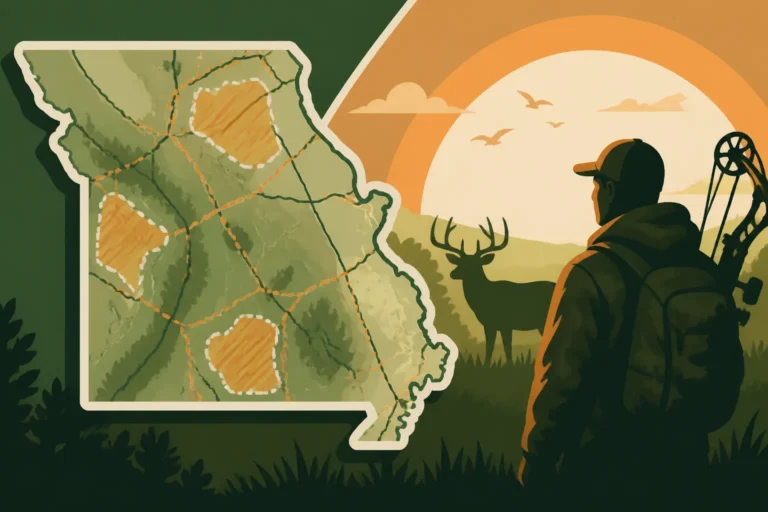
Effective scouting is paramount when tackling a vast, rugged area like Hercules-Glades. Since you can't just drive around and glass fields, a significant portion of your scouting should happen before you ever set foot in the woods. This is where modern tools like onX Hunt truly shine. You can spend hours poring over satellite imagery, identifying potential travel corridors, looking for benches along steep hillsides, and picking out areas where different types of cover converge. Look for pinch points created by terrain features, saddles between ridges, and draws that funnel deer movement. Pay close attention to water sources, even intermittent ones, especially during warmer parts of the season. Platforms like GoHunt, while often geared towards western hunting, can also provide valuable topographic maps and insights into terrain features that translate well to the rugged Ozarks. Once you have a few promising spots identified virtually, then you can plan your in-person scouting trips. These trips are less about finding fresh sign every time and more about confirming what you saw on the map, understanding the lay of the land on foot, and finding potential ambush points. Remember, deer will utilize the path of least resistance, even in steep terrain, so look for subtle benches or old game trails. Scouting Missouri Public Land Before Season is always a good idea, but in wilderness areas, it's non-negotiable.
Still-Hunting and Covert Movement
Given the vastness and ruggedness of Hercules-Glades, still-hunting often proves to be one of the most effective strategies. Sitting in a stationary stand can be incredibly challenging due to the unpredictable deer movement patterns over such a large area and the constantly shifting wind currents in the hilly terrain. Still-hunting involves moving slowly and deliberately through the woods, taking a few steps, then pausing for several minutes to observe, listen, and scan your surroundings. You're trying to integrate yourself into the environment, becoming part of the forest rather than an intruder. This method allows you to cover more ground, react to fresh sign, and adapt to the subtle changes in deer behavior you observe. Focus on moving into the wind or with a quartering wind, paying close attention to the thermals, which can be tricky in the Ozarks, especially as temperatures change throughout the day. Wind and Thermals in Ozark Hills can make or break a hunt, so understanding how air currents flow up and down hollows is key. Walk softly, pick up your feet, and avoid snapping twigs. Use the terrain to your advantage, slipping along the base of a ridge, staying just out of sight over a rise, or using the dense cover of a cedar thicket to mask your approach. It’s a slow, patient game of cat and mouse, and sometimes the only way to intercept a wilderness buck that rarely sees a human.
Focusing on Water and Elevation Changes
In the Hercules-Glades Wilderness, deer movement is heavily influenced by two primary factors: water sources and elevation changes. While glades can offer browse and sunshine, deer often relate to the drainages and hollows, which provide cover, cooler temperatures, and crucial access to water. Even if streams appear dry on the surface, underground springs or hidden seeps can be consistent water sources, especially during dry periods. Key areas to focus on are the convergence of several draws, which act as natural highways for deer moving between bedding and feeding areas. Similarly, saddles and benches along ridges are prime travel corridors. Deer will often utilize these slightly flatter areas to traverse steep hillsides, conserving energy. A bench above a creek or a saddle between two peaks can be a perfect spot to intercept a cruising buck during the rut. Deer will also often bed on steep slopes just below a ridge top, where they can have a vantage point above and rely on their nose for anything approaching from below. Learning to Read an Ozark Hollow for Deer Movement can give you a significant advantage. Don't be afraid to walk deep into these rugged areas; the farther you get from easy access points, the less pressure the deer will typically experience, increasing your chances of encountering mature animals.
Gear and Preparation for Remote Hunting
Hunting deep in a wilderness area demands a level of preparation and self-reliance that many hunters aren't accustomed to. Your gear choices, and how you prepare for contingencies, can be the difference between a successful hunt and a dangerous situation.
Navigational Tools and Emergency Preparedness
In Hercules-Glades, reliable navigation is not just convenient; it's a matter of safety. With no marked trails and often a maze of similar-looking draws and ridges, it's incredibly easy to become disoriented. A quality GPS unit is a must-have, even if you primarily rely on a smartphone app. Batteries die, phones get wet, and satellite signal can be spotty in deep hollows. Carry a physical map and compass as a backup, and know how to use them. Mark your truck, significant landmarks, and potential areas of interest on your map and GPS before you leave home. Apps like onX Hunt are invaluable for marking waypoints, identifying property lines, and understanding terrain features in real-time. Make sure to download offline maps, as cell service will be nonexistent in many parts of the wilderness. Consider carrying Two-Way Radios in Ozark Hills if hunting with a partner, as they can be a lifeline when cell service fails. Beyond navigation, a comprehensive First Aid Kits for Remote Ozark Ground is essential. This should include items for cuts, blisters, snake bites (rare, but possible), and any personal medications. Always let someone know where you're going and when you expect to return. This simple step can be a lifesaver if you run into trouble.
Pack Essentials for Deep Wilderness
When you're miles from the truck, every item in your pack needs to justify its weight. This isn't the time for unnecessary luxuries. Your pack should be robust enough to carry all your essentials for the day, plus any meat you might need to haul out. Start with water; carry more than you think you’ll need, and consider a water filter or purification tablets. Food should be high-calorie, lightweight, and non-perishable. Beyond navigation and first aid, other essentials include a headlamp, fire-starting materials (waterproof matches, lighter), a sharp knife, paracord, and a small tarp or emergency blanket for unexpected weather changes. Layered clothing is crucial for fluctuating Ozark temperatures; even a warm autumn day can turn cold quickly, especially in the shaded hollows. Your Boots and Packs for Ozark Country will be your most important allies; invest in quality, comfortable, and broken-in boots that can handle rocky, uneven terrain. Consider packing a small saw or hatchet for clearing shooting lanes or processing a deer. If you're planning an overnight stay, your pack will need to be significantly larger, including shelter, a sleeping system, and cooking gear.
Meat Care in Remote Terrain
Harvesting a deer deep in Hercules-Glades is a fantastic accomplishment, but the real work begins after the shot. Getting that meat out of a rugged hollow, potentially miles from your vehicle, presents a significant challenge, especially during warmer early season hunts. You'll need to be prepared to break down the animal quickly and efficiently. The gutless method, where you debone the animal in the field and pack out only the meat, is often the most practical approach in such terrain. This minimizes weight and bulk, making the arduous journey out more manageable. Carrying game bags specifically designed for this purpose is crucial; they protect the meat from dirt, insects, and allow it to cool properly. Game Bags for Early Archery Heat are especially important. If temperatures are warm, cooling the meat as quickly as possible is paramount to preserving its quality. This means getting it out of the hide, allowing air circulation, and if possible, finding shade. Consider packing out a small amount of ice in a soft cooler if temperatures are particularly high, or planning your hunt during cooler periods. Once you've got your meat broken down, loading it into a sturdy frame pack designed for heavy loads will distribute the weight effectively and save your back. Remember, Getting a Deer Out of a Hollow Alone is a monumental task, and having the right gear and a solid plan makes all the difference.
Disclaimer
This article is for general informational purposes only and does not constitute professional advice. Laws, prices and regulations vary by location and change over time. Consult a qualified professional for guidance on your specific situation.