Camping in Mark Twain National Forest
There’s nothing quite like the experience of hunting deep in the woods of Missouri, especially when you’re able to immerse yourself fully by camping right there in the heart of the action. But if you’ve ever tried to plan a camping trip, especially one tied to a hunting expedition, you know it can feel like navigating a minefield of rules, regulations, and unspoken expectations. The Mark Twain National Forest offers an incredible backdrop for this, with its sprawling hardwoods and rugged Ozark terrain, but knowing where you can pitch a tent, what rules apply, and how to make the most of your stay can be confusing. This guide is designed to cut through that confusion, helping you understand everything you need to know about camping in Mark Twain National Forest so you can focus on your hunt.
Understanding the Types of Camping Available in Mark Twain National Forest
When you decide to camp in the Mark Twain National Forest Hunting area, you’ve got a couple of distinct options, and knowing the difference upfront can save you a lot of hassle and potential disappointment. It’s not a one-size-fits-all situation, and what works for a casual family weekend might not be ideal for a serious hunting trip.
Developed Campgrounds and Their Amenities
Think of developed campgrounds as your more traditional camping experience, often with a few more creature comforts than roughing it in the backcountry. These are designated sites, clearly marked, and usually managed by the U.S. Forest Service or a concessionaire. In the Mark Twain, you’ll find campgrounds tucked away near scenic rivers, lakes, or popular hiking trails.
What do these campgrounds offer? Typically, you can expect a designated campsite pad, often with a picnic table and a fire ring. Many will have vault toilets, and some of the larger, more popular ones might even offer flush toilets, potable water, and occasionally even showers or RV hookups. The level of amenities really depends on the specific campground, its size, and its location. For example, some campgrounds along the Current River might have more infrastructure to support canoeing and kayaking crowds than a smaller, more remote campground in a less-trafficked part of the forest. These sites usually come with a fee, which can vary depending on the services provided.
For hunters, developed campgrounds can be a mixed bag. On one hand, they offer convenience and predictability. You know you’ll have a place to park, a relatively flat spot for your tent, and basic sanitation. This can be great for those bringing a pop-up camper or needing easy access to water for cooking and cleaning. However, they also tend to be more populated, especially during peak seasons or on weekends. If you're looking for solitude and direct access to your hunting grounds without a lengthy walk, a developed campground might not be your best bet. The noise from other campers, the lights, and the general activity could impact your early morning departures or late-night returns, and the drive to your chosen hunting spot might still be significant.
Dispersed (Backcountry) Camping for the Adventurous Hunter
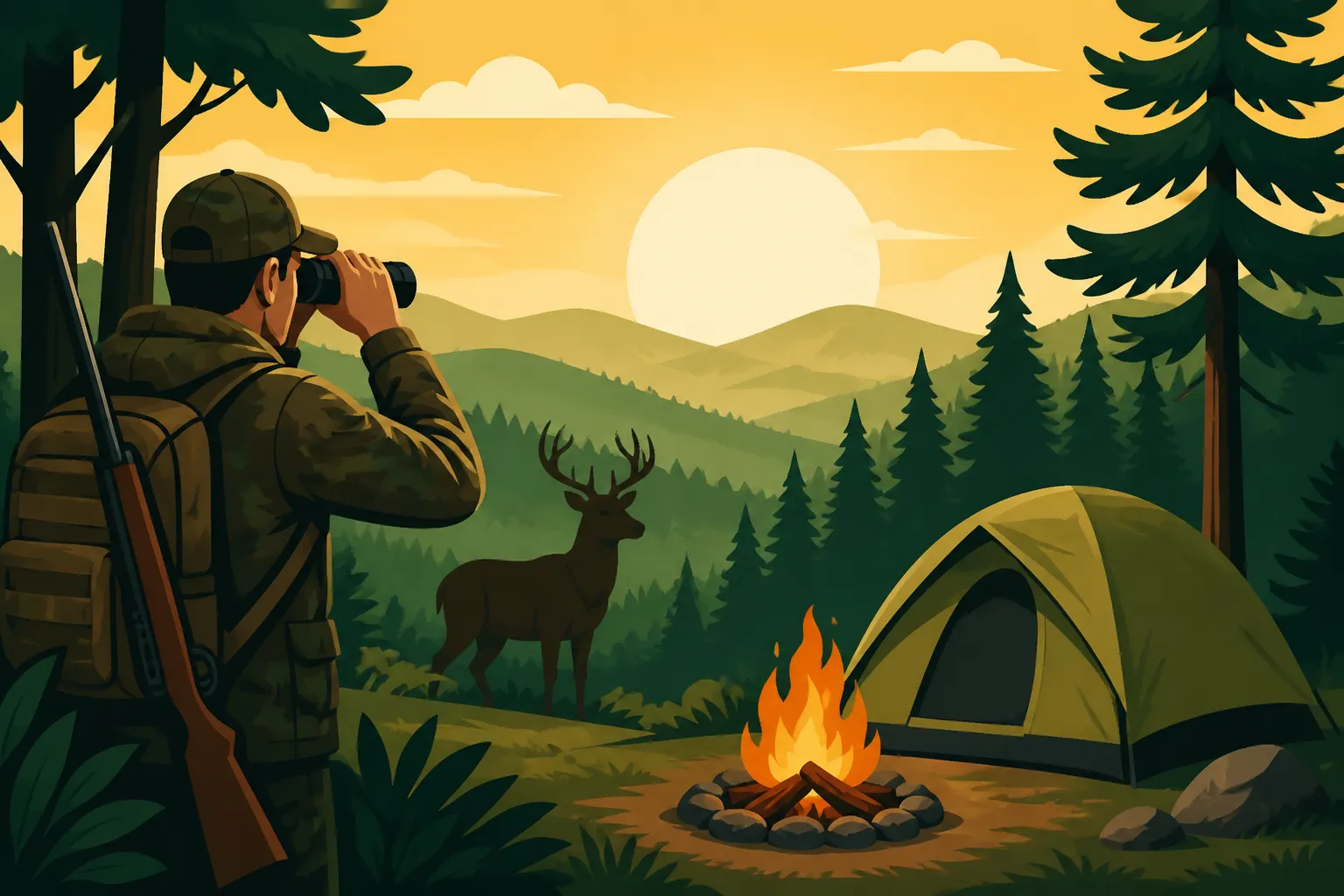
Now, if you’re like me, sometimes you just want to get away from it all, to truly feel like you’re alone in the woods. That’s where dispersed camping comes in, and it’s often the preferred option for hunters in the Mark Twain National Forest. Dispersed camping means camping outside of developed campgrounds, usually along Forest Service roads or deep in the backcountry. It’s about finding your own piece of paradise, but it also comes with a much greater level of responsibility.
The beauty of dispersed camping for a hunter is the flexibility. You can often set up your camp much closer to your actual hunting area, minimizing travel time in the dark morning hours. Imagine waking up, stepping out of your tent, and being just a short walk from your treestand or ground blind. It’s a game-changer. This type of camping is generally free, which is a nice bonus, but it means you need to be entirely self-sufficient. There are no picnic tables, no fire rings (unless you build one responsibly and legally), and certainly no flush toilets. You pack it in, you pack it out – every single bit of it.
For those planning to explore the vast expanse of the Mark Twain National Forest Acreage, especially its more remote sections or even venturing into one of the designated Mark Twain Wilderness Areas, dispersed camping is really your only option. You'll need to understand the concept of "Leave No Trace" thoroughly, as the impact of poor dispersed camping practices can quickly degrade the forest environment. This freedom requires careful planning for water, food storage (especially in areas with active bears), and waste management. You'll also need to be mindful of where you can actually access these dispersed sites. Many Forest Service roads are gravel and can be rough, and some are seasonally closed or only open to ATVs/UTVs. Tools like onX Hunt or GoHunt can be invaluable here, showing property lines, Forest Service roads, and topography, which helps immensely when trying to find a good, legal, and accessible dispersed campsite.
Planning Your Mark Twain Camping Trip: Permits, Rules, and Regulations
Planning is half the battle when it comes to any successful hunting or camping trip, and the Mark Twain National Forest is no exception. Ignorance of the rules won’t spare you a citation, so let’s dig into the nitty-gritty of what you need to know before you even pack your first item.
Essential Rules for Safe and Legal Camping
The Mark Twain National Forest operates under a set of federal regulations, and while these might seem tedious, they're in place for the safety of everyone and the preservation of the forest itself. One of the most critical aspects is fire safety. While campfires are usually allowed in dispersed areas (unless there are fire bans in place due to dry conditions), they must be contained in a dug fire ring or a portable fire pan. Never leave a fire unattended, and always make sure it's dead out – cold to the touch – before you leave or go to bed. An unattended ember can quickly turn into a devastating wildfire, especially in dry Missouri conditions.
Waste management is another huge one. This falls under the "pack it in, pack it out" philosophy. Everything you bring with you, including food scraps, packaging, and even toilet paper (if not properly buried far from water sources), must leave with you. This isn't just about aesthetics; it’s about preventing pollution and protecting wildlife. Animals can become habituated to human food, leading to aggressive behavior or even their demise if they consume plastics or other harmful materials. For human waste in dispersed areas, you should dig a "cathole" at least 6-8 inches deep and at least 200 feet (about 70 steps) away from water, trails, and campsites.
Camping duration is also regulated. You generally can't camp in the same spot for more than 14 consecutive days within a 30-day period. This helps prevent long-term environmental degradation of popular sites and ensures fair access for all visitors. While this usually isn't an issue for a typical hunting trip, it's something to be aware of if you're planning an extended stay or multiple trips in short succession to the same general area.
Navigating Access and Understanding Motor Vehicle Use
Getting to your desired camping and hunting spot in the Mark Twain National Forest often involves navigating a network of Forest Service roads. Not all roads are created equal, and not all are open to general vehicle traffic. This is where Motor Vehicle Use Maps (MVUMs) become your absolute best friend. Seriously, you need these maps.
MVUMs are issued annually by each Ranger District within the National Forest and explicitly show which roads are open to motorized vehicles, what types of vehicles are allowed (e.g., street-legal, ATV/UTV), and any seasonal closures. They often look like black and white line maps, and while they might seem a bit sparse at first glance, they are legally binding. Driving on a closed road or an unauthorized trail can result in hefty fines and damage to the environment. Before your trip, download or print the MVUM for the specific Mark Twain Ranger Districts for Hunters you plan to visit. Websites like onX Hunt and GoHunt often integrate these maps directly into their apps, making it incredibly convenient to see where you can legally drive or park your vehicle while scouting or heading to camp.
It's crucial to remember that cross-country travel with motorized vehicles is generally prohibited. This means you can't just drive off a designated road to get to a camping spot. You must stay on authorized roads and trails. If you're dispersed camping, you might need to park your vehicle on a designated road shoulder or pull-off and then walk a short distance into the woods to find a suitable site. Understanding these rules is vital for protecting the forest and ensuring you don't accidentally trespass or get stuck.
Permit Requirements and Fees
For most general dispersed camping in the Mark Twain National Forest, you do not need a permit or pay a fee. This is one of the fantastic benefits of utilizing these public lands for hunting. However, there are exceptions.
If you choose to stay in a developed campground, you will almost certainly pay a nightly fee. These fees vary by campground and the amenities offered. Some campgrounds operate on a first-come, first-served basis, while others allow reservations through Recreation.gov. It’s always a good idea to check the specific campground’s information on the Forest Service website before you go, especially during peak hunting seasons or holidays, to see if reservations are recommended or required.
Additionally, certain specialized activities or large groups might require a special use permit. For the typical hunter dispersed camping for a few days, this is rarely an issue. However, if you're planning something outside the norm, it's worth a quick call to the local Ranger District office. As far as hunting permits go, you'll need the appropriate Missouri hunting permits and tags, which are separate from any federal camping permits and are purchased through the Missouri Department of Conservation (MDC). So, while you might hear about needing permits for federal lands, for basic camping in the Mark Twain National Forest, it's generally free and open. Always check the specific rules for the area you are targeting, as rules can sometimes change or be site-specific. This includes knowing Do You Need a Federal Permit for Mark Twain? for specific situations.
Practical Tips for a Successful Camping Experience While Hunting in Mark Twain
Camping in the Mark Twain National Forest, especially when paired with hunting, demands a different approach than a leisurely trip to a state park. You're combining outdoor living with a purpose, which means optimizing for efficiency, comfort, and stealth.
Gear Considerations for Ozark Camping
The Ozarks are beautiful, but they can also be rugged and unpredictable. Your gear choices need to reflect that. For starters, you’ll want a reliable tent that can withstand potential rain and wind. Even if the forecast looks clear, a pop-up thunderstorm isn't uncommon. A good quality backpacking tent, even if you’re car camping nearby, is often preferred for its durability and weather resistance over cheaper, fair-weather options. Don't forget a footprint or tarp for under your tent to protect it from the rocky ground and moisture.
Sleeping gear is critical, especially during Missouri’s deer and turkey seasons. Temperatures can swing wildly from warm days to freezing nights, particularly in late fall and early spring. A sleeping bag rated for at least 0-20°F (-18 to -7°C) is often a safe bet for late-season deer hunting, even if the daytime highs are warmer. Couple that with a comfortable sleeping pad for insulation from the cold ground and to cushion against roots and rocks. Remember, comfort in camp translates to better rest and more effective hunting. You'll also want to consider what type of Boots and Packs for Ozark Country you'll be using, as they are crucial for both hunting and camp life.
For cooking, a portable camp stove is often more practical and safer than relying solely on a campfire, especially for quick morning coffee or a hot meal after a long sit. Propane or canister stoves are quick, clean, and less prone to sparking than an open fire. Beyond that, bring adequate water storage (a filtered bottle or a larger bladder for camp), a quality headlamp or flashlight (with extra batteries!), and navigation tools like a physical map and compass in addition to your digital aids. A basic first aid kit is non-negotiable, especially when you're on First Aid Kits for Remote Ozark Ground.
Scouting and Site Selection for Hunters
Choosing the right campsite, particularly for dispersed camping, is paramount for hunters. It's not just about finding a flat spot; it’s about strategic placement that enhances your hunt while minimizing your impact.
First, consider proximity to your hunting area. While you don't want to camp directly in a bedding area or primary travel corridor, being a short, quiet walk from your stand or blind is ideal. This reduces disturbance in the woods during prime movement times (dawn and dusk) and saves you precious minutes in the cold pre-dawn. Use your mapping apps like onX Hunt to identify potential camp spots in relation to known deer trails, pinch points, or food sources you’ve scouted. Look for areas with natural cover that allow your camp to blend in, avoiding open areas that are visible from afar.
Think about water sources. While you should pack in your own potable water, being near a reliable (but not too close to avoid contamination) natural water source like a spring or creek can be useful for washing up or filtering extra water if needed. Always filter or treat natural water sources.
Consider wind direction and thermals. Just like when you're hunting, these play a role in camp. Try to position your camp where your scent won't blow directly into your hunting area. In the Ozarks, thermals often draw air up hillsides in the morning and down in the evening. Keep this in mind when selecting your spot.
Finally, prioritize safety and legality. Double-check your MVUM to ensure your access road is legal and that you’re not camping on private land. Respect landowner boundaries, which can often be found clearly marked on apps like onX Hunt. When hunting in areas like Deer Hunting Hercules-Glades Wilderness or Hunting Bell Mountain Wilderness, remember these are designated wilderness areas, which may have additional restrictions on vehicles and camp placement that are even stricter than general dispersed camping rules.
Managing Wildlife Encounters and Food Storage
Camping in the Mark Twain National Forest means you're sharing the woods with a diverse array of wildlife, from curious raccoons to larger animals like deer, coyotes, and even black bears. Proper food storage is the single most important thing you can do to prevent unwanted encounters.
Black bears are present in parts of the Ozarks, and while typically shy, they are opportunistic and will be drawn to unsecured food or scented items. Always store all food, cooking gear, trash, and anything with a strong scent (like toiletries or even an empty cooler) in a bear-resistant container, a hard-sided vehicle, or suspended from a tree limb using a bear bag system. The goal is to keep it out of reach and out of sight. Never keep food inside your tent. Even a candy bar wrapper can attract critters that will chew through your tent to investigate.
Raccoons, opossums, and other small mammals can also be a nuisance. They are incredibly clever and can get into surprisingly secure containers. Don't leave trash or food scraps lying around, even for a moment. Clean up immediately after cooking, and properly dispose of all waste.
For your hunting success, minimizing your scent around camp is also a good idea. While you might not be able to eliminate all human odor, being mindful of where you prepare food and store smelly items can help keep your hunting area from being overly saturated with unnatural smells.
Responsible Camping and Ethical Hunting Practices in the National Forest
Our public lands are a shared resource, and it’s up to all of us to ensure they remain beautiful and accessible for generations to come. This means adhering to principles of responsible use and integrating ethical hunting practices into your camping routine.
Leave No Trace Principles in Mark Twain
The "Leave No Trace" principles are a set of guidelines designed to minimize our impact on the outdoors. When camping in the Mark Twain National Forest, these are more than just suggestions; they are the bedrock of responsible outdoor recreation.
- Plan Ahead and Prepare: Research the area, weather, and regulations. Pack appropriate gear and know what to expect. This includes having your The Missouri Conservation Atlas or onX Hunt ready.
- Travel and Camp on Durable Surfaces: In developed campgrounds, stay on designated sites. For dispersed camping, choose a site that is already disturbed, or on durable surfaces like rock or dry grass. Avoid camping on fragile vegetation. When walking, stay on trails or spread out to avoid creating new paths.
- Dispose of Waste Properly: As mentioned, pack out all trash, food scraps, and anything else you bring in. Bury human waste properly. Carry out toilet paper.
- Leave What You Find: Don’t take artifacts, plants, or rocks. Leave natural objects and the area as you found it.
- Minimize Campfire Impacts: Use established fire rings when available. For dispersed camping, keep fires small, use dead and downed wood, and ensure fires are completely out and cold to the touch before leaving. Consider using a camp stove instead of a fire for cooking to minimize impact.
- Respect Wildlife: Observe wildlife from a distance. Never feed animals. Store food properly to prevent encounters.
- Be Considerate of Other Visitors: This is especially true in developed campgrounds but also applies to dispersed areas. Keep noise levels down, especially during quiet hours, and respect others' solitude. This is particularly important for hunters who might be trying to be stealthy.
Adhering to these principles ensures that the incredible natural beauty and hunting opportunities of the Mark Twain National Forest remain intact.
Hunter Orange and Safety Around Camp
Safety is paramount, and when hunting from a camp in the Mark Twain National Forest, visibility is key, especially during firearm seasons. Missouri has specific regulations regarding hunter orange, and these apply to campers who are also hunters or are simply recreating during those seasons.
During the firearms deer portions, including the Missouri's Eleven-Day November Firearms Deer Season and Missouri's Early and Late Antlerless Portions, as well as the Missouri Fall Firearms Turkey Dates, hunters are required to wear hunter orange. This means an outer garment of hunter orange that is visibly worn on the upper body and head. The regulations usually specify a minimum of 400 square inches of hunter orange, visible from all sides. While you might not need to wear this inside your tent, it's critical to wear it when walking to and from your stand, scouting, or anytime you are moving around in the woods outside of legal shooting hours. Even if you are bowhunting during the firearms portion, Orange Requirements for Missouri Archers dictate that you must wear hunter orange.
Around camp, it’s good practice to have at least an orange hat or vest nearby, especially if your camp is near a well-used trail or road, or if you plan to walk around camp at dawn or dusk. Other hunters might be moving through the area, and making yourself visible is the best way to prevent accidents.
Beyond hunter orange, always practice basic firearm safety around camp. Keep firearms unloaded and cased when not actively hunting. Be aware of your surroundings and any other campers or public land users in the vicinity. For any questions about specific regulations in the Mark Twain National Forest Hunting area, consult the Missouri Department of Conservation's current regulations and the U.S. Forest Service guidelines. By being prepared, knowledgeable, and respectful, your camping and hunting trips to Mark Twain National Forest will be memorable for all the right reasons.
Disclaimer
This article is for general informational purposes only and does not constitute professional advice. Laws, prices and regulations vary by location and change over time. Consult a qualified professional for guidance on your specific situation.