Mingo National Wildlife Refuge Hunting
Hunting in Missouri's National Wildlife Refuges can feel like stepping into a whole new ballgame compared to your familiar Conservation Areas or private ground. The rules, the access, and even the atmosphere can be different, leaving many hunters scratching their heads about where to even start. This comprehensive guide is here to demystify hunting at Mingo National Wildlife Refuge, offering a clear path for hunters looking to explore this unique corner of Missouri and helping you understand what to expect and how to prepare for a successful outing.
Understanding Mingo National Wildlife Refuge
Mingo National Wildlife Refuge, nestled in the Bootheel of Missouri, is a truly special place. It’s a vast, ancient swamp and bottomland hardwood forest that was once part of the much larger "Great Mingo Swamp." When you drive into Mingo, you immediately feel a shift from the typical Missouri landscape. The towering cypress trees, the slow-moving sloughs, and the dense, often flooded timber create an ecosystem unlike almost anywhere else in the state. For hunters used to rolling hills or open farm ground, Mingo presents a unique challenge and a unique reward.
The Unique Nature of NWRs for Hunters
National Wildlife Refuges (NWRs) are managed by the U.S. Fish and Wildlife Service, and their primary mission is, as the name suggests, wildlife conservation. This focus means that while hunting is often permitted, it's typically managed with stricter regulations and sometimes with a different philosophy than what you might encounter on state-managed lands. For instance, an NWR might have specific zones that are permanently closed to hunting to serve as wildlife sanctuaries, or they might have different permit application processes and even different shooting hours. It's not uncommon for NWRs to require special permits or have a lottery system for certain hunts, especially for popular game like deer or waterfowl, to control pressure and ensure the primary conservation goals are met. This can be a hurdle for hunters accustomed to over-the-counter permits and open access, requiring a bit more homework and planning.
Mingo's Landscape and Habitat
Mingo's landscape is dominated by water and timber. The refuge encompasses around 21,000 acres, much of which is bottomland hardwood forest, interspersed with cypress-tupelo swamps, sloughs, and managed moist-soil units. This makes for a diverse habitat that supports a wide array of wildlife. For hunters, this means you're often dealing with wet conditions, dense cover, and navigating by boat or waders in many areas. The terrain is generally flat, but don't let that fool you; the water, mud, and thick undergrowth can make travel strenuous. Understanding this unique environment is key to planning a hunt. Knowing where the higher ground is, which sloughs might be navigable, and where certain tree species like oaks (producing acorns) are prevalent can give you a significant advantage. This specific habitat also dictates the kind of game you'll find and how best to pursue it.
Game Species and Hunting Opportunities at Mingo
Mingo NWR offers a variety of hunting opportunities, but it's particularly renowned for its deer and waterfowl. The refuge's wetlands and dense cover provide excellent habitat, and the managed hunting programs aim to provide quality experiences while also balancing conservation needs. Always remember that Mingo operates under federal regulations, in addition to state regulations, so always check the specific refuge regulations before planning your hunt.
Deer Hunting within the Refuge
Deer hunting at Mingo is a challenging but potentially rewarding experience. The dense cover and often wet conditions mean that traditional stand hunting can be difficult, and still-hunting or using small, organized drives might be more effective. Hunters often find themselves navigating sloughs and working through thick brush, requiring a good sense of direction and robust gear. The deer population is healthy, but the challenging terrain can make locating and extracting an animal a real test.
Access for deer hunting is typically managed through special permits, sometimes involving a lottery draw, so it's crucial to apply well in advance and understand the specific dates and zones open to deer hunters. These managed hunts help control hunter numbers, which can lead to a less crowded experience once you secure a spot. You'll need to familiarize yourself with the specific check-in and check-out procedures, as well as any special antler restrictions or tag limits that might apply. For those who enjoy a true wilderness feel while deer hunting, Mingo can deliver. You might consider reading up on Still-Hunting a Missouri Ozark Hollow to adapt some of those stealthy tactics to Mingo's unique bottomland terrain.
Waterfowl Hunting at Mingo
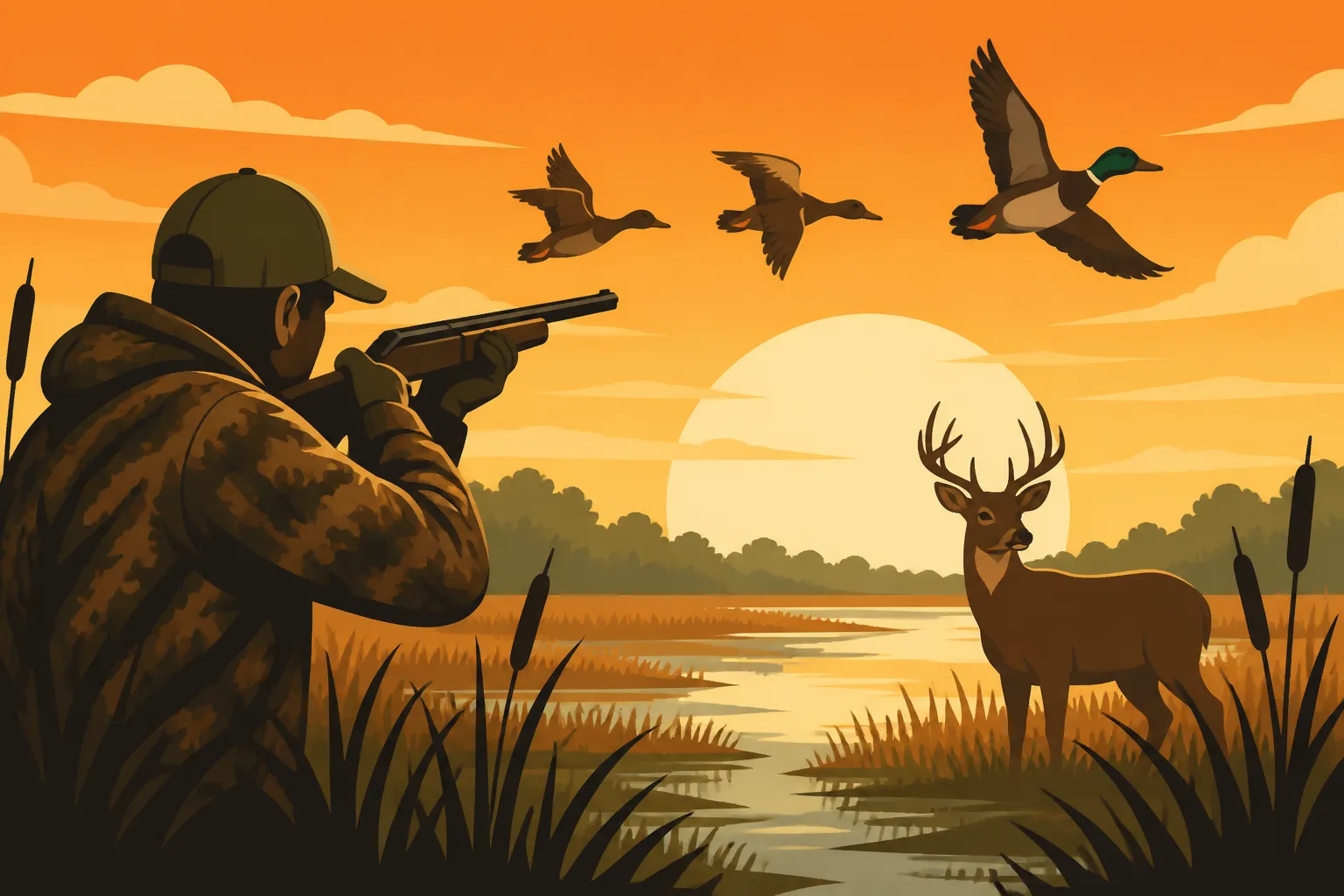
Waterfowl hunting is arguably what Mingo NWR is most famous for. Located within the Mississippi Flyway, the refuge attracts a huge number of migratory ducks and geese, especially during the peak of migration. The managed moist-soil units and flooded timber create ideal feeding and resting areas for these birds. Duck hunting often takes place in flooded timber or designated pool areas. This means you'll definitely need waders, and often a boat or kayak is essential to reach your desired hunting location.
Like deer hunting, waterfowl opportunities are heavily regulated, often involving a drawing or a specific quota system to manage hunter pressure. Hunters will need to consult the refuge's specific waterfowl hunting regulations, which will outline season dates, bag limits, shooting hours, and any special permits required. You'll also need to be aware of the federal requirement for nontoxic shot in NWRs. This is a critical detail that some hunters might overlook, as lead shot is strictly prohibited for waterfowl hunting on all federal refuges. Knowing Missouri Flooded Timber Duck Tactics will certainly give you a leg up when preparing for a hunt at Mingo. The intense competition for prime spots can be a frustration, but with good planning and a little luck in the draw, a Mingo waterfowl hunt can be an unforgettable experience.
Small Game and Upland Bird Prospects
While deer and waterfowl get most of the attention, Mingo can offer opportunities for small game as well, depending on the season and specific refuge regulations. Squirrel hunting, in particular, can be excellent in the refuge's extensive bottomland hardwood forests. The abundance of oak and hickory trees provides ample food for squirrels, and the dense timber offers plenty of cover. If you enjoy stalking squirrels through the woods, Mingo's quiet corners can be very productive. Just remember, squirrel hunting often means early mornings and a keen eye for movement in the treetops. You might find some helpful tips in Squirrel Hunting in Oak Hickory Timber.
Rabbit hunting, too, can be found in areas with brushy edges and clearings, though the wet nature of much of the refuge means these opportunities might be more localized. Upland birds like quail are generally not a primary target species at Mingo, as the habitat isn't ideally suited for large coveys, and special regulations might apply if they are present at all. Always, always check the current refuge-specific regulations for small game seasons, permissible methods, and any restricted areas before heading out.
Essential Regulations and Access Information
Navigating the rules and access requirements for Mingo National Wildlife Refuge is crucial for a smooth and legal hunt. It’s not simply a matter of having your state permits; federal refuges have their own layer of regulations that you absolutely must understand. Ignorance of these rules is no excuse, and violations can lead to hefty fines or loss of hunting privileges.
Permit and Application Process
Accessing hunting opportunities at Mingo usually involves more than just buying a standard Missouri hunting permit. Many hunts, especially for deer and waterfowl, are managed through a special refuge permit system. This often means applying for specific hunt units or dates, sometimes through a lottery drawing. These applications typically have strict deadlines, which can be weeks or months before the actual hunt season. It’s common for the U.S. Fish and Wildlife Service to announce these opportunities and application periods on their official website, so checking there regularly is your best bet. Don't rely solely on state conservation websites, as the NWRs have their own distinct process.
It’s not unusual for there to be an application fee, and if you’re drawn, a separate permit fee. Sometimes, successful applicants might also need to attend a mandatory hunter orientation meeting to review the rules in detail. The specific requirements can change from year to year, so you truly need to consult the most current refuge hunting brochure or website each time you plan to hunt there. Being prepared for a managed hunt draw is key, and understanding specific rules, like those discussed in Managed Hunt Draws on Missouri Wetlands, can be beneficial, even if the application portal is different.
Specific Rules and Restrictions
Beyond the application process, Mingo NWR has several key rules and restrictions that are vital for hunters to know. One of the most important for waterfowl hunters is the nontoxic shot requirement. Federal law mandates that only nontoxic shot (steel, bismuth, tungsten-iron, etc.) can be used for hunting waterfowl on all National Wildlife Refuges. Lead shot is strictly prohibited. This rule extends to upland game on some refuges as well, so always confirm.
Other common restrictions at NWRs include:
- Designated hunting zones: Mingo is likely divided into specific hunting and non-hunting zones. Maps are critical for knowing where you can and cannot hunt.
- Specific weapon types: Certain weapons may be restricted to specific hunt portions or zones. For instance, some areas might only allow archery, while others permit firearms.
- Limited shooting hours: While Missouri state regulations allow hunting from half-hour before sunrise to half-hour after sunset for most species, NWRs might have tighter restrictions, sometimes only allowing hunting from sunrise to sunset.
- Vehicle access: Vehicle use is often restricted to designated roads and parking areas. Off-road travel is almost universally prohibited.
- Tree stand/blind rules: If tree stands or ground blinds are permitted, there will likely be strict rules about their placement, construction, removal dates, and whether they can be left overnight.
Always carry a copy of the current refuge regulations with you while hunting, or have it readily accessible on your phone, to avoid any misunderstandings.
Navigating the Refuge
Mingo's unique terrain makes navigation a significant consideration. Much of the refuge is heavily timbered and can be wet or even flooded, especially during waterfowl season. Relying on simple verbal directions or outdated maps is a recipe for getting lost or straying into closed areas. Modern navigation tools are invaluable here. Applications like onX Hunt or GoHunt allow you to download offline maps, mark your vehicle's location, identify property boundaries (including NWR boundaries and internal zones), and track your movement in real-time. This can be a lifesaver in dense, featureless timber, especially if the weather turns or you're walking out in the dark.
Consider printing out detailed paper maps as a backup, especially since cell service can be spotty in remote areas of the refuge. When traveling by water, pay close attention to water levels and submerged hazards. Many hunters use small Jon boats, kayaks, or canoes for access, but always be aware of changing conditions. Knowing Reading Aerial Photos for Ozark Deer can translate well to understanding Mingo's terrain, helping you spot subtle elevation changes or water features that might dictate deer or waterfowl movement.
Here's a quick overview of some common hunting aspects at Mingo:
| Feature | Common Mingo NWR Approach (Always Check Current Regs!) | Key Considerations |
|---|---|---|
| Deer Hunting | Special Managed Hunts, often draw-based | Dense cover, wet conditions, specific zones, check-in/out |
| Waterfowl Hunting | Special Managed Hunts, often draw-based/quota | Flooded timber, moist-soil units, nontoxic shot required |
| Small Game Hunting | Open during state seasons in designated areas | Primarily squirrels, check specific NWR rules for rabbits |
| Permit Requirements | State permits + special NWR permit (often lottery) | Apply early, check for orientation meetings |
| Shot Type | Nontoxic shot ONLY for waterfowl (and sometimes upland) | Lead shot is prohibited for migratory birds |
| Vehicle Access | Limited to designated roads/parking areas | No off-road travel, consult refuge map |
| Navigation Tools | GPS apps (onX Hunt, GoHunt), paper maps, compass | Offline maps are crucial, cell service can be spotty |
| Special Equipment | Waders, small boat/kayak, bug spray, durable footwear | Prepare for wet, muddy, and buggy conditions |
Remember, Mingo National Wildlife Refuge offers a truly wild and challenging hunting experience that can be incredibly rewarding for those willing to do their homework and adapt to its unique environment. It’s a place that demands respect for its wild character and its conservation mission.
Disclaimer
This article is for general informational purposes only and does not constitute professional advice. Laws, prices and regulations vary by location and change over time. Consult a qualified professional for guidance on your specific situation.