Big Muddy Refuge Units in Missouri
The winding, ever-changing Missouri River creates some of the most unique and challenging hunting landscapes in our state. For many hunters, the idea of tackling the vast, often fragmented public ground along its banks – specifically the Big Muddy National Fish and Wildlife Refuge units – can feel overwhelming. It’s a mosaic of floodplains, timber, and sloughs, but understanding how to navigate these special areas can unlock incredible opportunities. This guide will help you decipher the complexities of hunting the Big Muddy, from understanding its purpose to planning your successful adventure.
What Are the Big Muddy National Fish and Wildlife Refuge Units?
If you’ve ever driven along the Missouri River, you’ve probably noticed vast stretches of timber, wetlands, and agricultural fields that seem to melt into the river itself. Many of these areas are part of the Big Muddy National Fish and Wildlife Refuge, a truly unique collection of properties managed by the U.S. Fish and Wildlife Service. Unlike a single, contiguous conservation area, the Big Muddy is actually made up of numerous separate units, scattered along 365 miles of the Missouri River, from Kansas City all the way down to its confluence with the Mississippi. Each unit has its own character, its own access points, and sometimes even its own subtle rules, making it a place that rewards diligent homework.
A Patchwork of Habitat Along the River
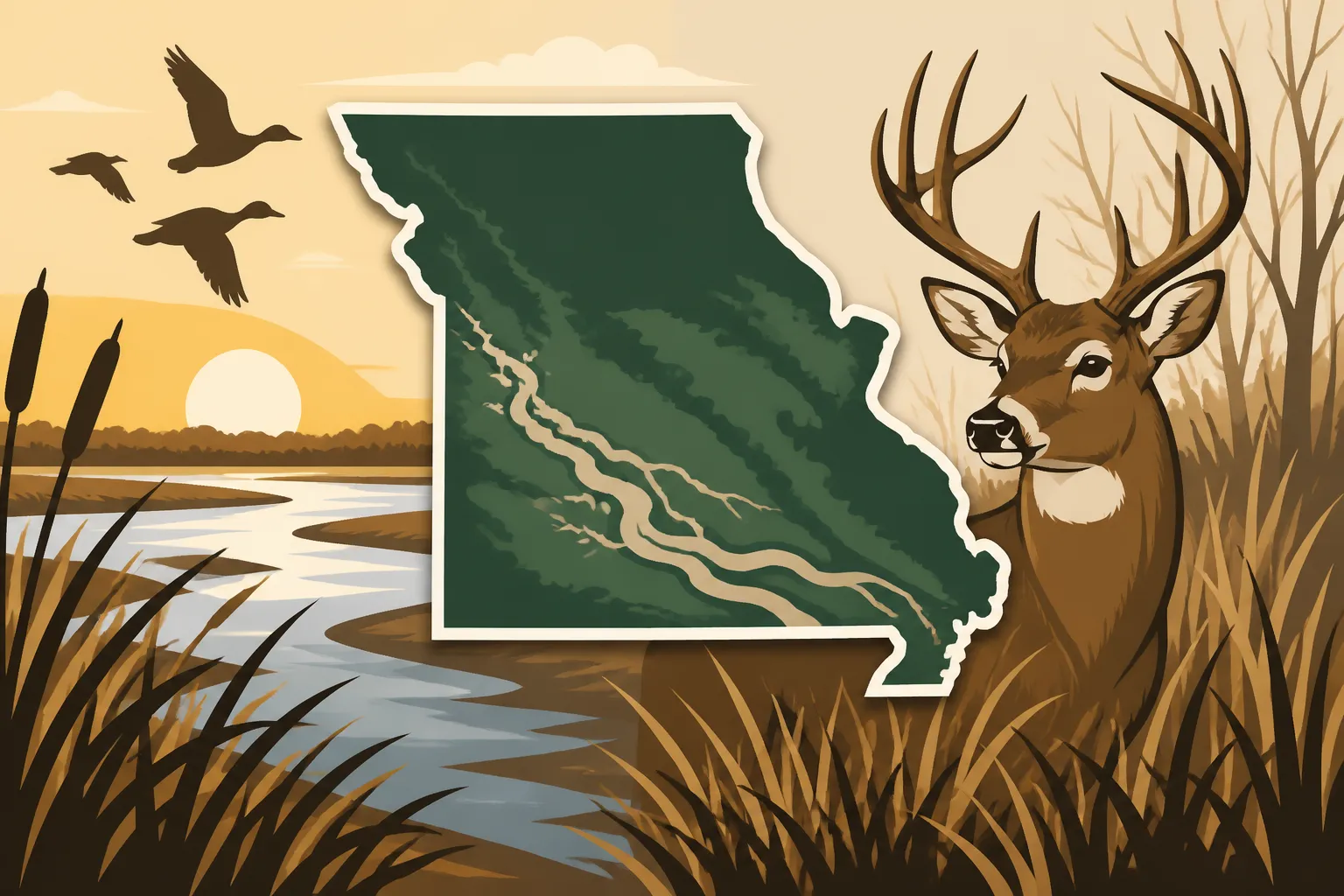
Think of the Big Muddy as a green and blue ribbon unwinding across the heart of Missouri, a collection of vital ecosystems. These units were established to protect and restore the natural habitats of the Missouri River floodplain, which had been dramatically altered by channelization and levee construction over the last century. They encompass everything from old-growth bottomland hardwood timber and cypress swamps to emergent wetlands and even some re-established prairies. This incredibly diverse habitat supports an astonishing array of wildlife, acting as a critical corridor for migratory birds, including many species of waterfowl that use the Missouri Waterfowl on the Mississippi Flyway.
For hunters, this patchwork nature means that one unit might offer fantastic opportunities for Squirrel and Rabbit Hunting in Missouri in dense timber, while another, just a few miles downriver, could be a prime spot for Missouri Flooded Timber Duck Tactics. The ever-present influence of the river itself—its floods, its shifting sands, and its ability to deposit rich new soils—continuously reshapes these landscapes, creating a dynamic environment where adaptation is key. It's truly a testament to the resilience of nature, and our efforts to help it thrive.
Purpose and Management of the Big Muddy
The primary purpose of the Big Muddy National Fish and Wildlife Refuge units is conservation, specifically focused on restoring and enhancing the ecosystem of the Missouri River floodplain. This includes managing habitats for migratory birds, threatened and endangered species, and a wide variety of resident wildlife like White-Tailed Deer Across Missouri. The U.S. Fish and Wildlife Service (USFWS) is the agency in charge, and their management goals often balance wildlife needs with public recreational opportunities, including hunting and fishing.
What this means for us as hunters is that the management of these areas can sometimes differ significantly from state-managed conservation areas. While state hunting regulations generally apply, federal refuge rules can add another layer of complexity. For instance, some units might have specific regulations regarding vehicle access, scouting activities, or even the type of hunting blind you can use. Understanding that these lands are managed with a broad conservation objective helps put these rules into perspective. They're designed to protect the integrity of the ecosystem while still allowing us to enjoy the bounty it offers. It’s always best practice to consult the specific unit’s regulations on the USFWS website before heading out, as these can change.
Navigating Hunting Access and Regulations within the Big Muddy
Hunting on any federal refuge requires a bit more homework than simply buying a permit and heading to your local conservation area. The Big Muddy is no exception. Because of its fragmented nature and specific management objectives, each unit can have its own quirks when it comes to access and regulations. This isn't meant to be intimidating, but rather a call to be well-prepared and informed.
General Regulations and Permits
When hunting the Big Muddy, you’ll need to comply with both state of Missouri hunting regulations and any specific federal refuge regulations for the unit you intend to hunt. This means you’ll need the appropriate Missouri Deer Permits and How to Buy One or Missouri Fall Turkey and Small Game Permits, just like anywhere else in the state. However, the federal rules might dictate things like legal shooting hours, permissible weapons, or even what species you can pursue on a particular unit, often aligning with the refuge's primary conservation goals.
For example, while Missouri might allow certain activities statewide, a specific Big Muddy unit might have more restrictive rules to protect nesting birds or sensitive habitats. It's common for federal refuges to require non-toxic shot for all hunting, not just waterfowl, to prevent lead contamination in the environment. Always check the individual unit's public use regulations, which are usually available on the U.S. Fish and Wildlife Service website or posted at kiosks near access points. Don't assume that just because it's legal in Missouri, it's legal on a federal refuge unit. Taking a few minutes to read the fine print can save you a lot of headache and potentially a ticket.
Access Points and Challenges
One of the biggest hurdles for hunters on the Big Muddy is simply getting there. Many units are remote, often tucked away behind private farmland or only accessible via long gravel roads that can become impassable after heavy rains. The Missouri River itself is a powerful force, and its influence on these floodplain areas means that water levels can dramatically affect access. A road that was dry last week might be under several feet of water after a good rain or a rise in the river.
Some units are primarily boat-access only, requiring a jon boat, canoe, or kayak to reach the best hunting spots. For those relying on foot access, be prepared for long walks through thick cover, mud, and potentially standing water. This is where tools like onX Hunt truly shine. Before you even leave the house, you can use the aerial and topographical maps to identify potential access roads, parking areas, and critical terrain features like oxbow lakes or higher ground within the units. It can even help you pinpoint Missouri River Sandbar Access spots. Using the property line layers is crucial to ensure you're not inadvertently trespassing on adjacent private land while trying to find a way in. Don't underestimate the physical demands; these river bottoms can be incredibly rugged, even when they look flat on a map.
Hunting Opportunities and Challenges in the Big Muddy
The Big Muddy National Fish and Wildlife Refuge units offer a diverse range of hunting opportunities, but they come with their own distinct set of challenges. It's not your typical hardwood timber hunt or open field scenario; it's a dynamic, water-influenced landscape that requires a specific approach.
What You Can Hunt
The varied habitats along the Big Muddy support a healthy population of common Missouri game species. Deer hunting can be excellent, particularly for those willing to venture deep into the thickets and river bottoms. These areas often hold mature bucks that thrive in the dense cover and abundant forage. Waterfowl hunting, as you might expect, is a huge draw, with numerous units managed specifically for migrating ducks and geese. You'll find everything from mallards in the flooded timber to geese feeding in nearby fields, often within refuge boundaries or adjacent areas. Small game, such as squirrels and rabbits, also flourish in the diverse habitat, making for a fun, active hunt. Many units also allow for Predator and Furbearer Hunting in Missouri, offering chances at coyotes, bobcats, and even raccoons, particularly in the colder months.
It’s important to remember that not all species are huntable on every unit, and seasons can be shorter or have different bag limits than statewide rules. Always double-check the specific unit's regulations for clarity. The opportunities are rich, but they demand respect for the unique nature of these lands.
River Bottom Peculiarities
Hunting in the Missouri River bottom is an experience unlike almost any other. The sheer density of the cover can be overwhelming, with tangled briar thickets, dense saplings, and mature cottonwoods and sycamores creating a jungle-like environment. Changing water levels are a constant factor; what was dry ground during scouting could be flooded days later. This can make treestand placement tricky or require the use of waders, even for deer hunting. You might find yourself needing Waders for Missouri Flooded Timber more often than you think.
Mud is another frequent companion, especially after rains or floods. It can be incredibly deep and make walking exhausting, turning a half-mile trek into a grueling endurance test. Scent control can also be more challenging near the river, as the prevailing winds and thermals can be less predictable, and the damp environment can hold scent longer. Furthermore, while many units are remote, the accessible spots can see significant hunting pressure on Missouri Public Ground, especially during opening weekends for deer or waterfowl. This often forces hunters to work harder, walk further, or utilize boat access to find less disturbed areas.
Seasonal Considerations
The time of year dramatically impacts the Big Muddy hunting experience. Early archery season can be brutally hot and humid, making meat care a priority. The thick vegetation can also make shooting lanes scarce, demanding close-range bowhunting skills. As autumn progresses into firearms deer season, the river bottoms remain dense, but cooler temperatures offer relief. The late fall and winter bring the best waterfowl opportunities, with migrating birds pouring into the refuge. However, frigid temperatures, ice, and rapidly changing water conditions become the primary concerns.
Small game hunting often picks up after the leaves fall, making it easier to spot squirrels and jump rabbits. Late season deer hunting can be tough, as deer become more nocturnal and seek out the densest cover. Each season presents its own unique set of conditions and requires a different tactical approach. Understanding the seasonal nuances of the river bottom environment is crucial for both safety and success.
Planning Your Hunt and Maximizing Success
Hunting the Big Muddy is an adventure, and like any good adventure, it benefits immensely from thorough planning. Don't just show up and expect to figure it out; these areas demand respect and preparation.
Scouting the River
Pre-season scouting is absolutely paramount for the Big Muddy. Because these units are so dynamic and often flood-prone, you need to understand the lay of the land without leaves on the trees. Look for high ground, old logging roads or levees that provide easier travel, and pinch points where deer movement might be funneled. Identify historical water lines on trees and signs of where water tends to pool or drain. Use aerial photography and topographical maps extensively. This is where a robust mapping tool like onX Hunt becomes an invaluable asset. You can spend hours virtually scouting, dropping pins on potential stand sites, identifying access routes, and marking areas of dense cover or natural funnels.
Another great resource is to check river levels and flood stage reports. Knowing if the river is rising or falling can tell you a lot about what the terrain will look like. Sometimes, the best scouting isn't done on foot in the summer, but by simply studying maps and understanding the river's behavior. GoHunt's mapping features can also provide crucial insights into terrain and vegetation patterns, helping you identify areas that might hold more game or offer better access. Look for oxbows, old sloughs, and drainage ditches; these are often magnets for wildlife and offer unique hunting opportunities. Remember that Reading Aerial Photos for Ozark Deer is a skill, and it's even more critical in the river bottoms.
Essential Gear for River Bottoms
The right gear can make or break a hunt in the Big Muddy. Given the wet, rugged, and often isolated nature of these units, preparation is key.
- Footwear and Waders: Waterproof boots are a must, but chest waders might be even more essential, especially for waterfowl or deer hunting in areas prone to flooding. Choose durable waders that can withstand briars and snags.
- Navigation: A reliable GPS unit or a smartphone with onX Hunt or GoHunt installed is non-negotiable. Service can be spotty, so ensure your maps are downloaded for offline use. It’s easy to get disoriented in the dense, monotonous timber.
- Clothing: Layering is crucial. Expect varying temperatures, and always bring rain gear, as the weather can change quickly. Tough, briar-resistant outer layers are highly recommended. Refer to Rain Gear for an Ozark Downpour for good options.
- Packs: A comfortable pack with good capacity is needed for carrying extra layers, water, calls, and game bags. For deer hunters, consider a pack that can handle hauling meat, like some Frame Packs for Hauling Meat, as getting a deer out of a muddy bottom can be a monumental task.
- Calls: For waterfowl, bring a variety of duck and goose calls. For deer, grunt tubes and rattling antlers can be effective in the thick cover.
- Safety: Always carry a first-aid kit, a whistle, and let someone know your exact hunting location and expected return time. A personal locator beacon (PLB) or satellite messenger is a wise investment for truly remote areas where cell service is non-existent.
| Big Muddy Unit Feature | Consideration for Hunters | Planning Tip |
|---|---|---|
| Fragmented Land | Units are scattered, not one large block. | Use mapping apps (onX Hunt) to identify specific unit boundaries and adjacent private land. |
| River Influence | Water levels change access and habitat daily. | Check river gauges and flood forecasts. Expect mud and potential standing water. |
| Dense Vegetation | Can be hard to traverse, limit visibility. | Scout heavily before leaves emerge. Plan quiet entry/exit routes. Focus on pinch points. |
| Remote Access | Many units require long walks or boat access. | Account for extra travel time. Consider a jon boat or canoe. Be prepared for poor cell service. |
| Federal Regulations | Unit-specific rules may differ from state law. | Always check the USFWS website for the specific unit's hunting regulations. |
Respecting the Resource and Other Users
Hunting the Big Muddy is a privilege, and it’s our responsibility to treat these special places with respect. This means adhering strictly to all regulations, both state and federal. Pack out everything you pack in, and perhaps even a little extra. Leave no trace of your presence. Remember that these refuges are for all wildlife and all citizens. You may encounter bird watchers, anglers, hikers, or even other hunters. A friendly wave or respectful distance goes a long way.
Be mindful of your impacts, particularly when using ATVs or UTVs where permitted, or when navigating fragile wetland environments. The health of the Big Muddy ecosystem relies on thoughtful usage. By being ethical, considerate, and responsible, we ensure that these fantastic Missouri River and Big Muddy Access hunting grounds remain open and vibrant for future generations to enjoy.
Disclaimer
This article is for general informational purposes only and does not constitute professional advice. Laws, prices and regulations vary by location and change over time. Consult a qualified professional for guidance on your specific situation.