Squaw Creek’s Name Change to Loess Bluffs
If you've been around Missouri's outdoor scene for any length of time, especially in the northwestern part of the state, you've probably heard the name "Squaw Creek" float around. For decades, it was a familiar landmark, a renowned national wildlife refuge cherished by waterfowl hunters and birders alike. But if you’ve gone looking for it recently, you might have felt a flicker of confusion – where did it go? The truth is, it didn't vanish; it simply received a new, more appropriate name: Loess Bluffs National Wildlife Refuge. This change, while initially a little disorienting for those of us accustomed to the old moniker, represents a significant shift towards more inclusive and respectful language in our public lands, and it's something worth understanding as we continue to enjoy these incredible natural spaces.
The History and Rationale Behind the Name Change
The renaming of Squaw Creek National Wildlife Refuge to Loess Bluffs National Wildlife Refuge wasn't just a random administrative decision; it was part of a larger, nationwide effort to address historically problematic names on federal lands. For many hunters and outdoor enthusiasts, the name was simply what it was – a place to chase ducks or watch cranes. But for others, particularly Native American communities, the term "squaw" carried a deeply offensive and derogatory meaning.
Understanding the Original Name and its Context
For a long time, many people were unaware of the true historical weight behind the term "squaw." It was often used casually, appearing on maps and in place names across the country without much thought to its origins or implications. However, linguistic research and advocacy from Indigenous groups have brought to light that the term, particularly in English-speaking contexts, devolved into a pejorative slur against Native American women. It became associated with deeply disrespectful and often violent historical narratives.
Imagine growing up in a place where a significant landmark, a place of natural beauty and importance, bore a name that was essentially a racial and gendered insult to your ancestors. That's the reality many Native American individuals faced. While the original intent of naming some of these places might have been innocent or simply descriptive in a different linguistic context centuries ago, the common usage and understanding of the word evolved into something harmful. Our understanding of language, history, and respect changes over time, and what might have been considered acceptable decades ago is rightly re-evaluated today. This growing awareness across society led to a widespread recognition that such names needed to be changed to reflect a more inclusive and respectful public landscape.
The Process of Renaming a Federal Refuge
Changing the name of a federal property like a National Wildlife Refuge isn't something that happens overnight or on a whim. It’s a multi-layered process that typically involves extensive research, public consultation, and often, a federal directive. In this case, the impetus for the change came from the highest levels of government. The U.S. Department of the Interior, which oversees the U.S. Fish and Wildlife Service (USFWS) and all national wildlife refuges, issued a Secretarial Order initiating a review of derogatory place names on federal lands. This order specifically targeted names containing the word "squaw."
The process involved collaboration with tribal nations, seeking their input and understanding the historical impacts of these names. It also included public comment periods, allowing individuals and organizations to share their perspectives on proposed new names. For Squaw Creek, the USFWS worked closely with local communities and stakeholders to identify a name that would accurately reflect the unique natural characteristics of the refuge without causing offense. The selection of "Loess Bluffs" was a thoughtful choice, deeply rooted in the distinctive geology of the area. This kind of diligent process ensures that changes are not arbitrary, but rather a considered step towards reconciliation and respect.
Embracing the Name: Loess Bluffs National Wildlife Refuge
The new name, Loess Bluffs National Wildlife Refuge, isn't just a replacement; it's a celebration of the unique natural heritage of this special corner of Missouri. For those of us who appreciate the land for its ecological significance and its beauty, the new name offers a chance to deepen our connection to the refuge's identity.
What "Loess Bluffs" Means for the Landscape
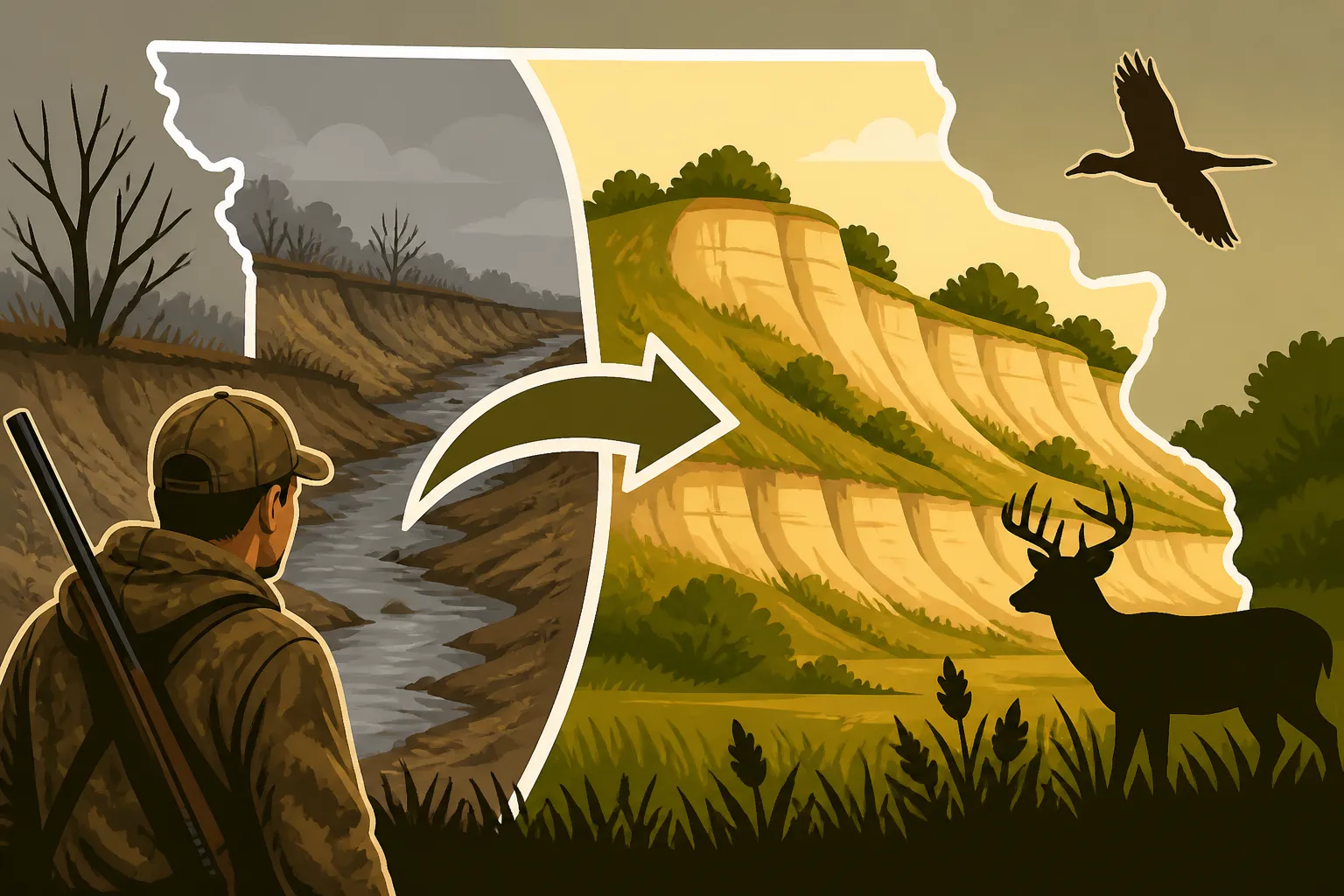
The term "loess" refers to a type of fine, silty soil deposited by wind, often during glacial periods. The loess bluffs themselves are incredibly distinctive geological formations, towering above the Missouri River floodplain in the northwestern part of the state. These hills were formed thousands of years ago when strong winds picked up glacial silt from the river bottoms and deposited it, layer upon layer, creating steep, unique topography. If you've ever hiked or driven through this area, you know these bluffs are not just hills; they are a defining characteristic of the landscape, providing breathtaking views and creating microclimates that support unique plant and animal communities.
This distinctive geology is not only visually striking but also ecologically vital. The bluffs provide crucial habitat for a variety of wildlife, from migratory birds seeking refuge from the winds to deer and other mammals that find shelter and food in the diverse vegetation. The Loess Hills region is a nationally significant landscape, and the name "Loess Bluffs" directly honors this natural wonder. It tells a story about the land itself, making the refuge's identity intrinsically linked to its geological roots rather than a problematic historical term.
Continuity of Mission and Habitat Management
It’s completely understandable to wonder if a name change signals a shift in priorities or management. However, for Loess Bluffs National Wildlife Refuge, the core mission remains exactly the same: to provide vital habitat for migratory birds and other wildlife, and to offer opportunities for public outdoor recreation, including hunting and wildlife observation. The dedicated staff and their long-term management plans are still in full effect.
This means the diligent work of managing water levels for waterfowl, planting food plots, maintaining diverse habitats, and ensuring healthy wildlife populations continues unabated. The refuge is renowned for its spectacular concentrations of snow geese and other waterfowl during migration, and those incredible spectacles are still very much a part of the refuge's annual cycle. Hunters will still find excellent opportunities for Missouri Flooded Timber Duck Tactics and Field Hunting Geese in North Missouri, benefiting from decades of careful habitat stewardship. The name has changed, but the commitment to conservation and providing those cherished experiences in nature has not.
Practical Implications for Hunters and Visitors
When a place you've known for years gets a new name, it can definitely cause a moment of "Wait, where am I going again?" This is a totally normal reaction, especially when you're planning a hunting trip where every detail matters. But rest assured, navigating the new Loess Bluffs National Wildlife Refuge is straightforward once you know what to look for.
Navigating the Refuge Under the New Name
The most immediate change for visitors is simply updating your mental map and any physical or digital navigation tools you use. If you’re like me, you probably still have "Squaw Creek" saved in your GPS or marked on an old paper map. It’s time to update those entries to "Loess Bluffs National Wildlife Refuge." This is especially true if you rely on mobile mapping applications. Tools like onX Hunt are fantastic for this, as their maps are constantly updated, showing current land boundaries and names. A quick check of your app will confirm the new name and ensure you’re heading to the right place.
You'll also notice that road signs leading to the refuge have been updated, as have brochures and official documents. If you're planning a trip, always check the official U.S. Fish and Wildlife Service website for the refuge. It will have the most current information, maps, and any specific alerts or seasonal closures. While the name has changed, the physical location and access points remain the same, so once you correct the name in your navigation, your route won't change.
Access, Rules, and Regulations Remain Consistent
One of the biggest reassurances for hunters and outdoor enthusiasts is that the name change itself does not alter the refuge’s hunting opportunities, regulations, or access policies. Loess Bluffs National Wildlife Refuge continues to be a destination for waterfowl hunting, with specific zones and seasons managed by the USFWS in cooperation with the Missouri Department of Conservation. You’ll still need to be aware of Missouri Duck Zone Boundaries and understand the Missouri Duck Daily Bag Limit, just as before.
It’s always critical to remember that National Wildlife Refuges operate under their own specific rules, which can sometimes differ from general statewide regulations. This means that even with a consistent name, you should always check the refuge’s specific hunting brochure or website before you visit. This will detail everything from approved hunting methods to Nontoxic Shot Rules on Missouri Wetlands, shooting hours, and any permit requirements for specific managed hunts or access draws. For instance, processes like Managed Hunt Draws on Missouri Wetlands will still be in place, requiring you to understand the application and drawing procedures if you plan to participate in those specific opportunities. The continuity in management and regulation is a key aspect of ensuring stable and predictable hunting opportunities for everyone.
Understanding Loess Bluffs National Wildlife Refuge
| Feature | Old Name | New Name | Description | Primary Focus (Hunting) |
|---|---|---|---|---|
| Location | Northwestern Missouri | Northwestern Missouri | Missouri River floodplain & adjacent bluffs, Holt County | Waterfowl, Deer, Small Game |
| Key Landscape | Historically named | Loess Bluffs | Unique wind-deposited silt bluffs, expansive wetlands | Waterfowl, Deer, Small Game |
| Wildlife | Diverse | Diverse | Migratory waterfowl, eagles, deer, various bird species | Ducks, Geese, Deer |
| Mission | Conservation, Recreation | Conservation, Recreation | Habitat preservation, public access (hunting, fishing, wildlife observation) | No change in mission |
| Regulations | Refuge-specific | Refuge-specific | Follow USFWS refuge regulations in addition to state laws | No change in regulations |
The Broader Impact and Future Outlook
While a name change might seem like a small detail in the grand scheme of things, it actually carries significant weight, reflecting broader shifts in how we approach conservation, public lands, and community engagement. The transition from Squaw Creek to Loess Bluffs National Wildlife Refuge is more than just semantics; it's a step towards more respectful and inclusive stewardship of our natural resources.
Respectful Stewardship and Modern Conservation
Modern conservation is about more than just managing wildlife populations and habitats; it's also about managing our relationship with the land and with each other. Using names that are offensive to any group of people undermines the very spirit of public lands, which are meant to be welcoming and accessible to all. By removing a derogatory term, we are actively participating in a more respectful form of stewardship, acknowledging the historical injustices tied to language and working to rectify them.
This move aligns with a broader push for diversity and inclusion in outdoor recreation. When all communities feel seen and respected, it opens the door for more people to connect with nature, become involved in conservation, and experience the joys of hunting, fishing, and wildlife observation. It's about building bridges, not walls, and ensuring that our public lands truly are for everyone. This kind of thoughtful action is part of why so many of us value these natural spaces.
Planning Your Visit to Loess Bluffs
Whether you’re a seasoned visitor to this refuge or planning your very first trip, approaching Loess Bluffs National Wildlife Refuge with its new name in mind is key. For those looking to hunt, especially waterfowl, a little preparation goes a long way. Beyond checking the refuge’s specific regulations, it's wise to scout the area, either in person or with digital tools. The Missouri Conservation Atlas can provide an excellent overview of the region, and combined with advanced mapping systems, you can really dial in your approach.
For many, Loess Bluffs is synonymous with incredible birdwatching opportunities, particularly during the peak of waterfowl migration. Tens of thousands, sometimes hundreds of thousands, of snow geese, white-fronted geese, and various duck species descend upon the wetlands, creating a spectacle unlike any other in Missouri. Beyond hunting, consider taking advantage of the designated wildlife drive, hiking trails, or observation decks. If you're interested in understanding the habitat more deeply, resources like GoHunt can sometimes offer insights into specific habitat types and seasonal animal movements, even if primarily focused on big game, the underlying principles of understanding habitat apply. It’s a truly special place, and its new name reflects a deeper, more thoughtful connection to its natural identity. So pack your binoculars, grab your gear, and head out to experience the incredible Loess Bluffs National Wildlife Refuge.
Disclaimer
This article is for general informational purposes only and does not constitute professional advice. Laws, prices and regulations vary by location and change over time. Consult a qualified professional for guidance on your specific situation.