Hunting the Missouri Rut in Early November
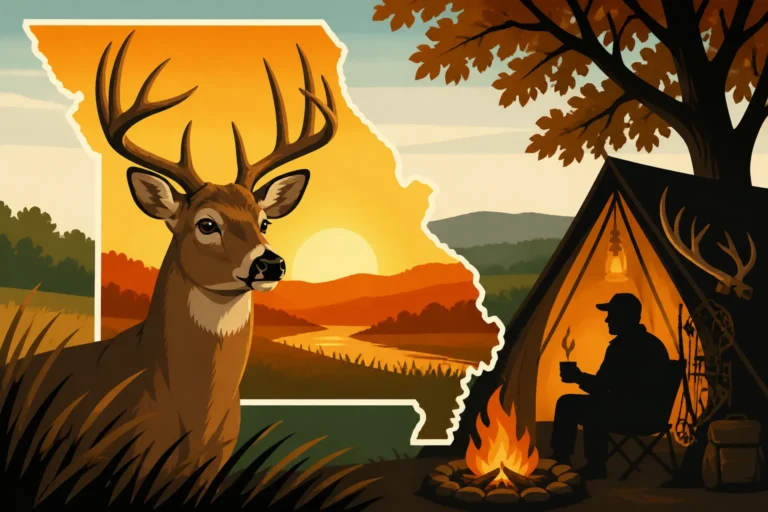
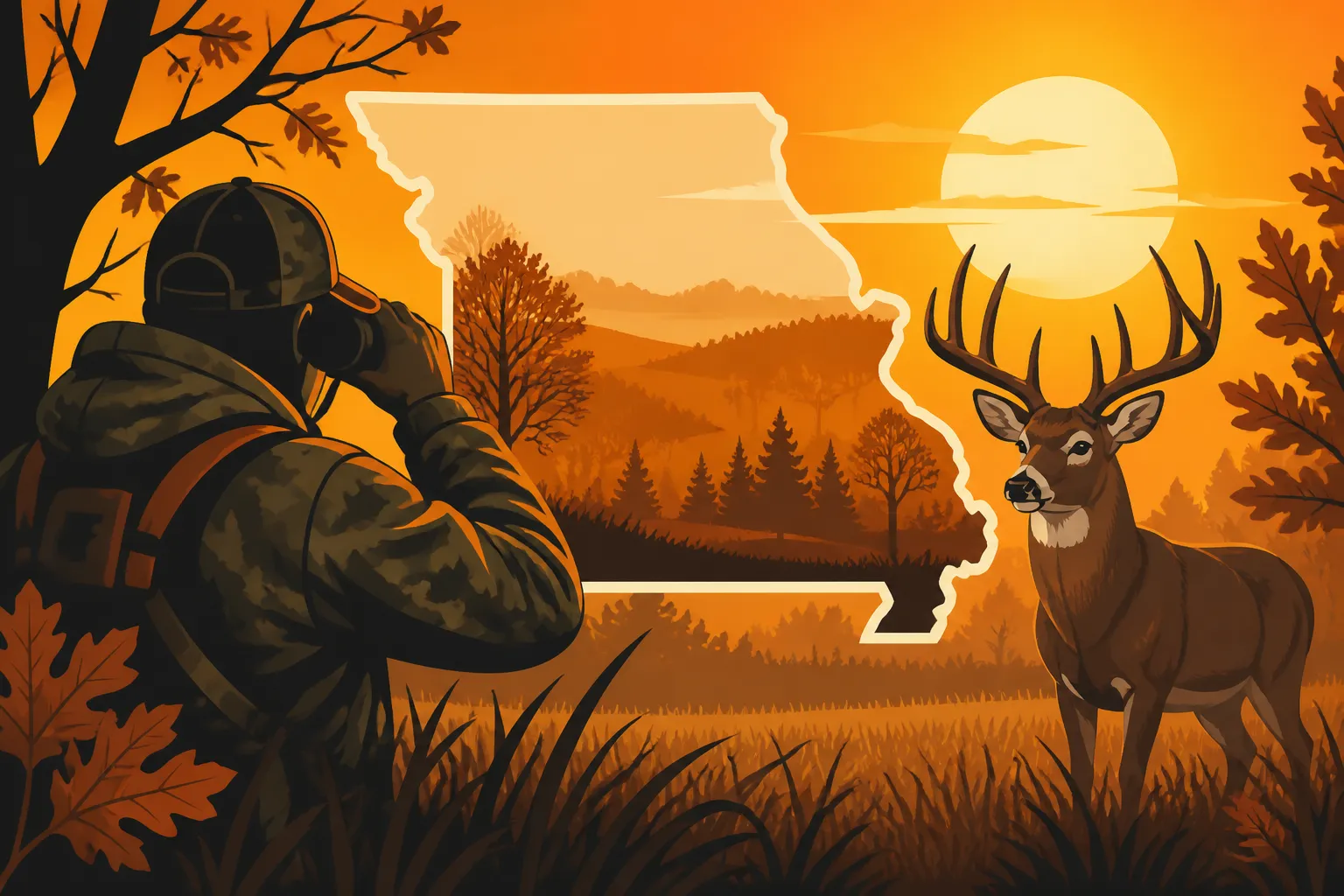
There's nothing quite like the electric anticipation of early November for a deer hunter in Missouri. It's that magical time when the whitetail rut really starts to crank up, and the woods transform into a chaotic, exciting arena of bucks chasing does, challenging rivals, and generally throwing caution to the wind. But let's be honest, for all the hype, hitting the rut at just the right moment and predicting what a lovesick buck will do next can feel like trying to herd cats in a tornado. This guide is all about cutting through the guesswork, diving deep into understanding deer behavior in early November, and equipping you with the strategies to make the most of Missouri's most thrilling deer hunting window.
Understanding the Early November Rut Dynamics in Missouri
Early November marks a pivotal transition in the whitetail rut cycle. It's often where the "chase" truly begins, moving beyond just scrapes and rubs into active seeking and breeding. This period is a high-stakes game of hide-and-seek, and knowing the rules is your best shot at success.
The Seeking Phase and Its Importance
As October wanes and November rolls in, bucks aren't just thinking about food anymore; their minds are almost entirely consumed with finding receptive does. This is known as the "seeking" phase, and it's absolutely crucial to understand. During this time, testosterone levels are peaking, driving bucks to cover an incredible amount of ground, sometimes miles in a single day, as they relentlessly search for those first few does coming into estrus. They're scent-checking every promising trail, every thicket, and every field edge, often traveling during daylight hours that might have seemed unproductive just a week or two earlier.
What makes the seeking phase so exciting and, frankly, unpredictable, is that bucks are less tied to their usual bedding and feeding patterns. They might pop up in areas you've never seen them before, driven by the primal urge to find a mate. This means that while traditional scouting for food sources and bedding areas is always valuable, during early November, you need to shift your focus to intercepting these cruising bucks. They're not necessarily going from Point A to Point B with a clear destination; they're wandering, sniffing, and reacting to any hint of a receptive doe. This increased movement, particularly during legal shooting light, is precisely why this period offers such fantastic hunting opportunities.
Scrape Lines and Rubs as Communication Hubs
While the primary breeding activity might be a few days away for many does, early November sees scrape lines and rub lines truly ignite. Bucks are actively creating and checking these signposts as a way to communicate their presence and dominance, and to gauge the presence of does. A "primary scrape" – often found along a well-used travel corridor or near a traditional breeding area – becomes a social hub, visited repeatedly by multiple deer. You'll see these scrapes freshly pawed, with leaves cleared away, and the licking branch above it tattered and wet from being worked by various deer.
Interpreting these signs is key. A fresh scrape, still moist and smelling strongly of deer, tells you a buck (or several) has been there very recently. Pay attention to the size of the tracks in the scrape; larger, deeper tracks often indicate a mature buck. Similarly, fresh rubs – where a buck has stripped bark from a tree, often a small sapling – are visual markers. A cluster of fresh rubs can indicate a buck is regularly traveling through an area, marking his territory as he moves between bedding and cruising routes. While a buck might only visit a scrape every few days, the sheer volume of activity during early November means these spots are high-odds locations for an encounter. Setting up on a well-used scrape line, especially one that shows multiple fresh workings, can be incredibly productive, as you're essentially sitting on a deer communication highway.
Doe Movement and Estrous Windows
Ultimately, the entire early November rut revolves around the does. Bucks are simply reacting to their readiness. Does typically come into estrus for a relatively short window, usually about 24-48 hours, during which they are receptive to breeding. In Missouri, the peak of this can vary slightly year to year and region to region, but early November is when the first significant waves of does begin to enter this crucial phase. These first few receptive does act like magnets, drawing bucks from all over.
When a doe is close to estrus, her behavior also changes. She might become more agitated, moving more frequently, and leaving a stronger scent trail that bucks can pick up from surprisingly far distances. Bucks, in turn, will diligently follow these scent trails, often with their nose to the ground, trailing does like a bloodhound. This is why understanding doe bedding areas and feeding patterns, even during the rut, remains important. If you can locate where does are naturally congregating, you're placing yourself in the path of the bucks that will inevitably come looking for them. As the number of estrous does increases through early to mid-November, the intensity of buck-on-buck aggression and the sheer volume of chasing activity will likewise ramp up, making this period truly exciting.
Strategic Scouting for Early November Success
Scouting for the early November rut isn't just about finding rubs and scrapes; it's about connecting the dots to understand deer movement patterns that are often more erratic and buck-centric than at any other time of year. Your pre-season intel needs a significant update.
Re-evaluating Pre-Season Scouting Data
You've spent all summer and early fall charting food sources, identifying bedding areas, and maybe even patterning a specific buck around his early-season habits. Now, it's time to re-evaluate all that data through a "rut lens." That lush food plot or acorn flat that was a magnet in October? It's still important, as does will still need to feed, but bucks might just be passing through it quickly on their way to check another area for does. The thick, secluded bedding area might still hold deer, but bucks are now prone to leaving it frequently, sometimes even in the middle of the day, to cruise.
Instead, look for older rub lines that run along ridgelines or connect different timber blocks. These historical travel corridors become active highways during the rut year after year. Deer will often utilize the same pinch points, creek crossings, and timbered funnels during this intense period. What you're seeking are the "highways" bucks use to travel between these doe-holding areas, or even just to cover ground in their quest. Don't discard your earlier scouting, but adapt it. Think about how bucks will travel from one doe bedding area to another, or from a secluded thicket to a known doe feeding area. The key is to anticipate their increased, more purposeful movement and position yourself along those routes.
Locating High-Traffic Rut Corridors
Finding these high-traffic rut corridors is where you'll spend most of your time scouting in early November. Forget the food for a moment, and think about terrain. Bucks will exploit any feature that allows them to travel efficiently while still offering some cover. In the Missouri Ozarks, this often means focusing on terrain features like Hunting Missouri Ridge Saddles and Benches. These elevated areas offer bucks a vantage point to survey for does and scent-check, all while providing an easier path through rugged country. Similarly, benches—those flat areas along a hillside—serve as excellent travel corridors and staging areas.
In northern Missouri's rolling farm country, Hunting a Timbered Draw in Row-Crop Country becomes incredibly important. These draws, often thick with timber and brush, offer bucks crucial cover as they move between expansive crop fields or bedding areas. A buck might follow a draw for a mile or more, scent-checking for does without exposing himself in open terrain. Creek bottoms, especially those with consistent timber cover, are also fantastic natural funnels. Any feature that bottlenecks deer movement or provides a natural travel route is a potential hotspot. For instance, understanding how deer move in deep, forested ravines can be key when Reading an Ozark Hollow for Deer Movement, allowing you to identify those subtle pathways that bucks prefer. Look for concentrated fresh sign – multiple rubs, heavily used trails, and primary scrapes – within these corridors to confirm active use.
Using Technology for Real-time Intel
In today's hunting world, technology can be a massive advantage, especially during the unpredictable rut. Trail cameras, particularly cellular cameras, provide invaluable real-time intel. Imagine getting a picture of a cruising buck at 9 AM, 200 yards from your stand – that immediate notification tells you the deer are moving and validates your setup. Place cameras on those freshly worked primary scrapes, along pinch points, or near heavily rubbed trees. They'll confirm which bucks are active, at what times, and in which areas, allowing you to fine-tune your strategy day by day.
Mapping applications like GoHunt become indispensable for visualizing the terrain and planning your approach. You can mark scrape lines, rubs, bedding areas, and travel corridors directly on the map, helping you connect the dots between all your scouting observations. Crucially, these apps allow you to plot your entry and exit routes, ensuring you approach your stand or blind with the wind in your favor and minimize disturbance. By overlaying public land boundaries, property lines, and topographic features, you can identify those subtle terrain changes that create natural funnels, even on unfamiliar ground. This combination of real-time camera data and detailed mapping helps you make educated decisions when every hour in the stand counts.
Stand and Blind Setups for Peak Activity
Once you've zeroed in on those high-traffic rut corridors and communication hubs, the next step is choosing the right setup. The early November rut demands adaptability, and having both elevated and ground-level options in your arsenal will significantly increase your odds.
Treestand Advantage in Hardwoods
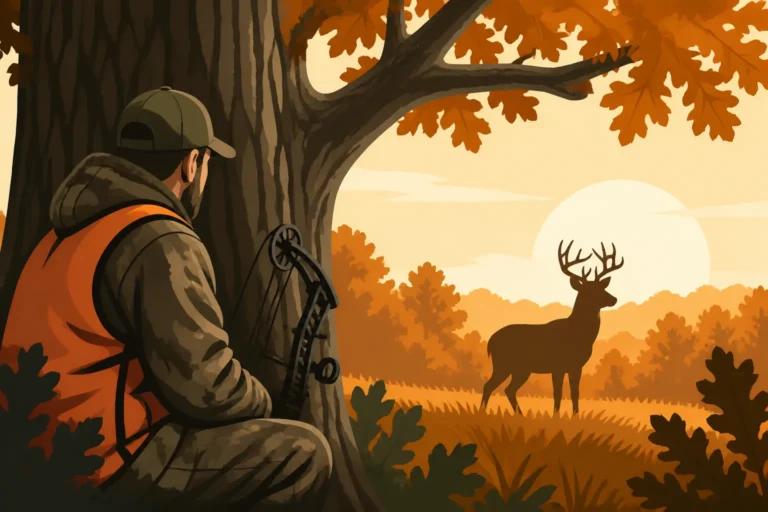
For many Missouri hunters, a well-placed treestand in hardwood timber is the quintessential rut setup. The elevation provides several distinct advantages. First, it offers an unparalleled vantage point, allowing you to spot bucks cruising from a distance, giving you precious seconds to prepare for a shot. In the thick Missouri timber, this extra visibility can be the difference between seeing a buck and having him slip by unseen. Second, getting off the ground helps your scent dissipate above the deer's primary detection zone, though it certainly doesn't eliminate it entirely. With deer constantly on the move, minimizing your ground-level scent cone is paramount.
When it comes to actual placement, think about pinch points, natural funnels between ridges or thickets, and areas where trails converge. Consider setting up on the downwind side of a primary scrape or rub line, allowing bucks to approach naturally while your scent is carried away from their most likely path. Pay close attention to available shooting lanes; even a perfect location is useless if you can't get an ethical shot. For a comprehensive look at optimizing these positions, check out our guide on Treestand Setups in Hardwood Timber. Remember, safety is always first: always use a full-body harness, lifeline, and inspect your stand and sticks thoroughly before each use. The early November rut can be cold, so ensure your clothing layers accommodate long, motionless sits.
Ground Blind Tactics on Field Edges and Openings
While treestands are fantastic, ground blinds offer a stealthy alternative, especially when hunting the edges of crop fields, food plots, or even dense clearcuts. For a detailed guide on these setups, refer to Ground Blinds on Crop Field Edges. One of their biggest benefits is complete concealment; a properly brushed-in blind makes you virtually invisible, allowing for more movement, which can be a godsend on those frigid early November mornings. This is particularly advantageous for hunters bringing youth or new hunters, as it allows for comfortable, quiet communication and less fidgeting.
Ground blinds excel on field edges because they allow you to cover wider expanses and catch bucks cruising along the timber line or even cutting across open fields as they search for does. When setting up, ensure the blind is brushed in naturally to break up its outline. Don't just plop it down; use local vegetation to make it blend seamlessly with the environment, as detailed in Brushing In a Blind on a Field Edge. Consider your background as well, especially if setting up near a clearing. A dark backdrop will help hide your silhouette. Also, think about sun angle; you don't want the sun shining directly into your windows in the morning or evening, silhouetting you for approaching deer. Blinds also offer protection from the elements, which can be a huge comfort when a cold, damp Missouri front blows through.
Playing the Wind and Thermals
If there's one single factor that will dictate your success or failure during the rut, it's the wind. Bucks rely almost exclusively on their sense of smell to locate does and detect danger, especially during this period of heightened activity. Ignoring the wind is a guaranteed way to send a trophy buck heading for the hills. Always, and I mean always, hunt with the wind in your favor, blowing your scent away from where you expect deer to approach.
However, it's not always as simple as checking the weather app. In Missouri's varied terrain, especially in the rugged Ozarks, wind can swirl and eddy in unpredictable ways. Topographic features like hollows, ridges, and creek drainages create localized air currents known as thermals. In the morning, as the sun warms the earth, air typically rises, carrying your scent uphill. In the evening, as the air cools, it sinks, carrying your scent downhill. Understanding these nuances is critical. For more in-depth knowledge, dive into our article on Wind and Thermals in Ozark Hills. Use a wind checker frequently, both on your approach and while on stand, to confirm air movement. If the wind isn't right for your chosen spot, move to an alternate location, or wait for another day. A bad wind ruins more hunts than anything else.
Calling and Decoying Strategies for Aggressive Bucks
Early November is prime time to engage with bucks directly. Their heightened aggression and singular focus on does make them susceptible to calling and decoying tactics that might be ignored at other times of the season. Don't be afraid to get vocal!
Aggressive Grunting and Rattling
When bucks are actively seeking and chasing, they are often on edge and ready for a confrontation. This is where aggressive grunting and rattling come into play. Imitating the sounds of two bucks fighting or a buck grunting in pursuit of a doe can be incredibly effective. For an overview of these techniques, check out Rattling and Grunting in the Rut. Start with a series of aggressive grunts – short, deep, guttural sounds that mimic a buck chasing. Follow this with a rattling sequence that sounds like two bucks clashing antlers. The key is to make it sound realistic, not just a random clatter.
Consider the environment: Rattling Volume for Thick Timber should be different than open country. In dense woods, you don't need to be as loud, as the sound doesn't travel far. In more open areas, you can afford to be more aggressive with your rattling to carry the sound. Timing is also critical. Early mornings and late afternoons are often best, but a hot buck can respond at any time. Wait 15-20 minutes after a rattling sequence; a buck might circle downwind before presenting himself. Don't be afraid to experiment with different grunt calls; some bucks respond better to a deep, guttural sound, while others might prefer something a bit lighter, like those described in Grunt Calls in Missouri River Bottoms. The more varied and realistic you can make your calling, the better your chances.
Decoying Dominant Bucks
Pairing your calling with a decoy can create a visually irresistible scenario for a rutting buck. A deer decoy mimics the visual presence of a rival buck or a receptive doe, adding another layer of realism to your setup. For tactics on how to effectively use a decoy, particularly for those bigger northern Missouri bucks, see Decoying a North Missouri Buck. A buck decoy, especially a younger, submissive one, can often lure in an aggressive older buck looking to assert dominance. Place the decoy quartering away from your stand, creating an inviting shot angle as the real buck approaches to confront it.
If you opt for a doe decoy, place it facing you, as if she's about to be bred, which can infuriate a cruising buck. Always consider the wind when placing a decoy; you want the approaching buck to come from downwind, giving you time to prepare for the shot. Common mistakes include placing the decoy too far from your stand, making the shot difficult, or placing it in an open area with no cover nearby, making it look unnatural. GoHunt's mapping tools can help you visualize the ideal decoy placement relative to your stand and expected deer travel paths. The goal is to make the decoy look as natural as possible, as if it's just another deer in the woods, enticing a real buck to investigate.
Incorporating Doe Bleats and Estrus Calls
Beyond aggressive grunts and rattling, don't forget the power of doe bleats and estrus calls. These sounds mimic a doe in heat or a lost fawn, tapping into a buck's primal instinct to investigate. A simple fawn bleat can sometimes stop a buck in his tracks, as he might check for a lost doe, especially if he thinks she's about to come into estrus. An estrus bleat, a louder, more drawn-out bleat, directly imitates a doe that's ready to breed, which can be an absolute magnet for a seeking buck.
These calls are generally more subtle than rattling, often used when you've spotted a buck at a distance and want to bring him closer, or if you're blind calling in a thick area where visibility is limited. A common tactic is to use a few soft estrus bleats after a rattling sequence; this suggests a doe has been attracted to the "fight" and is now present, which can seal the deal for a hesitant buck. Always remember to use these calls sparingly and with purpose; too much calling can make deer wary. Read the deer's body language. If a buck responds to a bleat by turning his head or walking in your direction, keep calling softly to coax him in. If he seems to ignore it or appears nervous, back off the calling for a bit.
Adapting to Weather and Pressure
The early November rut, while exciting, isn't always a walk in the park. Missouri weather can be fickle, and hunting pressure, especially on public land, can influence deer behavior significantly. Being able to adapt is crucial for success.
Cold Fronts and Post-Rain Action
Deer, like most wildlife, are highly sensitive to changes in weather patterns. During the rut, a strong cold front rolling through Missouri can ignite deer activity like nothing else. The sudden drop in temperature, especially after a period of mild weather, seems to energize bucks. They know that this crisp, cooler air is ideal for scent-checking and covering ground without overheating. You'll often see a surge in daylight movement immediately following a cold front, as bucks actively cruise and does become more willing to move.
Similarly, a good rain can cleanse the forest floor of old, stale scent, allowing new, fresh scent trails to become more potent. Deer also often move more freely after a rain, as the ground is softer, making for quieter travel. If you have the luxury of choosing your hunting days, target those periods immediately following a significant cold front or a good soaking rain. The woods will feel alive, and the chances of encountering an active, seeking buck will be dramatically higher. Be prepared for colder temperatures though, with proper layering to stay warm and comfortable during long sits.
Hunting High-Pressure Areas Smartly
Missouri offers an incredible amount of public hunting land, which is a fantastic resource. However, during the early November rut, these areas can see significant hunting pressure. Deer quickly adapt to pressure, often going nocturnal or seeking out the thickest, nastiest cover they can find. If you're hunting public land or heavily hunted private ground, you need to be smarter than the average hunter. Our comprehensive article on Hunting Pressure on Missouri Public Ground offers excellent insights.
The key is to find those overlooked pockets that other hunters walk past. This often means walking farther than anyone else, into areas that seem too remote or too difficult to access. Look for overlooked habitat features like small, isolated timber blocks, thick creek bottom tangles, or dense cedars that are off the beaten path. These areas, though small, can become sanctuaries for pressured bucks seeking refuge while still wanting to cruise for does. Similarly, hunting the fringes of heavy cover, where bucks might stage before entering an open area, can be productive. Don't be afraid to put in the miles and explore new ground; often, the biggest bucks are found where the fewest hunters dare to tread. For more tips on finding those hidden gems, check out Finding Ground Others Walk Past.
Dealing with the Firearms Portion Overlap
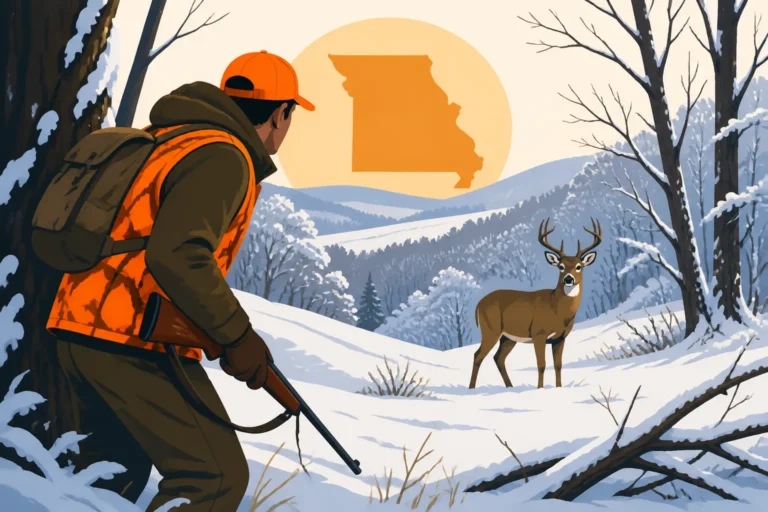
One unique aspect of hunting the early November rut in Missouri is its overlap with the early days of the Missouri's November Firearms Portion. This introduces a completely different dynamic. Suddenly, the woods are filled with many more hunters, and the pressure on deer escalates dramatically. For bowhunters, this means adhering to specific Orange Requirements for Missouri Archers, typically displaying 400 square inches of hunter orange. Even if you're not bowhunting, understanding this overlap is vital for any hunter.
Deer will instantly become more wary and adapt their movement patterns. They might shift to more nocturnal activity or seek out impenetrable cover during daylight hours. However, the rut's intensity can still override some of this caution, especially for a buck hot on the trail of a receptive doe. Hunters should focus on thick bedding areas and transition corridors that offer maximum cover, as deer will often move through these areas even during daylight to avoid open spaces. Hunting edges of property lines where pressure might be lighter on one side, or finding deep, secluded pockets within public land can also be effective. The key is to anticipate how increased human activity will influence deer behavior and adjust your strategy accordingly, prioritizing stealth and cover.
Here's a quick comparison of calling techniques for the early November rut:
| Call Type | Best Use Case | Volume & Intensity | Buck Response Expectation | Time of Day Best Used |
|---|---|---|---|---|
| Aggressive Grunt | Catching attention of cruising bucks, challenging | Moderate to Loud, series of 2-4 grunts | Investigation, challenge, direct approach | Anytime |
| Rattling Sequence | Simulating buck fight to attract dominant bucks | Varying, from light tickling to aggressive crashing | Investigation (often circling downwind), direct approach | Anytime |
| Estrus Doe Bleat | Attracting bucks seeking receptive does | Soft to Moderate, drawn out bleats | Investigation, cruising, slowing down | Anytime |
| Fawn Bleat / Distress | Stopping a buck, appealing to maternal instincts | Moderate, short, sharp bleats | Stops buck, curiosity, sometimes direct approach | Anytime |
| Snort Wheeze | Challenging dominant bucks, last resort if seen | Loud, sharp wheeze | Aggressive challenge, confrontation, often turns away | When buck is visible |
Disclaimer
Hunting involves inherent risks, including but not limited to those associated with firearms, archery equipment, treestands, and outdoor conditions. Always prioritize safety, follow all local and state regulations, and ensure you have proper training and equipment. The information provided in this guide is for educational purposes only and should not replace professional instruction or local wildlife agency guidelines. Be aware of your surroundings, understand game identification, and respect wildlife and the environment.