Clothing for a Missouri November
There's nothing quite like a Missouri November. One minute you're wiping sweat from your brow as you climb into your stand before dawn, the next you're shivering uncontrollably as a brutal north wind whips through the timber. This isn't just an inconvenience; it can be downright miserable and even dangerous if you're not prepared. For hunters, the constant, wild swings of temperature and weather make choosing the right gear a real headache, often leading to either overheating on the walk in or freezing solid during a long sit. This guide is dedicated to helping you master the art of dressing for Missouri's unpredictable November weather, ensuring you stay comfortable, focused, and ready for whatever the woods throw your way.
Understanding Missouri's November Weather Whims
Let's be real, November in Missouri is a meteorological rollercoaster. Just when you think you've got it figured out, Mother Nature throws a curveball. It’s not enough to check the forecast the night before; you need to understand the pattern and the potential for rapid change. This understanding is the first layer of defense against the elements.
The Unpredictable Nature of Fall Fronts
One of the biggest frustrations for Missouri hunters in November is the way cold fronts roll through. These aren't just gentle breezes; they can be dramatic shifts that drop temperatures by 20 degrees or more in a matter of hours. You might start your morning hunt bundled up because the forecast showed an overnight low in the upper 20s, only to find yourself sweating profusely by 10 AM as the sun beats down. Then, just as you're getting comfortable, a front comes screaming through, bringing with it a sudden chill and often, a biting wind.
Imagine you're tucked away in your favorite Treestand Setups in Hardwood Timber, the air still and crisp at dawn. You felt the chill walking in, but now the sun is rising, and the woods are starting to warm up. You might even shed a layer or two. But lurking on the weather map is a powerful system pushing south, and by midday, those comfortable conditions vanish, replaced by a blast of arctic air that feels like it’s piercing straight through your bones. This quick change isn't just uncomfortable; it pulls your focus away from the hunt, making it harder to stay still and alert.
Temperature Swings: Mornings, Midday, and Evenings
The daily temperature swings in Missouri during November are legendary, and they are arguably the biggest challenge to overcome with your clothing choices. You might wake up to temperatures hovering just above freezing, say in the low 30s. This is prime deer hunting weather, and you dress accordingly, layering up for the cold. However, by early afternoon, especially on a sunny day, those temperatures can easily climb into the upper 50s or even low 60s. This is when you find yourself in a real predicament, overheating in your heavy gear.
Then, as the sun begins its descent, the mercury plummets just as quickly as it rose. By the time legal shooting light is fading, you're back to feeling the sharp bite of evening cold, often compounded by dampness or a building breeze. This isn't just a minor discomfort; it’s a constant battle to regulate your body temperature. You need a system that allows you to easily adjust, adding or shedding insulation without making a racket or disturbing your scent cone too much. For anyone spending hours in a Ground Blinds on Crop Field Edges, exposed to direct sun and then rapid cooling, this adaptability is absolutely non-negotiable.
The Core Principle: Layering for Adaptability
Given Missouri's November temperament, a static, one-and-done hunting outfit just won't cut it. You need a dynamic system, and that system is layering. Forget the old-school idea of throwing on one big, bulky coat. That's a recipe for misery, either from sweating too much or not having enough insulation when it really counts.
Why Layering Isn't Just a Buzzword
Layering isn't just a fancy term thrown around by outdoor gear companies; it's a fundamental principle of staying comfortable and safe in variable conditions. Think of each layer as performing a specific job, working in concert with the others. The magic happens in the air pockets trapped between these layers, which provide incredible insulation. When you get too warm, you simply peel off a layer, releasing that trapped heat and preventing excessive sweating. When the cold returns, you add a layer back on, rebuilding your insulating barrier.
Beyond just warmth, layering is crucial for moisture management. If you sweat and that moisture gets trapped against your skin, it will quickly cool you down once you stop moving, leading to a dangerous chill. Effective layering allows moisture to be wicked away from your body, transferred through the mid-layers, and eventually evaporated from the outer shell. This keeps you dry, and a dry hunter is a warm hunter. It’s all about maintaining that delicate balance of warmth without allowing moisture buildup.
The Three Essential Layers of a Hunting System
A truly effective hunting clothing system for Missouri's November conditions typically consists of three primary layers, each with a distinct role. Understanding these roles is paramount to making smart choices when you're looking at gear.
First, you have the base layer. This is worn directly against your skin, and its primary job is to wick moisture away from your body. Think of it as your personal climate control system, moving sweat outwards so it doesn't leave you feeling clammy and cold. A good base layer keeps you dry, which is the first step to staying warm.
Next comes the mid layer, the workhorse of your insulation. This layer is designed to trap warm air, providing the bulk of your warmth. You'll often have multiple mid-layers of varying thickness that you can add or remove as conditions change. This is where you really dial in your warmth for sitting motionless during Hunting the Peak Rut Week in Missouri or making a long trek.
Finally, there's the outer layer, your protective shell. Its main purpose is to shield you from the elements – wind, rain, and snow. It needs to be durable, quiet for hunting, and, ideally, breathable enough to allow moisture from your inner layers to escape. This layer is your last line of defense against the harsh realities of a blustery Missouri day.
Your Foundation: The Base Layer
The base layer is often overlooked, but it's arguably the most critical component of your entire system. If this layer fails, the rest of your expensive, high-tech gear won't matter much. It’s what directly touches your skin, so its performance dictates your comfort.
Material Matters: Merino Wool vs. Synthetics
When it comes to base layers, you'll generally choose between two fantastic options: merino wool or advanced synthetics. Both have their dedicated fans, and for good reason.
Merino wool is nature's marvel. It's incredibly soft, lightweight, and provides exceptional warmth for its weight. One of its standout features is its natural ability to regulate temperature – it keeps you warm when it's cold and helps cool you when it's warm. Plus, merino wool is naturally odor-resistant, which is a huge bonus on multi-day hunts when you can't easily wash your clothes. This means you can wear it for longer without alarming nearby deer with your personal scent. However, it can be more expensive than synthetics, and while it insulates when wet, it also takes longer to dry.
Synthetics like polyester and nylon blends are engineered for performance. They excel at wicking moisture away from your skin and drying incredibly quickly. They are generally more durable than merino wool and often come at a more affordable price point. Many modern synthetics are treated with antimicrobial finishes to help with odor control, though they still might not match merino's natural resistance over extended wear. For hunters who are on the move more, or who anticipate getting wet frequently, synthetics can be a fantastic choice.
What you absolutely, unequivocally must avoid for a base layer (and any layer, really) is cotton. Cotton absorbs moisture like a sponge and holds onto it, drawing heat away from your body when wet. This is why experienced outdoorsmen often say "cotton kills." Just don't do it.
Weight and Fit for Active or Stationary Hunting
The weight and fit of your base layer should be tailored to your activity level and the expected temperatures. Base layers come in various weights: lightweight, midweight, and heavy/expedition weight.
For more active hunting in Missouri, such as still-hunting through thick cover or executing Still-Hunting a Missouri Ozark Hollow, you'll likely want a lightweight or midweight base layer. This allows for excellent moisture wicking and prevents overheating during periods of exertion. The goal is to stay dry, even if you're working up a sweat. A snug, athletic fit is ideal here, as it maximizes skin contact for efficient wicking.
If your November plan involves a lot of stationary stand hunting – perhaps you're sitting for hours on end during Missouri's November Firearms Portion – then a midweight or even heavy-weight base layer might be more appropriate. These provide more inherent insulation to keep you warm during those long periods of inactivity. Again, a snug fit is important for wicking, but ensure it's not so tight that it restricts blood flow, which can actually make you feel colder. Remember, this layer is your thermal barrier against your own sweat, so choose wisely.
Insulation is Key: The Mid Layer
Once your base layer is managing moisture, your mid-layers step up to the plate to provide the bulk of your warmth. This is where you truly customize your comfort level, adding or subtracting pieces based on the day’s conditions and your activity. The versatility of your mid-layers is what makes your entire system adaptable.
Fleece, Down, and Primaloft: Your Choices for Warmth
There are several excellent materials to consider for your mid-layers, each with distinct advantages:
Fleece is a popular choice for good reason. It’s relatively inexpensive, comfortable, and insulates well, even when slightly damp. Fleece jackets, vests, and pullovers are breathable, allowing some moisture vapor to escape, and they come in various thicknesses (100-weight, 200-weight, 300-weight) to fine-tune your insulation. It’s also quieter than many other materials, which is crucial when deer hunting. For many hunters, a few different fleece options make up their core mid-layer wardrobe.
Down is the king of warmth-to-weight ratio. A good down jacket or vest is incredibly light and compressible, making it easy to pack, yet provides exceptional warmth. The downside (pun intended) is that down loses virtually all its insulating properties when it gets wet. In a damp Missouri November, or if you get caught in the rain, this can be a serious issue. You'll want a reliable outer shell if you plan to rely on down.
Synthetic insulations like Primaloft, Thinsulate, and Coreloft are designed to mimic down’s warmth while performing much better in wet conditions. They don't lose as much loft or insulating power when damp, making them a very reliable choice for unpredictable weather. These materials are often found in puffy jackets and vests. They are typically less expensive than high-quality down and can be quite durable. If you're looking to upgrade your mid-layer game and want something that handles dampness well, synthetic insulation is a smart investment. Many specialized hunting brands, like those you might explore on GoHunt, offer excellent options in all these materials, designed specifically for quiet and effective field use.
Vests, Jackets, and Hoodies: Strategic Insulation
The type of mid-layer garment you choose can make a big difference in how you regulate your temperature and maintain mobility.
Vests are incredibly strategic. They keep your core warm, which is vital for overall body heat, but leave your arms free for unhindered movement. This is fantastic for bowhunters who need full range of motion for drawing, or for anyone who might be carrying a rifle for extended periods. A fleece or synthetic insulated vest can be a perfect second mid-layer over a lighter jacket, adding warmth without bulk to your arms.
Jackets are your primary mid-layer insulation. You might carry one lighter fleece jacket and one heavier, perhaps synthetic insulated, jacket. This allows you to choose exactly how much warmth you need. On colder days, you might wear both a fleece and a puffy jacket under your outer shell.
Hoodies offer versatile warmth for your head and neck, crucial areas for heat loss. A good merino or fleece hoodie can add a significant amount of warmth, and the hood can be pulled up under your outer shell or hat for extra protection when the wind really starts to bite. The key here is versatility – having a mix of these options allows you to adapt to practically any scenario Missouri's November throws at you. When you’re packing your day pack for a full day of hunting, consider how easily you can access and layer these different pieces. Packs for a Day on Public Land need to accommodate these items.
The Shield: The Outer Layer
Your outer layer is your primary defense against the elements. It’s what stands between you and the wind, rain, and snow. But for a hunter, this layer needs to do more than just block weather; it needs to do it quietly and effectively, without hindering your ability to hunt.
Windproof and Water-Resistant Protection
The wind can be a hunter's worst enemy in Missouri, especially when sitting still in a stand. Wind chill can make a 40-degree day feel like 20 degrees, sucking the heat right out of you. Therefore, your outer layer must be windproof. Many modern fabrics incorporate wind-blocking membranes that effectively stop the wind without adding excessive bulk.
Water resistance is also crucial. November often brings drizzle, light rain, or even wet snow. A water-resistant outer layer will shed this precipitation, keeping your inner insulating layers dry and effective. While fully waterproof gear is great for heavy downpours, it can often be noisy – the rustle of waterproof membranes can spook deer. You need to weigh the trade-offs: are you expecting a light sprinkle or a torrential downpour? For the latter, you might need dedicated Rain Gear for an Ozark Downpour to pack separately. For general hunting, a water-resistant, quiet outer layer is often preferred.
Stealth and Durability: Fabric Choices for Hunting
Beyond protection, your outer layer needs to support your hunting objectives. Stealth is paramount when deer hunting. A noisy jacket that crinkles or rubs loudly every time you move will betray your presence long before you get a shot opportunity. Look for fabrics that are brushed, soft, and quiet – fleece exteriors or soft-shell materials are excellent choices. Test them out in the store; if they sound loud indoors, they’ll be deafening in the quiet woods.
Durability is another key factor. You're going to be pushing through brush, climbing into stands, and perhaps dragging deer through rough terrain. Your outer layer needs to stand up to this abuse without tearing or snagging easily. Reinforced elbows, shoulders, and high-wear areas are a definite plus.
Finally, consider your camouflage or color choice. While full camo is often the go-to, effective deer hunting can also be done in quiet, earth-toned solids that blend into the natural environment. However, during the firearms portions, remember your Orange Requirements for Missouri Archers – you'll need at least 400 square inches of hunter orange visible from all directions. This means either your outer jacket is orange camo, or you wear a bright orange vest over your quiet outer layer.
Head, Hands, and Feet: Don't Forget the Extremities
You can be perfectly layered on your torso, but if your head, hands, or feet are cold, you'll still be miserable. These extremities lose heat rapidly, and keeping them warm is essential for overall body comfort and your ability to function in the field.
Hats, Balaclavas, and Neck Gaiters
A significant amount of body heat can be lost through your head, especially in cold, windy conditions. A good hat is non-negotiable for a Missouri November. Fleece beanies, wool caps, or insulated hats with ear flaps are excellent choices. On truly bitter mornings, a balaclava or a warm neck gaiter pulled up over your nose and mouth can make a world of difference. Not only do they keep your face warm, but they also help reduce visible breath fog, which can alert game.
I always carry at least two head coverings: a lighter beanie for milder days or active walking, and a heavier, windproof option for long, cold sits. Being able to pull a neck gaiter up or down as needed provides fantastic micro-adjustments for comfort without having to make a lot of noise.
Gloves and Mittens: Dexterity vs. Warmth
This is a classic dilemma for hunters: how do you keep your hands warm enough to avoid numbness, while still maintaining the dexterity needed to shoot a bow, operate a rifle, or grunt at a buck? The answer often lies in layering your handwear.
Start with a thin, form-fitting liner glove made of merino wool or a synthetic blend. These wick moisture and provide a surprising amount of warmth while allowing for excellent dexterity. Over these, you can wear a heavier, insulated outer glove or mittens. Mittens offer superior warmth because your fingers can share heat, but they sacrifice dexterity. Many hunters opt for "shooters' mitts" or "flip-mitts" which allow you to pull back a flap to expose your fingers when needed. When you are looking for these specialized items, resources like GoHunt can help you compare options from various brands that cater specifically to hunting needs.
The key is to find a system that allows you to stay warm during periods of inactivity but can be quickly adjusted for when you need to handle your weapon. Don't be afraid to keep a pair of emergency Hand Warmers That Last a Full Sit in your pocket for those truly brutal days.
Socks and Boots: Your Ground Game
Your feet are probably taking the most abuse during a hunt, and if they get cold or wet, your hunt is effectively over. This is another area where cotton is the enemy.
Invest in high-quality wool socks, preferably merino. They provide excellent insulation, wick moisture, and resist odor. For colder days, you might even consider layering two pairs: a thin liner sock under a thicker wool sock. Ensure your socks aren't so thick that they constrict your feet inside your boots, as this will cut off circulation and actually make them colder.
For boots, look for insulated, waterproof options. The amount of insulation (measured in grams, e.g., 400g, 800g, 1200g) should match the expected temperatures and your activity level. If you're doing a lot of walking in the Boots and Packs for Ozark Country, too much insulation can lead to sweaty feet. For long, static sits, more insulation is better. Make sure your boots are comfortable and well-broken in before opening day to avoid painful blisters. Nothing ruins a hunt faster than sore feet. For scent control, some hunters prefer Rubber Boots for Scent Control but these often come with less insulation.
Essential Accessories for a Missouri November
Beyond your core clothing layers, a few critical accessories can significantly enhance your safety, comfort, and effectiveness during a Missouri November hunt. These are the small things that can make a big difference when conditions are challenging.
Hunter Orange Requirements
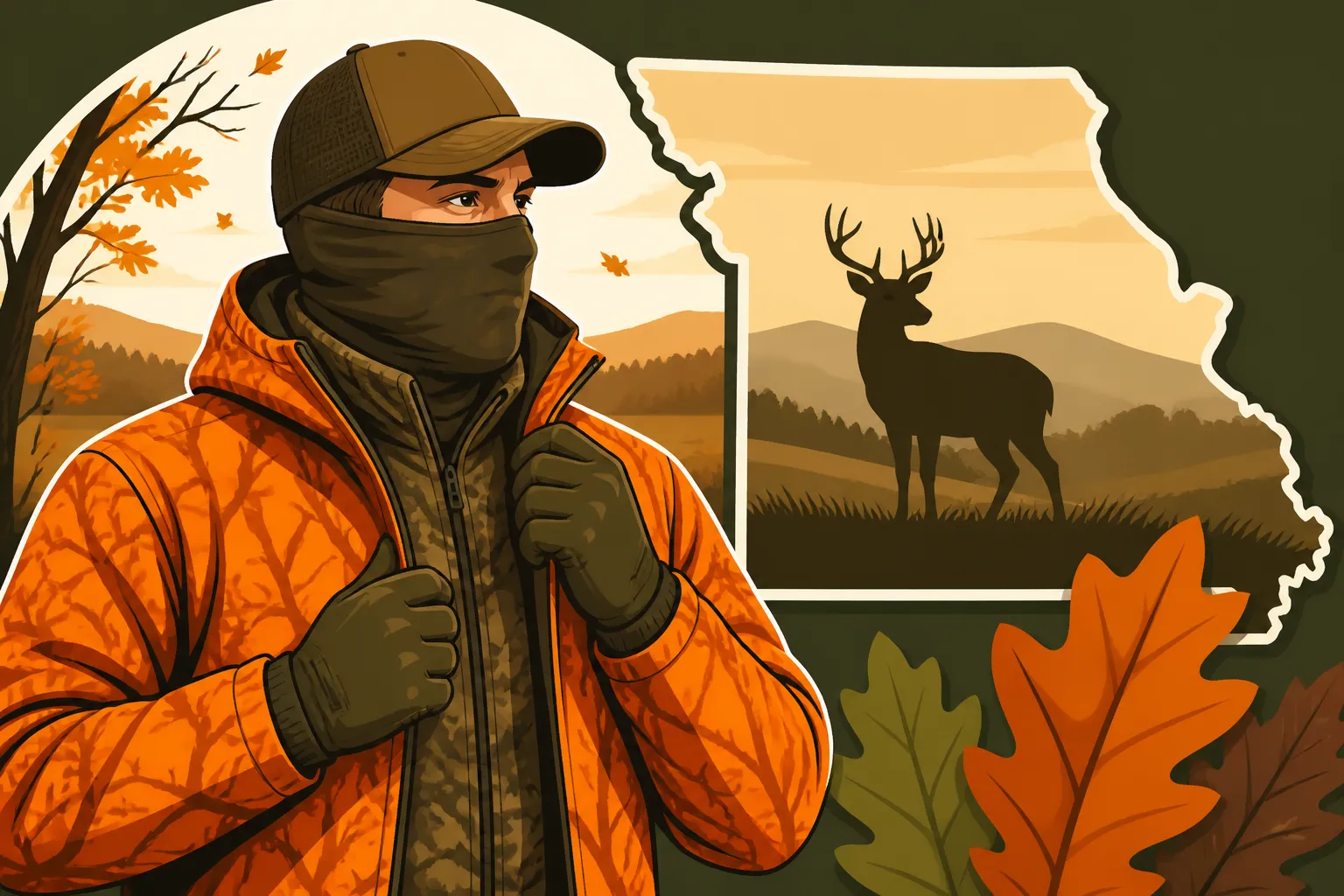
This is a non-negotiable safety item during Missouri's firearms deer season portions, which includes the entire Missouri's November Firearms Portion and often overlaps with archery season. State regulations require all hunters (and anyone accompanying them) to wear hunter orange during these periods. Specifically, you need to display 400 square inches of hunter orange on your chest, back, and head. This means a bright orange hat and a vest or outer garment that meets the coverage requirements.
For bowhunters who continue hunting during the firearms portions, it's particularly important to adhere to Orange Requirements for Missouri Archers. You might be in full camouflage, but you'll still need to add that orange layer. The key is to find hunter orange gear that is also quiet and doesn't hinder your range of motion. Many companies now offer quiet, soft-shell hunter orange jackets and vests that integrate seamlessly into your layering system, ensuring you stay safe without spooking game.
Rain Gear and Packable Options
While your outer layer might offer some water resistance, true rain gear is a separate beast and an absolute must-have for a Missouri November. Even if the forecast looks clear, a pop-up shower or an unexpected cold drizzle can materialize quickly. Getting soaked is a surefire way to get dangerously cold, especially when you stop moving.
Look for lightweight, packable rain gear (jacket and pants) that you can easily stuff into your day pack. Breathable rain gear is worth the investment, as it helps prevent you from sweating profusely inside your waterproof shell. If budget is a concern, even a simple, quiet rain poncho can be a lifesaver in an emergency, offering quick protection from an unexpected downpour. The ability to pull out Rain Gear for an Ozark Downpour and quickly layer up can save your hunt from being cut short.
Hand Warmers, Seat Pads, and Other Comfort Items
Sometimes, even the best layering system needs a little help, especially during those long, cold, static sits.
Hand warmers are a hunter's best friend. Chemical hand warmers, both the disposable and reusable varieties, can provide hours of much-needed warmth for your hands (tucked into your gloves or pockets) and feet (in your boots or sock layers). They’re small, inexpensive, and can be the difference between a productive sit and an early retreat to the truck.
An insulated seat pad or cushion is another often-overlooked item. Sitting directly on a cold metal treestand platform or a damp log will quickly draw heat away from your body. A good insulated pad provides a barrier, keeping your backside warmer and more comfortable, allowing you to stay on stand longer.
Don't forget a thermos filled with hot coffee, tea, or soup. A warm drink can provide an incredible psychological and physical boost on a cold morning, helping to re-warm your core and lift your spirits. These small comfort items collectively contribute to a more enjoyable and successful hunting experience when battling the elements.
Adapting for Different Hunting Scenarios
The beauty of a well-designed layering system is its versatility. You can fine-tune your clothing choices based on whether you're sitting patiently in a treestand, actively still-hunting, or participating in a deer drive. Missouri offers diverse hunting opportunities, and your clothing should reflect that.
Treestand Sitting in Rolling Farm Ground
Hunting from a treestand in open, rolling farm country, especially in North Missouri, often means long periods of inactivity combined with significant exposure to wind. This scenario demands maximum insulation and effective wind protection. Your goal here is to be able to sit absolutely motionless for hours, even when the wind howls.
For this type of hunt, you'll want to lean into your heavy-weight base layers and multiple thick mid-layers. A heavy fleece combined with a robust synthetic-insulated jacket under your outer shell will be key. Your outer layer should be explicitly windproof and quiet. Hunting a Missouri Fencerow Between Fields can expose you to some serious crosswinds, so don't skimp on this protection. A good pair of insulated hunting bibs or pants is also crucial, as your legs can get surprisingly cold when dangling in a stand. Consider an insulated seat cushion and hand muff to supplement your gloves. Because you're not moving much, you can afford to wear more clothing without worrying as much about overheating from exertion, though you still want to avoid sweating during your walk in. Dress lightly for the walk, then add your heaviest layers once you're settled in the stand.
Still-Hunting the Ozark Hills
Still-hunting involves slow, deliberate movement through the woods, stopping frequently to observe and listen. This is a much more active pursuit than sitting in a stand, and your clothing strategy needs to reflect that. The biggest enemy here is overheating and sweating. The moment you stop moving, that sweat will chill you to the bone, especially when dealing with the variable Wind and Thermals in Ozark Hills.
For still-hunting in the rugged Ozarks, prioritize breathability and quietness. Start with a lightweight or midweight base layer that excels at wicking moisture. Your mid-layers should be lighter – perhaps a 100- or 200-weight fleece. Your outer layer still needs to be quiet and durable for pushing through brush, but focus less on maximum insulation and more on breathability and quiet fabric. You should start your hunt feeling slightly cool; you'll warm up quickly once you start moving. If you're going to be walking and then sitting periodically, pack an extra, warmer mid-layer (like a puffy vest or jacket) that you can easily pull out and put on when you stop moving for extended periods. This adaptability is key to a successful Still-Hunting a Missouri Ozark Hollow.
Deer Drives and More Active Pursuits
Deer drives, common in certain parts of Missouri and on public lands, involve much more intense, often short bursts of activity followed by periods of waiting or moderate movement. Here, durability, mobility, and quick-drying fabrics are paramount. You’re going to be moving through thickets, climbing over downed timber, and potentially running to cut off a deer.
Your base and mid-layers should be geared towards high activity: excellent wicking and decent breathability. Synthetics often shine here due to their quick-drying properties. Your outer layer needs to be incredibly durable to withstand contact with brush and briars, and it needs to be quiet enough not to alert deer if you're holding a stand. Mobility is also a huge factor – you don't want bulky clothing that restricts your range of motion when you need to quickly raise your gun or navigate tough terrain. Again, consider a lighter load with layers packed away, adding them during periods of rest. For scenarios like Deer Drives on Missouri Public Ground, you might even find that some brands available on GoHunt offer specialized apparel designed with reinforced knees and elbows, specifically for this kind of rigorous activity.
Disclaimer
This article is for general informational purposes only and does not constitute professional advice. Laws, prices and regulations vary by location and change over time. Consult a qualified professional for guidance on your specific situation.