Turkey Gear for a Missouri Spring
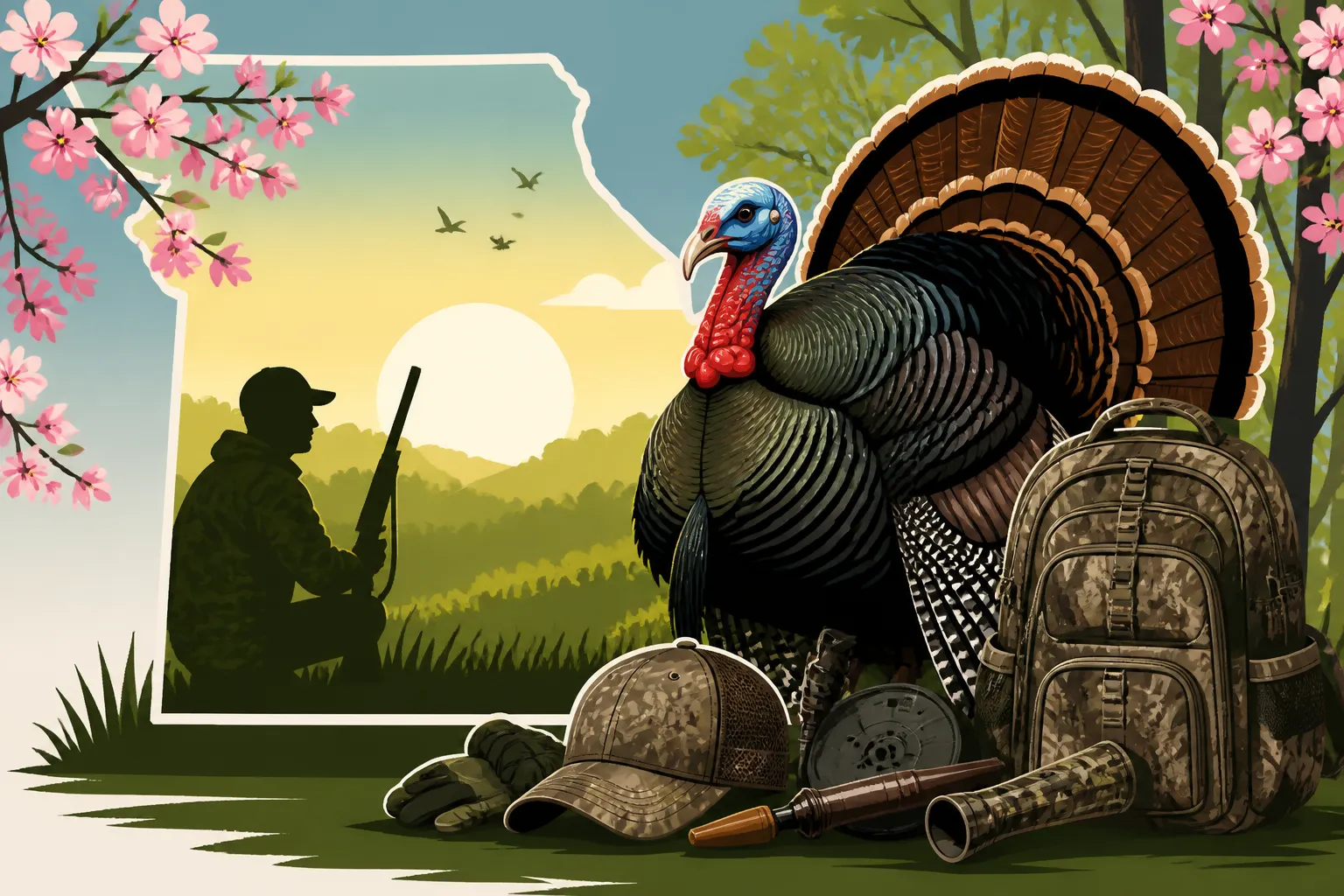
Oh, the Missouri spring turkey season! There's really nothing quite like it. The woods are bursting to life, the dogwoods are blooming, and the air just hums with anticipation. But let's be honest, getting ready for that first early morning hunt can feel a bit overwhelming. You're balancing the excitement of a potential gobble with the nagging worry that you've forgotten something crucial, or that your gear isn't quite up to snuff for those notoriously fickle Missouri birds. This comprehensive guide is here to cut through that anxiety, walking you through every essential piece of turkey gear you'll need to confidently chase those thunder chickens across our beautiful state this spring.
The Essentials: Beyond the Shotgun
When you think "turkey hunting gear," a shotgun is probably the first thing that springs to mind, right? And for good reason! It's your primary tool for sealing the deal. But a successful spring morning, especially here in Missouri where conditions can change on a dime and the birds can be notoriously cagey, requires a whole lot more than just a scattergun. Let's dig into the core items that form the backbone of your spring turkey kit.
The Trusty Turkey Shotgun and Choke
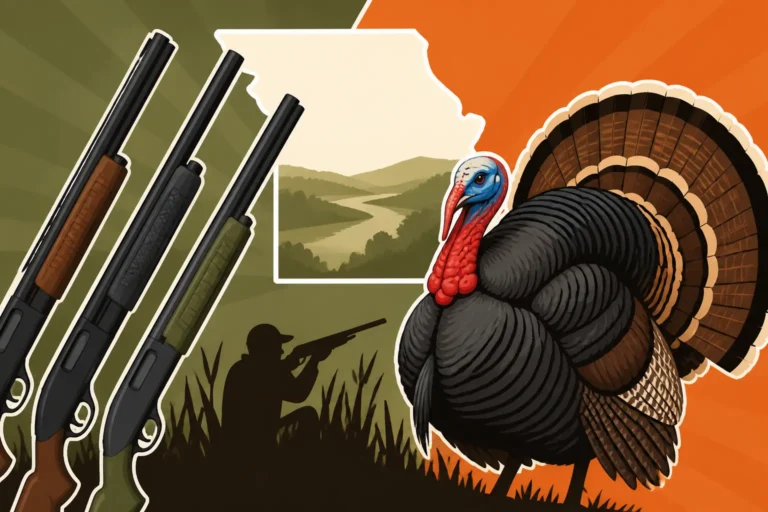
Your shotgun is your bread and butter, so choosing the right one and pairing it with the correct choke is absolutely paramount. Most hunters will opt for a 12-gauge, and for good reason—it offers a fantastic balance of power and pellet count, giving you a dense pattern at typical turkey ranges. However, don't discount the 20-gauge, especially if you're hunting with a youth or prefer a lighter, more maneuverable firearm for long walks through the Ozarks. Modern 20-gauge loads are incredibly effective and shouldn't be underestimated. For more on what to consider, check out Turkey Shotgun Gauge Choice.
The real magic often happens with the choke tube. This isn't just a generic full choke you use for pheasants; you need a dedicated turkey choke. These are typically extra-full or even super-full constrictions designed to deliver an incredibly tight, dense pattern of pellets, specifically aimed at the vitals of a gobbler's head and neck. Patterning your shotgun with your chosen load and choke isn't just recommended, it's non-negotiable. Head to the range, set up some turkey head targets at various distances (20, 30, 40 yards), and see how your combination performs. You might be surprised at how much difference a specific choke and load can make in your pattern density. Every shotgun is a little different, and what patterns perfectly in your buddy's gun might be mediocre in yours.
Ammunition Selection for Missouri Gobblers
Once you've got your shotgun and choke dialed in, it's time to talk ammunition. This isn't the time to skimp! Turkey loads are specialized, designed to pack a punch and deliver a high pellet count. You'll generally be looking at heavier shot sizes, like 4, 5, or even 6, and in some cases, blended loads that combine different sizes. The material of the shot also matters. Traditional lead shot is still very effective, but newer materials like tungsten super shot (TSS) have revolutionized turkey hunting.
TSS is denser than lead, meaning smaller pellets carry more energy and maintain their velocity better, leading to incredibly tight patterns and impressive killing power at longer ranges. While TSS can be pricier, many hunters find the confidence and extended ethical range it provides to be well worth the investment, especially when those Missouri gobblers decide to hang up just a little too far out. No matter what you choose, ensure you're using dedicated turkey loads, not standard game loads. These high-performance shells, especially designed for specific chokes and shot types, are what you need to anchor a strutting tom. You can dive deeper into options with Turkey Loads for Missouri Birds.
Carrying Your Gear: Vests and Packs
Now, how are you going to carry all this stuff? You don't want to be fumbling with pockets or leaving essentials behind. A good turkey vest or a specialized pack is an absolute game-changer. These aren't just glorified backpacks; they're thoughtfully designed systems with specific pockets for calls, decoys, water, and even a comfortable seat cushion.
A well-designed turkey vest is essentially a mobile command center. Look for one with ample storage, organized pockets for different call types (mouth calls, slate calls, box calls), shell loops, and a large game bag in the back for your bird. The integrated seat cushion is a must-have, providing comfort during those long, patient waits against a tree. On public land, especially in hilly terrain, you'll be doing a lot of walking, so weight distribution and comfort are key. Some vests even include hydration pockets or bladder systems, which is fantastic for those warmer spring days. For those who prefer a more minimalist approach or simply don't like the feel of a vest, a compact day pack can work, but you'll still want to ensure easy access to your calls and a separate way to carry a decoy. Finding the right Turkey Vests With a Seat can make all the difference in your comfort and efficiency in the woods.
Calling Strategies and Gear
Turkey hunting, more than almost any other pursuit, is a game of communication. You're trying to convince a wary gobbler that there's a hen ready and willing, or perhaps a rival tom intruding on his territory. This requires a range of calls, and knowing when and how to use each type is a skill that takes time to master. Don't be intimidated; start simple and build your repertoire.
Mouth Calls: Versatility and Hands-Free Calling
Mouth calls, also known as diaphragm calls, are arguably the most versatile turkey calls you can carry. They consist of a latex or prophylactic reed stretched over a frame that you hold in the roof of your mouth. By pushing air over the reed and manipulating your tongue, you can produce a wide range of turkey sounds: yelps, clucks, purrs, cuts, and even gobblers. Their biggest advantage? They're completely hands-free. This means you can keep your gun shouldered, ready for a shot, while still actively calling.
Learning a mouth call takes practice – a lot of practice. Don't get discouraged if you sound more like a dying duck than a hen at first. Start with a simple "V" or "ghost" cut reed, which tends to be a bit more forgiving. Practice making soft clucks and subtle yelps, then work your way up to more aggressive cutting and cackling. The key is consistency and realism. You'll want to experiment with different brands and reed cuts to find what works best for your mouth shape and calling style. Calling a Missouri Gobbler Off the Roost often starts with subtle tree yelps from a mouth call.
Friction Calls: Slates, Glass, and Boxes
Friction calls are a staple for many turkey hunters, and for good reason. They are generally easier to learn than mouth calls and can produce incredibly realistic, clear, and loud sounds. The two main types are slate (or glass) calls and box calls.
- Slate/Glass Calls: These consist of a pot made of wood, plastic, or composite, with a calling surface of slate, glass, crystal, or aluminum. You use a striker (a peg usually made of wood, carbon, or composite) to rub across the surface, creating friction and sound. Different strikers and surfaces produce varying tones. Slate calls are often praised for their soft, realistic purrs and clucks, while glass or crystal calls can be louder and sharper, excellent for cutting through wind or covering more ground. They require two hands to operate, which means you'll need to set your gun down or rest it on your knee when calling.
- Box Calls: A box call is typically a wooden box with a lid that pivots. You drag or "strike" the lid across the lip of the box to create sound. Box calls are known for their volume and ability to mimic loud yelps and cuts, making them excellent for locating birds or reaching out across open fields. They are also relatively easy to use, though like all calls, practice improves realism.
Many hunters carry a combination of mouth and friction calls, using the box or slate for louder locator calls or to get a bird's attention, and then switching to a mouth call for softer, hands-free finishing calls as the gobbler gets close. Knowing which calls are Turkey Calls Worth Carrying in Missouri will come down to your personal preference and the conditions you face.
Locator Calls: Getting a Gobble Response
Sometimes, getting a gobbler to respond is the first challenge. Locator calls aren't designed to mimic turkeys themselves, but rather other sounds that can provoke a "shock gobble" from a tom. When a gobbler hears an unexpected loud noise, his instinct is often to gobble back to announce his presence and dominance.
Common locator calls include:
- Owl Hooters: These mimic owl calls, particularly the barred owl's "Who cooks for you? Who cooks for you all?" call. They are most effective in the pre-dawn hours and early morning.
- Crow Calls: Crow calls are another excellent option, often effective throughout the morning. A series of loud, aggressive caws can often elicit a response.
- Coyote Howlers: Less common for turkeys, but a realistic coyote howl can definitely get a tom to gobble, especially in areas where coyotes are prevalent.
- Pileated Woodpecker Calls: The distinctive "kek-kek-kek" of a pileated woodpecker is another natural sound that can make a gobbler open up.
The key with locator calls is to use them sparingly and strategically. You're not trying to call in the animal you're mimicking, just trying to get a turkey to reveal his location. Once he gobbles, you know where to start your approach and begin your turkey-specific calling.
Optics and Observation Tools
Turkey hunting isn't always a close-range affair. Often, especially on public lands or large agricultural fields, you'll need to locate birds from a distance, assess their behavior, and understand the terrain. This is where good optics and navigation tools become invaluable. While you might not carry a massive spotting scope, a quality pair of binoculars and a reliable rangefinder are staples.
Binoculars for Scouting and Spotting
A good pair of binoculars can be one of your best friends during spring turkey season. Before the hunt, they're essential for scouting, helping you spot turkeys from a distance, observe their patterns, and identify roosting trees or feeding areas without disturbing them. During the hunt, they allow you to scan fields, distant ridges, or thick timber for movement, saving you unnecessary steps and revealing a gobbler that might be strutting just out of plain sight.
For turkey hunting, a compact, lightweight pair in the 8×32 or 10×42 range is ideal. You don't need massive objective lenses designed for deep woods low-light deer hunting, but you do need clarity and durability. Look for waterproof and fog-proof optics, because Missouri spring mornings can be damp and dewy. Being able to glass a distant field edge for a strutting tom or pick out movement in the woods can make all the difference, especially when you're trying to figure out if that faint gobble is coming from private land or a piece of public ground you can access. Scouting Missouri Public Land Before Season becomes much more effective with a good pair of binos.
Rangefinders: Knowing Your Distance
Turkey hunting often happens quickly, and in the excitement, it's easy to misjudge distances. A rangefinder is a critical tool for ethical and accurate shooting. Turkey vitals are small, located in the head and neck, and knowing your exact distance is crucial for placing your pattern correctly.
Before the season, use your rangefinder when patterning your shotgun to confirm your effective range. During the hunt, use it to range prominent trees, rocks, or other landmarks around your setup. That way, if a gobbler steps into the open, you already have reference points to quickly gauge if he's within your comfort zone. Modern rangefinders are compact, lightweight, and incredibly precise. Some even have a "turkey mode" that gives you a clearer reading on smaller targets. Never guess a distance; always verify it if there's any doubt. This ensures you're taking ethical shots within your patterned effective range.
Understanding Terrain with Maps and Apps
Knowing where you are and where the turkeys are relative to you is just as important as knowing what gear to carry. Missouri's public lands, from the rolling hills of the Ozarks to the agricultural fields of the north, can be vast and confusing. Relying solely on memory or traditional paper maps can lead to missed opportunities or, worse, getting turned around.
This is where modern mapping applications really shine. Many hunters now use apps like GoHunt, which provide detailed satellite imagery, topo maps, property lines (crucial for staying off private land!), and the ability to mark waypoints for roost trees, strut zones, or vehicle access points. These apps allow you to plan your approach routes, identify natural funnels, and pinpoint areas where gobblers might travel. You can download maps for offline use, ensuring you have navigation even without cell service – a common occurrence in many of Missouri's more remote hunting areas.
Beyond just navigation, these apps are powerful scouting tools. You can digitally "walk" the property from your couch, identifying potential setup locations like a big white oak Setting Up Against a White Oak or the edge of a field. Pairing a mapping app with your binoculars and rangefinder gives you an incredible advantage, allowing you to quickly understand the terrain and make informed decisions about your next move, whether you're trying to Run-and-Gun on Missouri Public Land or set up for a morning gobbler. Always carry a backup, like a compass and a paper map, just in case your electronics fail.
Concealment and Mobility: Blinds, Stands, and Decoys
Turkey hunting is often a game of hide-and-seek. Gobblers have exceptional eyesight, and any unnatural movement will send them scurrying. Therefore, effective concealment is paramount. But equally important is having the right gear to adapt to the bird's movements, whether that means staying put or making a quick move.
The Power of Effective Camouflage and Face Masks
There's no such thing as "too much" camo when turkey hunting. From head to toe, you need to blend in with your surroundings. Missouri's spring woods are typically a mix of browns, greens, and grays, so a pattern that breaks up your outline and mimics natural vegetation is key. Don't forget the importance of gloves and a face mask. A gobbler's sharp eyes can pick up the slightest glint of skin or movement from your hands as you call or adjust your gun.
A good face mask that covers your entire face and neck, and gloves that allow for good dexterity, are non-negotiable. Some hunters prefer face paint, but a mask is quicker and cleaner. The goal is to become part of the forest, to completely disappear into the background. Think about sitting against a large tree trunk, breaking up your outline even further. This level of meticulous concealment allows you to make subtle movements, like raising your gun or adjusting your calls, without immediately alerting a wary tom.
Portable Blinds and Run-and-Gun Setups
How you conceal yourself also dictates your mobility. Are you going to sit tight, or are you ready to move with the birds?
- Pop-up Ground Blinds: These portable, enclosed blinds offer maximum concealment, providing a dark interior from which you can move freely without being seen. They're fantastic for hunting field edges, especially if you plan to Brushing In a Blind on a Field Edge to make it look natural. They're also great for youth hunters or those who need to stay comfortable for longer periods. The downside is that they can be bulky to carry, especially on public land where you might have to walk a good distance. Setting one up takes time, making them less ideal for a fast-paced "run-and-gun" approach.
- Run-and-Gun Setups: Many experienced turkey hunters prefer a more mobile approach, often referred to as "run-and-gun." This involves moving stealthily through the woods, stopping to call, listening for a response, and then quickly repositioning to intercept a gobbler. For this style, you rely heavily on natural cover – sitting against a large tree, using thick brush, or hunting from a Ground Blinds on Crop Field Edges. A simple camo net can offer additional concealment without the bulk of a pop-up blind. The key here is being light, quiet, and adaptable.
The choice between a static blind and a mobile setup often depends on the terrain, the behavior of the birds, and your personal hunting style. In heavy timber or hilly Ozark country, mobility might be key, while wide-open farm fields might favor a well-placed blind.
Decoy Strategies for Pressured Birds
Turkey decoys can be incredibly effective, but they need to be used wisely, especially on pressured birds. A well-placed decoy can draw a gobbler into range, focusing his attention away from your position. The key is realism and knowing when not to use them.
- Hen Decoys: These are the most common and versatile. A single hen decoy, or a pair of a breeding hen and a submissive hen, can be very enticing to a gobbler looking for love. Position them within your effective shooting range, typically 10-20 yards from your hidden position, facing slightly away from you so the gobbler approaches with his back to you or broadside.
- Jake Decoys: A jake (a young male turkey) decoy can be very provocative to an adult gobbler. Seeing a younger, smaller tom with a hen can often make an older, dominant gobbler come in aggressively, looking to chase off the intruder. These are best used when you know there are aggressive gobblers in the area.
- Strutter Decoys: Full-strut gobbler decoys are the most aggressive option and can elicit the most dominant response. However, they also require extreme caution, especially on public land, as other hunters might mistake them for a real bird. If you use a strutter, ensure it's in a highly visible location, and always be aware of your surroundings and other hunters.
Placement is critical. Think about what a gobbler would see. Avoid setting decoys in thick brush where they can't be seen. On public land, especially where birds might be pressured, less can sometimes be more. A single, realistic hen can be far more effective than an elaborate setup that looks out of place. For specific tactics, be sure to read Decoy Placement for Pressured Birds. Remember, safety first: never carry an exposed turkey decoy when walking, especially a strutter. Bag it up until you're at your setup.
Clothing and Comfort for Variable Missouri Weather
Missouri weather in spring is famously unpredictable. You can start the morning with frost on the ground, peel layers by mid-morning, and get soaked by an afternoon thunderstorm. Dressing appropriately isn't just about comfort; it's about staying focused and safe.
Layering for Unpredictable Spring Days
The key to dealing with Missouri's volatile spring temperatures is layering. Forget that one heavy jacket; think in terms of multiple lighter layers that you can add or remove throughout the day.
- Base Layer: This should be a moisture-wicking material (not cotton!) that draws sweat away from your skin. Synthetics or merino wool are excellent choices. This layer helps regulate your body temperature, keeping you dry if you get active and warm if you're sitting still.
- Mid-Layer: A fleece jacket or a light insulated vest provides warmth. This is your primary insulating layer.
- Outer Layer: This should be your camouflage shell, ideally windproof and water-resistant. This layer protects you from the elements and helps you blend in.
As the morning progresses and temperatures rise, you can shed layers as needed. Stuff them quietly into your vest or pack. If you're going to be Hunting Turkeys in Ozark Hollows, you might start out quite chilly in the bottom, but climbing out can quickly work up a sweat. Being able to adapt is crucial for staying comfortable and preventing distraction.
Footwear for Mud, Hills, and Long Walks
Your feet are your foundation, and spring turkey hunting in Missouri often involves a lot of walking through varied terrain. You might be slogging through muddy bottoms, scrambling up rocky Ozark hills, or traversing dew-soaked fields. The right footwear is paramount.
Look for waterproof boots with good ankle support and aggressive tread for traction. Rubber boots are excellent for wet, muddy conditions and help contain scent, which isn't as critical for turkeys as it is for deer, but never hurts. However, if you're doing extensive hiking in warm weather, rubber boots can get hot and uncomfortable. Ventilated, waterproof hiking boots are another great option, offering a balance of protection and breathability. Ensure your boots are well broken-in before the season. Blisters can ruin a hunt faster than anything. Pair your boots with good quality, moisture-wicking socks to prevent blisters and keep your feet dry and comfortable.
Rain Gear and Staying Dry in the Timber
Don't leave home without reliable rain gear. Spring showers in Missouri aren't a possibility; they're a probability. Getting wet in the woods is not only miserable, but it can also become dangerous if temperatures drop. A lightweight, packable rain jacket and pants are essential.
Choose rain gear that is genuinely waterproof and breathable. You don't want to feel like you're hunting inside a plastic bag. Look for quiet fabrics that won't rustle loudly when you move. Store your rain gear in an easily accessible pocket of your vest or pack, so you can quickly pull it out when the skies open up. Sitting patiently under a large tree during a downpour, knowing you'll stay dry, allows you to maintain your focus and be ready when the rain breaks and the gobblers start sounding off again. Remember, turkeys often get active right after a shower, so being prepared can mean the difference between heading back to the truck and punching your tag.
Safety and Navigation on Spring Public Lands
Spring turkey hunting in Missouri often means sharing the woods, particularly on public land. With camouflage covering hunters from head to toe and birds that demand silence, safety becomes an even greater concern. Beyond that, knowing where you are and how to get out is fundamental for a stress-free hunt.
Hunter Safety and Legal Requirements
Turkey hunting, by its very nature, involves inherent risks. The biggest one, sadly, is misidentification. Because hunters are so well camouflaged and often calling, mistaken identity can occur. Always assume any sound or movement is another hunter until proven otherwise. Never stalk a gobble. Call him to you. If you hear a gobble and it sounds like it's coming your way, sit down against a tree and wait. Never move toward a gobble you hear unless you can clearly see the bird.
When retrieving a harvested bird, if you're carrying it over your shoulder, wrap a piece of blaze orange around the bird's head or chest. This immediately identifies it as a harvested animal and not a live bird moving through the woods. While hunter orange isn't required for turkey hunters in Missouri (unless you're on a Missouri Fall Firearms Turkey Dates hunt during an open firearms deer season), it's a smart idea to carry a piece of blaze orange with you to put on your person after you've harvested a bird and are walking out. Check your local regulations for specific rules, but always err on the side of caution.
Another crucial safety aspect is knowing your legal shooting hours. In Missouri, turkey shooting hours typically run from one-half hour before sunrise to 1 p.m. This means no waiting until 1:15 p.m. to make that shot. Be mindful of property lines, too, especially if hunting near private land. Apps like GoHunt are invaluable for clarifying these boundaries.
Navigation Tools for the Backcountry
Getting lost is a serious problem, and it can happen faster than you think, especially in the thick timber and rolling hills of the Missouri Ozarks. Even familiar areas can look completely different in the pre-dawn light or when you're focused on a gobbler.
As mentioned earlier, a reliable GPS unit or a smartphone with a robust mapping app (like GoHunt) is essential. Download maps for offline use, as cell service can be spotty to non-existent in many prime hunting spots. Mark your truck or ATV as a waypoint, and consider dropping waypoints as you walk deeper into the woods, especially if you're doing a lot of zigzagging. In addition to electronic aids, always carry a physical compass and a paper map of the area as a backup. Know how to use them! A dead phone battery or a malfunctioning GPS unit shouldn't leave you stranded. Being prepared for the unexpected is part of being a responsible hunter.
Emergency Preparedness and First Aid
Beyond navigation, what happens if something goes wrong? A twisted ankle, a deep cut, or an unexpected allergic reaction can turn a great hunt into a nightmare. Every hunter should carry a basic first-aid kit.
Your kit doesn't need to be massive, but it should contain essentials like band-aids, antiseptic wipes, gauze, athletic tape (great for sprains or securing bandages), pain relievers, and any personal medications you might need (e.g., EpiPen for allergies). A small headlamp or flashlight is also a must-have, even if you plan to be out of the woods before dark. Things happen, and you might find yourself needing to track a bird or hike out longer than expected. A whistle for signaling, a small fire starter, and a multi-tool can also be invaluable. Remember, especially if you're hunting alone, to tell someone where you're going and when you expect to be back. This simple step can be a lifesaver if you don't return as planned.
Post-Harvest Considerations: Field Dressing and Hauling Gear
You've done it! The gobbler is down, and the adrenaline is pumping. But the hunt isn't truly over until the bird is properly cared for and back home. This final stage requires its own set of gear and knowledge to ensure you honor your harvest and preserve the meat.
Knives and Gloves for Field Dressing
Proper field dressing begins with the right tools. A sharp, durable knife is non-negotiable. You'll need it for making the initial cuts to remove the bird's entrails and prepare it for transport. Some hunters prefer a smaller, finer blade for precise work, while others like a sturdy fixed blade. Whatever your preference, ensure it's clean and sharp. Many hunters carry a multi-tool with a knife blade as well, for versatility.
Gloves are also a smart addition to your field dressing kit. Latex or nitrile gloves not only keep your hands clean during the process but also provide a barrier against any potential bacteria. This is especially important for preserving the meat. While turkeys aren't as messy as deer to field dress, it's still a hands-on job, and gloves make cleanup much easier. Additionally, a small sharpening stone or a portable sharpener can be useful to maintain your blade's edge throughout the season.
Transporting Your Bird Out of the Woods
Hauling a gobbler out of the woods, especially a big mature tom with long spurs and a heavy beard, can be a bit of a challenge, particularly if you're deep in public land. That turkey vest you brought earlier? Its game bag is designed for exactly this purpose.
Make sure the game bag is large enough and sturdy enough to hold the bird comfortably. Some hunters prefer to tie the bird's legs together and carry it by hand or by a strap, especially if they're not wearing a vest with a dedicated game pouch. If you have a long walk ahead, consider using a bungee cord or rope to secure the bird more effectively to your pack or vest, preventing it from flopping around and making the trek more difficult. Remember the blaze orange rule mentioned earlier: once the bird is harvested, if you're carrying it where it might be seen by other hunters, display a piece of blaze orange prominently on the bird itself. This is a crucial safety step.
Cooling and Care for Spring Turkey Meat
Spring turkey hunting often means dealing with warmer temperatures than, say, a November deer hunt. That means quick and proper cooling of your bird is even more critical to prevent spoilage and ensure the meat tastes its best.
Once you've field dressed your bird, the goal is to cool it down as quickly as possible. If you have a long walk back to the truck, try to keep the bird in the shade. Once you reach your vehicle, immediately get the bird into a cooler with ice. Don't just toss it in the bed of your truck for the drive home, especially if it's a warm day. The cooler should have plenty of ice, and if possible, place the bird directly on the ice or in an ice bath if you're taking it straight to the processor or preparing it yourself.
Back home, whether you're plucking it whole or breasting it out, work quickly and cleanly. The faster you can get the meat cooled, processed, and into a refrigerator or freezer, the better the quality will be. Freezing and shipping game meat is an option if you're a nonresident, or just bringing it home from a long trip, and proper cooling starts right after the shot. Congratulations on a successful Missouri spring turkey hunt!
Essential Turkey Gear Checklist for Missouri Spring
To make sure you don't miss anything crucial, here's a handy checklist of the gear we've discussed.
| Category | Essential Item | Notes |
|---|---|---|
| Firearm & Ammo | Turkey Shotgun (12/20 gauge) | Patterned with chosen load |
| Turkey Choke Tube (Extra/Super Full) | Specific to turkey hunting | |
| Dedicated Turkey Loads | Lead (4, 5, 6) or Tungsten Super Shot (TSS) | |
| Calling Gear | Mouth Calls | At least 2-3 different cuts/brands |
| Friction Call (Slate, Glass, or Box) | Practice for realism; different surfaces for varied tones | |
| Locator Call (Owl, Crow, etc.) | To shock gobblers into revealing their location | |
| Optics & Nav | Binoculars (8×32 or 10×42) | For scouting and spotting; waterproof/fogproof |
| Rangefinder | For ethical shot placement | |
| GPS Device or Smartphone w/ App | Offline maps, waypoints (GoHunt is excellent for this!) | |
| Paper Map & Compass | Backup navigation | |
| Concealment | Full Camouflage Outfit | Head-to-toe pattern matching spring woods |
| Face Mask or Paint | Essential for breaking up facial outline | |
| Gloves | Quiet, good dexterity | |
| Decoys (Hen, Jake, Strutter) | Choose based on strategy; use with caution on public land | |
| Pop-up Blind or Camo Net (Optional) | For static setups or added concealment | |
| Clothing & Comfort | Moisture-Wicking Base Layers | Avoid cotton; synthetic or merino wool |
| Insulating Mid-Layer | Fleece or light synthetic jacket | |
| Waterproof/Windproof Outer Shell | Quiet, camo rain jacket and pants | |
| Waterproof Hunting Boots | Good ankle support, aggressive tread, well broken-in | |
| Moisture-Wicking Socks | Prevent blisters | |
| Safety & Survival | Small First-Aid Kit | Band-Aids, antiseptic, tape, pain relievers, personal meds |
| Headlamp or Flashlight | With extra batteries | |
| Whistle | For signaling in emergencies | |
| Multi-Tool | Knife, pliers, screwdriver, etc. | |
| Blaze Orange Material | To place on harvested bird when walking out | |
| Post-Harvest | Sharp Field Dressing Knife | Clean and ready |
| Latex/Nitrile Gloves | For hygiene during field dressing | |
| Game Bag (in vest or separate) | For transporting bird | |
| Cooler with Ice | For rapid cooling of harvested bird |
This article is for general informational purposes only and does not constitute professional advice. Laws, prices and regulations vary by location and change over time. Consult a qualified professional for guidance on your specific situation.