Bird Dog Boots and Cut Pads
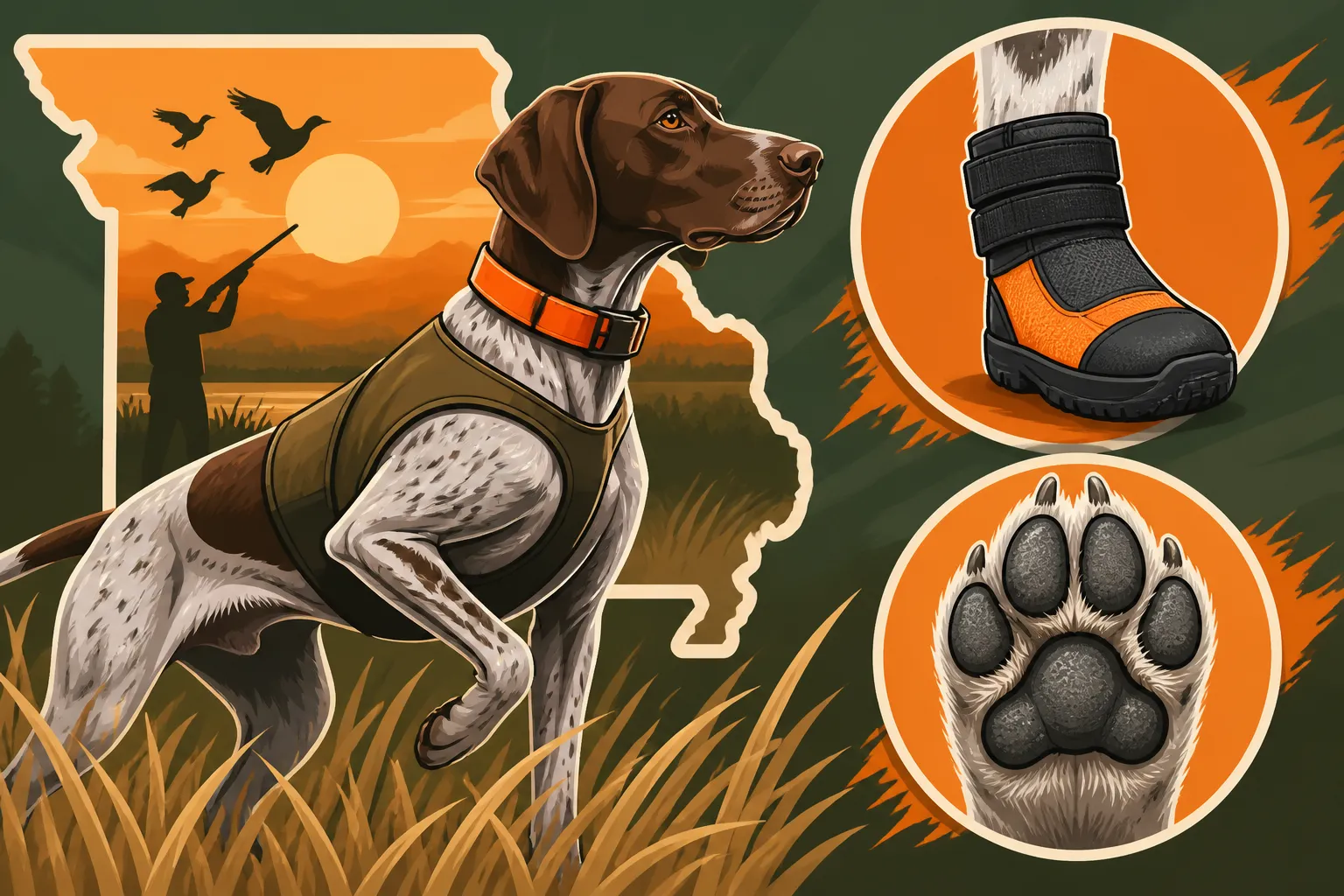
There’s nothing quite like the sight of a bird dog working a scent, nose to the ground, tail wagging, quartering through cover. But as any seasoned upland hunter in Missouri knows, that beautiful sight can quickly turn to worry when your best friend starts limping, or you spot a tell-tale streak of red on their paw. Dealing with cut pads, embedded thorns, or cracked paws is a heartbreaking reality that can sideline your hunt and, more importantly, put your beloved companion in discomfort. This comprehensive guide is here to walk you through everything you need to know about protecting your bird dog's paws, from understanding common injuries in Missouri's diverse terrain to choosing the right boots and providing essential care.
Why Paw Care is Absolutely Critical for Missouri Bird Dogs
Our hunting dogs give us their all, day in and day out, covering miles over unforgiving terrain. Their paws are their primary tool, their connection to the ground, and their protection from the elements. In Missouri, where we chase everything from bobwhite quail in restoration landscapes to pheasants on the northern prairies, and even rabbits in dense creek bottoms, the ground underfoot is rarely soft and forgiving. Neglecting paw care isn't just a minor oversight; it's a direct threat to your dog's well-being and ability to do what they love.
Missouri's Varied and Often Unforgiving Terrain
Think about a typical day hunting birds in Missouri. You might start in a field of chest-high fescue, move through a thorny thicket of multiflora rose, cross a rocky creek bed, and then work a brushy fencerow lined with osage orange trees. Each of these environments presents its own unique hazards to your dog's paws. The stubble in harvested fields can be razor-sharp, cutting delicate pads. Rocky hillsides, common in the Ozarks, are notorious for bruising and tearing. Dense brush, while great for holding birds, is also a haven for thorns, burrs, and sharp sticks.
It’s not just the sharp bits, either. Uneven ground can lead to sprains and strains, while slippery surfaces like wet leaves or frozen mud can cause painful slips and falls. A dog running at full speed, suddenly stepping on something sharp or twisting their paw, can suffer an injury that takes them out of commission for weeks, or even an entire season. Preventing these issues starts with understanding the specific challenges our Missouri landscapes pose. We ask a lot of our dogs, and it’s our responsibility to equip them for the task and protect their most vital asset in the field.
Environmental Extremes: Heat, Cold, and Moisture
Missouri weather is nothing if not unpredictable, and these swings directly impact paw health. Early season hunts in September for doves or early October for quail can mean scorching hot ground temperatures. Think about how hot asphalt gets on a summer day; now imagine your dog’s bare pads on sun-baked dirt, rocky creek beds, or even metal grate bridges. These surfaces can cause severe burns and blistering.
Conversely, late-season hunts in December or January bring freezing temperatures, ice, and sometimes even deep snow. Prolonged exposure to cold, wet conditions can lead to frostbite, cracked pads, and even painful ice balls forming between toes. Furthermore, constant moisture from wet grass, puddles, or stream crossings can soften paw pads, making them more susceptible to cuts and abrasions. This constant cycle of drying and wetting can also lead to painful cracking, especially as winter sets in. Recognizing these environmental threats is crucial for proactive paw protection and overall canine well-being when you're out chasing birds. You need to be prepared for the full spectrum of Missouri's climate.
Understanding Common Bird Dog Paw Injuries
Before we can effectively protect our dog's paws, we need to know what we're up against. Paw injuries can range from minor annoyances to severe, hunt-ending problems. Recognizing the signs and understanding the causes will help you prevent them or address them quickly when they do occur.
Cuts, Abrasions, and Punctures
These are probably the most common and immediate threats to your dog's paws. Cuts can come from anything sharp – broken glass, sharp rocks, stubble in harvested fields, or even jagged ice. Abrasions are more like scrapes, often from repetitive friction or sliding on rough surfaces. Think of a dog skidding to a halt on gravel. Punctures, often from thorns, burrs, or sharp sticks, can be insidious because they might not look severe on the surface but can go deep, causing infection or lameness.
I've seen dogs hobble back to the truck with pads sliced open by what looked like innocent-looking dry grass stalks, or limping painfully from a nearly invisible puncture wound from a hawthorn branch. The pads of a dog's foot, while tough, are also highly vascular and sensitive. Even a small cut can bleed profusely and be incredibly painful, immediately shutting down a hunt. It’s also important to consider the location of the injury. Cuts between the toes can be especially tricky, as the movement of the paw can prevent them from healing properly. This is why a thorough check after every hunt, and even during breaks, is non-negotiable.
Burrs, Thorns, and Foreign Objects
Missouri’s cover is legendary for holding birds, but it’s also a veritable minefield of burrs, thorns, and other foreign objects. Seed burrs from cockleburs, beggar’s ticks, and especially sand burrs can become deeply embedded in the fur between toes and even directly into the paw pads themselves. They are not only irritating but can cause inflammation, infection, and raw spots as the dog tries to chew them out.
Then there are the thorns. Multiflora rose, greenbrier, and particularly osage orange (hedge apples) create formidable barriers that often yield great bird encounters but punish exposed skin and paws. A thorn embedded deep in a pad can be incredibly painful and difficult to remove without proper tools. Tiny bits of gravel, dried mud, or even small pieces of glass can also get lodged between toes, causing constant irritation and eventually leading to open sores or infections. It’s a constant battle, and one that requires vigilance and proactive measures, especially in thick cover.
Environmental Irritations and Frostbite
Beyond cuts and thorns, environmental factors can severely impact paw health. As mentioned, hot surfaces can cause burns. The painful blisters that result can take weeks to heal and are highly susceptible to infection. Chemical irritants, though less common in wild hunting areas, can also be present if hunting near agricultural fields or old homesteads. Things like fertilizers or even old engine oil can cause skin irritation.
In colder months, frostbite is a real concern. When temperatures plummet and you're Hunting Missouri Deer in Deep Snow or slogging through icy wetlands, your dog's exposed pads are vulnerable. Numbness, discoloration, and eventual tissue damage can occur, sometimes without immediate signs of pain. Ice balls are another problem: snow and ice can accumulate in the fur between toes, compacting into hard, painful clumps that can rub raw spots or cause cracking. This is where diligent post-hunt care and specific protective measures, like trimming paw hair or using balms, become absolutely essential to prevent serious issues and ensure your dog is ready for the next outing.
Choosing the Right Bird Dog Boots
When you decide to invest in bird dog boots, you're making a commitment to your dog's comfort and longevity in the field. But not all boots are created equal, and choosing the right pair involves considering materials, fit, and specific features that align with your hunting style and Missouri's unique challenges.
Material Considerations and Durability
The material of a dog boot directly impacts its durability, comfort, and protection level. You'll generally find boots made from a few common materials:
- Cordura/Nylon Blends: These are often lighter and more breathable, offering good abrasion resistance and puncture protection against thorns and rough ground. They dry relatively quickly but might not offer as much insulation in extreme cold or protection against standing water. They're excellent for general upland hunting in varied terrain.
- Neoprene: Similar to wetsuit material, neoprene offers excellent insulation against cold and good water resistance. It’s also quite flexible, allowing for natural paw movement. However, it can be hot in warmer weather and may not be as puncture-resistant as some Cordura boots. It’s a strong choice for waterfowl hunting or late-season upland.
- Rubber/Silicone: These materials offer superior waterproofing and can be very durable against punctures and sharp objects. However, they can be less breathable, potentially trapping moisture, and might not offer as much flexibility or natural feel. They often excel in extreme conditions or where maximum waterproofing is needed.
- Leather: Some premium boots feature leather, which can be very durable and conform well to the paw over time. However, leather needs proper conditioning, can absorb water, and might take longer to dry, making it less ideal for wet conditions unless specially treated.
When evaluating materials, consider the type of hunting you do most often. If you’re often in thorny briar patches, look for robust, tightly woven fabrics. If you’re pushing through frozen CRP fields in January, insulation is key. Many hunters like myself carry a mix of different boots or have a go-to pair that balances protection and comfort for most conditions. Always remember that even the toughest materials can eventually wear out, so inspect them regularly for tears or thinning spots.
| Material Type | Pros | Cons | Best Use Case |
|---|---|---|---|
| Cordura/Nylon | Lightweight, breathable, good abrasion/puncture resistance | Less insulation, not fully waterproof | General upland, moderate weather, thorny cover |
| Neoprene | Excellent insulation, good water resistance, flexible | Can be hot, less puncture resistance than Cordura | Cold weather, wet conditions, waterfowl |
| Rubber/Silicone | Superior waterproofing, excellent puncture resistance | Less breathable, can be less flexible, may feel unnatural | Extreme wet/muddy conditions, sharp hazards, rocky creek beds |
| Leather (Treated) | Durable, conforms to paw, good grip (if treaded) | Requires maintenance, can absorb water (if untreated), heavier | Dry, rocky terrain, specific comfort/durability needs |
Proper Sizing and Fit for Comfort and Function
This is arguably the most crucial aspect of choosing dog boots. A poorly fitting boot is worse than no boot at all. Too loose, and it will twist, rub, fall off, and cause chafing. Too tight, and it will restrict blood flow, cause discomfort, and limit natural paw movement. Every brand has its own sizing chart, and it's essential to follow their specific instructions, which usually involve measuring your dog's paw width and length.
Here’s a general approach to sizing:
- Measure Accurately: Have your dog stand on a piece of paper. Trace one of their front paws (as front paws are typically larger). Measure the widest part of the paw and the longest part (from the back pad to the tip of the longest claw). Use these measurements to compare against the manufacturer's sizing chart.
- Consider All Paws: Some dogs have significantly different sized front and back paws. You might need to order two different sizes to ensure a perfect fit for all four.
- Test Fit at Home: Once you get the boots, put them on your dog and let them walk around indoors for a bit. Watch how they move. The boot should fit snugly but not constrictively, and it shouldn't spin easily on the paw. Your dog might do the "high-stepping" dance at first, but they should acclimate fairly quickly.
- Secure Straps: Most boots use Velcro straps. Make sure these are pulled tight enough to secure the boot without cutting off circulation. You should be able to slide two fingers under the strap comfortably. Some brands, like those you might find recommended on platforms similar to GoHunt for outdoor gear, even have clever strap designs that help keep the boots on better during aggressive movement.
A properly fitting boot will stay on, protect the paw, and allow your dog to move naturally without discomfort or interference with their hunting performance. Don't rush this step, and don't assume one size fits all.
Key Features to Look For in a Quality Boot
Beyond material and fit, several features distinguish a good bird dog boot from a great one. These details contribute to performance, durability, and your dog's overall well-being in the field.
- Traction: Just like human hiking boots, dog boots need good traction. Look for boots with textured rubber soles that provide grip on wet, slippery, or uneven surfaces. This is especially important when your dog is scrambling up muddy creek banks or traversing icy patches in late season. Poor traction can lead to slips and falls, causing other injuries.
- Adjustable Closures: While Velcro is standard, look for wide, robust straps that won't easily come undone or collect burrs. Some boots have multiple straps or elastic gussets that offer a more secure and customizable fit, which is crucial for keeping boots on during intense activity. A single thin strap often isn't enough to withstand the rigors of a Missouri bird hunt.
- Breathability vs. Waterproofing: This is often a trade-off. For warmer weather, breathable boots help prevent overheating and excessive moisture buildup. For cold, wet conditions, waterproof boots are essential to keep paws dry and warm. Some hunters will even use different boots depending on the forecast and terrain, making sure to check resources that provide detailed Missouri Flooded Timber Duck Tactics for instance, where waterproof boots are paramount.
- Height: Taller boots offer more protection higher up the leg, which can be beneficial in deep snow or thick brush with thorns. However, they can also restrict movement if they're too stiff. A medium height that covers the paw and extends just above the dewclaw is usually a good balance for most upland hunting.
- Reflective Accents: While not directly for paw protection, reflective strips can be a great safety feature, especially if you're hunting near roads or during low-light conditions. Many hunters also put blaze orange on their dogs for visibility, so reflective elements on boots just add another layer of safety.
- Easy Cleaning: Let's be honest, hunting boots get muddy. Look for materials that are easy to rinse off and dry quickly, so they're ready for the next adventure.
When considering all these features, it helps to read reviews from other bird dog owners and consider specific brands. Online communities and dedicated hunting gear sites often feature discussions and reviews on various boots. For example, while browsing general hunting gear on sites like GoHunt, you might come across discussions or articles that touch on canine gear, providing insights into popular and effective boot options for demanding conditions. A little research goes a long way in finding the perfect match for your hunting partner.
Other Essential Paw Care Strategies
Boots are a fantastic tool, but they're just one part of a comprehensive paw care routine. True protection comes from a combination of preventative measures, diligent field care, and having the right first-aid supplies on hand.
Conditioning Paws and Pre-Hunt Preparation
Just like human athletes, your dog’s paws need conditioning to perform at their best. Paws that are soft and unaccustomed to rough ground are much more prone to injury. Start building up paw toughness well before hunting season. Regular walks on varied terrain – gravel, pavement, dirt paths – will gradually toughen their pads. Avoid overdoing it on hard surfaces, especially concrete, as this can still cause abrasions.
Leading up to the season, consider applying paw balms or conditioners. Products containing beeswax, lanolin, or vitamin E can help keep pads supple, prevent cracking, and provide a protective barrier against moisture and minor irritants. Brands like Musher’s Secret are popular for creating an invisible barrier that can help prevent snow and ice buildup, making those cold Hunting December Antlerless Days in Missouri much more comfortable for your canine companion. Trim the hair between your dog's paw pads regularly. Excess hair can collect burrs, mud, ice, and debris, which can cause irritation, matting, and even infection. A quick trim with blunt-nosed scissors or a small electric trimmer can make a huge difference in comfort and cleanliness. This simple step is often overlooked but is incredibly effective in preventing issues.
Field First Aid and Immediate Care
No matter how well you prepare, accidents can happen. Having a well-stocked first-aid kit, specifically geared for your dog, is non-negotiable. This is especially true when you’re venturing into remote areas of the Mark Twain National Forest Hunting or deep in an Ozark hollow where help is far away.
Your dog’s first-aid kit should include:
- Antiseptic Wipes/Spray: For cleaning cuts and abrasions.
- Sterile Gauze Pads: To control bleeding and cover wounds.
- Vet Wrap/Self-Adhering Bandage: This sticks to itself, not fur, and is excellent for securing dressings. Make sure it's not wrapped too tightly.
- Adhesive Tape: To further secure bandages.
- Blunt-Nosed Scissors: For cutting hair around wounds or trimming bandages.
- Tweezers/Hemostats: For removing thorns, burrs, or splinters. Hemostats are fantastic for grasping small, stubborn objects.
- Triple Antibiotic Ointment: To prevent infection in minor cuts.
- Paw Balm: For cracked or dry pads.
- Dog Boots (Spare Pair): If one boot is lost or damaged, a spare can save the day. If a paw is injured, a boot can protect the bandage and prevent further irritation.
If you find a cut, clean it immediately with antiseptic. If it's bleeding, apply pressure with gauze. For deep punctures or severe lacerations, control the bleeding, apply a protective bandage, and head straight to the vet. For burrs and thorns, use tweezers or hemostats to carefully remove them. Flush the area with water if possible and apply antibiotic ointment. Remember, prompt action can prevent minor issues from becoming major emergencies, keeping your dog in the field and healthy.
Post-Hunt Recovery and Long-Term Health
The hunt doesn't end when the birds are bagged. Post-hunt care is vital for your dog's recovery and long-term paw health. As soon as you're done for the day, give your dog's paws a thorough inspection. Check every pad, between every toe, and up their legs for any cuts, punctures, redness, swelling, burrs, or cracked skin. Pay close attention to any limping or licking your dog might be doing, as these are often the first signs of trouble.
Clean their paws with a damp cloth to remove dirt, mud, and debris. If they’ve been in very wet conditions, ensure their paws are thoroughly dried to prevent skin softening and fungal issues. Apply paw balm if pads appear dry or cracked. For any minor injuries, clean, treat, and bandage as necessary.
Regular nail trims are also critical for paw health. Overly long nails can splay the toes, make walking uncomfortable, and even lead to painful breaks or ingrown nails. Establish a routine for nail care that keeps them at an appropriate length, especially for hunting dogs who need agile footing. By making paw care an integral part of your hunting routine, from pre-season conditioning to field first aid and post-hunt recovery, you ensure your loyal hunting partner stays healthy, happy, and ready for many more seasons of chasing birds across Missouri’s diverse landscapes.
Disclaimer
This article is for general informational purposes only and does not constitute professional advice. Laws, prices and regulations vary by location and change over time. Consult a qualified professional for guidance on your specific situation.