Rubber Boots for Scent Control
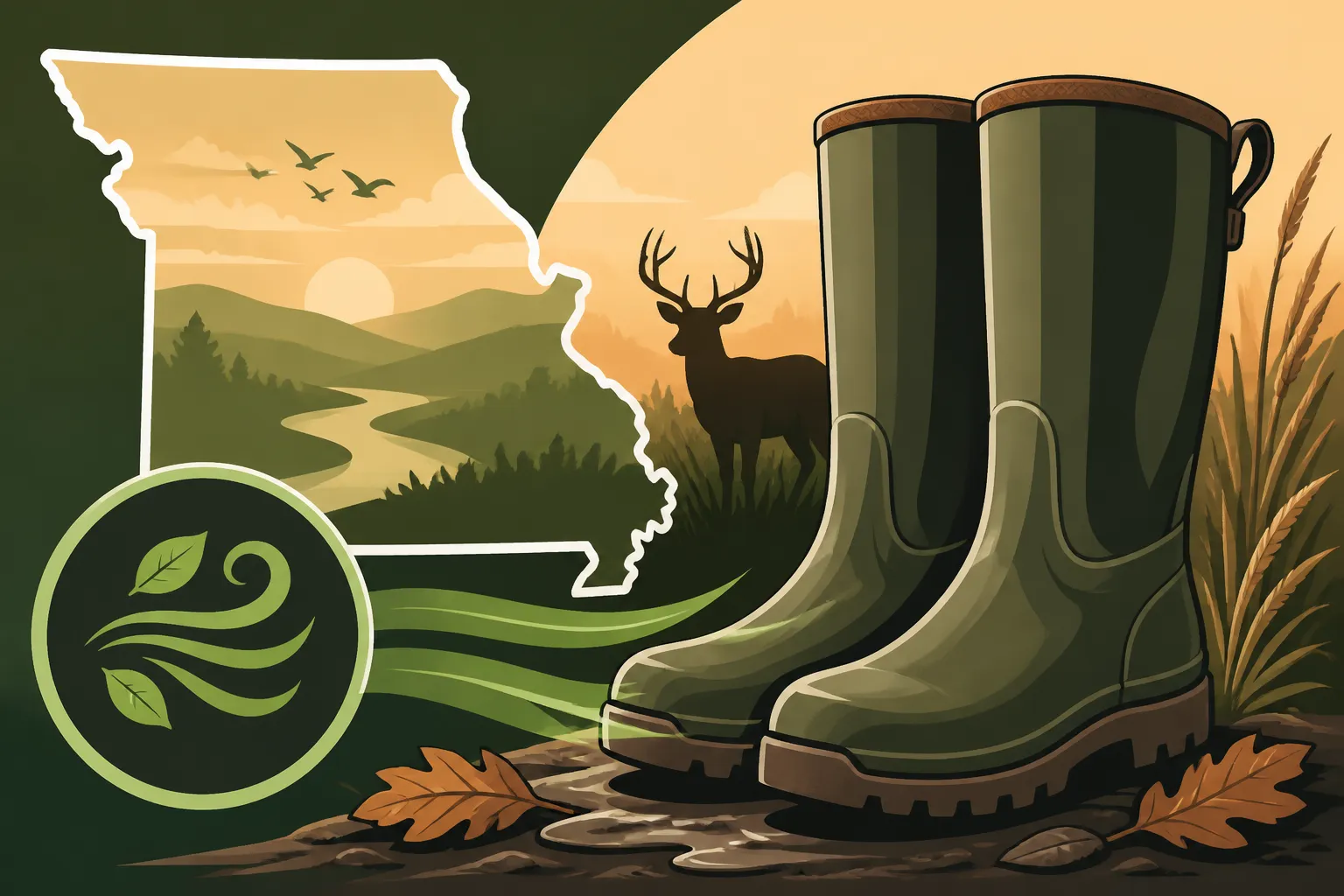
There's nothing quite as frustrating as putting in all the effort—getting up before dawn, braving the cold, meticulously planning your approach—only to have a mature Missouri whitetail blow at you from 100 yards away, tipping you off that your scent has given you away. It’s a gut punch, right? We’ve all been there, and often, the culprit isn't just your clothing or hygiene, but the very boots you're wearing, tracking human odor right into your hunting area. This guide is all about tackling that exact problem, showing you why rubber boots are your secret weapon for scent control in the diverse and often challenging hunting landscapes of Missouri.
The Invisible Threat: Why Scent Control Matters in Missouri Hunting
Hunting in Missouri, whether you're chasing a wary whitetail buck in the Ozarks or setting up for turkeys in north Missouri farm country, means you're up against an animal with an incredible sense of smell. It’s their primary defense, and if you're not actively working to mitigate your human odor, you’re often fighting a losing battle before you even nock an arrow or shoulder a gun.
The Whitetail's Nose: A Hunter's Ultimate Challenge
Let's be real, a deer's nose is a marvel of evolution. It’s estimated to be thousands of times more sensitive than a human's, capable of detecting the faintest scent particles from remarkable distances, and even discerning distinct odors from a complex mix. Imagine being able to smell your morning coffee from a mile away and still pick out the faint scent of the sugar you added. That's essentially what a deer can do. They don't just smell "something," they identify what that something is. To a whitetail, the smell of human skin cells, residual laundry detergent, or even the aroma of that breakfast burrito you scarfed down in the truck is a blaring siren, warning them of danger. They don't need to see you or hear you; their nose is enough.
Every step you take, every branch you brush against, every patch of ground you walk over leaves a trail of your unique human signature. This is especially true of your boots, which are in constant contact with the ground and can pick up and deposit scent molecules with every stride. Think of it like this: your feet sweat, even in cold weather. That sweat carries odor. Regular leather or fabric boots absorb that sweat and odor, trapping it and then releasing it onto the ground as you move. A deer crossing your path hours later can easily pick up on that lingering human scent and turn tail, ruining your hunt.
Missouri's Variable Hunting Conditions
Missouri’s weather and terrain throw a lot at hunters. We get everything from sweltering early archery days where sweat is inevitable, to freezing November mornings with snow or damp, muddy ground, and even torrential downpours. Each of these conditions plays a huge role in how scent behaves and how crucial your gear choices become.
In the early season, warm temperatures mean more sweating, and increased bacterial activity on your skin, which intensifies human odor. You might think about your clothes, but often overlook the dampness and heat building up inside your boots. This creates a perfect storm for scent transfer onto the ground. Then there’s the mud – oh, the glorious Missouri mud! Whether you’re slogging through river bottom gumbo or navigating slick Ozark clay, mud loves to cling to boot treads. If those boots are porous and carrying human scent, that mud becomes an excellent carrier for depositing a strong odor signature deep into the habitat. Water, too, can carry scent, making wet creek crossings or flooded timber entries problematic if your boots aren't designed for scent control. Even dry, dusty conditions can kick up scent-laden particles from your boots. Understanding these environmental factors makes the case for non-porous, scent-resistant footwear even stronger.
The Impact of Human Scent on Deer Behavior
The mere presence of human scent in a deer's home range can drastically alter their patterns. They become warier, shifting their bedding areas, changing their travel routes, and often becoming primarily nocturnal in response to perceived threats. It's not just about a deer blowing and running away from you; it's about the long-term impact on the deer herd in your hunting area.
If you consistently leave a strong scent trail in a particular funnel or near a food plot, deer will eventually learn to avoid that area during daylight hours. They might start circling downwind of that trail well before they reach it, or simply choose a completely different path. This is especially true on public lands where hunting pressure can already be a factor. Every advantage you can get, every layer of scent suppression you can employ, helps keep those deer feeling safe and moving naturally during legal hunting hours. This is why paying attention to every detail, from your showering habits to your choice of footwear, is absolutely paramount.
The Science Behind Rubber Boots and Scent Control
So, why rubber boots? What makes them so special in the quest to become invisible to a deer's nose? It really boils down to the material science and how different boot constructions handle the challenge of containing and preventing human odor.
The Non-Porous Advantage of Rubber
The primary reason rubber boots are superior for scent control is their non-porous nature. Unlike leather, fabric, or even some synthetic blends used in traditional hunting boots, rubber does not absorb and hold scent. Think about it: a leather boot is essentially made of animal hide, which is naturally absorbent. It breathes, which is great for comfort, but terrible for scent control because it allows sweat and odor molecules to escape and cling to the material, which then transfers to the ground.
Rubber, on the other hand, creates a barrier. Your foot sweats inside the boot, yes, but that moisture and the accompanying odor remain contained within the rubber shell. As long as the boot is sealed and you're not getting sweat spilling out the top, the odor is largely trapped. This means the exterior of the boot, the part making contact with the ground, remains relatively free of human scent. When you walk through that muddy field or across a leaf-strewn ridge, you're not actively depositing your personal odor signature with every step. This makes a monumental difference, especially when you consider how often your boots interact with the ground you're hunting.
Beyond the Boot: What About the Tread?
It's not just the main body of the boot that matters; the sole and tread design also play a crucial role in scent control and stealth. A deep, aggressive tread is great for traction, particularly in Missouri's often slick or muddy terrain, but it can also pick up and hold debris. If your boots have absorbed scent, any mud, leaves, or dirt that gets packed into those treads becomes another vehicle for scent transfer.
However, because rubber boots are non-porous, even if mud gets packed into the tread, it's less likely to be impregnated with human scent from the boot itself. The key is to keep the outside of your rubber boots as clean and scent-free as possible. This means a quick rinse-off after a hunt, especially if you've been in mud or manure, and then drying them properly. Some hunters even go a step further, spraying the outside of their clean rubber boots with a scent-eliminating spray before heading out. This added layer of precaution ensures that any incidental human scent picked up from your hands or clothing while putting on your boots is neutralized before you hit the timber. When you're using a scouting app like GoHunt to plan routes on public land, visualizing the terrain—especially creek bottoms or muddy field crossings—helps you anticipate where your boot treads will get the most action and plan your clean-up accordingly.
Are All "Rubber" Boots Created Equal?
The term "rubber boots" can encompass a few different materials, and while they all offer a non-porous advantage, there are subtle differences to be aware of.
- Natural Rubber: Often seen as the gold standard, natural rubber is derived from rubber trees. It's known for its flexibility, durability, and comfort, especially in colder temperatures where synthetic materials can stiffen. Boots made with high-quality natural rubber tend to conform to your foot better over time and hold up well to abuse in the field. They also tend to be less prone to cracking than some cheaper synthetic alternatives.
- Neoprene: While not "rubber" in the traditional sense, neoprene is a synthetic rubber often used in the uppers of many popular hunting boots. It's fantastic for insulation, especially in wet and cold conditions, and is also highly waterproof and non-porous. Neoprene boots offer a snug, comfortable fit and excel at keeping your feet warm and dry. Many popular brands combine a rubber foot with a neoprene shaft for the best of both worlds.
- Synthetic Rubber Blends (PVC, EVA): Cheaper boots are often made from synthetic blends like PVC (polyvinyl chloride) or EVA (ethylene-vinyl acetate). These are still non-porous and waterproof, but they might not offer the same flexibility, durability, or cold-weather performance as natural rubber or neoprene. They can be heavier, less comfortable, and more prone to cracking in extreme cold. For true scent control and longevity in Missouri's varied conditions, investing in natural rubber or a quality neoprene blend is often worth the extra cost.
Here's a quick comparison of common boot materials:
| Feature | Natural Rubber | Neoprene (Synthetic Rubber) | Synthetic Blends (PVC, EVA) |
|---|---|---|---|
| Scent Control | Excellent (Non-porous) | Excellent (Non-porous) | Excellent (Non-porous) |
| Flexibility | High, especially in cold | Moderate to High | Low to Moderate, can stiffen |
| Durability | High, long-lasting | High | Moderate, prone to cracking |
| Insulation | Good (can be lined for warmth) | Excellent (inherently insulating) | Poor (requires thick lining) |
| Weight | Moderate | Moderate | Can be heavy |
| Comfort | High, conforms to foot | High, snug fit | Moderate, less supple |
| Cost | Higher | Moderate to Higher | Lower |
Choosing the Right Rubber Boots for Missouri's Diverse Terrain
Missouri isn't just one type of hunting ground. We have the rugged, rocky hills and hollows of the Ozarks, the vast, muddy river bottoms, and the sprawling crop fields of northern farm country. Each terrain type, combined with our often-unpredictable weather, demands specific features from your rubber boots to ensure both comfort and effective scent control.
Insulation and Comfort for All Seasons
The temperature swing in a Missouri hunting season can be extreme. You might start early archery with temperatures in the 80s, requiring minimal insulation, and finish the late antlerless portion in December with single-digit readings. This means choosing boots with the right level of insulation is critical for comfort, and surprisingly, for scent control too.
If your feet are too hot, they sweat excessively. While the rubber contains the odor, that internal dampness can still be uncomfortable and, if it builds up enough to escape the top of your boot, it can still compromise your efforts. For warm early-season hunts, look for uninsulated or lightly insulated rubber boots. These allow your feet to breathe a bit more within the confines of the rubber shell, reducing excessive sweating. Many hunters opt for an uninsulated boot year-round and simply adjust their sock layers for warmth. For the brutal cold of late November or December firearms season, heavily insulated boots (often with 800g to 2000g of Thinsulate or similar materials) are a game-changer. Keeping your feet warm means less shivering, better focus, and a more enjoyable, longer sit. Remember that even with heavily insulated boots, it's wise to carry them in a scent-free bag to your stand, putting them on only when you're close to your final destination to minimize scent deposition on your approach.
Traction for Mud, Hills, and Creek Crossings
Missouri terrain can be incredibly deceptive. A dry ridge in the morning might turn into a slick, muddy mess after a midday rain. The Ozarks demand excellent grip for steep climbs and descents over loose rock and leaf litter, while northern river bottoms are synonymous with deep, sucking mud. Your boot's outsole design is paramount here.
Look for rubber boots with aggressive, self-cleaning lug patterns. "Self-cleaning" means the lugs are spaced far enough apart that mud and debris tend to fall out as you walk, rather than caking up and turning your boots into slick platforms. A good tread pattern also provides multi-directional grip, essential for navigating uneven terrain without slipping. When you're scouting out a new area using a mapping tool that GoHunt might offer, pay close attention to elevation changes, potential creek crossings, and areas marked as wetlands. This helps you anticipate the type of traction you'll need. If you're going to be crossing numerous creeks or slogging through flooded timber (a common scenario in parts of Missouri), consider boots with a taller shaft height to ensure your feet stay dry, maintaining that crucial scent barrier. Getting wet feet not only makes you cold and miserable but can also compromise scent control as water mixed with sweat eventually makes its way out.
Fit, Flexibility, and Durability on Long Walks
You might think of rubber boots as clunky and uncomfortable, but modern designs have come a long way. When you're walking miles across Missouri public land, comfort and flexibility are just as important as scent control. A poorly fitting boot can lead to blisters, fatigue, and an overall miserable hunting experience, which ultimately affects your focus and patience in the stand.
Look for boots that fit snugly but don't pinch. Too loose, and your foot will slide around, causing blisters; too tight, and you'll restrict circulation, leading to cold feet. Many quality rubber boots now feature adjustable gussets or ankle-fit designs that lock your heel in place, reducing slippage. The flexibility of the rubber is also key. Stiff boots are tiring to walk in, especially when navigating uneven ground or climbing over downed logs. Natural rubber tends to be more flexible, adapting better to your foot's movement. Finally, durability is non-negotiable. Missouri hunting can be hard on gear. Thorny briar patches, sharp rocks, and abrasive brush can tear through cheap materials. Invest in boots from reputable brands that use thick, high-quality rubber or neoprene. These boots will last for many seasons, providing consistent scent control and protection, saving you money and frustration in the long run. Good boots are an investment, and they're one of the most important pieces of gear in your arsenal, especially for those long walks into remote areas. For instance, when planning a deep push into the Mark Twain National Forest Hunting, durable, comfortable boots are absolutely essential.
Maximizing Scent Control with Your Rubber Boots
Having a great pair of rubber boots is only half the battle. To truly leverage their scent-controlling power, you need a disciplined approach to preparation, use, and maintenance. It's about creating a comprehensive system where your boots are an integral part, not just an afterthought.
Pre-Hunt Preparation and Storage
Your scent control efforts begin long before you step foot in the woods. This is especially true for your rubber boots. Just like your hunting clothes, your boots can pick up ambient odors from your garage, vehicle, or even your home.
Before each hunt, take the time to clean the exterior of your boots. A simple rinse with a garden hose to remove mud, dust, or any foreign debris is often enough. For a deeper clean, you can use a scent-eliminating soap or even just plain baking soda mixed with water to scrub them down. Pay extra attention to the treads. Once clean, let them air dry completely outdoors or in a scent-free environment. Avoid drying them near anything with strong odors like gasoline, exhaust, or household chemicals. When it comes to storage, keep your clean rubber boots in a dedicated scent-free tote or bag. This prevents them from absorbing unwanted smells while they're waiting for your next hunt. Many hunters even throw a few natural deodorizers like pine needles or activated charcoal packets into their boot bag. The goal is to ensure that the only scent your boots carry into the woods is as minimal and neutral as possible. When you’re using scouting tools like GoHunt to mark potential stand locations, you can also mark specific, clean staging areas for your gear, including your boots, closer to your entry points.
Post-Hunt Cleaning and Maintenance
The hunt isn't over until your gear is properly stored for next time, and that includes your boots. Neglecting post-hunt cleaning can undo all your careful preparation. As soon as you get back, even before getting into your vehicle, try to remove any major mud or debris from your boots. This prevents tracking unwanted scents (and dirt!) into your truck or storage area.
Once home, give your boots a thorough cleaning. If they're muddy, hose them off. If you’ve been wading through water, consider a deeper wash. Pay attention to the interior as well. While the rubber keeps external odors out, sweat and foot odor can build up inside. Allowing your boots to dry completely is crucial to prevent mildew and lingering internal odors. Stuffing them with newspaper can help absorb moisture and speed up drying. For stubborn internal odors, a sprinkle of baking soda left overnight can work wonders. Just dump it out before your next hunt. Regularly inspecting your boots for cracks or punctures is also important. Even a tiny pinhole can compromise their waterproof and scent-containing properties. A small tear can be repaired with specific rubber boot patches, extending the life of your investment. Properly cared for, a good pair of rubber boots will serve you well through countless Missouri hunting trips.
Integrating Boots into Your Full Scent Control System
Rubber boots are a powerful tool, but they are just one component of a holistic scent control strategy. To truly vanish from a deer's nose, you need to integrate them seamlessly into your overall approach.
Think of your entire hunting outfit as a system. Start with a scent-eliminating shower using unscented soap and shampoo. Then, dress in clean, scent-free base layers and hunting clothes that have been washed in scent-free detergent and stored in sealed scent-proof bags. When it's time to put on your rubber boots, make sure your hands are clean and free of foreign odors. Avoid touching the exterior of your boots more than necessary, and if you do, consider a quick spritz of scent-eliminating spray on the outside. Walk to your stand in your rubber boots, being mindful of your path to avoid heavily odorous areas like stagnant water or heavily used human trails. When choosing your entry and exit routes, consider using tools like GoHunt to visualize terrain and select paths that keep you downwind and away from bedding areas or heavy deer traffic. Your goal is to be a ghost, and your boots are a vital part of that illusion. Combine your excellent boot choice with other tactics like playing the wind, minimizing unnecessary movement, and scouting thoroughly, and you'll be well on your way to becoming a more successful and less "smelly" hunter in Missouri. Understanding Wind and Thermals in Ozark Hills or Entry Routes on Rolling Farm Ground becomes even more effective when you're confident your footwear isn't betraying you.
Remember, every little bit helps in the scent game. While no system is 100% foolproof, consistently applying these strategies, with your rubber boots as a cornerstone, will drastically improve your chances of getting close to that mature Missouri whitetail.
Disclaimer
This article is for general informational purposes only and does not constitute professional advice. Laws, prices and regulations vary by location and change over time. Consult a qualified professional for guidance on your specific situation.