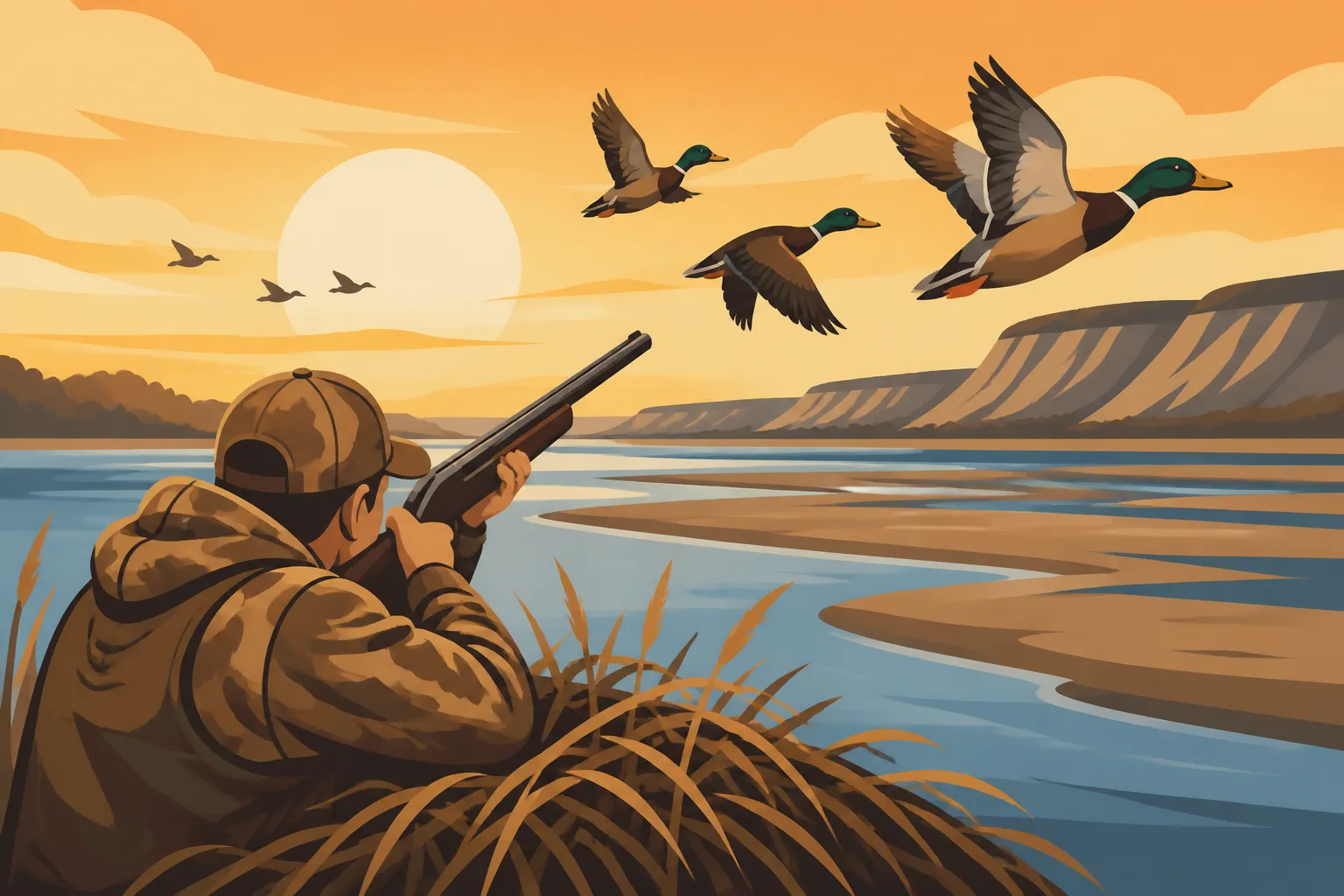
Hunting Missouri River Sandbars for Ducks
The Missouri River, a powerful and ever-changing force, offers some incredible duck hunting opportunities, but it also presents a unique set of challenges that can leave even seasoned hunters scratching their heads. From shifting sandbars that vanish overnight to navigating treacherous currents, figuring out how to consistently put ducks in the bag on this massive waterway can feel like a daunting puzzle. This guide will walk you through everything you need to know to successfully hunt Missouri River sandbars for ducks, helping you unlock the potential of this vast, wild hunting ground.
Understanding the Missouri River's Dynamic Nature for Duck Hunting
The "Big Muddy" isn't your average farm pond or managed wetland. It's a living, breathing entity that constantly redefines itself, and understanding its unique personality is the first step to becoming a successful river duck hunter. Forget about static setups; on the Missouri River, adaptability is your most powerful tool.
The Ever-Changing Landscape of Sandbars
One day, you scout a perfect, expansive sandbar, envisioning a killer spread and limits of mallards. The next day, after a heavy rain upstream or a dam release, you arrive to find that same sandbar submerged or drastically reshaped by the powerful current. This isn't an exaggeration; it's the reality of hunting the Missouri River. The river’s natural flow, combined with managed releases from upstream dams, means that sandbars are constantly being built up, eroded, and moved. What was prime real estate last week might be deep water today, or a new, perfect spot might have emerged just around the bend.
This dynamic nature demands constant vigilance and flexible planning. Relying solely on a spot you found a month ago is a recipe for disappointment. You need to be prepared to adapt your blind location, decoy spread, and even your entire hunting strategy on the fly. It's a humbling experience but also incredibly rewarding when you figure out how to read the river's mood. Think of it less as finding a permanent spot and more as finding a temporary stage that ducks will use until the next river event changes the scenery.
Reading Water Levels and Current Flow
Water levels are the single most crucial factor when it comes to hunting Missouri River sandbars. When the water is high, many sandbars disappear or are too close to the main channel to be safe or effective for hunting. As water levels drop, more sandbars become exposed, offering new opportunities for ducks to loaf, preen, and feed. Ducks are drawn to these exposed areas, especially those with shallow, accessible water nearby where they can dabble for food.
Beyond just the height of the water, understanding the current flow is paramount. A strong current can make boat navigation challenging, pull decoys downstream, and even alter the way ducks approach your spread. Ducks prefer to land into the wind, but on a river with a strong current, they'll often land facing upstream, even if the wind is blowing across the river. This means your decoy spread needs to be set up to guide birds into a landing zone that takes both wind and current into account. Always consult resources like the USGS National Water Information System, which provides real-time data on river levels and flow rates at various points along the Missouri River. Knowing what the river is doing before you leave the house can save you a wasted trip and help you predict which sandbars might be huntable.
Scouting and Accessing Missouri River Sandbars
Unlike hunting a fixed lake or pond, finding and reaching huntable sandbars on the Missouri River involves a blend of modern technology and old-fashioned legwork. The sheer size and ever-shifting nature of the river mean that efficient scouting is essential to success.
Utilizing Technology for Pre-Season Scouting
Before you ever set foot in a boat or on the riverbank, the first phase of scouting should happen from the comfort of your home. Satellite imagery tools like Google Maps and dedicated hunting apps like GoHunt are invaluable for identifying potential sandbars and planning your approach. Look for wide stretches of river where the main channel appears to split or where the current seems to slow, often leading to sediment deposition and sandbar formation. You can zoom in and identify large, exposed sandbars, as well as potential access points from the nearest roadways. Look for public boat ramps or conservation areas with river access.
While digital tools are fantastic for initial reconnaissance, remember their limitations. Satellite images are static; they show what the river looked like on the day the image was captured, which could be weeks, months, or even years ago. This means a sandbar that looks perfect on your screen might be completely gone or underwater when you arrive. However, these tools are excellent for narrowing down areas of interest and identifying promising stretches of river that warrant further investigation. They can also help you visualize potential entry and exit routes, which is crucial for safety and efficiency.
On-the-Ground Reconnaissance and Navigating Access
There's simply no substitute for getting out there and putting boots on the ground (or a boat in the water) for scouting. Physical scouting is critical, especially during the off-season or a dry spell when sandbars are more exposed. Drive or boat along stretches of the river you've identified, paying close attention to current conditions. Note the size, shape, and composition of sandbars. Are they firm and easy to walk on, or soft and muddy? Are there any natural features like driftwood piles or brush that could be used for concealment? Look for fresh duck tracks, droppings, and feeding activity.
Access is another huge consideration. The Missouri River is bordered by a mix of public and private land. While the river itself (up to the high water mark) is generally public, accessing it often requires crossing private property. Always know your land boundaries and make sure you have permission if you intend to cross private land. Getting Private Land Permission in Missouri is a skill every river hunter needs to master. Many public boat ramps along the Missouri River are managed by the Missouri Department of Conservation (MDC) or local municipalities. These provide excellent starting points for exploring the river. However, be prepared for shallow water. A jon boat with a dependable outboard motor is often the preferred vessel for river hunting due to its shallow draft and durability. Safety is paramount when navigating the Big Muddy; strong currents, hidden snags, and shifting depths can be dangerous. Always wear your life jacket and ensure your boat is equipped with all necessary safety gear, including anchors, a spare paddle, and navigation lights for low-light conditions.
Essential Gear and Setup for Sandbar Duck Hunting
Hunting ducks on Missouri River sandbars demands specific gear and a thoughtful setup to overcome the challenges of the environment and effectively lure in birds. Your equipment needs to be robust, adaptable, and focused on both effectiveness and safety.
Decoy Spreads and Calling Strategies
When hunting sandbars on the Missouri River, your decoy spread needs to be visible from a distance and appear natural to ducks flying over often vast stretches of open water. A common and effective approach is to create a large, open "landing zone" in front of your blind, with the bulk of your decoys positioned on the upwind/upcurrent side. Mallard decoys are a staple, but don't hesitate to mix in pintails, gadwalls, and even some Canada goose decoys, especially if geese are using the same sandbar. Geese add size and visibility, often acting as a confidence booster for wary ducks. For late-season hunting when birds are warier, adding several full-body goose decoys on the sandbar itself can be incredibly effective.
Consider how the current will affect your spread. Use heavy anchor weights and longer lines to prevent decoys from washing downstream or bunching up. Spread your decoys out to give the appearance of a larger flock. Motion decoys, like spinning-wing or jerk rigs, can be absolute game-changers, especially on calm days, providing the flash and movement that mimics live birds. When it comes to calling, you'll often need to call louder and more aggressively than in timber or small marsh settings, as your sound needs to carry across open water. Focus on basic hail calls to get attention, then switch to reassuring chuckles and feed calls as birds commit. Understanding Duck Calling in Timber Versus Open Water will highlight how your approach needs to change in this open environment.
Blinds, Boats, and Safety Gear
Concealment on a barren sandbar is crucial. Layout blinds are an excellent choice, as they provide low-profile concealment that blends seamlessly with the sand and are easily transportable. For a more substantial setup, especially if you plan to hunt the same sandbar for multiple days (and if the river allows), an A-frame blind covered with natural vegetation like driftwood, tumbleweeds, or cut grass can be very effective. Whatever blind you choose, make sure it's well-brushed in and camouflaged to break up your outline against the open sky.
Your boat is not just transportation; it's often a crucial part of your hunting operation. A sturdy jon boat, typically 16-18 feet long with a reliable outboard motor (30-60 hp is common), is ideal for navigating the Missouri River. A heavy-duty anchor and rope are non-negotiable for holding your position against the strong current, especially when setting decoys or recovering birds. Many hunters also equip their boats with a sturdy dog ladder for their retrievers. As for safety, never, ever take the Missouri River lightly. Life jackets are mandatory for everyone in the boat. A throwable flotation device, a first-aid kit, a fully charged cell phone (in a waterproof case), a spotlight or powerful flashlight, and extra fuel are absolute must-haves. Always let someone know your float plan, including your intended launch and retrieve points, and expected return time. Understanding Missouri River Sandbar Access extends beyond just finding a spot; it includes safe and responsible navigation. When selecting ammunition, remember that Waterfowl Loads for Missouri Ducks require nontoxic shot.
Duck Species and Hunting Tactics on the Missouri River
The Missouri River is a major migratory highway, meaning a wide variety of waterfowl pass through its corridor. Understanding which species you're likely to encounter and how their habits align with the sandbar environment is key to tailoring your tactics for success.
Target Species and Their Habits
While virtually any duck or goose species using the Mississippi Flyway might be spotted on the Missouri River, sandbars predominantly attract dabbling ducks. Mallards are, of course, the kings of the sandbar, frequently using these exposed areas to rest, preen, and often dabble in the shallow edges for seeds and invertebrates. You'll also encounter plenty of pintails, particularly in the early season, with their elegant profiles and distinctive calls. Gadwalls, wigeon, and shovelers are also common visitors, often feeding in the calmer backwaters adjacent to the main sandbars.
While dabblers are the primary draw, don't discount the possibility of diver ducks. Scaup (bluebills), canvasbacks, and redheads may utilize deeper channels near sandbars, especially where there are significant current breaks or submerged vegetation. While you typically won't set up on a sandbar specifically for divers, having a few diver decoys at the far edge of your spread or in deeper water can sometimes pull in passing flocks. The Missouri River also sees a strong migration of Canada geese, and it's not uncommon for them to land on the same sandbars as ducks. Being prepared for a mixed bag, perhaps with a few larger goose decoys in your spread, can pay off. Many hunters specifically target geese in open field settings, but a sandbar offers similar open-country appeal. If you're looking for more dedicated goose hunting advice, check out Field Hunting Geese in North Missouri.
Adapting Tactics to Weather and Migration Patterns
The success of your sandbar hunting often hinges on how well you adapt to the weather and the ever-shifting migration patterns. Early season hunting, typically in late October, often means dealing with warmer temperatures and more local birds. These birds might be less responsive to aggressive calling and often require more subtle tactics. Look for sandbars that offer shade or are close to agricultural fields where birds might be feeding. As the season progresses into November and December, especially with the arrival of cold fronts and snow to the north, new waves of migratory birds will push down the flyway. These "new" birds are often less pressured and more susceptible to calling and larger decoy spreads.
A significant cold front can dramatically change the hunting. Freezing temperatures can lock up smaller water bodies, pushing more ducks onto the open, flowing water of the Missouri River. This is when sandbars really shine as resting and loafing areas. Conversely, an extended warm spell can slow the migration, with ducks lingering further north, making river hunting tougher. Pay close attention to long-range weather forecasts and migration reports to anticipate these shifts. Understanding Duck Migration Timing Through the Flyway can help you predict when the major pushes of birds are likely to occur, allowing you to plan your hunts accordingly. Don't be afraid to change your setup or even your location multiple times throughout the season based on what the weather and the birds are telling you.
Legalities, Regulations, and Ethical Considerations
Navigating the legal landscape of waterfowl hunting on the Missouri River is just as important as understanding its currents. Adhering to regulations and practicing ethical hunting ensures both your safety and the longevity of the sport.
Understanding Missouri River Hunting Regulations
Before you even load your boat, you need to be sure all your permits are in order. To hunt waterfowl in Missouri, you'll need a valid hunting permit, such as the Missouri Combination Hunting and Fishing Permit or a small game permit if you only hunt small game and migratory birds. Crucially, you'll also need a Federal Duck Stamp, which is required for all waterfowl hunters 16 years of age and older. This stamp helps fund wetland conservation across the country, so it's a purchase you can feel good about. Additionally, you must be HIP (Harvest Information Program) registered each year to hunt migratory game birds in Missouri. This is a simple, free registration that helps wildlife agencies gather important harvest data.
It's also essential to be familiar with specific waterfowl regulations. These include legal shooting hours, which typically run from half an hour before sunrise to sunset. You must also adhere to daily bag limits and possession limits for various duck and goose species. For example, Missouri Duck Daily Bag Limit specifies the total number of ducks you can harvest per day, along with species-specific restrictions (e.g., mallards, pintails). Furthermore, only nontoxic shot is permitted for all waterfowl hunting in Missouri, including on the Missouri River. This rule is in place to prevent lead poisoning in waterfowl. Even if you're not on a specific managed wetland, the requirement for Nontoxic Shot Rules on Missouri Wetlands extends to all waterfowl hunting. Always double-check the current year's Missouri Department of Conservation (MDC) migratory bird regulations, as rules can change annually. The Missouri River also falls within specific Missouri duck zones, which can sometimes have slightly different season dates, so know which zone you're hunting in.
Respecting Other Users and the Environment
The Missouri River is a shared resource, used by commercial barge traffic, recreational boaters, anglers, and other hunters. Practicing courtesy and respect for all users is paramount. When setting up your decoys and blinds, be mindful of navigation channels and avoid impeding commercial traffic. If another hunting party is already set up on a sandbar, give them plenty of space – often a quarter to half-mile is considered a respectful distance, but always err on the side of giving too much room. Public land on the river is first-come, first-served, but that doesn't mean you should crowd another hunter.
Beyond respecting people, respect the environment. The "leave no trace" principle is especially critical on the Missouri River. Pack out everything you pack in, including spent shell casings, trash, and any broken decoy lines. Leave the sandbar cleaner than you found it. If you build a temporary blind from natural materials, dismantle it or ensure it will naturally decompose without harming the environment. Ethical hunting also includes responsible game recovery. Make every effort to retrieve any downed birds, even if it means navigating challenging currents or walking through thick cover. Knowing the rules for Retrieving Game From Private Land might even come into play if a bird falls on an adjacent bank. Taking pride in being a responsible steward of the resource ensures that these wild places remain available for all to enjoy for generations to come.
Overcoming Challenges and Maximizing Success
Hunting the Missouri River is a masterclass in adaptability. You'll face unique challenges, but with the right mindset and strategies, you can turn those hurdles into opportunities for memorable hunts.
Dealing with Unpredictable Conditions
The Missouri River lives up to its "Big Muddy" moniker, and its conditions can change on a dime. One minute it's calm, the next you're battling high winds, fog, or a sudden downpour. High winds can make boat control difficult, turn your decoy spread into a tangled mess, and push ducks to seek shelter in more protected backwaters or timbered sloughs. When winds pick up, focus on sandbars that offer some natural break or are in more sheltered bends of the river. For your decoys, ensure they are heavily anchored and widely spaced to prevent tangling. Consider using fewer decoys, especially if they are getting thrashed around.
Fog is another common challenge, particularly on cold mornings. While it can often bring ducks closer, it also creates significant safety concerns for navigation. If heavy fog rolls in, it's wise to stay put until visibility improves. Rain can be miserable, but often brings ducks down, especially if it's accompanied by falling temperatures. Dress in layers, with good waterproof outerwear. Managing your boat in strong currents is a skill that comes with practice. Always operate upstream when possible, and understand how the current affects your turning radius and stopping distance. Hidden snags and submerged debris are always a risk, so maintain a vigilant watch, especially in unfamiliar stretches of the river.
Patience, Persistence, and Learning from Experience
Perhaps the most important tools a Missouri River duck hunter can possess are patience and persistence. There will be days when the ducks simply aren't flying, or when they skirt your spread without a second glance. The dynamic nature of the river means that a perfect-looking sandbar might be barren one day and covered with birds the next. Don't get discouraged by slow days. Every trip to the river, successful or not, offers an opportunity to learn.
Keep a hunting journal. Note the river conditions (water level, current speed, clarity), weather (temperature, wind direction and speed, precipitation), moon phase, time of day, and the success of your decoy spread and calling strategies. Over time, you'll start to see patterns emerge that will help you predict good hunting days and effective tactics. Pay attention to how ducks are flying – are they high, low, following the main channel, or cutting across bends? Are they responding to your calls, or flaring from your spread? Every observation is a piece of the puzzle. The Missouri River demands respect, hard work, and a willingness to adapt, but for those willing to put in the effort, it offers some of the most challenging and rewarding waterfowl hunting experiences in the state.
Comparing Common Sandbar Blind Types
| Blind Type | Description | Pros | Cons | Ideal Conditions/Usage |
|---|---|---|---|---|
| Layout Blind | Low-profile, coffin-style blind, hunters lie on their back. | Excellent concealment on open sandbars; portable; quick to set up and take down. | Can be uncomfortable for long sits; limited visibility until sitting up to shoot; can get muddy/wet in soft sand. | Open, flat sandbars with minimal natural cover; quick, mobile hunts; single hunters or small groups. |
| A-Frame Blind | A-shaped frame covered with camouflage material or natural vegetation. | Provides better visibility and comfort; can be well-brushed with natural materials. | Heavier and less portable than layout blinds; takes longer to set up and brush in; more visible profile than a layout. | When more substantial cover is available or can be added; longer hunts; larger groups. |
| Natural Blind | Using driftwood, brush piles, tall grass, or erosion banks for cover. | Blends perfectly with the environment; no extra gear to carry; can be highly effective. | Dependent on existing cover; might not provide full concealment; cover can change with river flow; less comfortable. | When existing cover is ample and strategic; spontaneous hunts; scouting a new spot. |
| Boat Blind | A blind built onto or around your hunting boat. | Highly portable; allows hunting directly from the boat; good for navigating to new spots easily. | Can be bulky to brush in effectively; might not offer the lowest profile on exposed sandbars; can be more challenging to shoot from. | Hunting from the water's edge; moving between spots; when sandbar access is difficult to reach on foot. |
Disclaimer
Please note: Hunting regulations and conditions can change. Always consult the most current Missouri Department of Conservation (MDC) regulations and local ordinances before heading into the field. Safety should always be your top priority when hunting, especially on dynamic waterways like the Missouri River. The information provided here is for general guidance and informational purposes only, and does not constitute legal advice or professional instruction.