Why Missouri Splits Its Archery Season
It can be incredibly frustrating, especially for new hunters or those just getting started in the Show-Me State, to grasp why Missouri’s archery deer season isn't just one long, continuous stretch. You gear up, scout hard, and then, suddenly, there's a break right in the middle. This guide is here to unravel that mystery, diving deep into the biological, social, and historical reasons behind why Missouri chooses to split its archery season, helping you understand the method behind what might seem like madness.
Understanding the Missouri Archery Season Structure
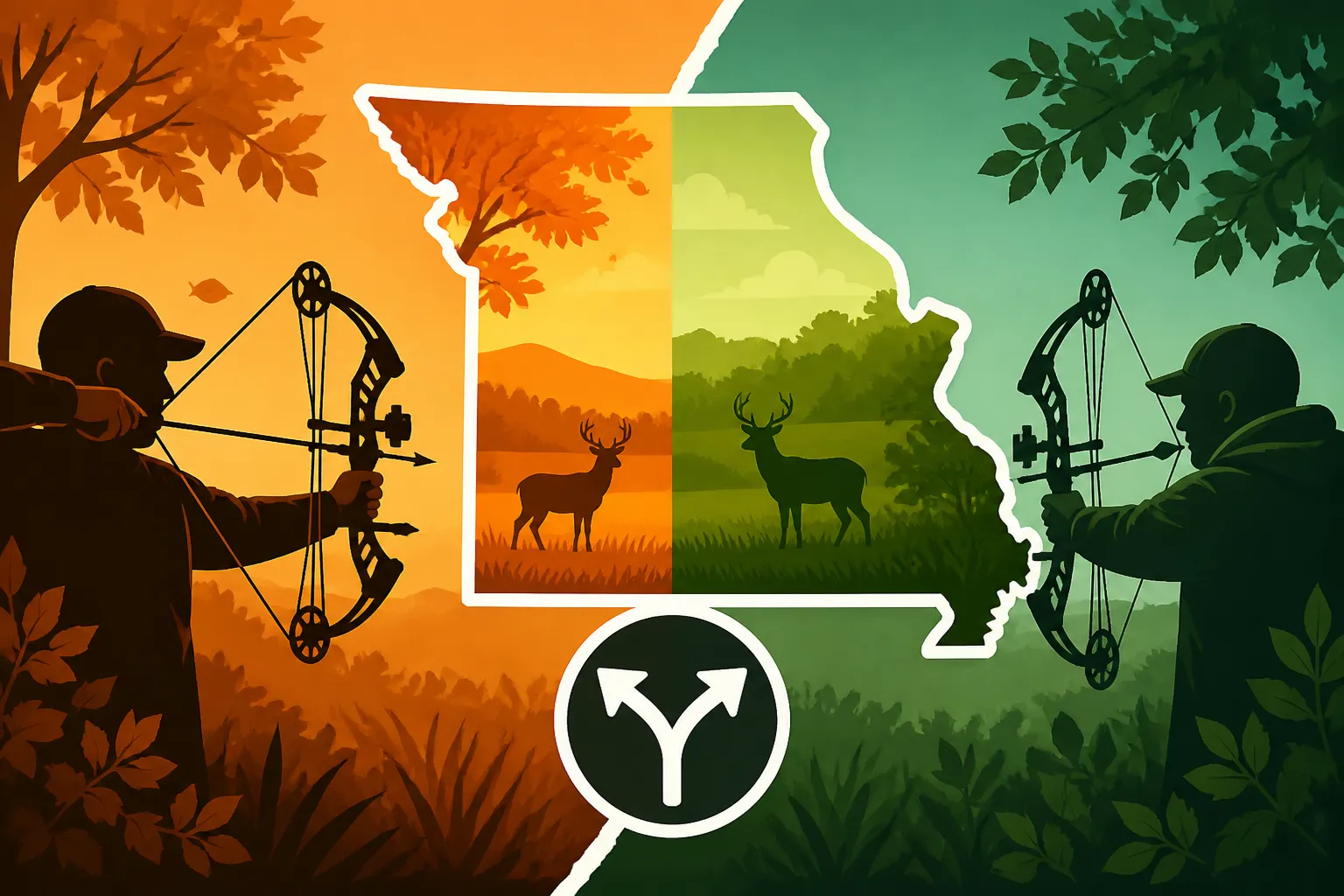
Missouri's archery deer season is unique, often described as a tale of two halves, separated by the incredibly popular and high-impact firearms portion. This structure is something that sets Missouri apart from many other states and can certainly catch an unprepared hunter off guard. It's not just a minor interruption; it's a significant break that changes everything about how you plan and execute your bowhunting efforts.
The Early Archery Segment
The first part of Missouri's archery season typically kicks off in mid-September, offering hunters a fantastic opportunity to chase whitetails before the peak of the rut. This early segment, often lasting until the first week of November, is characterized by different deer behaviors compared to later in the year. During these weeks, bucks are often still in their bachelor groups, focused heavily on food sources like acorns, persimmons, and agricultural crops. The weather can still be quite warm, especially in September and early October, which presents its own set of challenges for scent control and game care. Hunters during this time are often focused on stand setups near food plots, bedding areas, or travel corridors between them. This is the time when you might find a big buck still on a predictable pattern, making scouting and observation crucial. It's a prime time for those who enjoy the challenge of pattern-based hunting before the chaos of the rut truly begins. You can learn more about when the season opens and the specific Missouri Archery Deer Season Dates to plan your early hunts.
The Firearms Interruption
The biggest reason for the "split" in the archery season is the arrival of Missouri's famous November firearms portion. This segment, typically an eleven-day window starting in mid-November, is a huge event across the state, bringing thousands of hunters into the woods. During this time, archery hunting is technically still allowed, but with very specific and critical restrictions, primarily the requirement for all hunters (archery included) to wear hunter orange. This shift changes the entire dynamic of the woods. The sheer volume of pressure from firearms hunters can drastically alter deer movement patterns, pushing deer into thicker cover or making them more nocturnal. Many archers choose to simply take a break during this intense period, re-evaluating their strategies for the late season or focusing on other outdoor pursuits. Understanding Missouri's Eleven-Day November Firearms Deer Season is key to navigating this interruption.
The Late Archery Segment
Once the firearms portion concludes, usually in late November, the archery season reopens without the hunter orange requirement, and it runs continuously all the way through January 15th. This late season is a completely different ballgame. The rut has largely passed, food sources are scarcer, and deer are often recovering from the hunting pressure of November. Bucks are now focused on replenishing their energy reserves, making reliable food sources and thermal cover their primary drivers. The weather is colder, often bringing snow and ice, which can make tracking and spotting easier but also makes for more challenging hunting conditions. This period also includes the late antlerless portions, providing opportunities to fill additional tags, especially crucial for herd management. Hunters targeting the late season often find success by focusing on hidden food plots, standing crop fields, or thick thermal bedding areas that offer refuge from the elements. Strategies for Bowhunting Through the Missouri Firearms Portion and into the late season require a different mindset.
Biological and Management Reasons for the Split
The Missouri Department of Conservation (MDC) doesn't just arbitrarily divide the seasons; there are very deliberate biological and management goals behind this structure, all aimed at maintaining a healthy deer herd and providing diverse hunting opportunities for the state's residents and nonresidents alike.
Deer Herd Health and Population Management
One of the primary drivers for the split is effective deer herd management. Missouri has worked hard to build and maintain a robust and healthy whitetail population, and controlling harvest numbers is a big part of that. By having a dedicated, high-impact firearms season, the MDC can efficiently manage the overall deer population. The pressure from firearms hunting helps to thin the herd to sustainable levels, reducing potential overbrowsing of habitat and mitigating the spread of diseases like Chronic Wasting Disease (CWD). The split allows for a period of intense harvest, followed by a less pressured archery-only period where deer can resettle, and hunting pressure is generally lower. This structured approach helps ensure the long-term vitality of the herd across the state. Understanding how the MDC manages populations is crucial, especially regarding permits like Missouri Antlerless Deer Permits by County.
Minimizing Hunter Conflict and Pressure
Imagine if all hunters—archers, rifle hunters, muzzleloader users—were out in the woods at the same time, without any distinction or break. The woods would be incredibly crowded, and safety concerns would skyrocket. The split season, particularly the mandatory hunter orange period during firearms season, is a strategic move to minimize conflict between different hunting groups. It acknowledges the popularity and effectiveness of firearms hunting while still preserving significant portions of time for archery-only pursuits. By funneling a large portion of the hunting pressure into that concentrated November firearms window, it allows the early and late archery seasons to offer a more traditional, quieter bowhunting experience. This management of hunter density, especially on public lands, is a constant challenge for the MDC, and the split season is a key tool in balancing access and opportunity. Many hunters use sophisticated tools from platforms like GoHunt to understand hunter density forecasts and pressure points on public land, helping them find less crowded areas.
Rut Timing and Breeding Season Dynamics
The timing of the split season is also intrinsically linked to the deer rut. The eleven-day firearms portion is strategically placed to coincide with the peak of the whitetail rut in Missouri, generally the second and third weeks of November. This is when bucks are most active, often chasing does and less cautious than at other times of the year. This timing maximizes the success rates for firearms hunters, ensuring a significant harvest during a period when deer movement is naturally at its highest. However, it also means that archers get to experience the pre-rut build-up and the tail end of the rut. The early archery segment allows archers to capitalize on predictable buck patterns before the rut kicks in, while the late archery season allows them to hunt bucks that are still cruising for late-breeding does or simply recovering from the rigors of the breeding season. The ability to hunt the Missouri Rut in Early November with archery equipment right up until the firearms opener is a huge draw for many bowhunters.
Hunter Experience and Opportunity Considerations
Beyond herd management, the split season also plays a vital role in shaping the overall hunter experience, offering diverse challenges and maximizing participation for a wide range of hunting styles and preferences. It's about providing something for everyone, whether you prefer the quiet woods of early fall or the bitter cold of late winter.
Maximizing Hunter Success and Participation
By segmenting the season, Missouri effectively broadens the appeal of deer hunting. The high success rates during the firearms portion draw a large number of participants, many of whom might not otherwise hunt. For bowhunters, the split offers distinct advantages. The early season allows for hunting deer that are still on summer patterns, often providing opportunities to ambush animals based on food sources. The late season, while tougher, can reward persistent hunters with deer concentrating on limited food, offering different tactical challenges. This variety encourages more people to get out into the woods for different reasons and with different methods. For hunters who want to explore different tactics, having these distinct periods allows them to hone skills for Still-Hunting a Missouri Ozark Hollow in the early fall or focusing on Late-Season Food Sources for Whitetails after the snow flies.
Diverse Hunting Conditions and Challenges
A continuous archery season would mean hunting through a very consistent range of conditions. The split, however, means archers face a much wider array of environmental factors. The early season can involve warm, humid days, demanding meticulous scent control and attention to game care in the heat. The late season often brings freezing temperatures, snow, and ice, requiring different gear, clothing, and strategies for staying warm and effective. This diversity in conditions offers different challenges, which many hunters appreciate. Some prefer the milder temperatures of early fall, while others relish the opportunity to track deer in the snow during the late season. It ensures that the skill sets required to be successful change throughout the hunting year, keeping hunters engaged and adaptable. Hunting the full Bowhunting Missouri's Four-Month Archery Season means you'll experience a little bit of everything.
Public Land Pressure Management
Missouri is blessed with a significant amount of public hunting land, from expansive Conservation Areas to portions of the Mark Twain National Forest. However, these areas can see immense pressure, especially during peak seasons. The split archery season, by concentrating firearms pressure into a short window, helps spread out the overall hunting effort. Archery hunters who prefer solitude can target the early season or the late season, often finding fewer people in the woods outside of the firearms rush. This doesn't eliminate public land pressure, but it does manage it, creating periods where a diligent archer using tools like GoHunt's public land overlays can find less disturbed areas. The strategy for Scouting Missouri Public Land Before Season becomes even more critical when planning around these pressure shifts.
Here's a quick overview of how the seasons stack up:
| Season Segment | Typical Dates | Key Characteristics | Hunter Density | Typical Deer Behavior |
|---|---|---|---|---|
| Early Archery | Mid-Sep to Early Nov | Warmer weather, focus on food, pre-rut | Moderate | Patterned movement, bachelor groups, feeding focused |
| Firearms Portion | Mid-Nov (11 days) | Peak rut, high hunter numbers, mandatory orange | Very High | Rut-driven, pressured, seeking thick cover |
| Late Archery | Late Nov to Jan 15 | Colder weather, post-rut, focus on cover/food | Low to Moderate | Replenishing energy, concentrated on quality food/cover |
Historical Context and Evolution of Missouri's Archery Season
To truly understand why Missouri has a split archery season, it helps to look back at how deer hunting regulations have evolved in the state. Wildlife management is a dynamic field, constantly adapting to biological data, hunter feedback, and changing societal values.
How the Split Season Came to Be
Missouri's deer hunting history is one of incredible conservation success. At one point, deer were almost entirely extirpated from the state. Through dedicated conservation efforts, including restocking and habitat restoration, the herd made a remarkable comeback. As deer populations grew, hunting seasons were gradually expanded. Initially, archery seasons might have been shorter and more continuous. However, as the firearms season became a staple for herd management and provided a major revenue stream for conservation, the need to integrate it effectively became paramount. The split was likely a way to reconcile the effectiveness of a concentrated firearms harvest with the desire to offer a long, challenging archery season without completely shutting down bowhunters during the rut. It's a testament to the MDC's efforts to balance diverse hunter interests while still prioritizing the health of the deer herd. The evolution of deer permits, like Missouri Archery Deer Permits and Tags, also reflects these ongoing changes.
Changes Over Time and Future Outlook
Wildlife regulations are never truly static, and Missouri's deer seasons are no exception. The MDC regularly reviews scientific data, hunter harvest reports, and public feedback to make adjustments. We've seen changes in antler point restrictions, CWD management areas, and even permit structures over the years. The core concept of a split archery season, however, has remained largely consistent because it effectively serves multiple management and social objectives. While the exact dates or specific rules might shift slightly from year to year, the fundamental interruption caused by the November firearms portion is likely here to stay. It's a foundational element of how Missouri manages its deer and its hunters. Staying informed through the official MDC resources or even using mobile apps like What the MO Hunting App Does can help you keep up with any potential rule adjustments. The MDC continually strives to refine seasons to provide ample opportunities while maintaining a healthy and sustainable deer population, ensuring that future generations can enjoy the rich hunting heritage Missouri offers.
Disclaimer
The information provided in this guide is for general informational purposes only and does not constitute legal or professional advice. Hunting regulations and seasons are subject to change. Always consult the official Missouri Department of Conservation (MDC) regulations, permits, and season dates before planning any hunting activity.