What Changes After the Beans Come Off
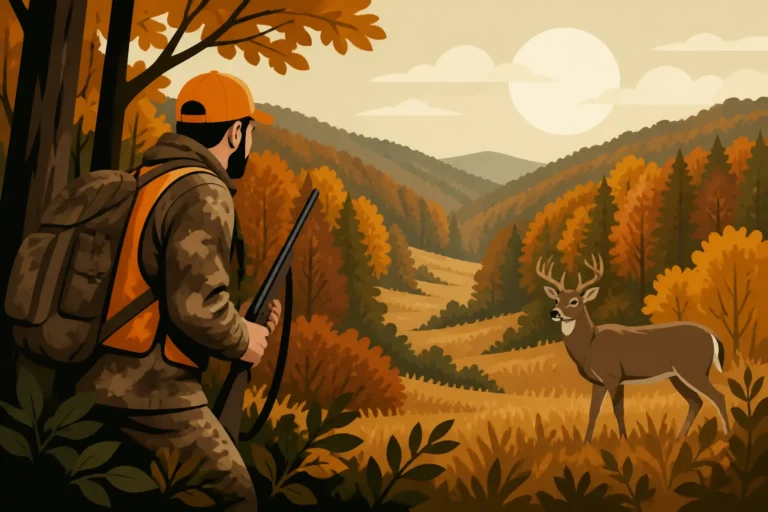
It's a familiar scenario for any deer hunter in Missouri: you've been watching a particular bean field all summer, maybe even had a few great early-season encounters, only to return after the combines have rolled through and it looks like a barren wasteland. All those deer you were seeing? Gone. The frustration of trying to pick up their new patterns can be incredibly daunting, feeling like you're starting from scratch midway through the season. This guide will meticulously break down the significant shifts in deer behavior once soybean fields are harvested and equip you with the strategies to successfully adapt your hunting approach in Missouri.
The Immediate Impact of Soybean Harvest on Deer Habitat
When those big machines roll into a soybean field, they aren't just taking off a crop; they're fundamentally altering the landscape for whitetails. What was once a secure, food-rich haven transforms overnight, forcing deer to re-evaluate their daily routines and often, their home range. This sudden change is perhaps one of the most drastic shifts a hunter will face outside of the peak rut.
Loss of Food and Cover Security
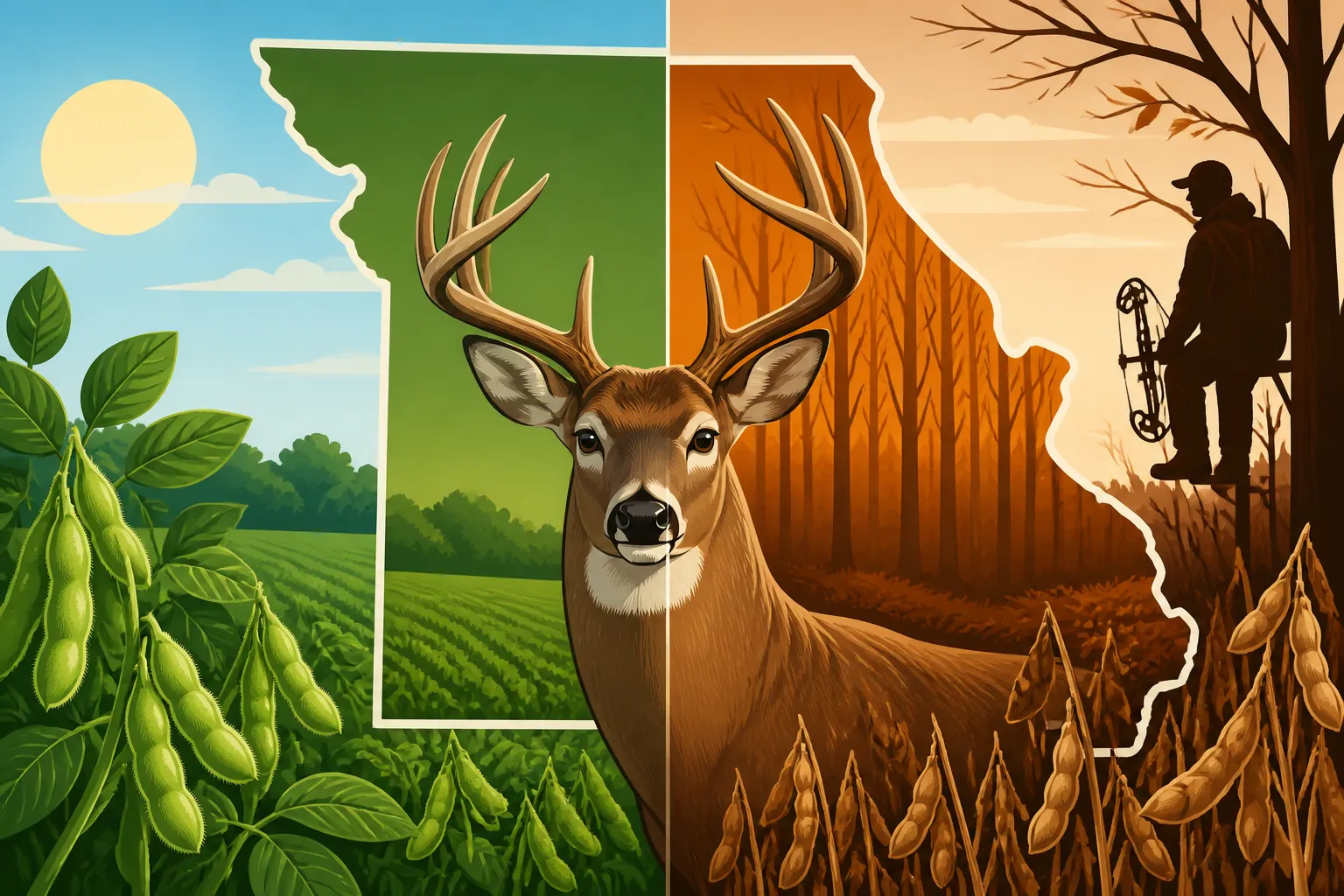
For months, those towering soybean plants have provided an incredible bounty for deer. Not only are the beans themselves a high-protein, calorie-rich food source that deer absolutely crave, but the dense foliage offers unparalleled security cover. A big buck can bed down right in the middle of a 40-acre bean field and feel almost completely invisible. He can browse on the leaves, pods, and beans at his leisure, rarely needing to venture far into the open. This changes dramatically the moment the combine makes its first pass.
The instant the beans are cut, that dense cover vanishes. What's left is often a field of stubble, offering little to no visual obstruction from predators or hunters. Furthermore, while there might be some residual beans on the ground – a tempting treat for a few days – the primary food source is gone. This dual loss of both food and sanctuary cover creates an immediate pressure cooker for deer, especially mature bucks who are hyper-sensitive to security and intrusion. They can no longer move freely and feel safe in those wide-open spaces.
Shifts in Deer Movement Patterns
With their primary food and cover suddenly gone, deer don't just disappear into thin air; they redistribute. Their daily movement patterns, which you might have painstakingly patterned for weeks, are completely disrupted. Instead of walking out into the middle of the bean field at dusk, they now have to seek sustenance and shelter elsewhere. This often means much longer travel routes between remaining food sources and suitable bedding areas.
You might notice deer that were previously using a particular field now moving through creek bottoms, thickets, or even changing their entire core area to a different block of timber. For instance, a doe group that might have lived their entire life on the edges of a sprawling bean field will suddenly be forced to travel further and expose themselves more to find food. This can lead to them adopting more nocturnal patterns initially, as they test the waters of their new, more vulnerable landscape. Their predictable morning and evening movements from bedding to feeding in the bean field are simply no longer an option, creating a significant challenge for hunters who haven't adjusted their scouting.
Increased Vulnerability and Hunter Pressure
The bare ground of a harvested soybean field offers little to no hiding spots. This makes deer far more vulnerable to both natural predators and, of course, hunters. A deer that might have felt secure crossing a bean field at midday will now be extremely hesitant, preferring to stick to the timber edges or wait until the absolute last minutes of daylight (or even after dark) to move. This heightened sense of vulnerability makes them exceptionally wary.
Add to this the increased hunter pressure that often accompanies this phase of the season. As the bean fields come off, the firearms portion of deer season is often either underway or quickly approaching in Missouri. More hunters are in the woods, pushing deer, and the lack of cover in what were once prime food plots means deer are pushed even harder. They become more nocturnal, more secretive, and more difficult to pattern. It's a critical time for hunters to become even more stealthy and strategic.
Understanding Deer Behavior Post-Harvest
Once the combines finish their work, deer aren't just aimlessly wandering. They are instinctively seeking new resources to survive. Successfully hunting them requires understanding these instinctual shifts and knowing where they'll likely go next.
Seeking Alternative Food Sources
With the buffet of soybeans gone, deer immediately turn their attention to other available food sources. This is where your scouting prior to the season, and adapting your scouting during it, becomes absolutely crucial.
- Acorns: If it's an oak year, acorns become incredibly important. White oaks drop first, offering a highly digestible, preferred food source. Red oaks follow later into the season. Deer will gorge on acorns, and finding a productive oak flat or ridge can be a goldmine. Hunters should focus on areas with mature oak stands, especially those that have been producing well. A quick scout to check for fresh droppings and disturbed leaves can tell you if the deer are hitting them hard.
- Standing Corn: While many row crops are harvested around the same time, some corn fields might still be standing, or at least have enough waste grain on the ground to attract deer. If you've been Hunting Standing Corn Before Harvest, you know how potent these fields can be. The dense cover of standing corn, combined with its high caloric value, makes it a magnet for deer fleeing open bean fields.
- Winter Wheat and Forage: As temperatures drop, deer will also seek out green browse. This includes natural forages that remain green later into the season, as well as planted winter wheat fields. Many farmers plant winter wheat as a cover crop, and this fresh, green growth is incredibly attractive to deer looking for digestible food.
- Browse and Mast: In timbered areas, deer will heavily browse on woody stems, briars, and any remaining mast like persimmons or late-falling acorns. Hardwood timber that offers a diverse understory can become a key feeding area, especially if it's close to thicker bedding cover. For hunters operating in areas like the Ozarks, this shift to natural browse and remaining hard mast is often the primary focus.
Relocating to Thicker Cover
The disappearance of bean field cover means deer need new places to feel safe and bed. They will naturally gravitate towards the thickest, most impenetrable cover available, particularly in close proximity to new food sources.
- Timber and Woodlots: Dense timber blocks, especially those with heavy undergrowth, cedars, or thick saplings, become prime bedding areas. Deer will often choose the leeward side of a ridge (sheltered from the wind) or the thickest part of a creek bottom to bed down. Focus your attention on these areas, especially Where North Missouri Bucks Bed can be found.
- CRP and Brushy Areas: Conservation Reserve Program (CRP) fields, old clear-cuts, and overgrown brushy draws offer excellent thermal and security cover. These areas, often overlooked earlier in the season, become vital for deer seeking refuge. They provide excellent pockets for deer to bed undetected.
- Creek Bottoms and River Systems: The tangled masses of briars, fallen trees, and diverse vegetation found in creek bottoms and along river systems provide fantastic sanctuary. Deer will often travel these natural funnels under cover, moving between different feeding and bedding areas.
- Fencerows and Thickets: Don't underestimate the power of a good fencerow or small thicket, especially in agricultural landscapes. Even a narrow strip of dense brush can offer enough cover for a deer to feel secure, particularly when moving between two larger blocks of timber or food. Hunting a Missouri Fencerow Between Fields becomes a highly effective strategy.
Adapting to Increased Pressure and Vulnerability
Deer are incredibly adaptable creatures, and after the bean harvest, they learn quickly. They become more vigilant, more nocturnal, and their travel routes often become more circuitous to avoid detection. This means hunters need to elevate their game when it comes to stealth and strategy.
- Nocturnal Movement: Initially, many deer, especially mature bucks, will become almost entirely nocturnal, using the cover of darkness to move between new bedding and feeding areas. This is a survival mechanism to avoid exposure. Patience becomes key, as waiting out deer who are moving primarily at night means identifying their daytime holding areas.
- Sticking to Heavy Cover: You'll notice deer staying tighter to cover for longer periods. Instead of stepping out into a field at dusk, they might only nose out a minute or two before legal shooting light ends, or even after. They'll hug timber edges, use ditches, and stay hidden as much as possible.
- Utilizing Wind and Topography: Deer will become even more reliant on wind direction and thermals to detect danger. Understanding how Wind and Thermals in Ozark Hills affects scent dispersal is vital. They'll use terrain features like hills and draws to their advantage, often traveling just below ridgelines to avoid being silhouetted.
Table: Deer Behavior Before vs. After Soybean Harvest
| Feature | Before Soybean Harvest | After Soybean Harvest |
|---|---|---|
| Primary Food | Abundant soybeans (leaves, pods, beans) | Acorns, standing corn, winter wheat, natural browse, remaining mast |
| Primary Cover | Dense soybean foliage, field edges | Thick timber, CRP, creek bottoms, brushy draws, fencerows |
| Movement | Often direct to/from bean fields, visible daytime activity | More covert, hugging cover, increased nocturnal activity, longer travel |
| Security Level | High in field, relaxed | Low in open, high in thick cover, very wary |
| Vulnerability | Lower due to dense cover | Higher due to open fields, increased pressure |
| Hunter Strategy | Hunt field edges, inside corners | Hunt transition zones, new food/cover, funnel points |
Hunting Strategies for Post-Bean Fields
Adapting your hunting strategy after the soybean harvest is paramount to continued success. It means changing your mindset, your scouting approach, and often, your stand locations.
Transition Zone Tactics
The "transition zone" becomes the holy grail for post-harvest hunting. This is the area where the newly exposed fields meet the remaining secure cover—the timber edge, a fencerow, or a thicket. Deer will use these edges to stage before entering open areas or to travel along, feeling safer than being completely exposed.
- Edge Hunting: Instead of hunting directly over the bean field, focus on the timber edge itself. Look for pinch points, subtle funnels, or areas where trails converge along this edge. Deer will often walk parallel to the field, just inside the timber, before committing to cross or moving deeper into the woods. Setting up a stand or a ground blind 20-40 yards inside the timber, overlooking the edge, can be highly effective.
- Funnels and Bottlenecks: Identify natural funnels created by topography or property lines that force deer to travel through a specific, narrow area as they move between bedding and feeding. A narrow strip of woods connecting two larger blocks, a creek crossing, or a saddle on a ridge could become a major travel corridor. Consider Hunting Missouri Ridge Saddles and Benches if you're in hillier terrain. These become even more critical when deer are seeking efficient, low-exposure travel routes.
- Ambush Points: Pay close attention to corners of fields where timber projects into the open, or where a drainageway provides an easy path from cover. These are natural ambush points where deer feel more comfortable stepping out.
Focusing on Remaining Food and Cover Hotspots
Your post-harvest scouting should be almost entirely new. Forget the bean fields; now you're looking for the new magnets.
- Scouting New Food Sources: Walk those oak flats, search for fresh droppings under persimmon trees, and check for browse lines in thickets. If there's standing corn nearby, see if deer are hitting it. Remember, if it's nearing the later parts of the season, Late-Season Food Sources for Whitetails like brassicas or remaining waste grains from other crops will become key. Use a good hunting app like GoHunt to mark these new food sources.
- Identifying New Bedding Areas: Look for fresh beds in thickets, CRP, cedar stands, and the thickest parts of creek bottoms. Deer want to be able to smell danger from downwind and see potential threats approaching from upwind. They'll often bed just inside the timber, especially if it provides good sunlight on cold days.
- Connecting the Dots: Once you find new food and bedding areas, focus on the most secure and efficient travel corridors between them. These are your new prime hunting locations. Aerial maps on platforms like GoHunt are invaluable for this, helping you visualize the landscape and pinpoint these connections.
Utilizing Topography and Wind for Advantage
With more open fields, deer become more sensitive to wind direction and how it carries scent. Hunters must also become more meticulous in their approach.
- Playing the Wind: This is non-negotiable. Always hunt with the wind in your favor, especially when deer are highly pressured. A subtle change in wind can ruin a hunt. Deer will circle downwind of suspected danger, so plan your approach and stand location to account for this.
- Using Topography for Access: Use ravines, creek beds, or low spots to approach your stand undetected. The goal is to get into your location without being seen or smelled. This applies whether you're setting up a new Treestand Setups in Hardwood Timber or deploying a Ground Blinds on Crop Field Edges near a new food source.
- Understanding Thermals: In hillier Missouri terrain, thermals play a significant role, especially during morning and evening hunts. Warm air rises in the morning, carrying your scent uphill, while cool air sinks in the evening, carrying it downhill. Factor these predictable movements into your setup.
Gear and Scouting Considerations for Post-Harvest Success
The post-harvest period demands a renewed focus on scouting and gear. What worked during early archery season in standing beans might not cut it now.
Remote Scouting with Technology
In today's hunting world, technology is your best friend when the landscape changes. Apps like GoHunt, along with the Missouri Conservation Atlas, become incredibly powerful tools for efficient scouting.
- Aerial Maps and Topography: Use high-resolution aerial imagery to identify new travel corridors, thick bedding areas, and potential alternative food sources. Look for subtle changes in vegetation, distinct timber lines, and natural funnels that become more apparent once the fields are bare. This is especially true when Reading Aerial Photos for Ozark Deer, where topography plays a huge role.
- Property Boundaries and Public Land: If you're hunting public land, know your boundaries precisely. GoHunt layers can clearly show public vs. private land, helping you identify overlooked pockets of cover or food that might hold deer pressured off private ground. This is also key for Scouting Missouri Public Land Before Season, but even more so when deer patterns shift.
- Marking Waypoints: Use the app to mark potential stand sites, new rubs or scrapes, fresh beds, and new food sources. This allows you to build a comprehensive plan without putting too much "boots on the ground" pressure on deer.
Adapting Your Setup and Attire
With the landscape more open and temperatures often dropping, your gear and setup need to change.
- Stand Location and Type: You might need to move your treestands to new transition zones or deeper into cover. Consider more mobile options like saddle hunting setups if you need to be versatile. For ground hunting, a well-brushed-in ground blind can offer excellent concealment, especially in areas with limited suitable trees for stands.
- Heavier Clothing and Layering: As the season progresses through late fall and into winter after the harvest, temperatures drop significantly. You'll need appropriate Cold Weather Sitting Strategy attire. Layering is key: a good base layer to wick moisture, an insulating mid-layer, and a windproof, waterproof outer layer. Don't forget warm boots, gloves, and a hat.
- Scent Control: With deer being warier and the air often colder, scent control is more important than ever. Be meticulous about showering with scent-free soap, washing your hunting clothes in scent-free detergent, and storing them in scent-free containers. Consider a cover scent or ozone generator, but remember nothing beats playing the wind.
- Rattling and Grunting: As you approach the latter half of October and early November, you might be in the midst of Hunting the Pre-Rut in Late October. Bucks are beginning to feel the urge to breed, and aggressive calling can become very effective, especially when they are looking for new does who might be displaced from harvested fields.
The soybean harvest might feel like the end of easy hunting, but it's really just the beginning of a new chapter. By understanding deer behavior, adapting your scouting, and fine-tuning your strategies, you can continue to find success in the Missouri deer woods.
Disclaimer
Hunting is an inherently dangerous activity. Always prioritize safety, understand and follow all Missouri Department of Conservation regulations, and ensure you have the proper permits and hunter education. This guide is for informational purposes only and does not substitute for personal research, preparation, or professional instruction.