Reading Roost-to-Field Flight Lines
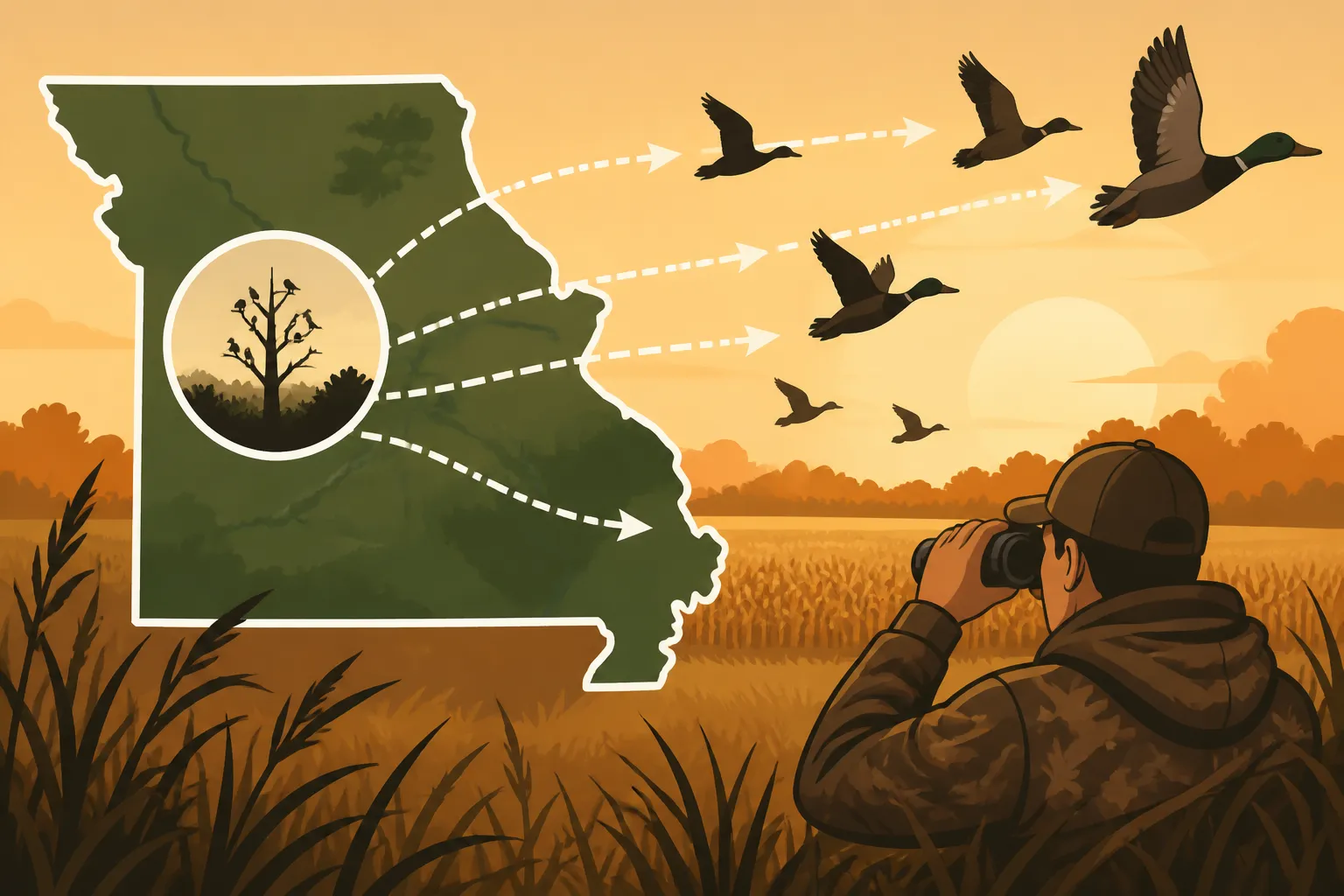
Oh, the age-old dilemma of the turkey hunter! You hear those magnificent gobblers firing off on the roost, sounding like they're practically in your lap, only for them to fly down, hit the ground, and seem to vanish into thin air, heading in a direction you never anticipated. It's incredibly frustrating, and it leaves you second-guessing every setup. This guide is all about tackling that very problem: learning how to read the subtle clues of where turkeys will fly down and what path they'll take from their roost to their preferred feeding grounds, often referred to as "flight lines," so you can intercept them effectively and turn those frustrating disappearances into successful encounters.
Understanding Turkey Roosting Habits in Missouri
Before you can even begin to read a turkey's flight line, you have to understand why they choose certain trees for roosting in the first place. Turkeys aren't just picking any old branch; their roosting habits are driven by safety, comfort, and often, convenience to their morning routine. In Missouri, this usually means big, sturdy trees that offer a clear view of their surroundings and protection from ground predators.
You'll typically find turkeys preferring the tallest trees in an area, often large hardwoods like oaks, hickories, or even sycamores along river bottoms. These trees provide excellent vantage points, allowing them to spot potential threats before flying down. Sometimes, especially in areas with a mix of timber, they might use towering pine trees, which offer dense cover even during leaf-off conditions. The key is elevation and security. A lone, tall tree on a ridge point, or a cluster of giants along a creek bank that rises sharply, makes for prime roosting real estate. They want to be high enough to glide down, not just drop, and far enough from obstacles to make a safe, easy landing. Understanding these preferences is your first step in predicting where they'll be come morning. If you're scouting, pay close attention to the biggest trees on the highest ground, or those along sharp breaks in elevation near food sources. Knowing these spots can help you narrow down your search for where to listen for Roost Hunting Missouri Gobblers.
Deciphering the Morning Fly-Down and Initial Movement
The fly-down is perhaps the most critical moment of a spring turkey hunt, and it's where many hunters misjudge a bird's intentions. It's a common misconception that turkeys fly down and immediately start walking towards a field. In reality, their behavior right after hitting the ground is often far more nuanced and dictated by a number of factors, including other birds, calling, and immediate security.
When a gobbler pitches down from the roost, he doesn't typically land and sprint off. More often than not, he'll hit the ground and begin to strut and gobble, especially if he's heard hens or other gobblers. Hens might mill around, feeding casually, waiting for the gobbler to join them, or they might head off with a clear purpose. This post-fly-down milling period is crucial. It's when the birds are assessing their surroundings, trying to gather up their flock, and establishing their morning pecking order. You might hear a flurry of soft clucks, yelps, and purrs as the flock regroups. This is also when your calling can be most effective, as a well-placed hen yelp can often draw a strutting gobbler in for a closer look, especially if he's still trying to round up his own harem. When you're trying to figure out where they'll land, remember that turkeys want to land safely, often in a relatively open spot near cover, and then they'll start making their moves. It’s not just about the tree they came from, but the immediate landing zone. If you've been working a bird on the roost, and you're ready to make a move as he flies down, remember that precise timing and subtle calling can make all the difference when Calling a Missouri Gobbler Off the Roost.
Identifying Key Transition Areas and Flight Lines to Fields
This is where the real art of reading flight lines comes into play. Turkeys are creatures of habit, and while they can be unpredictable, they generally favor certain paths from their roosting timber to their feeding areas, especially if those areas are open fields. Identifying these "flight lines" means understanding how terrain, cover, and their inherent need for security influence their travel.
First, consider the topography. Turkeys rarely fly directly over wide-open spaces for long distances unless absolutely necessary. They prefer to use natural cover or terrain features to shield their approach. This means looking for draws, creek beds, fencerows, and timber edges that lead directly from the roost site to the field. For instance, if birds are roosting on a high ridge overlooking a cornfield, their flight line might follow a timbered draw that funnels down from the ridge to a specific corner of the field. They might fly to the edge of the timber and then walk the last 50-100 yards into the field. These natural funnels are your best friend. They limit the directions a bird can comfortably travel and provide you with ambush points.
Scouting is paramount here. Before the season, or even the day before a hunt, you need to be on the ground or, better yet, studying aerial maps. Tools like GoHunt can be invaluable for this, allowing you to scrutinize every contour, every fencerow, and every timber finger leading to open ground. Look for pinch points where timber narrows into a field, or where a creek bottom opens up. Pay attention to specific entry points that seem easier or more protected for birds to enter a field. If you can see where a game trail or a natural break in the brush leads directly into a field from the timber, that's a prime candidate for a flight line entry. Turkeys won't always walk the entire way; they'll often fly across a small gap or down into a protected low spot before continuing on foot.
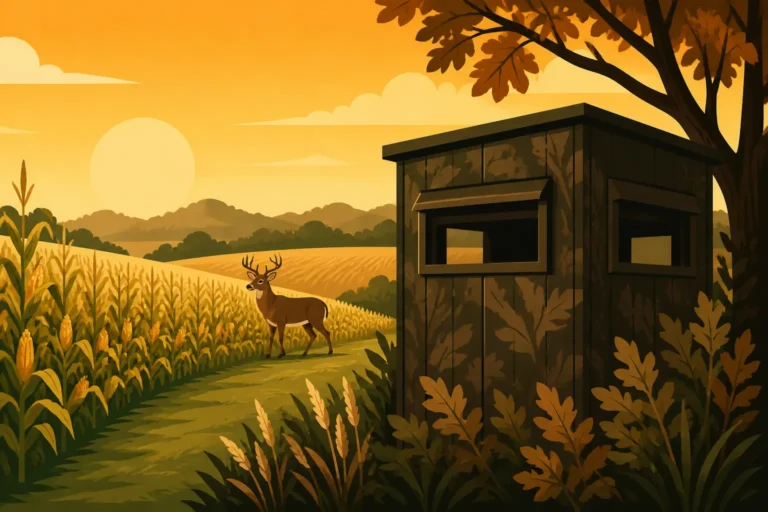
Consider a typical scenario in northern Missouri: turkeys roosting in a mature timber block adjacent to a sprawling soybean or cornfield. They won't just bomb out into the middle of the field. Instead, they'll likely fly down to the very edge of the timber, near a thick fencerow or a small, brushy creek that offers concealment. From there, they'll either walk that fencerow into the field or follow the timber edge until they find an ideal spot to enter. Sometimes, they might even fly a short distance into the field, but only to a spot where the standing crop or topography provides immediate cover. This careful approach is crucial to their survival. Understanding these patterns is key for Turkey Tactics for Crop Country. A solid mapping platform like GoHunt allows you to mark potential roost trees, pinpoint obvious travel corridors, and even identify those subtle terrain features that could serve as a "landing strip" for a gobbler. It’s like having an eagle’s eye view, helping you visualize their preferred routes.
Here's a quick comparison of what makes for good versus less ideal flight line setups:
| Characteristic | Good Flight Line Scenario | Less Ideal Flight Line Scenario |
|---|---|---|
| Roost Location | High ground, mature timber, clear glide path to fields. | Scattered trees, far from food, difficult fly-down. |
| Terrain Features | Timbered draws, fencerows, creek lines, ridge fingers leading out. | Wide-open fields with abrupt, straight timber edges. |
| Cover on Approach | Ample brush, standing crops, ditches, terrain breaks. | Exposed, flat ground with no cover leading to fields. |
| Entry Points | Defined game trails, narrow openings, corners of fields. | Random entry anywhere along a long, uniform timber edge. |
| Hunter Visibility | Natural blinds, ability to use terrain for concealment. | Open, sparse cover, making it hard to hide a setup. |
Remember, even when you have what seems like a perfect flight line identified, turkeys can surprise you. However, by focusing on these predictable travel patterns, you significantly increase your odds. Hunting a Missouri Fencerow Between Fields or carefully examining Reading Aerial Photos for Ozark Deer (which offers fantastic insights into general animal movement across the landscape) can further hone your ability to predict turkey travel.
Setting Up for Success on a Flight Line
Once you've done your scouting and have a good idea of the likely flight line, the next step is setting up strategically. This isn't just about finding a comfortable spot; it's about intercepting the birds on their terms, or at least making them think they're on theirs. Your setup needs to be concealed, offer a good shooting lane, and account for the direction the birds are likely to come from.
Your primary goal is to be invisible. This might mean setting up a pop-up ground blind tucked into a fencerow or a thick cedar patch. When choosing a blind location, always think about the sun. You don't want the morning sun in your eyes, nor do you want it silhouetting you for approaching birds. Position your blind so you're facing the expected direction of travel, with the sun behind you or to your side. If you're going with a more minimalist setup, using natural cover like a downed log, a thick oak tree, or a brush pile, ensure you break up your outline effectively. Hunters often overlook this, but turkeys have incredibly keen eyesight. A poorly concealed hunter, no matter how still, will likely be busted. If you're considering Ground Blinds on Crop Field Edges, make sure it's brushed in thoroughly.
Decoy placement is another critical element. If you're using decoys, they should be positioned where they are visible to birds flying down or walking the flight line, but not so far out that they're unrealistic or require the birds to deviate too much from their natural path. Often, placing decoys about 15-25 yards from your setup, slightly off the main flight line but still in a clear view, works best. Think about simulating a small flock of hens feeding casually, or a single strutting gobbler to challenge an incoming bird. If you've got a specific flight line in mind, placing a decoy to draw a bird just off that path, into your shooting lane, is a great tactic. You can find more detailed advice on Decoy Placement for Pressured Birds that can apply here.
Your entry and exit routes are just as important as your setup itself. You need to be able to get into your spot in the dark, quietly, and without spooking any birds that might be roosting nearby. This often means walking a long way around, using terrain features for cover. Avoid walking directly under roost trees, even in the dark, if you can help it. Likewise, after the hunt, you need a discreet way to leave, especially if you've harvested a bird and need to retrieve it. GoHunt can be incredibly helpful for marking these entry and exit routes, ensuring you're not disturbing the area more than necessary. It's a fantastic tool for mapping out your approach well before daylight breaks, reducing guesswork and noise. If you are Setting Up Against a White Oak, you should consider your exact location within that tree's cover to avoid detection.
Finally, remember the influence of wind and thermals, especially in Missouri's rolling hills and Ozark country. Birds will often approach with the wind in their face, using their sense of smell to detect danger (though not as critical for turkeys as deer, it's still a factor). Thermals, the rising and falling air currents, can also affect how sound travels and how birds move, especially in deep hollows. Pay attention to the forecast, and if possible, try to position yourself so the wind is favorable to your setup.
Adapting to Changes and Unpredictable Turkey Behavior
Even with the best scouting, the most precise flight line analysis, and a flawless setup, turkeys are still wild animals, and they can throw a wrench in your plans. It's the nature of the beast! You might have done everything right, only for the gobbler to fly down in the exact opposite direction you anticipated, or for the hens to pull him off his planned trajectory. This is where adaptability and resilience come into play. Don't get discouraged; learn from it.
If your primary setup on the predicted flight line doesn't pan out, don't automatically pack up and go home. Turkeys will often regroup and move later in the morning. This is when a more mobile approach, often called "run-and-gun," can be effective. If you know the general direction the birds went, or if you hear distant gobbling, you can carefully try to reposition yourself. This means moving slowly, using terrain features and timber for cover, and stopping frequently to listen and call. It's about trying to get ahead of them or draw them back in with persistent, realistic calling. You might find some excellent tactics for this in articles about Run-and-Gun Turkey Tactics in the Missouri Ozarks.
Sometimes, gobblers will simply go quiet after fly-down, especially if they're henned up or if hunting pressure is high. This can be incredibly frustrating, leaving you wondering if they're even still in the area. Often, if you know they're around, patience is the best virtue. Turkeys will often resume gobbling later in the morning once the hens break off to nest, or as they move towards different feeding areas. This shift in behavior makes it crucial to understand When Missouri Gobblers Go Quiet. Don't give up on the morning too early; sometimes the best hunting can happen between 9 AM and noon, or even later when Hunting Gobblers in the Afternoon. Stay persistent, listen for any vocalizations, and be prepared to move if an opportunity arises. Every hunt is a learning experience, and by adapting your strategies, you'll eventually crack the code on those wily Missouri gobblers.
Disclaimer
Hunting involves inherent risks, and conditions can change rapidly. Always prioritize safety, adhere to all Missouri Department of Conservation regulations, and obtain appropriate permits. This guide is for informational purposes only and does not guarantee hunting success. Always scout thoroughly, be aware of your surroundings, and respect private property.