What Changed in Missouri Deer Rules for 2026
It feels like just yesterday we were gearing up for last season, and here we are again, already looking ahead to the deer hunting season in Missouri. If you’re anything like me, you probably find yourself scratching your head a little each year, wondering, "Okay, what's new this time?" The Missouri Department of Conservation (MDC) is always working to manage our incredible deer herd, and that often means adjustments to regulations, permits, and season structures. It can be a real headache trying to keep up, but staying informed is crucial for a successful and legal hunt. This guide is designed to cut through the confusion and give you a clear, in-depth look at all the significant changes coming to Missouri deer hunting rules, so you can plan your hunts with confidence.
Understanding the Driving Forces Behind Regulation Changes
It's easy to get frustrated when the rules seem to shift under your feet every couple of years, but trust me, the MDC isn't making these changes just to keep us on our toes. There are very real, very complex reasons behind every adjustment to Missouri’s deer hunting regulations. These decisions are rooted in science, conservation goals, and a constant effort to balance hunter opportunity with herd health. Understanding why these changes happen can actually help you anticipate future shifts and adapt your hunting strategies more effectively.
Population Management Goals
At its core, deer hunting in Missouri is a vital tool for population management. Our white-tailed deer herd is incredibly robust, and without adequate harvests, deer numbers can quickly outstrip habitat capacity, leading to agricultural damage, increased vehicle collisions, and even a less healthy deer population overall. The MDC constantly monitors deer densities through various surveys, harvest data, and landowner feedback. When these indicators suggest the herd in certain regions is growing too rapidly, or perhaps declining in others, adjustments to permit availability or season lengths become necessary. For 2026, you'll see some refined approaches to targeting specific areas for increased or decreased harvest, aiming for a more localized and nuanced control. This isn't a one-size-fits-all approach; it’s about maintaining ecological balance across Missouri's diverse landscapes.
Sometimes, these changes might seem counterintuitive. For example, if a county has seen a slight dip in harvest, the MDC might adjust antlerless permit availability to allow the population to rebound slightly. Conversely, areas with persistent high deer numbers might see an increase in available tags to encourage more harvest. These decisions are made with the long-term health of the herd, and the hunting tradition, in mind. The goal is always a healthy, sustainable deer population that provides ample hunting opportunities for generations to come.
Evolving CWD Strategies
Chronic Wasting Disease (CWD) continues to be one of the most significant challenges facing deer management in Missouri, and frankly, across North America. It’s a silent, always-fatal neurological disease that affects deer, elk, and moose. The MDC has been proactive, but as more cases are identified, the strategies for containing and managing CWD have to evolve. What we’re seeing for 2026 reflects a deeper understanding of CWD's spread and the most effective ways to combat it. This isn't just about preventing the disease from spreading; it's about mitigating its impact on herd health and ensuring the safety of our wild game.
These changes often involve alterations to carcass transport rules, mandatory sampling requirements in certain zones, or even special CWD management permits. The frustrations these rules can cause, especially around mandatory testing or limitations on how you can move your deer, are totally valid. It adds an extra layer of complexity to an already exciting moment. However, these measures are absolutely critical in our fight to keep CWD from devastating Missouri’s deer herd. Every hunter's cooperation in these efforts, like participating in CWD Sampling and Testing for Hunters, is a direct contribution to the future of hunting in our state.
Hunter Feedback and Conservation Initiatives
It's easy to feel like "the regulations" just come down from on high, but a significant portion of the changes actually stem from hunter feedback and broader conservation initiatives. The MDC actively solicits input from hunters, landowners, and the public through surveys, public meetings, and direct communication. Your experiences in the field—what you're seeing, what challenges you face, what opportunities you observe—all contribute to the ongoing discussion about how best to manage our wildlife resources.
For instance, if hunters overwhelmingly express concern about declining deer numbers in a particular region, or if there's a strong desire for more archery opportunities, the MDC takes that seriously. These changes aren't always immediate, as they need to be scientifically supported, but hunter voice is a powerful catalyst for review and adjustment. Beyond direct feedback, broader conservation initiatives, like habitat improvement projects or efforts to protect endangered species, can also indirectly influence deer regulations. It’s all interconnected in the grand scheme of managing Missouri’s rich natural heritage.
Key Changes to Deer Permits and Tags for 2026
Alright, let’s get down to the brass tacks of what many of us worry about first: the permits. The system for buying and using deer permits can feel like a labyrinth at times, especially with annual tweaks. For 2026, there are some notable shifts in how we’ll be obtaining and utilizing our tags, impacting both residents and nonresidents. Getting these details straight before you head to the vendor or log onto the MDC website will save you a lot of grief and ensure you’re legal from day one. This directly ties into the broader topic of Missouri Deer Permits and How to Buy One.
New Permit Types or Restrictions
One of the more significant changes for 2026 involves the introduction of new permit types or, conversely, increased restrictions on existing ones. While the core resident and nonresident deer permits remain, there might be specific new add-on permits for certain seasons or counties. For example, some counties might see a new "bonus antlerless" tag become available during the late antlerless portion, designed to help reduce localized overpopulation without impacting the general statewide harvest limits. Conversely, in areas where deer numbers are a bit lower, we might see a tightening of restrictions, perhaps limiting hunters to only one antlerless tag instead of the two that were available previously.
These changes are often very localized and designed to fine-tune population management. It's crucial to check the specific regulations for the counties you plan to hunt, as a permit that was valid and common in one part of the state might have different restrictions, or even a new name, elsewhere. Always double-check the MDC regulations booklet or their website before purchasing, or use a reliable hunting app like GoHunt, which often updates its information quickly to reflect these nuances. This helps ensure you're compliant and ready for your chosen hunting ground.
Adjustments to Antlerless Tag Availability
Antlerless tags are a primary tool for managing deer numbers, especially does, which directly impacts population growth. For 2026, the MDC has made several adjustments to Missouri Antlerless Deer Permits by County, reflecting localized deer populations and CWD management efforts. Many counties will see either an increase or decrease in the number of antlerless permits available per hunter, or a change in the specific portions during which these permits can be used.
For instance, a county with a historically high deer population might now allow hunters to purchase an additional antlerless tag specifically for the early or late antlerless portions, encouraging more doe harvest. Conversely, counties that have shown signs of declining deer populations or are in recovery from severe EHD outbreaks might see a reduction in available antlerless tags to help rebuild the herd. These changes are often the direct result of annual harvest data, vehicle collision statistics, and landowner feedback. It's essential to consult the official MDC county maps for antlerless permit availability before making your purchase, as what was true last year might not be for 2026. This level of detail is critical for successful season planning, especially if you hunt multiple counties.
Nonresident Permit Structure Updates
Nonresident hunters, I know you often feel the brunt of permit cost and structure changes, and 2026 brings some updates to Missouri’s nonresident permit system as well. While Missouri remains a highly attractive state for nonresidents, especially given its excellent deer hunting opportunities, there might be adjustments to the cost or specific bundles of permits available. It’s not uncommon for nonresident permit fees to be reviewed periodically to ensure they align with the costs of conservation efforts and to manage hunter pressure effectively.
Additionally, there could be changes to how nonresident permits are structured. For example, instead of a single combo tag for archery and firearms, there might be more distinct permit options for each method, giving hunters more flexibility but also requiring a closer look at what they're actually buying. Some rumors suggest a cap on certain nonresident permits in high-demand areas to help distribute hunting pressure more evenly across the state. This is where using a platform like GoHunt can be invaluable for nonresidents, as it often provides clear, consolidated information on pricing and permit types, helping you navigate the complexities of hunting outside your home state. Always budget carefully and ensure you understand exactly what your permit allows you to harvest and during which seasons.
Updates to Missouri Deer Season Portions
Missouri's deer season, as we all know, is a beautiful patchwork of different portions, each with its own unique challenges and opportunities. From the long archery stretch to the intense firearms portions and the strategic alternative methods days, there’s a lot to keep track of. For 2026, the MDC has fine-tuned some of these season structures, which means you’ll need to adjust your calendars and hunting plans accordingly. Let’s dive into what’s new for the various Missouri Deer Season Portions Explained.
Archery Season Adjustments
The Bowhunting Missouri's Four-Month Archery Season is a truly special time, offering hunters a long window to pursue deer. For 2026, there might be some minor shifts in the specific start and end dates of the archery portion, or perhaps even a re-evaluation of how Missouri's archery split works. While a full four-month season is generally maintained, expect to see small tweaks that could impact your early season planning or late-season strategies.
One potential change could involve an earlier opening date in some northern counties, or perhaps a slightly later closing in the Ozarks, aimed at spreading out hunter pressure or allowing for more targeted harvest opportunities. Another possibility is a modification to the break period during the firearms season, influencing how Bowhunting Through the Missouri Firearms Portion is managed. These adjustments, however minor, can significantly affect when you take your vacation days, when you schedule your scouting trips, and when you plan to be in your stand. Always consult the official MDC season dates well in advance to avoid any surprises, or check your favorite mapping app like GoHunt for up-to-date calendar overlays.
Firearms Portion Modifications
The Missouri's Eleven-Day November Firearms Deer Season is arguably the most anticipated and action-packed deer hunting period in the state. For 2026, while the core structure of this traditional 11-day portion is expected to remain largely intact, there could be subtle changes that impact how and where you can hunt. For instance, some CWD management zones might have extended firearms opportunities or specific weapon restrictions that weren’t present in previous years.
Additionally, there might be changes to the youth portions or the antlerless firearms portions that flank the main November hunt. The MDC is always looking at ways to provide more opportunities for young hunters or to better manage doe populations through these focused seasons. This could mean a slight shift in dates for the Missouri Early Youth Portion Dates or adjustments to which counties are open for the Missouri Early Antlerless Portion Tactics. These small calendar changes can have a big impact on family hunting plans, so it's critical to review the exact dates for all firearms portions before making your final arrangements.
Alternative Methods and Late Season Revisions
Missouri’s deer season wraps up with the Alternative Methods Deer Hunting in Missouri portion and the always-challenging late antlerless days. These portions offer unique opportunities, often with less pressure and colder weather. For 2026, expect some refinements here as well. The Alternative Methods portion, which allows for unique weapon choices like muzzleloaders, crossbows, and even air-powered firearms, might see specific updates to the list of legal weapons or the counties where certain methods are permitted. This is an important detail for hunters who prefer to use a specific type of gear.
The late antlerless portion, which often extends into December and early January, is a critical time for doe harvest in many regions. The MDC may adjust the counties open for this portion, or even the duration, based on the previous year’s harvest data and population assessments. For those dedicated hunters looking to fill extra tags or put more venison in the freezer, understanding these late-season nuances is key. Planning for these later hunts often involves different strategies, focusing on Late-Season Food Sources for Whitetails and adapting to Cold Weather Sitting Strategy, so being aware of any changes to the calendar is paramount.
Important Rule Changes Regarding CWD Management
Chronic Wasting Disease (CWD) continues to be a major focus for the Missouri Department of Conservation, and for good reason. This disease has the potential to seriously impact our deer herd, and protecting our wildlife is a top priority. Consequently, CWD management rules are among the most frequently updated and critical regulations for hunters to understand. For 2026, expect a continued evolution of these protocols, as the MDC strives to adapt its approach based on the latest scientific understanding and disease prevalence data.
Changes to Carcass Transport and Sampling Requirements
One of the most immediate and impactful changes for hunters often revolves around Carcass Transport Rules Out of Missouri and sampling requirements. For 2026, the MDC is likely refining which counties are designated as CWD Management Zones and, within those zones, what the mandatory sampling requirements are. You might find that counties previously requiring mandatory sampling on opening weekend now have voluntary sampling, or vice-versa, depending on recent case detections.
Furthermore, rules regarding carcass transport might be altered. For example, if you harvest a deer in a CWD-positive county, there may be specific regulations on what parts of the carcass you can transport out of that county or even out of the state. These rules are designed to prevent the spread of CWD by limiting the movement of potentially infected tissues. It's not always convenient, but it's a vital part of the defense against this disease. Always check the current regulations specifically for the county you're hunting before you field dress or transport your deer to ensure you're in compliance. Many processors in CWD zones are now equipped to handle sampling, making it a bit easier for hunters.
The Impact of CWD Zone Removals or Additions
The boundaries of CWD Management Zones are not static; they change based on where new cases are detected and where surveillance efforts show the disease is or isn't present. For 2026, the MDC will likely announce specific additions or, hopefully, removals of counties from these CWD zones. The removal of a CWD zone, as we’ve seen in the past with What the CWD Zone Removal Means, would be fantastic news, simplifying regulations for hunters in those areas. However, the addition of a new county to a CWD zone means hunters there will face new mandatory sampling or carcass transport restrictions.
These zone changes can dramatically alter your hunting plans, especially if you hunt across multiple county lines. It's not just about the extra steps; it can affect where you can process your deer or even where you can take it home. Keeping an eye on the MDC’s CWD map, which GoHunt often integrates into its land layers, is absolutely essential. These maps are the best way to visualize where the disease has been found and what specific rules apply to those areas.
Voluntary Testing and Hunter Participation
Beyond mandatory sampling, the MDC heavily relies on voluntary hunter participation in CWD testing throughout the season. For 2026, there might be new incentives or improved collection sites to encourage more hunters to submit samples, even if it's not mandated in their specific hunting area. Increased voluntary testing provides invaluable data to the MDC, helping them understand the true prevalence and distribution of the disease across the state.
Submitting a voluntary sample is a small act that contributes significantly to the larger conservation effort. It helps track the disease and guides future management decisions. The process is usually straightforward, involving dropping off the deer head at a designated collection site. While it adds a bit of time to your post-harvest routine, it's an investment in the health of our deer herd. The MDC often provides a timeline for Missouri CWD Testing Results Timeline, so you can be informed about the status of your harvested animal.
Antler Point Restrictions and Harvest Limits
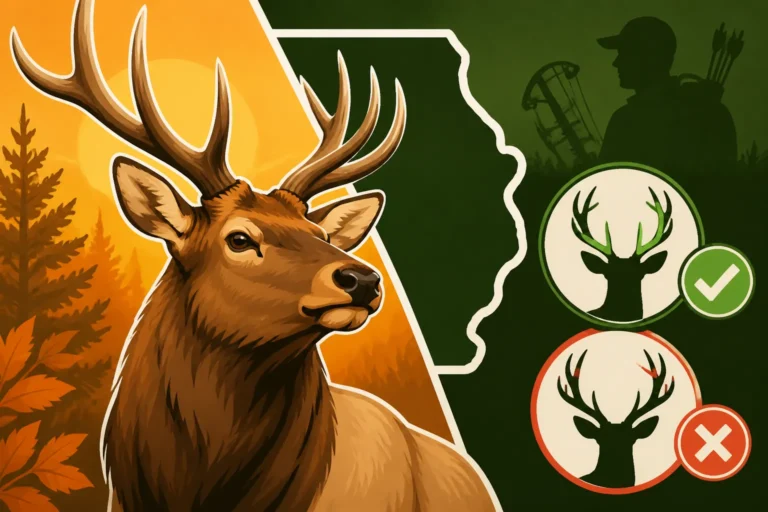
For years, Antler Point Restrictions (APRs) were a hot topic among Missouri deer hunters. While the statewide APR was removed, it’s always worth checking if any localized or specific season APRs are being reintroduced or modified. Furthermore, understanding the total number of deer you can harvest, and which types, is paramount to staying legal. These are often the rules that can lead to unintended violations if not thoroughly understood.
Revisions to Antler Point Restrictions
Back in 2022, the MDC made a significant move by largely Why Missouri Dropped Antler Point Restrictions across most of the state, shifting management towards antlerless harvest and giving hunters more flexibility. For 2026, while a widespread reintroduction of APRs isn't anticipated, it’s wise to keep an eye out for any specific, localized revisions. There might be a particular CWD management zone, for example, where the MDC decides to implement a temporary APR to meet very specific management objectives, such as increasing the number of older age-class bucks for disease resistance studies.
These targeted APRs, if they appear, would be very specific to certain counties or small regions, and would be clearly communicated. The overall trend, however, is away from broad APRs, allowing for hunters to make their own decisions about buck harvest based on personal preference and herd observation. It reflects a management philosophy that trusts hunters to be responsible stewards of the resource, while still allowing for fine-tuned control where necessary. Always ensure you consult the official regulations for your specific hunting area to confirm if any localized APRs apply.
Statewide and County-Specific Bag Limit Changes
The total number of deer you can harvest in Missouri, often referred to as the bag limit, is another area that frequently sees adjustments. For 2026, expect revisions to both the statewide total bag limit and, more commonly, to county-specific antlerless bag limits. The overall goal is to maintain a healthy deer population while providing ample hunting opportunities. If certain regions are showing high deer densities, the MDC might increase the number of antlerless deer a hunter can take in those specific counties. Conversely, areas experiencing population declines might see a reduction.
These changes are directly tied to the How Many Deer You Can Take in Missouri umbrella. You might be able to take two antlerless deer in one county, but only one in an adjacent county, depending on the management objectives. This granular approach means that simply knowing the statewide limit isn't enough; you must be aware of the specific limits for each county you intend to hunt. This is where an updated hunting app or a detailed review of the MDC's county maps becomes indispensable for planning your season effectively. These localized adjustments ensure that management efforts are targeted where they’re needed most.
Telecheck Requirements After a Harvest
Telechecking your deer after a harvest has been a cornerstone of Missouri's deer management for years, providing critical real-time data to the MDC. For 2026, while the core requirement to Telecheck Requirements After a Harvest will undoubtedly remain, there might be small but important tweaks to the process or the deadlines. For example, The Missouri Telecheck Deadline might be slightly adjusted for certain portions, or the information you need to provide during the Telecheck process could be updated.
It's a step that sometimes feels like a chore, especially when you're tired and excited after a successful hunt, but it's absolutely vital. The data collected through Telecheck — harvest date, county, sex of the deer, antler points — helps the MDC accurately monitor harvest rates, track population trends, and make informed decisions for future seasons. Missing the Telecheck deadline, or failing to check a deer in properly, can result in penalties, so always make it a priority. Familiarize yourself with the process using the MO Hunting app or the MDC website before you even head into the woods.
New Technology and Equipment Regulations
The world of hunting gear and technology is constantly evolving, with new gadgets and tools hitting the market every year. As technology advances, so too do the questions about what’s ethical, what’s legal, and what impacts fair chase. For 2026, the MDC is keeping pace with these developments, and you might see some specific rule changes regarding new technologies or established equipment that reflect these ongoing discussions.
Trail Camera and Scouting Technology Updates
Trail cameras, especially cellular cameras, have become an indispensable scouting tool for many hunters. However, their increasing sophistication also raises questions about their use, particularly on public lands. For 2026, there might be specific updates to Trail Camera Rules on Missouri Public Land, potentially addressing the use of cellular cameras, their placement, or retrieval frequency. While the MDC has historically been progressive with technology, concerns about hunter privacy and pressure on wildlife could lead to new guidelines.
Beyond trail cameras, other scouting technologies like drones for spotting deer are generally not permitted for hunting activities in Missouri, and any rule changes would likely reinforce such restrictions. Similarly, while GPS units and phone apps like GoHunt are fantastic for navigation and mapping, understanding legal boundaries for their active use in a hunting scenario is important. Always verify the rules for any new technology you plan to integrate into your scouting or hunting strategy, especially if you hunt on conservation areas or national forest land.
Weapon Restrictions and Legal Changes
Missouri has a fairly diverse list of Legal Firearms for Missouri Deer and other weapons allowed during various deer portions, but these rules are subject to review. For 2026, it's possible there could be modifications to the types of firearms, archery equipment, or alternative methods weapons permitted. For instance, there might be new minimum caliber requirements for certain firearms, or expanded opportunities for using specific types of air rifles, which are still a relatively new addition to legal deer hunting methods in Missouri.
Crossbows, now fully integrated into the archery season for all hunters, may see minor adjustments to bolt specifications or draw weight requirements, though major overhauls are unlikely. For those who hunt the Alternative Methods Deer Hunting in Missouri portion, which allows for a wider array of weapon types, always double-check the specific list of approved firearms and bows. These changes are typically implemented to ensure hunter safety, fair chase, and to align with current ammunition and weapon technology.
Hunter Orange and Safety Requirements
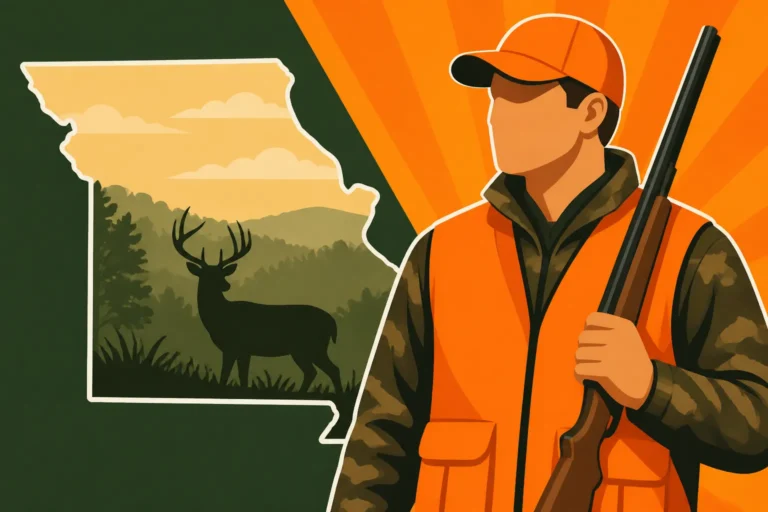
Hunter safety is always paramount, and Missouri's hunter orange requirements are a crucial part of that. While the core rule of wearing at least Missouri Hunter Orange Square Inches during the firearms portions is unlikely to change drastically, there could be clarifications or minor adjustments for 2026. For example, there might be more specific guidelines on what constitutes "visible from all sides" for hunter orange, or tighter enforcement around partial garments that don't meet the minimum square inch requirement.
Additionally, safety courses and youth hunting requirements are periodically reviewed. If you’re introducing a new hunter to the sport, particularly a youth, it's always wise to re-check the Missouri Hunter Education Age Requirement and the specifics of the apprentice hunter authorization program. These rules are put in place to protect everyone in the field, and understanding them isn't just about legality, it's about responsible hunting.
Impact on Public Land Hunting and Access
Missouri boasts an incredible amount of Public Hunting Land in Missouri, offering diverse opportunities for deer hunters. However, rule changes don't just affect permits or seasons; they can also directly impact how we utilize and access these cherished public resources. For 2026, anticipate some adjustments that could influence your approach to hunting on Conservation Areas and other public tracts.
Changes to Conservation Area Specific Rules
Each of Missouri's hundreds of Missouri Conservation Areas Explained has its own unique set of specific regulations, often detailed in their individual area brochures. For 2026, there will likely be updates to some of these area-specific rules, particularly concerning deer hunting. This could include changes to vehicle access, restrictions on the use of certain types of blinds or stands, or even temporary closures for habitat management. For instance, some areas might implement new rules regarding the placement of trail cameras, or stricter guidelines on leaving stands overnight, especially if there's been an increase in reported violations.
It's absolutely critical to consult the specific brochure for any Conservation Area you plan to hunt, as statewide rules don't always cover every detail. These brochures, often available online or through the MO Hunting app, will be updated to reflect 2026 changes. A slight adjustment on one area might not apply to another, so don't assume uniformity. This is another instance where a tool like GoHunt, with its detailed public land layers, can help you quickly identify specific area rules and avoid potential issues.
National Forest and Other Public Land Considerations
Beyond MDC Conservation Areas, Missouri also offers fantastic deer hunting opportunities on federal lands like the Mark Twain National Forest Hunting and various Corps of Engineers properties. For 2026, changes could come from both the MDC and the federal agencies that manage these lands. For example, the U.S. Forest Service might update their Motor Vehicle Use Maps (MVUMs), which dictate where and how you can drive on national forest roads. These changes, while not directly hunting regulations, can significantly impact how you access your hunting spots.
Additionally, CWD management efforts could lead to specific rules being implemented on federal lands that mirror or even exceed state regulations, particularly concerning carcass transport or mandatory sampling. Hunters using these larger, often more remote tracts, should always be diligent in checking both state and federal regulations. This layered approach to rules means doing your homework is more important than ever, especially when Scouting Missouri Public Land Before Season.
Navigating New Regulations with Mapping Tools
With the increasing complexity of regulations, particularly around county-specific rules, CWD zones, and individual area guidelines, mapping tools have become indispensable. For 2026, leveraging technology to navigate these new regulations will be more important than ever. Apps like GoHunt are constantly updating their layers to reflect current season dates, CWD zones, and even public land boundaries. This can save you hours of pouring over PDFs and ensure you're compliant down to the specific property line.
Imagine trying to remember which counties have specific antlerless limits, or where the latest CWD zone boundary runs. A good mapping app can visually display this information, allowing you to instantly see how regulations apply to your current location or planned hunting spot. It's not just about finding your way; it's about making informed decisions in real-time, helping you focus on the hunt itself rather than constantly second-guessing the rules.
Preparing for the Season and Beyond
Okay, so we've covered a lot of ground regarding the 2026 deer rule changes. It might feel like a lot to digest, and that's perfectly normal. But the good news is that with a little preparation and a proactive mindset, you can navigate these changes successfully and ensure you're ready for another amazing season in the Missouri woods. Adaptation is the name of the game in hunting, whether it's adjusting to deer patterns or new regulations.
Staying Informed and Utilizing Resources
The single most important thing you can do is commit to staying informed. Don't rely on last year's regulations or hearsay from the deer camp. As we head into 2026, the MDC will release its official "Fall Deer & Turkey Regulations and Information" booklet. This is your bible. Grab a physical copy, download the PDF, and review it thoroughly. Pay special attention to the maps for CWD zones and antlerless permit availability.
Beyond the official booklet, utilize the wealth of information available online. The MDC website is a fantastic resource, constantly updated with the latest news, regulations, and public notices. Consider signing up for their email newsletters for timely alerts. And as I've mentioned, modern hunting apps like GoHunt are incredibly valuable. They often integrate these regulatory updates into their maps and data, providing a visual and easily digestible way to stay current. Make it a habit to check these resources regularly leading up to the season.
Adapting Hunting Strategies to New Rules
Finally, don't be afraid to adapt your hunting strategies in light of these new rules. If antlerless tag availability has shifted in your preferred county, you might need to adjust your doe harvest goals or scout new areas. If CWD transport rules are tighter, plan your field dressing process and potential testing stops in advance. These changes aren't meant to make hunting harder, but to ensure the long-term health of the herd and the hunting tradition itself.
For example, if you typically focus on harvesting mature bucks, the absence of statewide APRs means you continue to have that discretion. If you're passionate about venison, understanding the updated Missouri Antlerless Deer Permits by County will guide where you can fill those extra tags. Every change presents an opportunity to learn, to grow as a hunter, and to become more connected with the intricacies of wildlife management. By embracing these adjustments, you not only ensure compliance but also become a more skilled and knowledgeable conservationist, ready to make the most of every moment afield in Missouri.
Disclaimer
Please note that while this guide aims to be as comprehensive and accurate as possible, hunting regulations can be complex and are subject to change by the Missouri Department of Conservation (MDC). This information is for general guidance only. Always consult the official MDC Fall Deer & Turkey Regulations and Information booklet, the MDC website, or contact the MDC directly for the most current and authoritative rules and regulations before planning and executing your hunt. It is every hunter's responsibility to know and follow all applicable laws.