Missouri Hunter Orange Rules
It can feel like a real headache trying to keep up with all the rules and regulations when you’re out in the Missouri woods, and hunter orange is often one of the most confusing. You just want to enjoy your time afield, but constantly second-guessing whether you need to be decked out in blaze orange can really take away from the experience. This comprehensive guide is here to clear up all the mystery surrounding Missouri's hunter orange rules, helping you understand exactly when, where, and why it's required so you can hunt safely and legally.
Understanding Missouri's Core Hunter Orange Mandates
Let's cut through the confusion right away. Hunter orange isn't just a suggestion in Missouri; it's a legal requirement during specific hunting seasons, and it's backed by solid safety principles. Understanding the basics is the first step to ensuring you're always compliant and, more importantly, always safe.
The Basic Requirement: 400 Square Inches
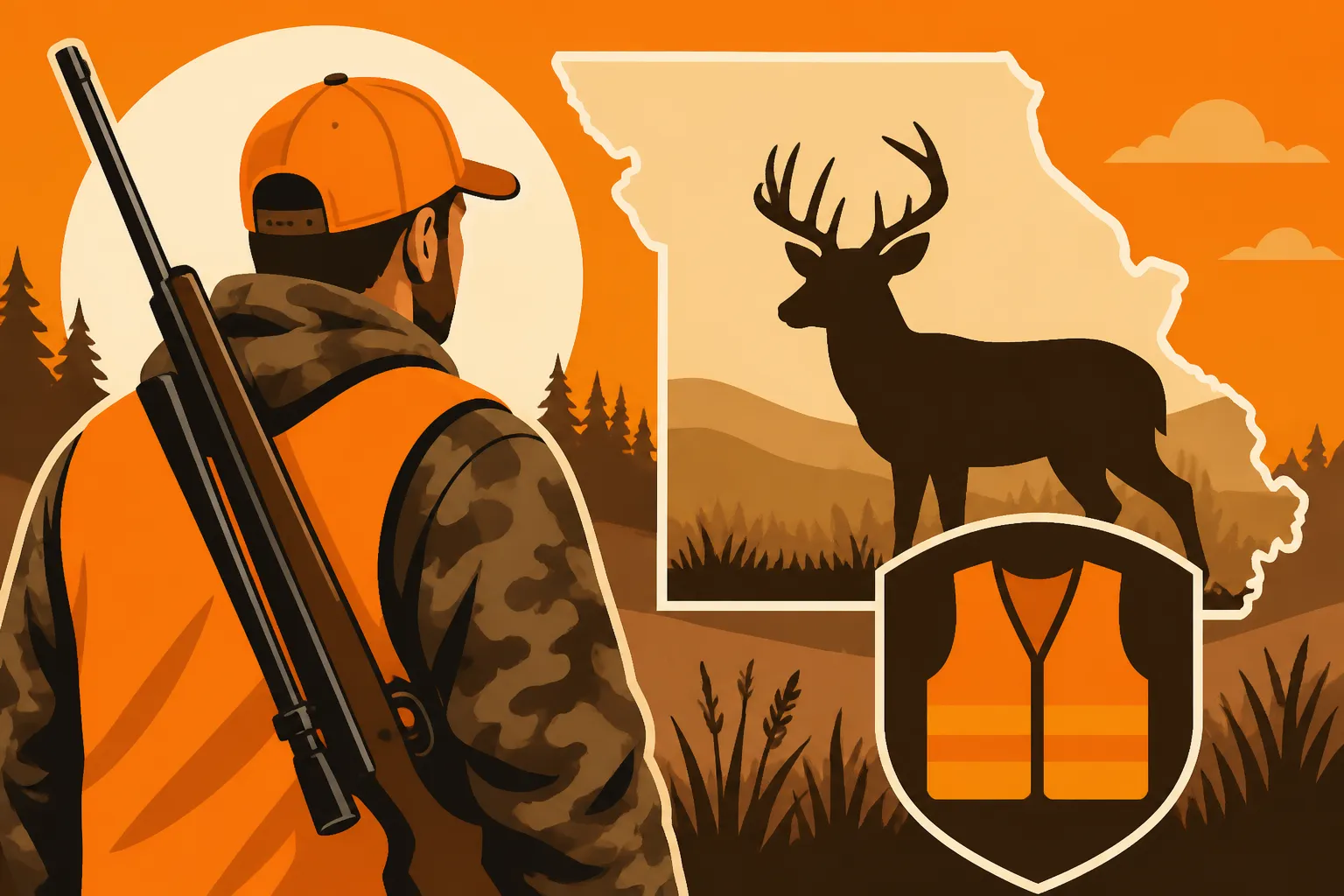
The Missouri Department of Conservation (MDC) is pretty specific about the amount of hunter orange required: a minimum of 400 square inches. Now, that might sound like a technical measurement that's hard to visualize, but in practical terms, it usually translates to a well-fitting hunter orange vest and a hunter orange cap.
Think of it this way: your blaze orange garment needs to be clearly visible from all sides – front, back, and both sides. A simple patch on your backpack isn't going to cut it. You need a significant block of color that stands out starkly against the natural environment. This high visibility is precisely why this specific amount is mandated; it dramatically reduces the chance of another hunter mistaking you for game, especially in thick cover or during fleeting glimpses. It's about ensuring that if someone else is scanning the woods with their rifle or bow, they can instantly recognize you as a human, not a deer.
General Rules for Firearms Deer Season
If there's one time when virtually every hunter in Missouri knows they need to wear hunter orange, it's during the main firearms deer season. This eleven-day period is an absolute flurry of activity in the woods, with thousands of hunters taking to the field. During this time, the rule is crystal clear: anyone hunting deer with a firearm, or even just present on land where firearms deer hunting is permitted, must wear the specified amount of hunter orange.
This applies across the board, from private land to public conservation areas and Mark Twain National Forest. Even if you're not personally carrying a firearm, but you're accompanying someone who is, or you're just walking through the woods to scout or observe, you're expected to be wearing hunter orange. It's truly a blanket rule designed to maximize safety when a lot of high-powered rifles are out. For all the specific dates, make sure you're familiar with the official Missouri Firearms Deer Portion Dates so there are no surprises.
Beyond Deer: Other Species and Orange
It's easy to assume hunter orange is solely for deer hunting, but its application can extend to other hunting opportunities, sometimes subtly. While not always a legal requirement for small game or turkey hunting, for instance, it's crucial to consider the concurrent seasons. If you're out chasing squirrels or rabbits during a time when a firearms deer season is also open, those deer orange rules still apply to you.
For example, if you're doing some Squirrel and Rabbit Hunting in Missouri in mid-November, during the firearms deer portion, you absolutely need to be wearing your 400 square inches of blaze orange. Ignoring this is not only illegal but also incredibly risky. Conversely, if you're out chasing these same small game critters in early fall, before any firearms deer season opens, you are not legally required to wear orange. However, many seasoned hunters choose to wear a bright hat or vest anyway, especially when walking through dense cover or areas with high foot traffic, just as an extra layer of personal safety. It’s always better to be safe than sorry, even when the law doesn't explicitly demand it.
When Hunter Orange is Absolutely Required in Missouri
There are specific times of the year and specific hunting portions when hunter orange is not just recommended, but legally mandated for your safety and the safety of everyone else afield. Getting these seasons straight is critical to avoiding fines and, more importantly, avoiding accidents.
The Main Firearms Deer Portion
This is the big one, the cornerstone of Missouri’s hunter orange regulations. During the general firearms deer portion, which typically runs for eleven days in November, hunter orange is unequivocally required for all hunters, regardless of what species they are pursuing, if they are on land where firearms deer hunting is allowed. This isn't just for those carrying rifles; it's for everyone out there.
Imagine you're out enjoying a quiet hike or trying to locate some late-season mushrooms on public land during this time. Even if you have no intention of hunting, if a firearms deer season is active, you are legally required to wear 400 square inches of hunter orange. This protects you from being mistaken for game by someone who might not see you until the last second. This rule applies equally to public lands like Conservation Areas and Mark Twain National Forest, as well as private properties where deer hunting is occurring. The sheer volume of hunters during this period, often engaging in activities like deer drives or still-hunting through timber, necessitates this universal precaution. Knowing the precise dates for the Missouri Firearms Deer Portion Dates is paramount for every outdoor enthusiast.
Early and Late Antlerless Portions and Youth Portions
The requirement for hunter orange extends beyond the main November firearms season to other specific deer hunting periods. Both the early and late antlerless deer portions, as well as the youth portions, are considered firearms seasons where hunter orange is mandatory.
The early antlerless portion, often held in October, and the late antlerless portion, which usually takes place in December, both require hunters to wear the same 400 square inches of hunter orange. These seasons are designed to help manage the deer population, particularly does, and attract a significant number of hunters using firearms. Similarly, during the special youth deer portions, which occur both early and late in the season, hunter orange is required not only for the youth hunter but also for any non-hunting adult mentor who accompanies them. This is a critical safety measure, especially for young hunters who might be experiencing their first time in the field. Understanding Missouri Early Antlerless Portion Tactics or planning for the Youth Portion Strategy in Missouri means also planning for your hunter orange.
The Alternative Methods Portion
This is another area where many hunters get tripped up. The "alternative methods" portion, which often occurs after the main firearms season, allows hunters to use specific weapons like muzzleloaders, crossbows, and certain air rifles. Because these are still considered firearms or weapon types that project a projectile with significant force, hunter orange is still required during this portion.
It’s a common misconception that because it's not the traditional "rifle season," you can switch to all camouflage. Not true! If you’re engaging in Alternative Methods Deer Hunting in Missouri, you must have your 400 square inches of blaze orange prominently displayed. Think of it this way: a muzzleloader or a high-powered air rifle can be just as dangerous as a modern centerfire rifle. The intent behind the orange requirement remains the same—to ensure human visibility for safety. Therefore, when you're considering Legal Firearms for Missouri Deer for this period, remember to pair it with your hunter orange.
Nuances for Archery and Exemptions
While the general rule of thumb for firearms seasons is always "wear orange," archery season adds a few layers of complexity. It's crucial to understand when archers need to wear orange and when they don't, as well as other specific exemptions.
Bowhunting During Firearms Season
This is arguably the most common point of confusion for Missouri bowhunters, and it’s one that could land you in trouble if you’re not careful. If you are bowhunting during any open firearms deer season—whether it’s the main November firearms portion, an early or late antlerless portion, or a youth portion—you must wear hunter orange. Yes, even if your weapon is a bow and arrow, you are required to have 400 square inches of blaze orange visible from all sides.
The logic here is purely safety-driven. During firearms seasons, there are many hunters in the woods using rifles and shotguns, and it can be incredibly difficult to distinguish a camouflaged archer from a deer, especially in dense timber or at dawn and dusk. This rule is designed to protect you, the archer, from being mistakenly identified as game by a firearms hunter. So, when you’re planning to head out Bowhunting Through the Missouri Firearms Portion, make sure that orange vest and hat are part of your gear. The MDC even has specific guidelines, reinforcing the Orange Requirements for Missouri Archers. It’s a small price to pay for peace of mind and, potentially, your life.
Archery-Only Portions: When You Don't Need It
Now for the flip side: during the dedicated archery-only portions of Missouri's deer season, when there are no concurrent firearms deer seasons open, hunter orange is not legally required. This is when many bowhunters relish the chance to don full camouflage, blend into the environment, and rely purely on stealth and concealment.
For much of the early archery season, and then again after the firearms portions close, you'll see bowhunters draped in various patterns of Realtree, Mossy Oak, or other effective camo. This is perfectly legal during those specific windows. For example, during the initial weeks of the Missouri Archery Deer Season Dates, before the firearms portion opens, you are free to wear full camo. The same applies to the late archery season after the last firearms portion has concluded. Understanding How Missouri's Archery Split Works is key to knowing exactly when these periods of exemption occur. However, even when not legally required, some archers still choose to wear a small piece of orange, like an orange safety strip on their pack when walking to and from their stand, or even a simple blaze orange baseball cap, especially if they are moving through areas with other users or are concerned about visibility.
Other Exemptions and Exceptions
While the rules generally focus on deer seasons, there are other hunting scenarios and individuals who are exempt from the hunter orange requirements.
- Landowners on their own land: If you are hunting on your own property and are not hunting deer or accompanying someone who is, you are generally exempt from wearing hunter orange. However, even with this exemption, the safest practice is often to still wear orange, especially if adjacent properties are being hunted or if you're engaging in activities where visibility would be an asset.
- Waterfowl hunters: Hunters pursuing ducks and geese in Missouri’s flooded timber or wetland blinds are typically exempt from hunter orange, as their success relies heavily on camouflage to fool wary birds. The danger profile is different here, with hunters usually stationary and shooting skyward.
- Turkey hunters: Both spring and fall turkey seasons do not require hunter orange. In fact, wearing hunter orange while turkey hunting would be detrimental to success, as turkeys have excellent eyesight and would quickly spot it. Camouflage is the order of the day for Spring Turkey Calling in Missouri Timber or Hunting Missouri's Fall Turkey Season.
- Small game hunters (when no firearms deer season is open): As mentioned earlier, if you're hunting small game like rabbits or squirrels when no firearms deer season is running, hunter orange is not legally required. However, for sheer visibility and safety, many choose to wear at least a blaze orange hat.
- Furbearer hunters at night: Those participating in Predator and Furbearer Hunting in Missouri at night, often with lights, are not required to wear hunter orange. Their hunting method and the cover of darkness change the safety dynamic entirely.
It's always a good idea to consult the most current Missouri Department of Conservation (MDC) regulations booklet or their website each year, as rules can occasionally be tweaked.
Choosing and Wearing Your Hunter Orange Effectively
Simply owning a hunter orange vest isn't enough; you need to choose the right gear, wear it correctly, and maintain it properly to ensure maximum visibility and safety. This isn't just about compliance; it's about making sure you’re seen and recognized as a human, not a target.
The Right Gear: Vests, Hats, and Outerwear
When it comes to hunter orange, quality and proper fit make a real difference. You’re looking for gear that meets the 400 square inch requirement and is truly blaze orange, not just a dull, faded orange. Blaze orange, also known as fluorescent orange or safety orange, is specifically designed to stand out against natural backgrounds.
A good hunter orange vest is usually the core of your setup. Look for one that fits comfortably over your hunting clothes, whether that's a light shirt in the early season or a heavy jacket for a Cold Weather Sitting Strategy. It shouldn't be so baggy that it flaps in the wind or so tight that it restricts movement or bunches up, reducing its visible surface area. Many hunters also opt for a hunter orange hat, which helps provide visibility from above and from the front and sides of your head. Brands like GoHunt offer high-quality, durable hunter orange options that are comfortable and meet regulations, ensuring you're visible without compromising your hunt. You can also find full hunter orange jackets or insulated outerwear, which can be a great choice for warmth and compliance during colder firearms seasons. The key is to ensure the material is robust enough to handle the briars and brush of a Missouri hunt, and that the color remains vibrant even after a few washes.
Placement and Visibility
The legal requirement specifies that the 400 square inches of hunter orange must be "worn on the upper body and be readily visible from all sides." This isn't a suggestion; it's a critical safety directive.
What does "readily visible from all sides" truly mean in practice? It means that if another hunter is approaching you from any direction—front, back, or either side—they should be able to clearly see your hunter orange. A common mistake is to wear a vest that gets obscured by a backpack, or a hat that is pulled down too low, limiting visibility. If you’re sitting in a treestand, for instance, make sure your orange isn't tucked in or covered by the tree trunk behind you. If you're walking through thick cover, be mindful that branches and foliage can hide portions of your orange. This is why a combination of a vest and a hat is often recommended; the hat adds visibility higher up and from the top, while the vest covers a larger surface area on your torso. Always do a quick self-check, or have a hunting buddy check you, before heading into the woods to make sure your orange is as visible as possible from every angle.
Maintaining Your Orange
Hunter orange isn't a "set it and forget it" piece of gear. Over time, especially with exposure to sunlight and repeated washing, the vibrant fluorescent dye can fade. A faded hunter orange garment is less effective at providing maximum visibility and may not meet the spirit of the regulation, even if it technically still has 400 square inches.
To maintain the brightness and effectiveness of your hunter orange:
- Wash with care: Follow the garment's washing instructions. Use cold water and a mild, scent-free detergent. Avoid bleach, which can degrade the dye.
- Air dry: Tumble drying can sometimes set stains or cause uneven fading. Air drying your hunter orange out of direct sunlight is often the best approach to preserve its color.
- Store properly: Don't store your hunter orange jammed in a pile with your camouflage clothes, especially if those camo items are new and prone to bleeding dye. Store it in a cool, dark place, ideally by itself or with other hunter orange items, to prevent accidental color transfer or premature fading.
- Inspect annually: Before each hunting season, take a good look at your hunter orange gear. If it looks noticeably dull or faded compared to when it was new, it might be time for a replacement. Your safety is worth the small investment in new gear.
The Safety Imperative and Legal Consequences
Hunter orange isn't just a piece of fabric; it's a critical safety tool, a legal mandate, and an ethical responsibility. Understanding its role in preventing accidents and the repercussions of not adhering to the rules is paramount for every hunter in Missouri.
The Primary Goal: Accident Prevention
Let's be unequivocally clear: hunter orange saves lives. Studies conducted by conservation agencies across North America consistently show a dramatic reduction in hunting accidents, particularly those involving "mistaken for game" incidents, in jurisdictions where hunter orange is mandated. It's not about making hunting less effective; it's about making it safer for everyone.
Think about the conditions hunters often face: dense timber, low light at dawn and dusk, inclement weather, and quick, fleeting glimpses of movement. In these scenarios, the human eye and brain are hardwired to pick up the bright, unnatural hue of blaze orange almost instantly. It creates a stark contrast against the browns, grays, and greens of the forest, screaming "human!" rather than "deer!" This visibility is especially crucial on public lands where Hunting Pressure on Missouri Public Ground can be high, with multiple hunters potentially occupying the same general area. By wearing hunter orange, you're giving other hunters the best possible chance to identify you correctly before they ever consider raising a weapon. It's a simple, effective technology that has proven its worth time and again in preventing tragic accidents.
What Happens if You Don't Comply
Ignoring Missouri's hunter orange regulations isn't just a minor oversight; it's a violation of conservation law and comes with tangible legal consequences. Missouri Conservation Agents take these rules very seriously because they are directly tied to public safety.
If you are found hunting or present in the field during a mandatory hunter orange season without the required 400 square inches, you can expect a citation. This is typically classified as a misdemeanor offense. The penalties for such violations can include significant fines, potentially court costs, and in more severe or repeat instances, the loss of your hunting privileges. These penalties are designed to deter non-compliance and reinforce the importance of safety. It's not a rule that agents give a casual warning for; it's something they enforce diligently. Furthermore, if an accident were to occur and you were found not wearing required hunter orange, the legal ramifications could be far more severe. Always double-check the current regulations before you head out, and resources like GoHunt's platform can be invaluable for quickly accessing and understanding these rules. For a broader look at potential legal consequences, you can refer to information on Missouri Wildlife Violation Penalties.
Beyond the Law: Ethical Considerations
While the legal aspect of hunter orange is undeniable, there's also a profound ethical dimension to its use. As hunters, we have a responsibility not only to ourselves but to our fellow hunters, non-hunters who share the outdoors, and the reputation of hunting itself.
Wearing hunter orange, even when not strictly required (like during certain small game seasons outside of concurrent deer firearms portions), demonstrates a commitment to safety and respect for others. It signals that you are a responsible participant in the outdoor community. It also helps to foster a positive public image of hunting, showing that hunters prioritize safety above all else. When you participate in hunter education, these ethical considerations are often emphasized, highlighting how integral safety is to the heritage and future of hunting in our state. The Missouri Hunter Education Requirements cover these very principles, stressing that a safe hunter is a responsible hunter. By adhering to hunter orange rules, you're doing your part to ensure that everyone can enjoy Missouri's rich outdoor opportunities with confidence and security.
Missouri Hunter Orange Requirements Summary
This table provides a quick reference for hunter orange requirements during various Missouri hunting activities. Always refer to the current MDC regulations for the most up-to-date and complete information.
| Hunting Portion / Activity | Hunter Orange Required? | Minimum Coverage | Notes |
|---|---|---|---|
| Main Firearms Deer Season | YES | 400 sq. inches | Applies to all hunters and non-hunters on lands where deer hunting with firearms is permitted. |
| Early Antlerless Deer | YES | 400 sq. inches | Same requirements as the main firearms portion. |
| Late Antlerless Deer | YES | 400 sq. inches | Same requirements as the main firearms portion. |
| Youth Deer Portions | YES | 400 sq. inches | Required for both the youth hunter and accompanying adult. |
| Alternative Methods Portion | YES | 400 sq. inches | Regardless of weapon type (muzzleloader, crossbow, air rifle, etc.). |
| Archery Season (No Concurrent Firearms) | NO | N/A | Not legally required, but highly recommended when moving to/from stands, especially during prime times like Hunting the Missouri Rut in Early November. |
| Archery Season (Concurrent with Firearms) | YES | 400 sq. inches | Even if only bowhunting, for your safety amidst firearms hunters. |
| Spring Turkey Season | NO | N/A | Camouflage is critical for success; orange is not worn. |
| Fall Turkey Season | NO | N/A | Camouflage is critical for success; orange is not worn. |
| Small Game (No Concurrent Firearms) | NO | N/A (Recommended) | Not legally required, but a blaze orange hat or vest is a wise precaution. |
| Waterfowl Hunting | NO | N/A | Camouflage is necessary for concealment. |
| Furbearer Hunting (Night) | NO | N/A | N/A |
Disclaimer
The information provided in this guide is intended for general informational purposes only and does not constitute legal advice. Hunting regulations can change, and it is the responsibility of every hunter to consult the most current Missouri Department of Conservation (MDC) regulations, available on their website or in their annual hunting booklets, before participating in any hunting activity. Failure to do so may result in fines or penalties.