What the CWD Zone Removal Means
For years, hunters in Missouri have grappled with the complex and often frustrating regulations surrounding Chronic Wasting Disease (CWD), particularly the special rules that applied within the designated CWD Management Zone. It was a constant source of confusion and an extra layer of planning to navigate what you could and couldn't do with your harvested deer. This guide is here to untangle the recent changes, specifically what the removal of those CWD zones means for every deer hunter in Missouri, and how you can confidently head into the woods knowing the current regulations.
The Former CWD Management Zones: A Look Back
Before the recent changes, if you hunted deer in Missouri, you were likely very familiar with the concept of a CWD Management Zone. These weren't just lines on a map; they represented a distinct set of rules and responsibilities that added a layer of complexity to your hunt. It was a strategy born out of necessity as Chronic Wasting Disease began to spread across the state, and the Missouri Department of Conservation (MDC) moved to contain it and gather vital data.
Defining the Former CWD Zones and Their Purpose
For many years, the MDC identified specific counties where CWD had been detected, or where there was a high risk of detection, and designated them as CWD Management Zones. These zones were generally clustered in areas where the disease had established a foothold, such as parts of northeast, central, and east-central Missouri, as well as some counties in the Ozarks. The primary purpose of these zones was multi-faceted: to intensively monitor the spread of the disease through targeted sampling, to restrict the movement of deer carcasses that could potentially transport the prion causing CWD, and to implement management strategies, like increased antlerless harvest, to potentially slow the disease's progression by reducing deer density.
If you hunted within one of these counties, your experience was different from those hunting outside of them. You might have found yourself looking at a map, trying to figure out if your favorite timber stand or a newly scouted public land tract fell within the dreaded CWD boundary. This mapping, while necessary for the MDC's strategy, often felt like another obstacle to overcome before even stepping foot in the woods. Hunters often relied on detailed maps from resources like GoHunt or the official MDC website to understand these ever-changing boundaries.
Special Rules and Restrictions Within the Zones
Hunting in a CWD Management Zone came with its own unique set of regulations that could definitely feel like a hassle. One of the most significant was the mandatory CWD sampling requirement. For instance, during the opening weekend of the November firearms portion of deer season, if you harvested a deer in a CWD Management Zone county, you were often required to present your deer or its head at a designated CWD sampling station. This was a crucial data-gathering effort for the MDC, but it meant adding extra time and a specific stop to your post-harvest routine, especially if you had a long drive home or were in a remote area. Imagine the frustration of finally getting a deer down after a long sit, only to remember you still had to find a sampling station before processing began, especially when the weather was warm.
Beyond sampling, there were strict rules regarding carcass transport. Hunters were generally prohibited from transporting whole deer carcasses out of a CWD Management Zone county. This meant if you shot a deer in one of these counties, you had to either debone it completely, remove the skull plate and antlers, or have it processed by a taxidermist or butcher within the zone before leaving. These rules were in place to prevent the spread of CWD prions to new areas, but they required significant planning, especially for hunters traveling from outside the zone or those who preferred to process their deer at home. For folks used to just throwing a whole deer in the truck and heading home, this was a significant adjustment and a frequent topic of discussion in deer camps across the state. This also impacted those thinking about Missouri Deer Transport Rules.
The Big Change: CWD Zone Removal and What It Means for Hunters
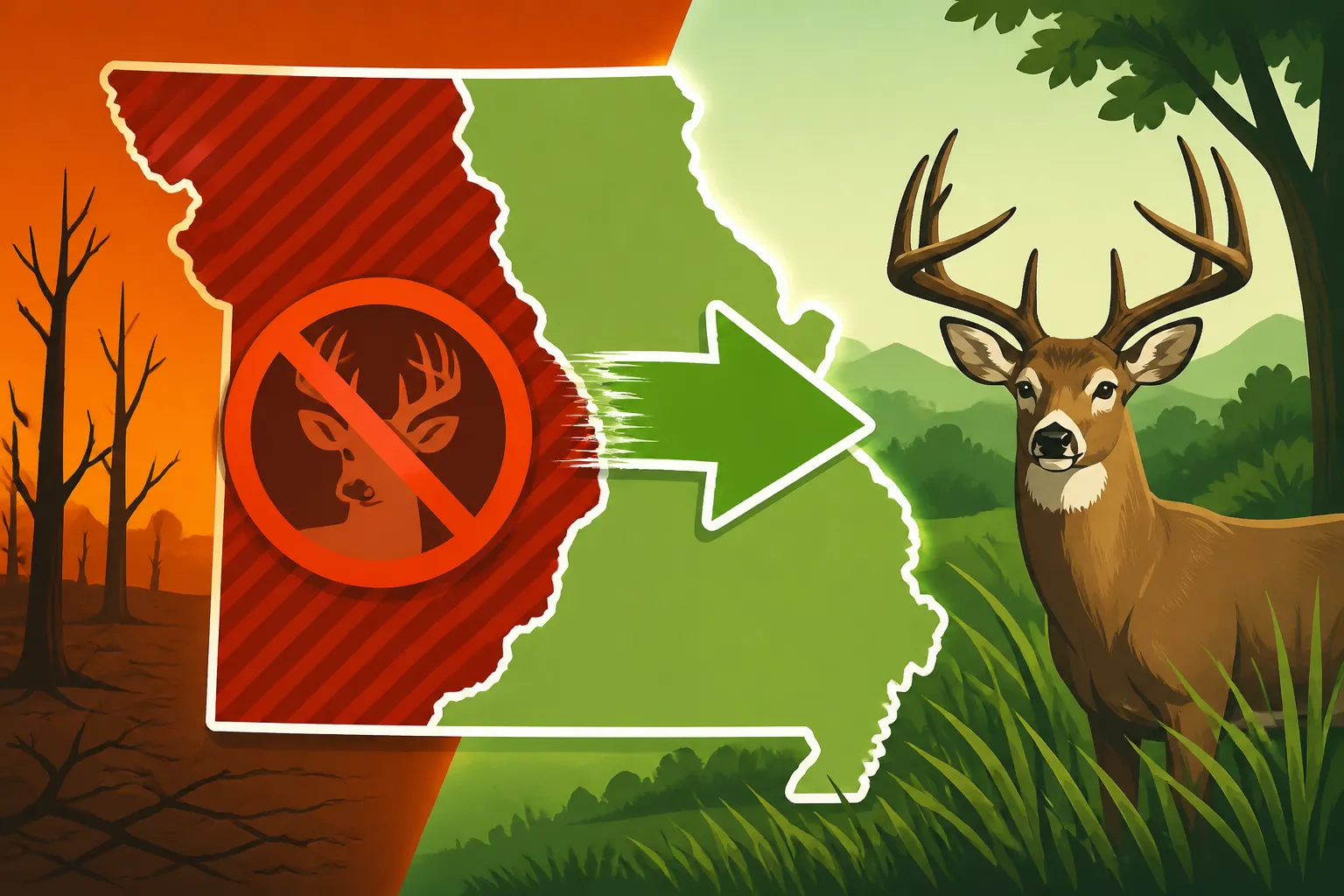
Okay, so that's what was. Now, let's talk about the big news that's been making the rounds: the removal of the CWD Management Zone designation. This isn't just a minor tweak; it's a significant shift in how Missouri approaches CWD management and, more importantly, how it impacts your deer hunting experience. For many, it's a breath of fresh air, simplifying a process that had become overly complicated.
Simplified Deer Hunting Regulations Statewide
The most immediate and impactful change for hunters is the simplification of regulations. With the CWD Management Zone designation removed, many of the county-specific rules that caused so much confusion are now gone. This means that, for most deer hunting activities, the same set of regulations will apply statewide. No more needing to meticulously check if your hunting ground falls within a specific CWD county just to understand if you need to plan for mandatory sampling or carcass restrictions. This move aims to make deer hunting in Missouri more uniform and accessible, reducing the mental burden on hunters who just want to enjoy their time in the woods. It’s a welcome change, especially for those who felt like they needed a law degree to understand all the nuances before purchasing Missouri Deer Permits and How to Buy One.
This simplification affects all hunters, whether you're chasing bucks during Missouri's Eleven-Day November Firearms Deer Season or trying to fill your freezer during the Missouri Early Antlerless Portion Tactics. The goal is to create a more consistent regulatory environment across the board, which should, in theory, lead to fewer unintentional violations and a more straightforward hunting experience for everyone.
Carcass Transport Rules Post-Removal
One of the biggest sighs of relief for many hunters comes with the changes to carcass transport rules. Previously, transporting a whole deer carcass out of a CWD Management Zone county was a big no-no, leading to the necessity of field dressing more thoroughly or finding local processing. With the removal of these zones, the specific CWD-related restrictions on transporting whole deer carcasses between counties within Missouri have largely been lifted.
This means if you harvest a deer in what was formerly a CWD zone, you can now transport that deer whole to your home county or processor, regardless of whether that destination was previously outside a CWD zone. This change is huge for convenience, especially for hunters who travel across the state or prefer to use a trusted processor back home. However, it's absolutely crucial to remember that this applies within Missouri. If you plan to take a deer carcass out of Missouri to another state, you must still comply with the CWD regulations of that destination state, which almost universally restrict the movement of certain high-risk parts. Always check the regulations of any state you plan to transport game into to avoid serious issues.
No More Mandatory Sampling in Former Zones
Perhaps the most talked-about aspect of the CWD zone removal is the end of routine mandatory CWD sampling. For years, hunters in those specific counties during the opening weekend of firearms season knew they had a mandatory stop at a CWD sampling station. That requirement has largely been removed. This means no more mandatory detours, no more waiting in lines, and less stress about getting your deer checked within a specific timeframe. It's a return to a more traditional post-harvest routine for many.
However, it's vital to understand that "no more mandatory sampling in former zones" does not mean "no CWD sampling at all." The MDC's CWD surveillance program is still very active and important. While mandatory sampling at check stations might be gone in these areas, the MDC will continue to conduct targeted mandatory sampling in specific, limited areas where CWD is newly detected or where intensive data is still required. This is about being strategic with resources. So, while you won't generally encounter a mandatory check station in previously designated CWD counties, always stay informed about the specific regulations for the current hunting season, which you can often find through the Missouri Conservation Atlas or GoHunt.
What Remains: Continued CWD Management and Hunter Responsibilities
Even with the removal of the CWD Management Zones, the fight against Chronic Wasting Disease in Missouri is far from over. The MDC has simply shifted its strategy, moving towards a more efficient and targeted approach to surveillance and management. This means hunters still play an incredibly important role in monitoring the disease and ensuring the health of Missouri's deer herd.
Voluntary Testing and Submission Options
While mandatory sampling might be largely a thing of the past for many areas, voluntary CWD testing remains a cornerstone of the MDC's strategy. Hunters are still strongly encouraged to submit their harvested deer for testing, especially if they hunt in or near areas where CWD has been detected. The MDC maintains a network of self-service freezer drop-off locations and often partners with taxidermists and meat processors who can collect samples. This gives hunters a convenient way to get their deer tested without the added pressure of a mandatory check station.
Voluntary testing offers invaluable data that helps the MDC track the prevalence and spread of CWD across the state. It allows them to identify new areas where the disease might be emerging and to focus their management efforts effectively. If you're wondering about the CWD status of deer in your area, or simply want peace of mind, taking advantage of these voluntary testing options is a responsible and highly recommended step. Information on CWD Sampling and Testing for Hunters is readily available.
Here's a quick overview of testing options:
| Testing Type | Description | Hunter Responsibility | Key Benefit |
|---|---|---|---|
| Voluntary | Self-service freezer drop-offs, participating processors/taxidermists. | Hunter initiates and drops off. | Peace of mind, valuable data for MDC. |
| Targeted Mandatory | Occurs in limited, specific areas with new CWD detections or specific research needs. | Required if hunting in designated area/timeframe. | Critical for early detection and focused response. |
| Cooperative | MDC staff collecting samples from taxidermists/processors by arrangement. | None directly; part of normal processing. | Efficient data collection from multiple sources. |
Understanding Remaining CWD Zones and Targeted Surveillance
It's important to clarify that the removal of the CWD Management Zone designation does not mean that CWD is no longer a concern or that all geographic distinctions are gone. Rather, the MDC is moving to a more dynamic, data-driven approach. Instead of broad, fixed CWD Management Zones, the MDC will implement targeted surveillance and management efforts in areas where CWD is detected or where risk factors are high.
This means that while statewide rules are generally simplified, specific counties might still have temporary, localized regulations in place if new CWD positives emerge. These would be narrowly defined areas where the MDC needs to conduct intensive sampling or implement specific harvest strategies. Hunters need to remain vigilant and check the MDC's current regulations each season, especially if they are hunting in areas known to have CWD present, such as where CWD Was First Found in Missouri. Websites and apps like GoHunt are excellent for keeping up-to-date on these kinds of real-time or localized changes. The goal is to be precise with management, rather than applying broad-brush rules that may not be necessary everywhere.
The Role of Hunters in CWD Monitoring and Management
Ultimately, hunters are the front-line defense in CWD monitoring and management. Your participation, whether through voluntary testing or simply reporting sick-looking deer, is invaluable. Every deer harvested provides an opportunity for data collection, and every alert about an abnormal animal helps the MDC respond quickly.
Here’s how you can continue to be a proactive partner:
- Stay Informed: Before each hunting season, review the latest MDC deer regulations. Don't rely on last year's rules, as things can change. This is especially true concerning topics like Missouri Deer Season Portions Explained.
- Report Sick Deer: If you see a deer exhibiting symptoms of CWD (emaciation, drooling, uncoordinated movements, unusual behavior, often referred to as "Zombie Deer"), do not harvest it if you can avoid it. Instead, immediately contact the MDC. This is crucial for Reporting a Sick Animal in Missouri and prevents the meat from entering the food chain if it is indeed CWD positive.
- Voluntary Testing: As mentioned, take advantage of voluntary CWD testing options. It provides peace of mind for you and vital data for the MDC.
- Proper Carcass Disposal: Always dispose of deer carcasses responsibly, preferably by burying them deeply or taking them to a landfill. This minimizes the chance of CWD prions contaminating the environment and potentially infecting other deer. Remember, while carcass transport rules within Missouri are eased, responsible disposal is still key to preventing localized spread.
The removal of the CWD Management Zones simplifies hunting for many, but it doesn't diminish the importance of CWD. It's a call for continued hunter vigilance and cooperation, shifting from a reactive, zone-based approach to a more integrated, statewide surveillance and management strategy. By staying engaged and following best practices, Missouri hunters can continue to contribute significantly to the health and future of our deer herd.
Disclaimer
Please remember that hunting regulations, seasons, and permit requirements can change. While every effort has been made to provide accurate and up-to-date information, it is always your responsibility to consult the current Missouri Department of Conservation (MDC) regulations before engaging in any hunting activities. This guide is for informational purposes only and should not be considered a substitute for official MDC publications or legal advice.