Applying for a Missouri Wetland Managed Hunt
It can feel like hitting the lottery just to get into some of Missouri's most sought-after waterfowl hunting spots. The truth is, managed wetland hunts offer incredible opportunities, but navigating the application process, understanding the draw system, and knowing what to expect can be confusing and frankly, a bit disheartening when you don't draw. This guide is here to demystify the system, walk you through applying for a Missouri wetland managed hunt, and help you strategize for a more successful season.
Understanding Missouri's Managed Wetland Hunt System
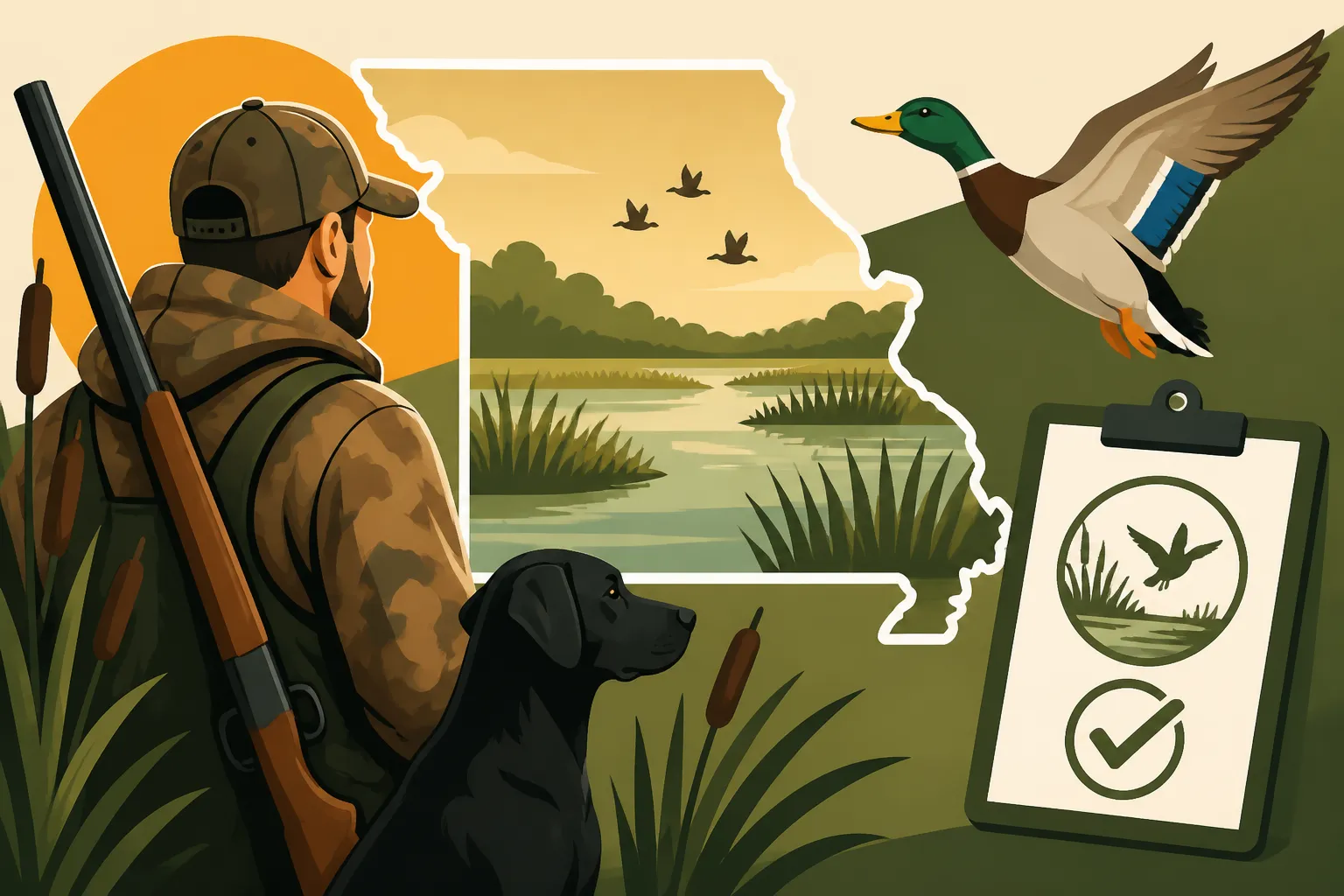
Missouri is a duck hunter's paradise, sitting right in the heart of the Mississippi Flyway. To manage the immense hunting pressure and ensure quality experiences (and sustainable harvests), the Missouri Department of Conservation (MDC) employs a managed hunt system on many of its premier wetland areas. It's not just about showing up; it's about playing by the rules, understanding the draw, and being prepared.
Why Managed Hunts Exist
Imagine showing up to a prime wetland area on opening day, only to find hundreds of other hunters trying to cram into the same spots. It would be chaos, unsafe, and frankly, a terrible hunting experience for everyone involved. That's why managed hunts exist. They're designed to distribute hunters, reduce crowding, and provide a higher quality, safer experience while also protecting the sensitive wetland habitat. The MDC meticulously manages these areas, often planting specific crops like corn and millet, and manipulating water levels to create ideal conditions for migrating waterfowl. This level of management means these areas can be incredibly productive, which is why they're so popular and require a draw system for access. It’s a way to ensure everyone gets a fair shot at these well-maintained hunting grounds.
Types of Managed Wetland Hunts
When you're looking at applying, you'll notice there isn't just one type of managed hunt. The MDC offers several variations, primarily distinguishing between a "draw" system and "walk-in" opportunities, often mixed with an element of preference points. The main managed hunts you'll typically apply for are the quota hunts, where a specific number of parties are allowed to hunt on a given day or period. These can be for specific pools or blinds on a managed area, often requiring you to stay within a designated zone. Some areas might have a separate draw for specific dates, while others might pool all applicants for an entire season. Beyond the draw, many areas also feature daily "refuge line" or "poor line" drawings, which are essentially last-minute opportunities for hunters who didn't draw a reservation or are trying to fill cancellations. These are often described in detail in the specific area brochures, so it's vital to check those for the locations you're interested in. Knowing the difference is key to planning your season and managing your expectations.
The Draw System Explained
The heart of the managed wetland hunt system is the draw. It operates much like a lottery, but with a twist: preference points. Every year you apply for a managed hunt and aren't selected, you typically earn a preference point (though some hunts, like elk, have different systems, for waterfowl it's usually one per year). These points increase your chances in subsequent draws, giving a slight edge to loyal applicants. It's not a guarantee, but it certainly helps. Think of it this way: if you have 5 preference points, and someone else has 0, your application might be weighted more heavily. It's a system designed to reward persistence. However, drawing a hunt also means you'll use your points for that specific area and portion. If you draw, your preference points for that specific hunt go back to zero, and you start accumulating them again for future applications. Understanding the full scope of Missouri's Managed Wetland Draw System is crucial before you dive into the application process.
Step-by-Step Guide to Applying for a Wetland Hunt
Applying for a managed hunt can seem daunting, but once you break it down, it's pretty straightforward. The key is to be organized, know your deadlines, and ensure you have all the necessary permits in place.
Permit Requirements Before You Apply
Before you even think about hitting that "apply" button for a managed hunt, you need to ensure your basic hunting credentials are in order. First and foremost, you'll need a valid Missouri hunting permit. For waterfowl, this typically means the Missouri small game permit if you're a resident, or the appropriate nonresident small game permit. Beyond that, you're required to have a Missouri Migratory Bird Hunting Permit and a Federal Duck Stamp. Don't forget to complete your Harvest Information Program (HIP) registration, which is mandatory for hunting migratory birds in Missouri. These aren't just technicalities; they're legal requirements. If you apply and draw a hunt without these permits squared away, your reservation could be invalid, and you certainly won't be allowed to hunt. It's a good practice to purchase all your necessary permits well in advance of the application period, usually starting in July, to avoid any last-minute snags. You can purchase these permits online through the MDC website, at authorized vendors, or via the MO Hunting app.
Navigating the Application Process
The application process is almost entirely online through the MDC's website. Generally, applications for managed waterfowl hunts open in July and close sometime in August or early September, though these dates can shift slightly each year, so always confirm. When the application window is open, you'll log into your MDC account, find the "Managed Hunts" section, and navigate to the waterfowl options. You'll see a list of available areas and dates. This is where your research comes in handy. You'll typically be able to select a primary choice and a secondary choice for specific areas or dates. It's vital to double-check your selections before submitting. Sometimes, hunters realize too late they've applied for the wrong date or area. Pay attention to the party leader and party member rules if you're applying with friends or family. For many hunts, only one person per party needs to apply, listing the other hunters as party members. Remember, each hunter, including all party members, must have their permits in order. Many hunters find it useful to use a hunting app or platform like GoHunt to keep track of application deadlines, analyze draw odds, and research area information.
Understanding Application Preferences and Points
As mentioned earlier, preference points are a big deal in the Missouri managed hunt system, especially for popular areas. When you apply, you're essentially putting in for a chance to hunt. If you're not drawn, you gain a preference point for that specific hunt type for the next year. These points accumulate, increasing your odds over time. However, if you do draw a hunt, your preference points for that hunt revert to zero. It’s a balancing act: you want to draw, but drawing means sacrificing those accumulated points. This system encourages consistent participation and provides a tangible benefit for those who have been trying for years. For instance, if you've been putting in for Grand Pass Conservation Area for five years without success, you'll have five preference points, making your application for this year much stronger than someone with zero points. It’s why you’ll often hear hunters talking about "burning points" when they finally draw a desirable hunt. It's not always about having the most points, as some draws are entirely random, but for many managed wetland hunts, they certainly give you an edge.
Managed Wetland Hunt Application Overview
| Stage | Key Action | Typical Timeline | Important Considerations |
|---|---|---|---|
| Pre-Application | Secure all necessary hunting permits (Small Game, Migratory Bird, Federal Duck Stamp, HIP Registration). | July 1st – Application Open | Essential for legal hunting; check permit validity dates. |
| Application Window | Log into MDC account, select preferred areas/dates. | Mid-July to Late August/Early September | Double-check selections; understand party leader/member rules. |
| Preference Points | Earn points for unsuccessful applications; points reset upon drawing. | Accumulate annually | Strategy for improving future draw odds, but not a guarantee. |
| Draw Results | Check online for successful draw notifications. | Mid-September | If drawn, print reservation and prepare for hunt; if not, you've earned a preference point. |
| Day-Of Drawing | "Poor Line" or "Refuge Line" drawings for open spots. | Daily before hunting hours | Last-minute opportunities for those without reservations; be early and prepared. |
Maximizing Your Chances and What to Expect
Even with preference points, drawing a managed wetland hunt in Missouri can be tough. The key is to be strategic, patient, and prepared for whatever the draw brings.
Researching Wetland Areas for Success
Not all managed wetland hunts are created equal, and some are significantly harder to draw than others. Popular spots like Duck Creek Conservation Area Hunting, Grand Pass Conservation Area, and Eagle Bluffs Conservation Area often see huge application numbers, meaning high preference points are usually needed for a reasonable chance. Less-pressured areas, or those with more available hunting units, might offer better odds, especially if you have fewer preference points. Before applying, spend time researching specific conservation areas. The MDC website provides detailed brochures for each area, which often include maps, available game species, hunting zones, and specific regulations. These brochures will also outline specific blind or pool availability and what species of waterfowl are typically harvested there. Tools like the Missouri Conservation Atlas or detailed mapping applications such as GoHunt can help you visualize these areas, identify potential entry points, and understand the surrounding habitat. Don't be afraid to look beyond the most famous names; sometimes, a lesser-known spot can provide an incredible experience if you've done your homework.
Dealing with Draw Odds and Bad Numbers
Let's be realistic: the odds are often stacked against you for the most popular managed hunts. It’s easy to get discouraged when you apply year after year and don't draw, or when you show up for a daily "poor line" draw and pull a really high number. This is where patience and persistence become your greatest assets. If you're consistently striking out on the draw, consider applying for less popular dates (like weekdays instead of weekends) or slightly less famous areas. Remember, your preference points are accumulating, so every year you apply, you're improving your long-term chances. For those who don't draw a reservation, the daily "refuge line" or "poor line" drawings are still a viable option. While these can involve long waits and no guarantee of a spot, understanding What Happens at a Wetland Morning Drawing and What to Do With a Bad Draw Number can help you manage expectations and still have a shot at getting out on the water. Many successful hunters utilize these daily drawings, so don't write them off entirely!
Preparing for Your Hunt After a Successful Draw
Congratulations! You've drawn a managed wetland hunt reservation. Now the real preparation begins. First, make sure you print your reservation and keep it readily accessible. Review the specific area's rules and regulations again. Many managed areas have very strict rules regarding hunting hours, access points, setup locations (like specific blinds or staked positions), and required equipment. For example, Nontoxic Shot Rules on Missouri Wetlands are universal and strictly enforced; lead shot is absolutely forbidden. You’ll need to ensure you have suitable waders, decoys, a duck call, and appropriate camouflage for the flooded timber or open water environment. Scout the area if possible, or at least study the maps provided by the MDC intensely, using resources like GoHunt to understand the topography and water features. Talk to other hunters who have experience in that specific area. What worked for them? What challenges did they face? Being well-prepared means not just having your gear ready, but knowing the specific nuances of your drawn location.
Disclaimer
This guide is for informational purposes only and does not constitute legal advice. Hunting regulations, seasons, and permit requirements in Missouri can change annually. Always consult the official Missouri Department of Conservation (MDC) website and current regulations before hunting. It is the hunter's responsibility to know and follow all applicable laws.