What Counts as a Legal Missouri Bull
It's an honest question many hunters grapple with, especially when talking about elk in a state like Missouri where the herd is still re-establishing itself. The regulations surrounding what exactly constitutes a "legal bull" can feel like navigating a complex maze, and getting it wrong carries serious consequences. This guide aims to demystify those rules, providing a clear, comprehensive understanding of Missouri's specific requirements for harvesting an antlered bull elk, ensuring you're prepared and compliant if you're lucky enough to draw a tag.
Understanding Missouri's Elk Hunting Regulations for Legal Bulls
Missouri's elk herd is a conservation success story, but it's a carefully managed resource. Unlike the more common whitetail deer, hunting elk in Missouri is an exclusive opportunity, primarily managed through a limited lottery system. This means that the rules defining a "legal bull" are very precise and strictly enforced to ensure the continued health and growth of the herd. You can't just apply deer regulations to elk; it's a whole different ballgame.
Defining a Legal Elk Bull for Missouri Hunters
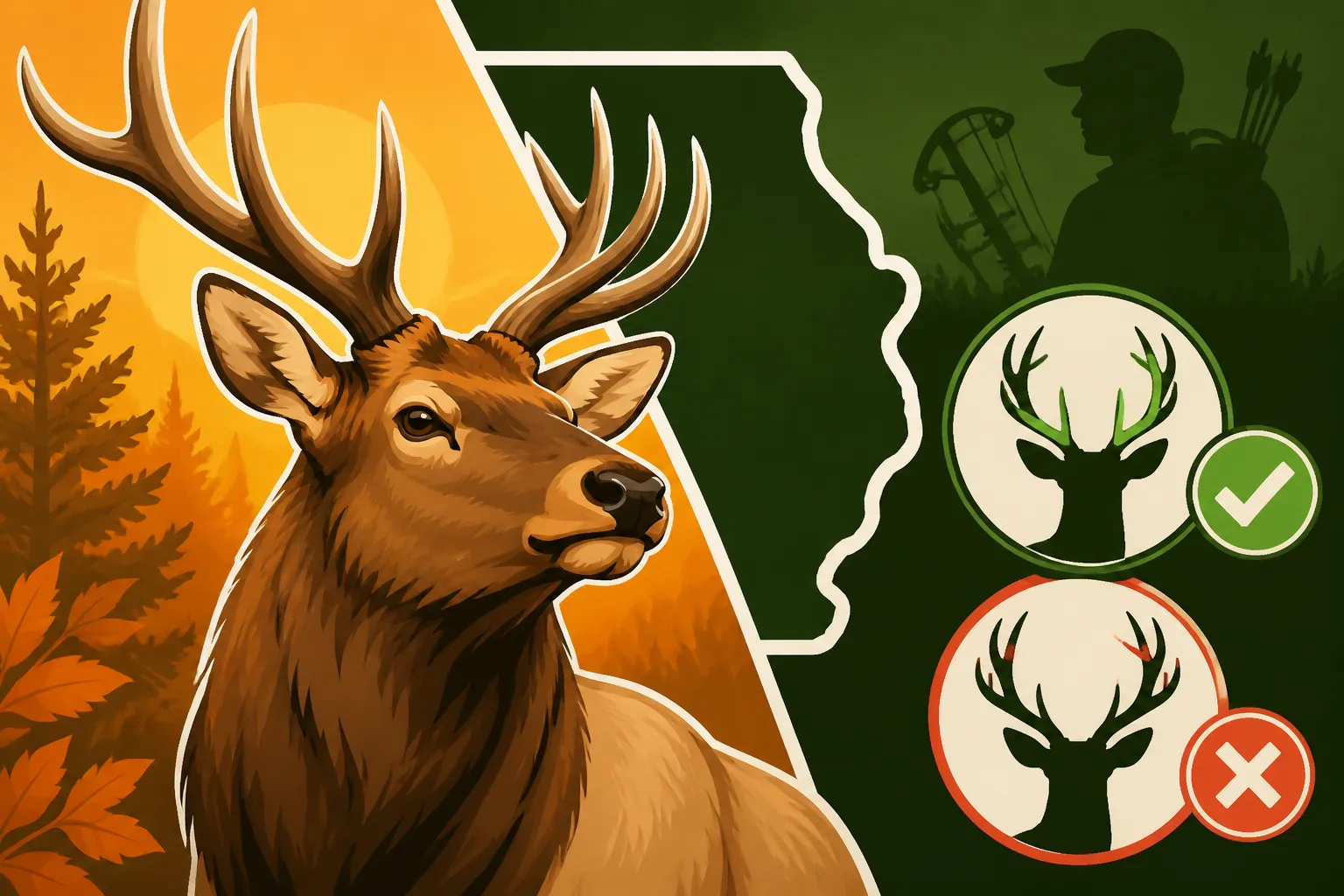
When it comes to Missouri's specific regulations, a "legal bull" elk is defined by its antlers. The Missouri Department of Conservation (MDC) defines a legal bull as any elk with at least one antler having four or more points at least one inch long, or at least one main beam 12 inches or longer. This is critical to remember. It's not just about "any antlered elk" like it might be for a deer in some parts of the state. You need to be able to count those points, or confidently estimate beam length, to ensure your target is legal.
Imagine you're out on the Peck Ranch Conservation Area, and through the timber, you spot a magnificent animal. Your heart is pounding. You raise your binoculars, but the elk is moving through some thick brush. You can clearly see antlers, but can you definitively count four points on one side, or estimate that one main beam is at least 12 inches? This isn't a moment for guesswork. Many hunters use resources like GoHunt to stay updated on these precise definitions across different states, as misjudgment can lead to severe penalties. The point is, don't let elk fever cloud your judgment. Take your time, get a clear view, and confirm the legality of the bull before you even consider raising your rifle.
Distinguishing Elk Regulations from Deer Regulations
One of the biggest areas of potential confusion for Missouri hunters is automatically applying deer hunting knowledge to elk. While both are cervids and share some similar habits, their management strategies and harvest regulations are vastly different. For instance, in recent years, Missouri has seen a significant shift in its deer regulations, including the widespread removal of antler point restrictions (APRs) in many counties, aimed at simplifying rules and allowing for more hunter choice on antlered deer. You can learn more about Why Missouri Dropped Antler Point Restrictions if you’re curious about the logic behind those changes.
However, for elk, there are no such broad allowances. The strict antler criteria for a legal bull elk in Missouri are a direct reflection of the herd's young age and the ongoing effort to build a robust, mature population. These specific rules are designed to protect younger bulls and ensure sufficient breeding stock for future generations. So, while you might be accustomed to deciding if a deer is "antlered" or if it meets specific point counts in a handful of counties, the elk definition is statewide for the designated elk hunting zone and applies to every bull you might encounter during the limited season.
Zone-Specific Considerations for Elk
Missouri's elk herd is primarily located within a specific restoration zone in the southeastern Ozarks. This area includes parts of Carter, Reynolds, and Shannon counties, centered around the Peck Ranch Conservation Area. The elk hunting opportunities are only available within this specific Elk Restoration Zone. You cannot legally harvest an elk outside of these designated counties, even if a wandering animal were to somehow show up in another part of the state.
The definition of a "legal bull" doesn't change based on specific subsections of this zone; it's consistent across the entire permitted hunting area. However, it's vital to know precisely where the boundaries are. The MDC provides detailed maps, and understanding these will be critical if you are one of the fortunate few to draw a tag. The primary goal of having a defined zone is to concentrate management efforts and allow the herd to expand naturally within a suitable habitat. For a deeper dive into the specific areas where elk currently range, check out our guide on Missouri Elk Hunting Counties. The future may see the herd expanding, but for now, hunting is tightly controlled within these specific boundaries to maintain the ecological balance and the herd's recovery.
The Importance of Positive Identification and Ethical Hunting
Drawing an elk tag in Missouri is a once-in-a-lifetime opportunity for most resident hunters. The excitement can be overwhelming, but it absolutely cannot override the crucial responsibility of positive identification. Taking an illegal animal, especially a federally protected species in a restoration program like the Missouri elk, carries severe consequences that extend far beyond a lost permit.
Field Judging Elk Antlers Accurately
Field judging an elk's antlers, particularly under hunting conditions, is a skill that takes practice and discipline. Elk can appear much larger or smaller than they actually are, depending on distance, terrain, and lighting. When you spot an elk, resist the urge to immediately shoulder your rifle. Instead, take a deep breath and use your optics. Quality binoculars are absolutely essential for this. Whether you use 8×42 or 10×42, they provide the magnification needed to count points and assess beam length accurately before making a commitment. For tips on choosing the right glass for the woods, you might find our guide on Optics for Missouri Deer Hunting helpful, as many principles apply universally.
Look for clear angles. Try to get the bull to turn its head or move into an open area where you can clearly see the entirety of both antlers. If one antler clearly meets the "four points at least one inch long" or "main beam 12 inches or longer" requirement, then you have a legal bull. However, if there's any doubt, any obstruction, or if the animal is moving too quickly, you must let it walk. There will be other opportunities, and your integrity as a hunter is paramount. Rushing a shot on an animal that you're not 100% sure is legal is not only unethical but also puts you at risk of serious legal repercussions. This is why tools like the GoHunt app can be useful for planning, as they often have resources that help you visualize or remember antler criteria, though nothing replaces actual field practice.
Penalties for Illegally Taken Elk
Let's not sugarcoat it: harvesting an illegal elk in Missouri is a very serious offense. Because elk are part of a federally funded restoration program and their numbers are still relatively low, violations are met with substantial penalties. These can include significant fines, restitution payments for the value of the animal (which for a bull elk can be thousands of dollars), forfeiture of hunting equipment (like your rifle), and a lengthy or even permanent loss of hunting privileges in Missouri and potentially other states through the Interstate Wildlife Violator Compact.
The Missouri Department of Conservation (MDC) takes wildlife violations very seriously, and the consequences for taking an elk outside of the legal definition are among the most severe. It’s not a simple slap on the wrist. This isn't just about breaking a hunting rule; it's about undermining years of dedicated conservation efforts and public investment in restoring a magnificent species. For a broader understanding of the legal consequences for various hunting violations in Missouri, you can refer to our detailed article on Missouri Wildlife Violation Penalties. Always remember, the privilege of hunting comes with profound responsibilities, and knowing and adhering to the law is the most fundamental of them all.
Permit Acquisition and Hunt Logistics
So, you understand the definition of a legal bull and the importance of positive identification. But how do you even get a chance to hunt one of these majestic animals in Missouri? The truth is, it's incredibly difficult, making it one of the most coveted hunting opportunities in the state.
Missouri Elk Permit Lottery and Application Process
Hunting elk in Missouri is an exclusive affair managed entirely through an annual lottery system. There are no over-the-counter elk permits, and non-residents are not eligible to apply. To even enter the draw, you must be a Missouri resident and at least 11 years old by the opening day of the hunt. The application window is typically in May, with results usually announced in early July.
The application process is handled through the Missouri Department of Conservation (MDC) website. You'll apply for the "Missouri Resident Elk Hunt Permit" and select your preferred hunt unit, though options are limited. This isn't just about submitting an application; it's about being part of a conservation story. If you're serious about this unique opportunity, it's crucial to mark your calendar for the application dates each year. For comprehensive details on the process, including eligibility and fees, be sure to check out our guides on Missouri Elk Permit Lottery Rules and Missouri Elk Application Dates. Understanding these rules is your first step toward potentially hunting a Missouri bull. Furthermore, a detailed breakdown of who can apply for this highly sought-after permit can be found in Who Can Apply for a Missouri Elk Permit.
The Limited Number of Permits and Success Rates
The rarity of a Missouri elk hunt cannot be overstated. The MDC issues an extremely limited number of permits each year, usually between 5 and 10, depending on herd health and management goals. For 2024, for example, five permits were issued, including one for qualifying landowners. With tens of thousands of residents applying annually, the odds of drawing a tag are incredibly slim, often less than 1 in 10,000. This low number is by design, reflecting the careful, measured approach to herd management in its early stages of growth.
This scarcity makes every single permit a truly once-in-a-lifetime opportunity for the lucky few. The small number of permits ensures that the hunt has minimal impact on the growing elk population, allowing the herd to continue its expansion in the Ozarks. While the numbers are low now, the hope is that as the herd continues to grow, more opportunities may become available in the future. For specific figures on annual permit allocations, you can consult How Many Missouri Elk Permits Are Issued.
Hunt Duration and Specific Season Dates for Elk
If you're one of the fortunate few to draw a Missouri elk tag, prepare for a very short, intense hunt. The Missouri elk hunting season is traditionally split into two very brief segments: a firearms portion in mid-October and an archery portion in mid-December. Each of these portions is only a few days long, usually running for 3 to 4 days. This short duration adds to the challenge and excitement, requiring hunters to be highly prepared and efficient during their limited time in the field.
These specific dates are meticulously chosen by the MDC to coincide with periods that balance hunter opportunity with elk biology, typically avoiding the peak breeding season (rut) when elk are most vulnerable, and also considering other hunting seasons happening in the state. Planning your schedule around these exact dates is non-negotiable if you draw a permit. For the precise dates and any annual adjustments, always refer to the official MDC regulations or our up-to-date guide on Missouri Elk Season Dates.
Preparing for Your Missouri Elk Hunt
Even after drawing a permit and understanding all the rules, the real work of preparing for a successful and legal elk hunt begins. Missouri's Ozarks, where the elk reside, are rugged, challenging, and unforgiving.
Scouting and Familiarization with Elk Habitat
Scouting is paramount for any successful hunt, and an elk hunt in Missouri is no exception. The elk herd primarily resides within the Peck Ranch Conservation Area and surrounding public and private lands in the Elk Restoration Zone. This terrain is dense timber, steep ridges, and thick draws – not easy country to navigate, let alone find elk. You won't find herds of hundreds like out West. These are wild, wary animals that are very much still learning how to exist with humans.
Pre-season scouting, either in person or by studying maps and aerial photography, is critical. Look for signs like tracks, droppings, rubs on trees, and wallows. Learn the topography, identify potential bedding and feeding areas, and understand how the elk might move through the landscape. Familiarizing yourself with the specific unit you are drawn for is essential, as general knowledge of the Ozarks isn't enough. Our article on Scouting Missouri Public Land Before Season offers general strategies that can be adapted for the unique challenge of Missouri elk. Many hunters visit the Watching Elk at Peck Ranch viewing area to observe elk prior to the season, which can offer valuable insights into their behavior, movement patterns, and antler characteristics.
Essential Gear for Elk Hunting in Missouri
Hunting elk in the Missouri Ozarks requires gear that can withstand rugged terrain and variable weather. This isn't a casual stroll; it's a demanding physical endeavor.
- Rifle: Most hunters opt for a reliable, accurate rifle chambered in a cartridge suitable for elk, like a .30-06 Springfield, .300 Winchester Magnum, or a .308 Winchester. Shot placement is key, but sufficient knockdown power is important. Ensure your rifle is sighted in accurately at various ranges you might encounter. For more on appropriate firearms, see Rifle Setups for Missouri Timber and Fields.
- Optics: As discussed, high-quality binoculars (8x or 10x) are non-negotiable for field judging. A good rifle scope with low-light capability is also crucial given the timbered environment.
- Boots: Invest in comfortable, waterproof, and supportive hunting boots. You'll be covering a lot of ground on uneven, rocky terrain. Blisters or wet feet can quickly derail your hunt. Our piece on Boots and Packs for Ozark Country emphasizes the importance of durable footwear.
- Clothing: Layering is vital. Missouri weather in October and December can swing wildly from mild to cold, often with rain. Waterproof and windproof outer layers are a must.
- Pack: A good daypack is needed to carry essentials like water, snacks, a first-aid kit, game bags, and emergency gear. If you anticipate needing to pack out meat, consider a pack with a frame that can handle heavy loads.
- Navigation: A reliable GPS unit or a smartphone with mapping apps (like OnX Hunt) is crucial for navigating the sprawling public lands.
- Calling Equipment: While not as common as out West, some hunters may consider carrying an elk call, although success with calling pressured Missouri elk is generally lower.
When preparing your gear, consider durable boots and optics – many successful hunters consult gear reviews found on platforms like GoHunt for reliable options. The key is to be prepared for anything the Ozarks might throw at you.
Missouri Elk vs. Deer: Key Regulatory Differences
To further clarify, here's a table highlighting the significant regulatory differences between hunting a legal antlered deer and a legal bull elk in Missouri. This distinction is paramount for any hunter.
| Feature | Missouri Antlered Deer (General Season) | Missouri Bull Elk (Permitted Hunt) |
|---|---|---|
| Legal Definition | Any deer with at least one antler three inches or longer. | Any elk with at least one antler having four or more points at least one inch long, OR at least one main beam 12 inches or longer. |
| Permit Type | Over-the-counter Resident/Nonresident Firearms/Archery Permits. | Extremely limited Resident-only Lottery Permit. |
| Season Length | Archery: 4 months (split); Firearms: 11 days; Alternative: 9 days. | Firearms: 3-4 days in mid-Oct; Archery: 3-4 days in mid-Dec. |
| Eligibility | Resident & Nonresident hunters. | Missouri Residents only (plus landowner permits). |
| Hunting Zone | Statewide (with some county-specific rules like CWD). | Restricted to the designated Elk Restoration Zone (Carter, Reynolds, Shannon counties). |
| Annual Harvest | ~250,000+ deer annually. | ~5-10 elk annually. |
| CWD Testing | Mandatory in CWD Management Zones (when applicable). | Mandatory for all harvested elk. |
This table clearly illustrates that while both are antlered game, the rules governing their harvest are distinct, reflecting the differing conservation statuses and management goals for each species in Missouri.
Disclaimer
Please note that hunting regulations, season dates, and permit requirements can change. Always consult the most current Missouri Department of Conservation (MDC) regulations before planning any hunting trip. This guide is for informational purposes only and should not be considered a substitute for official MDC resources.