When Missouri’s Goose Seasons Run
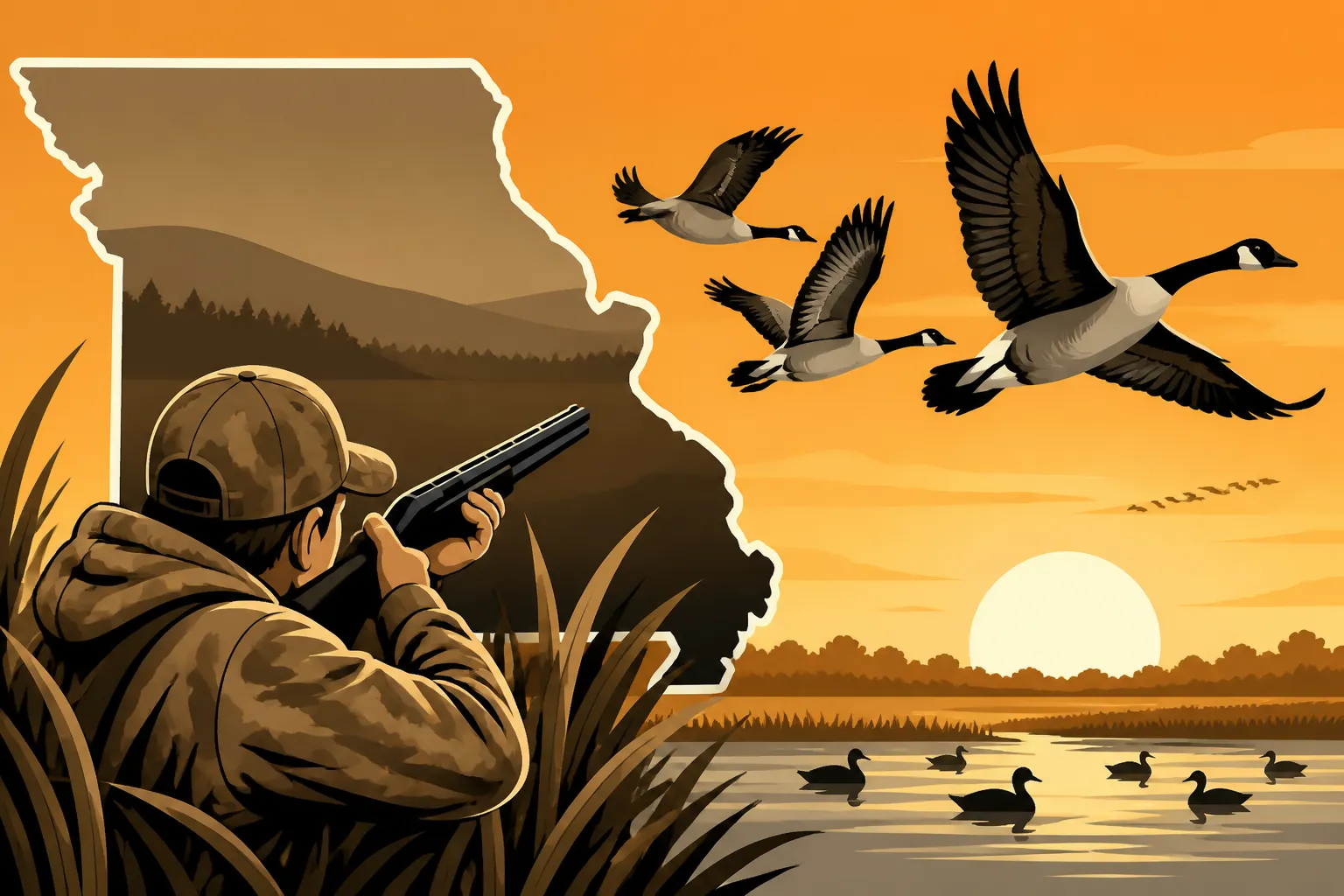
Hunting geese in Missouri can feel like deciphering a secret code sometimes, with different species, overlapping seasons, and specific zones all having their own rules. It’s frustrating when you just want to know when you can actually go chase some honkers or snows! This guide aims to clear up that confusion, offering a comprehensive look at when Missouri’s various goose seasons typically run, helping you plan your hunts with confidence.
Understanding Missouri's Goose Hunting Landscape
Missouri sits squarely in the Mississippi Flyway, a major migratory route that brings a stunning array of waterfowl through the state each fall and winter. This geographical blessing, however, also contributes to the complexity of goose hunting regulations. Unlike a single, straightforward deer season, goose hunting involves multiple species, each with its own population dynamics, migratory habits, and management objectives, which directly influence when and where you can hunt them. It’s a lot to keep straight, and many hunters feel overwhelmed by the sheer volume of information.
Why Goose Seasons Are Complex
The primary reason for this complexity boils down to species-specific management. You have different types of geese—resident Canada geese, migratory Canada geese, snow geese (which include blue geese as a color phase), Ross’s geese, and white-fronted geese (often called specklebellies). Each of these populations is monitored and managed based on its health, breeding success, and overall numbers. For instance, resident Canada geese, those that live in Missouri year-round, often have an earlier, more liberal season to help control their growing numbers, especially around urban areas. Migratory geese, on the other hand, are managed under a federal framework with specific flyway-level quotas and seasons, further broken down by state and sometimes even by specific zones within the state.
This leads to a patchwork of dates. You might have an early season for one species, a regular season split into different zones for another, and then an extended "conservation order" for a third. It’s a lot to juggle, and the Missouri Department of Conservation (MDC) works within federal guidelines to set these dates, trying to balance hunter opportunity with sustainable wildlife populations. The challenge for us hunters is trying to make sense of all these overlapping or sequential periods.
Key Regulatory Bodies and Resources
At the federal level, the U.S. Fish and Wildlife Service (USFWS) sets the broad frameworks for migratory bird hunting, including species-specific bag limits and season lengths for each flyway. States then implement their specific regulations within these federal guidelines. In Missouri, the Missouri Department of Conservation (MDC) is your go-to source for all things hunting, including the precise dates and rules for goose seasons. They publish an annual "Wildlife Code of Missouri" that details all regulations.
For hunters, a common frustration is piecing together all this information. You’ll find general season dates in summary tables, but often need to dig deeper for zone-specific details or special regulations for the Light Goose Conservation Order. Many experienced hunters rely heavily on the MDC website or their annual printed regulation booklets. Tools like the MO Hunting App can also be incredibly helpful, putting critical information right in your pocket. Beyond official sources, online mapping platforms like GoHunt can provide an overlay of conservation areas and public access points, which, while not directly showing season dates, are invaluable for planning where you'll apply those dates.
Detailed Breakdown of Missouri's Goose Seasons
Missouri offers various goose hunting opportunities throughout the fall and winter, each tailored to specific goose populations and management goals. Understanding these distinct seasons is key to maximizing your time in the blind or field. It's not a "one size fits all" scenario, and knowing the nuances can make all the difference.
Early Canada Goose Season
This is often the first opportunity to chase geese in Missouri, typically kicking off in early September. The Early Canada Goose Season is primarily aimed at resident Canada geese—those birds that nest and raise their young right here in Missouri rather than migrating from further north. Their populations have seen significant growth in recent decades, sometimes leading to conflicts with agriculture or urban areas. This early season helps manage their numbers before the main migration brings in a flood of northern birds.
Dates for this early season usually run from September 1st through the 15th, though it's always critical to double-check the MDC regulations annually for any slight adjustments. The bag limit is typically quite generous, often set at five Canada geese per day. This early window provides a fantastic chance to get out, especially for those who enjoy hunting local ponds, smaller fields, or areas where resident geese are known to congregate. The weather can still be warm during this time, so proper game care and hydration are crucial for both hunters and any canine companions. Tactics often involve setting up near feeding fields or loafing ponds these local birds frequent, as they haven't yet faced the same hunting pressure as their migratory cousins will later in the year.
Regular Canada Goose Seasons
Once the early season closes, hunters eagerly await the various regular Canada goose seasons. These seasons are designed to coincide with the major migratory push of Canada geese from their northern breeding grounds down through the Mississippi Flyway. Missouri manages these regular seasons through specific zones, which sometimes overlap with duck zones, adding another layer to the planning process. Typically, Missouri is divided into two primary zones for Canada geese: the East Zone and the West Zone, along with a special Swan Lake Zone that often has unique dates.
Generally, these regular seasons open in early to mid-October and can run, with potential splits, into late January or early February. The bag limit during these regular seasons is usually less liberal than the early season, often set at three Canada geese per day. It’s imperative to consult the Missouri Goose and Snow Goose Seasons in the current MDC regulations to find the exact opening and closing dates for each zone, as they can vary slightly year to year. For example, the East Zone might open a few days earlier than the West Zone, or have a later closing. Hunters often travel between these zones, which means they need to be hyper-aware of the specific dates and limits for the area they are hunting that day. This is also when hunters begin setting larger spreads in cut grain fields, often using layout blinds for concealment, as discussed in Layout Blinds in Harvested Fields.
Snow, Blue, and Ross's Goose Seasons
These species, often grouped as "light geese," are abundant migrants through Missouri. Their seasons are typically much longer and more liberal than Canada goose seasons, reflecting their robust populations and, in the case of snow geese, the need for population control due to their destructive impact on Arctic breeding grounds. The regular season for light geese often opens in early to mid-November and runs continuously into late January or early February.
During this standard season, hunters will still follow typical waterfowl hunting rules, including a plugged shotgun (capacity of three shells) and generally limited bag limits, though still quite generous compared to Canada geese (often 20 snow/blue geese and 10 Ross's geese daily). While they are called "light geese," blue geese are simply a dark-phase color variation of the snow goose and are treated the same for hunting purposes. White-fronted geese, or "specklebellies," have their own separate season and bag limit, typically shorter and more restrictive than light geese. Successfully targeting these birds requires careful scouting and understanding their flight paths, especially when Reading Roost-to-Field Flight Lines.
The Conservation Order (Light Goose Season)
This is perhaps the most unique and extended goose hunting opportunity in Missouri, specifically targeting snow, blue, and Ross's geese. The Light Goose Conservation Order is a special federal action designed to reduce the overpopulation of these geese, which severely damages their Arctic nesting habitats. Because of the urgency of population control, the rules are significantly relaxed.
The Conservation Order typically picks up right after the regular light goose season closes, usually starting in early February and extending well into March or even early April. This gives hunters a fantastic chance to Snow Goose Tactics in Spring. Key differences in the Conservation Order include:
- No Daily Bag Limit: Hunters can take as many light geese as they can during this period.
- Unplugged Shotguns: Shotguns can hold more than three shells.
- Electronic Calls: Electronic calls, which are normally prohibited for migratory birds, are legal during the Conservation Order, making it much easier to attract large flocks.
- Extended Shooting Hours: Shooting hours are often extended from one-half hour before sunrise to one-half hour after sunset.
This season is an absolute blast for hunters looking for high-volume action, though it often involves hunting in colder, sometimes muddy, conditions. Success hinges on finding large concentrations of geese and setting massive decoy spreads, often numbering in the hundreds or even thousands, to mimic a major feeding flock. Field Hunting Geese in North Missouri becomes particularly relevant here, as snow geese often feed voraciously in agricultural fields during their northward migration.
White-fronted Goose Season
White-fronted geese, with their distinct "specklebelly" markings and high-pitched calls, are highly prized by many hunters for their challenging nature and excellent table fare. Their season is typically much shorter than that for light geese or Canada geese, reflecting their smaller populations and more conservative management.
The white-fronted goose season usually runs concurrently with portions of the regular duck and Canada goose seasons, generally from mid-October through late December or early January. The daily bag limit is typically two white-fronted geese. These birds can be incredibly wary, often circling high above decoy spreads before committing. They frequently associate with Canada geese, so hunting setups designed for Canadas can sometimes yield a bonus specklebelly. Always verify the specific dates for white-fronted geese in the annual MDC regulations, as they can sometimes differ slightly from other goose seasons.
Essential Planning and Permitting for Goose Hunters
Navigating the Missouri goose hunting seasons isn't just about knowing when you can hunt; it's also about ensuring you have all your ducks—or rather, geese—in a row when it comes to permits and proper identification. Missing a single stamp or registration can turn a successful hunt into a frustrating legal issue. It's a common oversight for even experienced hunters to forget a small detail amidst all the different requirements.
Required Permits and Stamps
To legally hunt geese in Missouri, you'll need several key documents. First and foremost, you'll need a valid Missouri hunting permit, typically a Small Game Hunting Permit for residents or a Nonresident Small Game Permit for out-of-state hunters. This covers most small game and migratory birds. However, that's just the start.
Anyone hunting migratory waterfowl (ducks, geese, coots, doves, snipe, woodcock, etc.) who is 16 years of age or older must possess a valid Missouri Federal Duck Stamp Requirement. This isn't just a state requirement; it's a federal one, and the funds generated from these stamps go directly towards conserving wetlands and waterfowl habitat across the country. In addition to the federal stamp, you also need to register with the Harvest Information Program (HIP). This is essentially a national survey system, and you'll need to complete the Missouri HIP Registration for Migratory Birds annually, even if you just plan to hunt doves. HIP registration is free and can usually be done when you purchase your state permit or online. Many hunters forget about HIP because it's a quick, free step, but it's absolutely mandatory.
Summary of Key Goose Hunting Permits in Missouri:
| Permit Type | Who Needs It | Typical Cost (Approx.) | Where to Get It |
|---|---|---|---|
| Missouri Small Game Permit | All resident/nonresident hunters | $10-$90 | MDC online, vendors, MO Hunting App |
| Federal Migratory Bird Hunting and Conservation Stamp | Hunters 16+ for all migratory birds | $25 | Post office, MDC vendors, Amplex website (online) |
| Harvest Information Program (HIP) Registration | All migratory bird hunters annually | Free | MDC online, phone, MO Hunting App |
| (Optional) Conservation Order Permit | Specific for Light Goose Conservation Order | Free (sometimes) | MDC online, MO Hunting App (check annual regulations) |
Note: Costs are approximate and subject to change. Always check current MDC regulations.
Staying Informed: Resources and Tools
The best way to avoid permit confusion or being caught off-guard by a season change is to make a habit of checking the official MDC regulations every single year. These regulations are published annually, usually in late summer, and cover all species. You can find them on the MDC website, pick up a printed copy at MDC offices or permit vendors, or access them through the MO Hunting App. This app, in particular, is a game-changer for many, allowing you to quickly check rules, Missouri Deer Permits and How to Buy One, and even Telecheck harvests directly from your phone.
Beyond the official state resources, many serious waterfowl hunters use digital mapping applications like GoHunt or OnX to scout new areas, identify property boundaries, and mark potential roosting or feeding locations. While these tools don't provide the legal framework for seasons and limits, they become invaluable for applying that knowledge on the ground. For instance, knowing the Missouri Duck Zone Boundaries is critical, but GoHunt can help you visualize precisely where those lines fall in relation to your hunting spot.
Strategic Scouting and Season Overlap
Goose hunting isn't just about showing up when the season is open; it's about strategic planning. Geese are highly adaptable and their patterns can shift based on weather, food availability, and hunting pressure. Scouting is paramount, especially as the season progresses. Identifying key feeding fields, loafing areas on larger bodies of water, and roosting sites will dramatically increase your success.
You also need to be mindful of season overlaps. For example, the early Canada goose season often runs concurrently with the beginning of Missouri's Four-Month Archery Season. If you're hunting geese near timber, remember to wear hunter orange if it's required for other open seasons, even if it's not strictly mandatory for waterfowl (though it's always a good idea for visibility). During the peak of the migratory bird season, you might have regular Canada goose, light goose, and even white-fronted goose seasons open simultaneously with duck season. This means you need to be able to identify your target species quickly and accurately to ensure you're within legal bag limits for each. Having a clear understanding of Missouri Duck Season Dates by Zone in addition to goose dates is crucial for any mixed-bag waterfowl hunt.
Disclaimer
Please remember that hunting regulations, including season dates, bag limits, and permit requirements, can change annually. The information provided in this guide is for general informational purposes only and is based on typical Missouri hunting seasons. It is the hunter's responsibility to always consult the most current official Missouri Department of Conservation (MDC) regulations before heading afield.