Missouri Predators and Furbearers
There's a fascinating, often unseen world thriving in Missouri's woods and waters, a cast of characters that many hunters and outdoor enthusiasts only glimpse in passing or through their trail cameras. These predators and furbearers play vital roles in our ecosystems, but they can also present unique challenges and opportunities for those looking to understand and, in some cases, pursue them. This comprehensive guide will delve deep into the lives of Missouri's diverse array of predators and furbearers, from the wily coyote to the industrious beaver, exploring their behaviors, habitats, and the regulations surrounding their management and harvest.
The Dynamic World of Missouri Predators and Furbearers
Missouri is a state rich in biodiversity, and its landscapes, from the northern plains' row crops to the rugged Ozark forests and the vast river bottoms, provide homes for a wide array of wildlife. Among these are the predators and furbearers, a group of species that often inspire both awe and a bit of frustration. They're nature's clean-up crew, population controllers, and sometimes, a significant challenge for livestock owners or homeowners. Understanding them isn't just about curiosity; it's essential for anyone who spends time outdoors, whether hunting deer, fishing, or simply enjoying a hike.
Why Understanding Them Matters
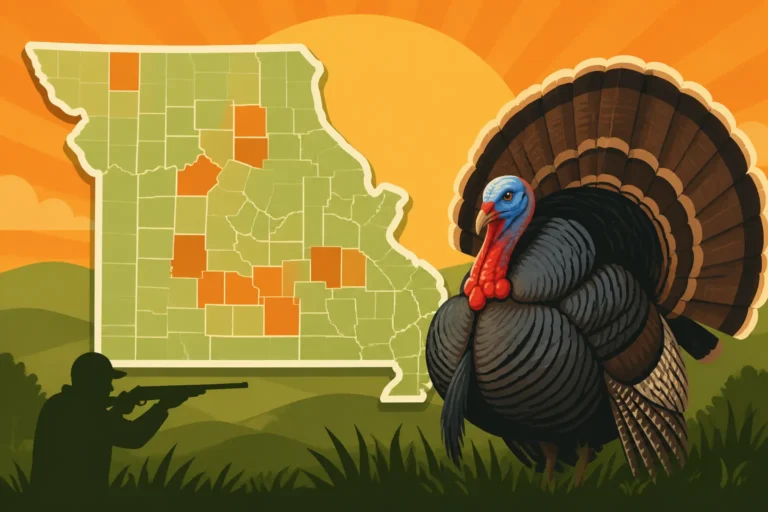
For hunters, understanding these animals is crucial. Coyotes, for instance, can significantly impact deer and turkey populations, especially fawns and poults. Knowing their movements and habits can help you better predict the movements of other game animals. For landowners, predators and furbearers can be a nuisance, causing damage to crops, timber, or even preying on domestic animals. On the flip side, their pelts have historically been a valuable resource, and their pursuit offers a unique and challenging hunting or trapping experience. Beyond human interaction, these species maintain ecological balance, culling weaker animals and preventing overpopulation of certain prey species, which helps maintain overall ecosystem health. They are, in essence, the gears and levers that keep the natural world turning efficiently.
General Regulations and Seasons Overview
Before you even think about heading out to pursue Missouri's predators and furbearers, it's absolutely critical to be familiar with the regulations set forth by the Missouri Department of Conservation (MDC). These aren't just suggestions; they are laws designed to ensure sustainable populations and ethical practices. Generally, many furbearers have specific hunting and trapping seasons, often running through the fall and winter months when their pelts are prime. However, some predators, like coyotes, are often open year-round for hunting, though specific methods might be restricted at certain times or in particular areas.
You’ll need the appropriate permits, which usually means a Small Game Hunting and Trapping Permit for residents, and a Non-Resident Furbearer Permit for those visiting our great state. Don't forget that if you're trapping, you'll need a separate Furbearer Trapping Permit. These permits are your ticket to legally participate, and failing to secure them can lead to hefty fines and loss of privileges. Always check the current MDC Wildlife Code booklet or the MDC website for the most up-to-date information, as regulations can and do change annually. Being prepared means checking the latest rules before every season.
Understanding Missouri's Coyotes: The Opportunistic Hunter
Ah, the coyote. Love them or hate them, they are a quintessential part of the Missouri landscape. These incredibly adaptable canids have truly thrived, expanding their range and population across the state. They're often misunderstood, sometimes unfairly demonized, but undeniably a force to be reckoned with in our wild places. Their presence is felt, whether you're a deer hunter frustrated by fewer fawns, a farmer worried about livestock, or simply someone trying to enjoy the quiet solitude of the woods.
Coyote Behavior and Habitat
Missouri's coyotes, often called "brush wolves" by older generations, are masters of adaptation. They can be found in virtually every corner of the state, from the dense timber of the Ozarks to the open farmlands of North Missouri, and even surprisingly close to urban and suburban areas. Their diet is incredibly varied, reflecting their opportunistic nature. They'll readily consume mice, voles, rabbits, deer fawns, turkeys, insects, fruits, and even carrion. This broad diet is a huge part of why they've been so successful. They are primarily nocturnal or crepuscular (active at dawn and dusk), though it's not uncommon to see them out during the day, especially in less pressured areas or during colder weather when food is scarcer. Their social structure typically involves pairs or small family groups, though larger packs can form when resources are abundant. You'll often hear their distinctive howls and yips at night, a sound that can be both eerie and thrilling, letting you know they are always nearby. Their territories can vary greatly in size depending on food availability, often encompassing several square miles.
Hunting and Calling Strategies for Coyotes
Hunting coyotes in Missouri offers a thrilling challenge, often demanding patience, stealth, and a good understanding of their behavior. One of the most popular and effective methods is calling. This involves using distress calls (rabbit, fawn, bird) or coyote vocalizations (howls, barks) to lure them into shooting range. Many hunters find great success with electronic calls from brands like FoxPro or Lucky Duck, which can replicate a wide range of sounds with impressive realism. When calling, wind direction is paramount; you always want the wind in your face or crosswind to prevent the coyote from scenting you. Set up with good cover, watching downwind avenues of approach. It's often a game of hide and seek, where the coyote uses its incredible senses to try and pinpoint the source of the sound without being seen. Using a solid shooting rest, like a bipod or shooting sticks, can be a game-changer when a coyote suddenly appears at a distance. For those interested in Coyote Calling in Missouri Farm Country, there are specific nuances to consider, such as stand placement along fencerows or timbered draws.
Trapping Coyotes in Missouri
For those looking for a different kind of challenge, or for landowners seeking to manage persistent coyote problems, trapping can be an incredibly effective method. Missouri's regulations allow for various trap types, including foothold traps and snares, with specific requirements for each. Trapping takes a significant investment in time, knowledge, and equipment. You need to understand how coyotes move through the landscape, identify likely travel corridors, and know how to blend your sets into the natural environment to avoid detection. Common sets include dirt hole sets, flat sets, and post sets, all designed to mimic natural attractants or territorial markers. Success often hinges on scent control, proper trap placement, and being diligent in checking your traps daily, as required by law. Trapping is not just about catching an animal; it's about understanding the intricate dance between predator and prey, and it requires a profound respect for the animal and the environment. Many experienced trappers use tools to monitor their trap lines and get real-time alerts for captures, similar to how hunters might use a GoHunt app to track game movement, making the process more efficient. Information on Trapping Furbearers in Winter is particularly useful, as this is when pelts are prime and trapping conditions are often ideal.
Elusive Felines and Canines: Missouri Bobcats and Foxes
Beyond the ubiquitous coyote, Missouri is home to other fascinating canine and feline predators: the secretive bobcat and the clever red and gray foxes. Each presents its own unique hunting and trapping puzzle, offering a rewarding experience for those dedicated enough to pursue them.
The Secretive Bobcat: Identification and Range
The bobcat is Missouri's only native wild cat, a beautiful and incredibly elusive creature. These medium-sized felines get their name from their "bobbed" tail, which is typically short, about four to seven inches long, with a black tip. Their fur ranges from yellowish-brown to reddish-brown with distinctive dark spots or stripes, providing excellent camouflage in their varied habitats. Bobcats are shy and nocturnal or crepuscular, making sightings relatively rare, though they are more common than many people realize. They prefer dense cover—rocky bluffs, thick brush, timbered areas with plenty of undergrowth, and river bottoms. In the Ozarks, they are quite at home in rugged terrain, making them a true phantom of the forest. Their diet consists mainly of rabbits, rodents, and birds, but they are capable of taking larger prey like deer fawns if the opportunity arises. Despite their elusive nature, Bobcat Harvest in Missouri is a testament to the persistent and skilled hunters and trappers who manage to bring one of these magnificent animals home.
Hunting and Trapping Bobcats
Pursuing a bobcat is often considered the pinnacle of predator hunting or trapping for many in Missouri. Their keen senses and cautious nature make them incredibly difficult to fool. For hunters, calling can be effective, much like with coyotes, but often requires more patience and a more subtle approach. Fawn or rabbit distress calls can sometimes draw them in, but success often comes from long, quiet sits near known travel corridors or denning areas. A good thermal optic can be invaluable for Night Hunting Rules for Missouri Predators, especially for identifying a bobcat's faint heat signature in thick cover. Trapping is arguably the most consistent method for harvesting bobcats. Foothold traps set on trails, near scent posts, or at natural funnels can be very productive. Trappers pay close attention to details, using natural lures and visual attractants, and often camouflaging their sets flawlessly. As with coyotes, strict adherence to scent control and regular trap checks are paramount. The number of bobcats in Missouri has been stable or increasing in recent years, making regulated hunting and trapping a sustainable pursuit.
Red and Gray Foxes: Distinctions and Habits
Missouri is home to two species of fox: the red fox and the gray fox. While both are canids, they are quite distinct in appearance and behavior.
Red Foxes: These are the classic, bushy-tailed foxes most people picture. They're typically reddish-orange with white underparts, black "stockings" on their legs, and a characteristic white tip on their tail. Red foxes prefer open woodlands, farmlands, and suburban edges, often thriving in mosaic landscapes that offer a mix of cover and open hunting ground. They are incredibly clever and opportunistic, feeding on rodents, rabbits, birds, insects, and fruits. They are generally crepuscular or nocturnal.
Gray Foxes: Often mistaken for smaller coyotes, gray foxes are grizzled gray with rusty patches on their sides and legs, and a black stripe down the length of their tail, ending in a black tip. The most remarkable feature of the gray fox is its semi-retractable claws, which allow it to climb trees—a unique trait among North American canids. This arboreal ability often helps them escape predators like coyotes or dogs. They prefer denser woodlands and brushy areas than red foxes, making them more common in the Ozark timber. Their diet is similar to red foxes, with a preference for small mammals and fruits.
Both fox species are typically solitary or live in small family groups. Hunting them, especially the red fox, can be similar to coyote hunting, using distress calls. Trapping also works well for both, often using smaller foothold traps than for coyotes, set along field edges, fencerows, or timber breaks where they travel. Understanding their specific habitat preferences is key to successful pursuit. For instance, you might focus your efforts for a gray fox on Reading an Ozark Hollow for Deer Movement, knowing the dense cover and terrain also appeal to this tree-climbing canine.
Missouri's Aquatic Architects: Beavers, Otters, and Muskrats
Missouri's extensive network of rivers, streams, lakes, and wetlands supports a thriving population of semi-aquatic furbearers. These industrious and often playful animals contribute significantly to their watery habitats, sometimes as constructive engineers, other times as challenging nuisances.
Beavers: Engineers of the Waterways
No discussion of Missouri's aquatic furbearers would be complete without talking about the beaver. These large rodents are nature's ultimate engineers, renowned for their ability to fell trees and construct dams and lodges. Beavers were once nearly extirpated from Missouri due to over-trapping in the 19th century, but successful reintroduction efforts have brought them back in force across the state. You'll find them on almost any permanent water source, from large rivers to small creeks and farm ponds. Their dams create wetlands, diversify habitats, and filter water, which can be beneficial for many other species. However, their activities can also cause significant problems for landowners, including flooding timber, cutting down valuable trees, and undermining stream banks. This is where active management often becomes necessary.
Trapping is the primary method for beaver management and harvest. Large body-grip traps (like Conibears) placed in runs or near dam breaks, or foothold traps set on castor mounds or slides, are common and effective. Understanding how to read beaver sign—fresh cuttings, slides, scent mounds—is crucial for successful sets. For landowners dealing with damage, learning about Beaver Damage on Small Streams can provide valuable insights into managing these prolific builders. Trapping season for beavers generally runs from November through March, providing a good window to harvest them when their fur is thickest.
River Otters: Playful Residents and Their Comeback
The river otter is another incredible Missouri conservation success story. Like the beaver, otters were largely wiped out from the state by the early 20th century due to habitat loss and unregulated trapping. Thanks to aggressive reintroduction programs and thoughtful management by the MDC, these playful, charismatic mustelids have made a spectacular comeback. You can now find river otters in nearly every major watershed in Missouri. They thrive in clean, healthy waterways with abundant fish, crayfish, frogs, and other aquatic prey. Otters are often seen frolicking and sliding on muddy banks or snowy slopes, a testament to their energetic and social nature. They're typically active at dawn, dusk, and throughout the night, using dens along riverbanks, often in abandoned beaver lodges or muskrat burrows.
Their presence is a strong indicator of good water quality, making the Missouri River Otter Comeback a source of pride for conservationists. Otters are a protected furbearer with a regulated trapping season, usually from mid-November to January. Trapping methods often involve cage traps or foothold traps set along travel routes on creek banks or at natural funnels in the water. Due to their protected status and successful recovery, harvest quotas are carefully managed by the MDC to ensure the population remains robust.
Muskrats: Small but Significant Marsh Dwellers
Muskrats might be smaller and less flamboyant than beavers or otters, but they are incredibly important components of Missouri's wetland ecosystems. These medium-sized, semi-aquatic rodents are found in nearly all permanent bodies of water across the state, particularly in marshes, ponds, lakes, and slow-moving streams with abundant aquatic vegetation. They get their name from the musky odor produced by glands near their tail, which they use to mark territory. Muskrats construct dome-shaped lodges out of vegetation or dig extensive burrows into banks, often causing erosion problems for pond owners. Their diet consists primarily of aquatic plants, but they will also eat small fish, crayfish, and mussels.
Muskrats are a primary food source for many predators, including mink, raccoons, coyotes, and various raptors, making them a crucial link in the food chain. Trapping muskrats is a common activity, providing both fur and a means of population control where their burrowing activity might be damaging. Small body-grip traps or foothold traps set in their runs, near their lodges, or at feeding platforms are highly effective. Their fur, though not as valuable as historically, is still sought after, and their populations remain healthy due to their rapid reproductive rate.
| Furbearer | Primary Habitat | Main Diet | Trapping Season (Approx.) | Unique Trait |
|---|---|---|---|---|
| Coyote | All habitats | Omnivore | Year-round (hunting) | Highly adaptable |
| Bobcat | Dense cover, Ozark timber | Rabbits, rodents | Nov – Jan | Bobbed tail, climbing ability |
| Red Fox | Open woodlands, farmlands | Rodents, rabbits, fruit | Nov – Jan | White-tipped tail |
| Gray Fox | Dense woodlands, brush | Rodents, fruit | Nov – Jan | Climbs trees |
| Beaver | Permanent water, rivers, streams | Aquatic plants, bark | Nov – Mar | Builds dams and lodges |
| River Otter | Healthy waterways, rivers, lakes | Fish, crayfish | Nov – Jan | Playful, excellent swimmers |
| Muskrat | Marshes, ponds, slow streams | Aquatic vegetation | Nov – Mar | Bank burrower, small lodges |
| Raccoon | Woodlands, urban, rural | Omnivore | Nov – Feb | Dexterous "hands," masked face |
| Opossum | Woodlands, urban, rural | Omnivore | Nov – Feb | Only N. American marsupial |
| Striped Skunk | Open woodlands, grasslands | Omnivore | Nov – Feb | Iconic black and white pattern |
| Mink | Near water, streams, marshes | Rodents, fish, frogs | Nov – Jan | Long, slender body; semi-aquatic |
| Weasels | Dense cover, fields, woodlands | Rodents, small birds | Nov – Jan | Very long body, quick hunter |
Note: Always verify current season dates and regulations with the Missouri Department of Conservation before hunting or trapping.
Nocturnal Neighbors: Raccoons, Opossums, and Skunks
Many of Missouri's furbearers operate primarily under the cloak of darkness, making them elusive for casual observation but frequently encountered by those who are out in the woods or even their backyards after sunset. Raccoons, opossums, and skunks are common fixtures, each with their own unique behaviors and characteristics.
Raccoons: Intelligent and Adaptable
Raccoons are arguably one of Missouri's most recognizable and successful nocturnal mammals. With their distinctive black mask and ringed tail, they are found throughout the state, from the deepest woods to the busiest urban centers. Their intelligence, dexterity (those "hands" are incredibly agile!), and incredibly adaptable diet allow them to thrive almost anywhere. Raccoons are omnivores, eating everything from crayfish and frogs to corn, berries, nuts, insects, and even garbage. They den in hollow trees, rock crevices, abandoned burrows, and even attics or culverts. Their affinity for water means you'll often find them along stream banks, river bottoms, and near ponds.
For hunters and trappers, raccoons are a popular target. Running Hounds in Missouri for raccoons is a deep-rooted tradition, offering an exciting night chase as dogs tree these clever creatures. Trapping raccoons is also widely practiced, using cage traps, foothold traps, or body-grip traps near water, along trails, or at culverts. Their curiosity and love for sweets make baiting quite effective. While their fur market has seen fluctuations, coon hunting and trapping remain popular for sport and recreation. Just be prepared; these guys are feisty when cornered!
Opossums: North America's Only Marsupial
The Virginia opossum holds a special distinction as North America's only native marsupial, carrying its young in a pouch much like kangaroos or koalas. These unassuming creatures are found statewide in Missouri and are incredibly adaptable to various habitats, though they prefer woodlands near water. They are known for their distinctive gray fur, naked prehensile tail, and pointed snout. Opossums are true omnivores and scavengers, eating just about anything—insects, fruits, carrion, eggs, small birds, and rodents. They play a vital role in cleaning up the environment.
Opossums are perhaps best known for their unique defense mechanism: "playing 'possum." When threatened, they'll fall over, go limp, slow their breathing, and even emit a foul odor, appearing dead. This involuntary response often deters predators. They are mostly nocturnal and solitary. While not a primary target for fur in the way a bobcat or mink might be, opossums are often incidentally caught by trappers targeting other furbearers. Hunting them, often with hounds, is also part of the Missouri Fall Turkey and Small Game Permits season, typically alongside raccoons. They are a resilient and fascinating part of Missouri's wildlife tapestry.
Skunks: Masters of Scent Defense
Missouri is home to two species of skunks: the widespread striped skunk and the less common, highly secretive spotted skunk. Both are famous for their potent defensive spray, a sulfurous compound that can cause temporary blindness and an utterly unforgettable odor.
Striped Skunks: These are the skunks everyone recognizes, with their glossy black fur and prominent white stripes running down their backs and tails. They are found across Missouri in a variety of habitats, including woodlands, grasslands, and even urban areas. Striped skunks are omnivores, with a diet heavily reliant on insects (especially grasshoppers and grubs), rodents, eggs, and fruits. They are primarily nocturnal and solitary, often denning in abandoned burrows, hollow logs, or under buildings. While usually docile, they will give warning signals (foot stomping, tail raising) before deploying their spray.
Spotted Skunks: Much smaller and more agile than their striped cousins, spotted skunks have a pattern of broken white stripes and spots on a black background. They are far more elusive and are most often found in the Ozarks and parts of western Missouri, preferring denser, brushier habitats. They are also known for a unique handstand display before spraying, which is quite a sight if you're lucky (or unlucky!) enough to witness it. Their diet is similar to striped skunks, with a higher preference for insects. The spotted skunk population is considered stable but can be harder to find.
Neither skunk species is widely pursued for fur due to market demand, but they are often caught by trappers targeting other furbearers or in nuisance wildlife situations. Their defensive spray makes them challenging to handle, but they are an integral part of Missouri's nocturnal ecosystem.
The Smaller, Slinkier Furbearers: Mink and Weasels
While perhaps not as well-known as their larger cousins, Missouri's mink and weasels are fierce, efficient predators that play critical roles in their respective ecosystems. These slender, agile members of the mustelid family are often overlooked but are significant furbearers for dedicated trappers.
Mink: Solitary Stream Stalkers
The mink is a semi-aquatic member of the weasel family, often described as a smaller, more streamlined otter. They are found throughout Missouri wherever there's water—streams, rivers, lakes, and marshes. Mink have sleek, dark brown fur, often with a white patch on their chin or chest, and a long, bushy tail. They are incredibly agile both in and out of the water, making them formidable predators. Their diet consists primarily of muskrats, small mammals like mice and voles, birds, frogs, and fish. They are solitary and territorial, establishing dens in abandoned burrows, hollow logs, or rock crevices near water.
Mink are primarily nocturnal hunters, though they can be active during the day. Their relentless pursuit of prey is a testament to their predatory prowess. For trappers, mink are a prized furbearer, and their pelts can fetch a good price. They are often caught using small body-grip traps (like #110 Conibears) or foothold traps placed in natural funnels along streambanks, at den entrances, or in cubby sets baited with fish or meat. Trapping mink requires a keen eye for sign and an understanding of their travel patterns along waterways. The Trapping Furbearers in Winter period is prime for mink, as their fur is at its thickest and most valuable.
Weasels: Fierce Hunters of Small Prey
Missouri is home to two species of weasels: the long-tailed weasel and the less common, smallest North American carnivore, the least weasel. Both are characterized by their incredibly long, slender bodies, short legs, and lightning-fast movements.
Long-tailed Weasel: This is the most common weasel species in Missouri. They have brown fur on their back and a yellowish-white belly, with a long tail tipped in black. In northern climates, some long-tailed weasels turn white in winter, but this is rare in Missouri's milder winters. They are found in a wide variety of habitats, including open woodlands, brushy fields, and near farm buildings. They are voracious predators, constantly hunting rodents, shrews, rabbits, and small birds, often dispatching prey much larger than themselves with a swift bite to the back of the neck.
Least Weasel: The smallest carnivore in North America, the least weasel is tiny, with a short tail that lacks a black tip. Like the long-tailed weasel, they are brown on top and white underneath, though some may turn completely white in winter. They are less common and more secretive than long-tailed weasels, preferring dense cover in fields, meadows, and woodlands. Their diet consists almost exclusively of mice and voles.
Both weasel species are active day and night. While not typically targeted specifically for fur due to their small size, they are often caught incidentally by trappers setting for mink or muskrats, particularly in smaller sets or cubby boxes. Their sheer predatory efficiency makes them a critical component in controlling rodent populations, highlighting the intricate balance within Missouri's ecosystems.
Special Considerations: Black Bears, Mountain Lions, and Feral Hogs
While coyotes, bobcats, and furbearers are regularly managed through hunting and trapping seasons, Missouri also hosts a few species that require special consideration. These include our slowly returning black bear population, the rare and elusive mountain lion, and the destructive menace of feral hogs.
Missouri's Returning Black Bears
Missouri is witnessing a fascinating wildlife comeback story with its black bear population. Historically, black bears were native to the state but were largely extirpated by the early 20th century due to habitat loss and unregulated hunting. However, bears from expanding populations in Arkansas have naturally dispersed northward into the heavily forested Ozarks of southern Missouri. The MDC estimates that Missouri Black Bear Numbers have grown steadily over the past few decades, with an estimated population now in the hundreds, primarily concentrated in the southwestern and south-central Ozarks.
These aren't animals to be pursued. Black bears are a protected species in Missouri, and there is currently no hunting season. The MDC actively monitors the population, conducting research to understand their range, habits, and overall health. While encounters are still rare, it's increasingly important for anyone recreating in the Ozarks to be bear-aware: properly storing food, carrying bear spray, and knowing how to react if you encounter a bear. This natural recolonization is a remarkable example of nature's resilience, and the MDC's conservation efforts are focused on ensuring a healthy, sustainable bear population for the future. You can use tools like GoHunt to stay updated on wildlife news and sightings, helping to keep both humans and animals safe.
Rare Encounters: Mountain Lions
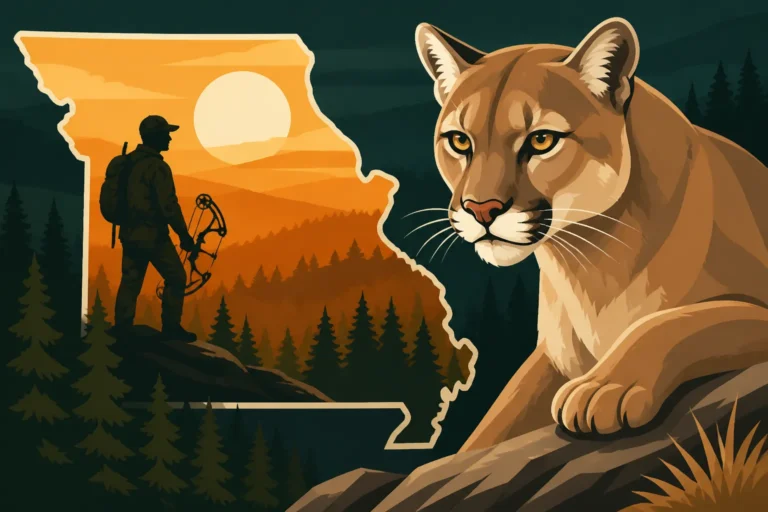
The topic of mountain lions in Missouri often sparks debate and fascination. While mountain lions were historically native to the state, they were extirpated by the early 1900s. Today, there is no evidence of a breeding population in Missouri. However, individual mountain lions do occasionally pass through the state, typically young males dispersing from established populations in western states like Nebraska, Kansas, or Colorado. These Missouri Mountain Lion Sightings are rare and are usually confirmed through trail camera photos, DNA evidence, or tracks.
Like black bears, mountain lions are a protected species in Missouri, and there is no hunting season. Any sightings should be reported to the MDC. While the chances of encountering one are incredibly slim, knowing they exist as transient visitors adds another layer of wildness to Missouri's backcountry. The MDC views these transient individuals as part of a natural dispersal process and emphasizes their protected status.
The Problem of Feral Hogs
Perhaps one of the most destructive invasive species in Missouri is the feral hog. These animals are not native and are a serious threat to Missouri's ecosystems, agriculture, and native wildlife. Feral hogs reproduce rapidly, destroy crops, root up forests and wetlands, spread diseases, and compete with native wildlife for food. The MDC has an aggressive eradication program in place for Missouri Feral Hog Elimination, and unlike other predators and furbearers, they do not allow recreational hunting of feral hogs on public land, and strongly discourage it on private land due to its counterproductive nature.
Here's why: recreational hunting of feral hogs often disperses hog sounders (groups), making them harder to eradicate. It also tends to attract "hog hunters" from out of state, inadvertently increasing the problem. The MDC's strategy relies on professional trapping and targeted removal. If you see feral hogs or signs of them, especially on public land, report it immediately to the MDC. If you're a private landowner with a hog problem, the MDC offers assistance with trapping and removal. These animals are a genuine ecological crisis, and their eradication is critical for the health of Missouri's natural resources.
Responsible Pursuit: Permits, Seasons, and Methods
Engaging with Missouri's predators and furbearers, whether through hunting or trapping, is a privilege that comes with significant responsibility. Adhering to regulations, understanding ethical considerations, and supporting conservation efforts are paramount to ensuring these populations remain healthy for generations to come.
Navigating Permits and Seasons
Before you even step foot in the field, make sure you have the correct permits. For most furbearer hunting and trapping, residents will need a Small Game Hunting and Trapping Permit. If you're coming from out of state, a Non-Resident Furbearer Permit is typically required. Remember, specific trapping permits are often necessary in addition to hunting permits. These aren't just bureaucratic hurdles; they fund vital conservation programs that directly benefit the wildlife you're pursuing. Always consult the current MDC Wildlife Code for specific season dates, bag limits, and any county-specific regulations. These details can change year to year, and it's your responsibility as a hunter or trapper to stay informed. For comprehensive information on how to acquire your permits, check out Missouri Deer Permits and How to Buy One, as the process is similar for small game and furbearer permits.
Legal Hunting and Trapping Methods
Missouri permits various methods for taking furbearers and predators, each with its own set of rules. For hunting, firearms (rifles, shotguns, handguns) and archery equipment are generally allowed during daylight hours. Electronic calls are highly effective for drawing in coyotes and bobcats, as discussed in Coyote Calling in Missouri Farm Country. For those interested in Night Hunting Rules for Missouri Predators, specific restrictions apply to artificial lights and thermal/night vision devices, so know before you go.
Trapping is a highly regulated activity. Missouri allows the use of foothold traps, box traps, cage traps, and snares, but each type has specific size, setback, and identification requirements. For example, traps must be tagged with your full name and address or conservation ID number. Body-grip traps (like Conibears) have size limitations and often require placement fully submerged in water or in certain cubby sets to reduce non-target catches. Snares also have specific break-away devices and loop size restrictions. The intent of these regulations is to ensure humane trapping practices and minimize incidental take of non-target species. You'll find extensive details on these nuances in resources like Trapping Furbearers in Winter and Trapping and Furbearer Permit Basics.
Ethical Considerations and Conservation
Responsible hunting and trapping go far beyond simply following the law. It’s about a deep respect for the animals and the environment. This means practicing humane dispatch methods, using appropriate calibers and trap sizes, and ensuring your sets are checked regularly. It also means being mindful of public perception and representing the hunting and trapping communities in a positive light.
Conservation is at the heart of furbearer management. The regulated harvest of these animals helps maintain healthy populations by balancing numbers with available habitat and prey. Trappers and hunters contribute valuable data to the MDC through harvest reports, which helps biologists monitor populations and set future regulations. Avoiding waste, utilizing the fur, and respecting private property are all part of the ethical pursuit. For unique species or those facing conservation challenges, like the Protected Species Hunters Should Know, it's critical to be able to identify them and avoid any accidental take. Ultimately, our actions today determine the future of Missouri's incredible wildlife heritage.
Disclaimer
The information provided in this guide is intended for general informational purposes only and is not a substitute for the official regulations and guidelines issued by the Missouri Department of Conservation (MDC). Regulations regarding hunting, trapping, seasons, and permits can change. Always consult the most current MDC Wildlife Code booklet or their official website before engaging in any hunting or trapping activities. Adherence to all local, state, and federal laws is the responsibility of the individual.