Missouri’s Elk Reintroduction From Kentucky
For many years, the idea of wild elk roaming Missouri's hills felt like a distant dream, a ghost from a bygone era that most of us never thought we'd see in our lifetimes. It was a common frustration among hunters and conservationists alike that such magnificent creatures, once native to the Show-Me State, were simply gone. But thanks to a monumental conservation effort, that dream has become a breathtaking reality. This guide is here to walk you through the incredible journey of how Missouri brought its elk herd back from the brink of extinction, detailing the challenges, the triumphs, and what the future holds for these majestic animals.
The Historical Context of Missouri's Elk
It’s easy to forget that before European settlement, Missouri was home to a thriving population of elk. These weren't just a few stragglers; vast herds once roamed the landscape, shaping ecosystems and playing a crucial role in the lives of the indigenous peoples who called this land home.
A Landscape Once Roamed by Giants
Imagine stepping back in time, hundreds of years ago, into what would become the Missouri Ozarks. You wouldn't just hear the rustle of deer or the gobble of turkeys; you'd hear the unmistakable bugle of a bull elk echoing through the timbered hollows and across open glades. These magnificent animals, the Eastern elk subspecies (though some debate lingers on exact subspecies identification), were an integral part of Missouri's natural heritage. They were a keystone species, their grazing habits influencing vegetation, and their presence supporting a complex food web. Native American tribes, like the Osage, depended on elk for sustenance, clothing, and tools, holding them in high regard both spiritually and practically. Their stories and artifacts speak volumes about the prevalence and importance of these animals across the state, from the northern prairies to the rugged southern hills.
Why Elk Disappeared from the Show-Me State
Unfortunately, the story of elk in Missouri took a tragic turn with the arrival of European settlers. A combination of factors led to their complete disappearance, a fate shared by many large game animals across the continent. Market hunting, driven by demand for meat, hides, and antlers, decimated populations with reckless abandon. Hunters could literally fill wagons with elk carcasses for sale, with little thought for sustainability. This relentless pressure, coupled with massive habitat destruction, sealed their fate. As Missouri was settled, vast tracts of forest were cleared for agriculture, timber, and towns. The remaining fragmented habitats simply couldn't support large, migratory animals like elk. By the late 1800s, wild elk were completely extirpated from Missouri, leaving behind only historical records and the longing for their return. It was a stark reminder of humanity's impact on the wild.
Bringing Back the Bugle: The Reintroduction Effort
For over a century, the idea of elk in Missouri was a fantasy. But through the dedicated efforts of conservationists and public support, that fantasy slowly but surely became a reality.
The Vision and the Planning Process
The dream of reintroducing elk began to take serious shape in the early 2000s, driven by the Missouri Department of Conservation (MDC) and passionate private citizens. It wasn't a spur-of-the-moment decision; it was a carefully calculated, multi-year process involving extensive research, biological assessments, public meetings, and political navigation. The MDC studied historical ranges, evaluated potential habitats, and assessed public sentiment. They focused on finding a location that could offer the vast, contiguous habitat elk need, with a mix of forest, glades, and water sources, while also minimizing potential conflicts with agricultural operations. After much deliberation, the Peck Ranch Conservation Area in southeast Missouri, nestled within portions of Carter, Shannon, and Reynolds counties, was identified as the ideal primary restoration zone. This rugged, sparsely populated region offered the best chance for the elk to thrive and establish a self-sustaining herd.
Kentucky's Crucial Role in Missouri's Elk Return
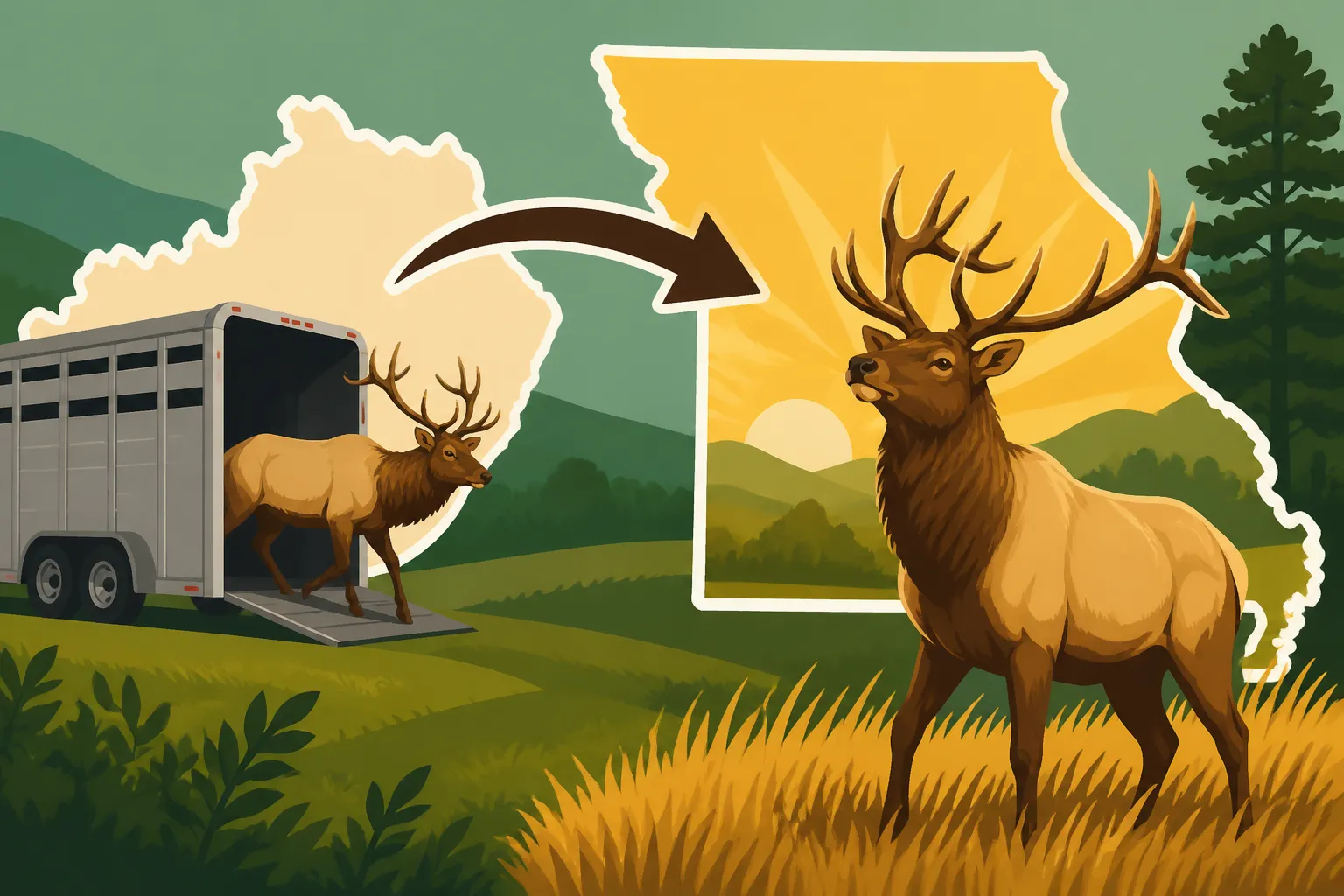
Once the decision was made to reintroduce, the next critical step was finding a source for healthy, wild elk. This is where a fantastic partnership with the Kentucky Department of Fish and Wildlife Resources came into play. Kentucky had successfully reintroduced elk decades earlier, building one of the most robust and thriving herds in the eastern United States. They understood the process, the challenges, and the rewards. The partnership involved trapping wild elk in Kentucky and carefully transporting them across state lines to Missouri. This was no small feat! Imagine the logistics: specialized trailers, veterinary oversight, careful handling to minimize stress, and precise timing.
The first group of 34 elk, comprised of cows and calves, made the journey in December 2011, followed by more releases in subsequent years, totaling 108 elk from 2011 to 2013. These animals were released directly onto Peck Ranch Conservation Area. The goal was to establish a breeding nucleus from which the herd could expand naturally. This collaborative effort between states showcased the power of shared conservation goals and gave us all hope that the bugle would truly return to Missouri. To learn more about the initial populations and where these animals originally came from, you can check out the post on Where the Missouri Elk Came From.
The Elk Herd's Growth and Challenges
Bringing elk back was a massive undertaking, but that was just the beginning. The real work involved ensuring their survival and growth in their new (old) home.
Monitoring and Early Successes
From the moment the elk stepped hoof onto Missouri soil, the MDC began an intensive monitoring program. Every reintroduced elk was fitted with a GPS collar, allowing biologists to track their movements, observe herd dynamics, and understand their habitat use. This data was invaluable in assessing the success of the reintroduction. Early reports were incredibly promising: calving rates were good, and the cows were adapting well to their new surroundings. The initial excitement among conservationists, local communities, and the public was palpable. The sight of these magnificent creatures roaming wild again stirred something deep within people, a connection to a wilder past. Seeing the herd grow provided a clear indication of How the Missouri Elk Herd Has Grown year after year, exceeding initial expectations in many ways. Hunters and outdoor enthusiasts alike started using tools like GoHunt to track news, application periods, and even historical draw odds for potential future hunting opportunities, keeping a close eye on the herd's progress.
Obstacles and Adaptations
Of course, no reintroduction is without its hurdles. The elk faced various challenges as they settled in. Chronic Wasting Disease (CWD) is a constant concern for deer and elk populations, and strict protocols were implemented to prevent its introduction and spread within the new herd. While Missouri has ongoing CWD issues with its deer herd, the elk herd has remained healthy. Vehicle collisions, while infrequent due to the remote nature of the core zone, remain a risk as elk can wander. Adapting to the specific challenges of the Ozark habitat, from managing parasites to navigating varying food sources, was also a test for the new arrivals. Additionally, as the herd expanded, so did the potential for minor conflicts with private landowners, particularly regarding crop damage or fence issues. MDC actively works with landowners to mitigate these concerns, understanding that community support is vital for the long-term success of the elk program.
Where Missouri's Elk Range Today
If you're dreaming of seeing a wild elk in Missouri, knowing their current range is key. It's not just anywhere in the state; they have a core area they call home.
The Primary Restoration Zone and Beyond
Today, the vast majority of Missouri's elk herd can be found within the core elk restoration zone, primarily centered around the Peck Ranch Conservation Area. This rugged landscape, covering parts of Carter, Shannon, and Reynolds counties, provides the ideal mix of dense timber, open glades, and river bottoms that elk thrive in. The area is characterized by the rolling hills and deep hollows of the Ozark Highlands, offering diverse forage and ample cover. You can find detailed maps and information about specific areas by consulting the Missouri Conservation Atlas, which is an invaluable resource for understanding public land access and species distribution.
If you're interested in an immersive experience, places like Watching Elk at Peck Ranch are specifically managed to offer viewing opportunities while minimizing disturbance to the herd. This focused range allows MDC to manage the population effectively and ensures the elk have the best chance to establish a robust, self-sustaining presence. While the herd is concentrated in this zone, some elk, particularly young bulls, have been known to disperse and roam further afield, seeking new territories.
Elk Sightings Outside the Core Area
While the main elk population is well-established within the designated restoration zone, it's not uncommon to hear reports of elk sightings in adjacent counties or even occasionally further out. These are typically individual animals, often young bulls, venturing out from the core herd in search of new habitat or mates. For example, a bull might be sighted in Texas, Dent, or even Ripley County. It's important to understand that while exciting, these sightings outside the core range do not indicate established breeding populations in those areas. The primary breeding and calving activities remain firmly within the restoration zone. These wandering elk serve as a testament to the herd's health and natural dispersal instincts, but the core group for Missouri's Elk Reintroduction From Kentucky remains anchored in the Ozarks. It’s a thrill to see them, but always remember to give them plenty of space and respect their wild nature.
The Future of Missouri's Elk
The successful reintroduction is a huge achievement, but the work of conservation is never truly finished. The future of Missouri's elk herd continues to be a story in the making.
Continued Management and Conservation Goals
The MDC's commitment to the elk herd is long-term. Ongoing management efforts focus on maintaining herd health, monitoring population growth, and managing habitat to ensure it can support a thriving elk population. This includes prescribed burns to enhance glade habitat, timber stand improvements, and managing food plots. Biologists continue to collect data on herd dynamics, genetics, and disease prevalence. The long-term goal is to allow the herd to grow to a sustainable population that can withstand environmental fluctuations and maintain genetic diversity. These efforts ensure that the initial success isn't just a fleeting moment but a lasting legacy for Missouri's wildlife.
The Potential for Missouri Elk Hunting
One of the most exciting prospects for many Missouri hunters is the eventual opportunity to hunt wild elk in their home state. Once the herd reached specific population benchmarks (currently around 200 animals for a hunt to be considered), the MDC planned for a very limited, highly regulated hunting season. This isn't about population control as much as it is about offering a unique hunting experience and generating revenue for ongoing elk management.
The first modern elk hunt in Missouri took place in 2020. It's an incredibly rare opportunity, managed through Missouri's Resident-Only Elk Lottery system. Hunters apply, and a very small number of permits are drawn each year, usually just a handful. The hunt takes place in specific Missouri Elk Hunting Counties within the core restoration zone, ensuring minimal impact on the overall herd. If you're hoping to draw one of these coveted tags, you'll want to stay up-to-date on Missouri Elk Application Dates and understand the Missouri Elk Permit Lottery Rules. Platforms like GoHunt can be excellent resources for tracking application periods, historical draw odds, and permit information, helping hopeful hunters navigate the process. It's a testament to incredible conservation success that future generations of Missourians will have the chance to pursue these magnificent animals once again.
| Milestone/Aspect | Before Reintroduction (Pre-1900s) | Post-Reintroduction (2011-Present) |
|---|---|---|
| Status in MO | Native, Widespread | Extirpated (by late 1800s) |
| Reintroduction Source | N/A | Kentucky (2011-2013) |
| Primary Release Site | N/A | Peck Ranch Conservation Area |
| Current Herd Size | Thousands | ~300-400 (Estimated 2023) |
| Core Range | Entire State | Carter, Shannon, Reynolds Counties |
| Hunting Status | Unregulated, Market Hunting | Lottery-based, highly regulated |
| Conservation Effort | None (decline was rapid) | MDC-led, multi-year program |
Disclaimer
Please remember that hunting regulations, season dates, and permit information can change. Always consult the most current regulations issued by the Missouri Department of Conservation before planning any hunting activities. This article is for informational purposes only and should not be considered legal advice or a substitute for official MDC guidelines.