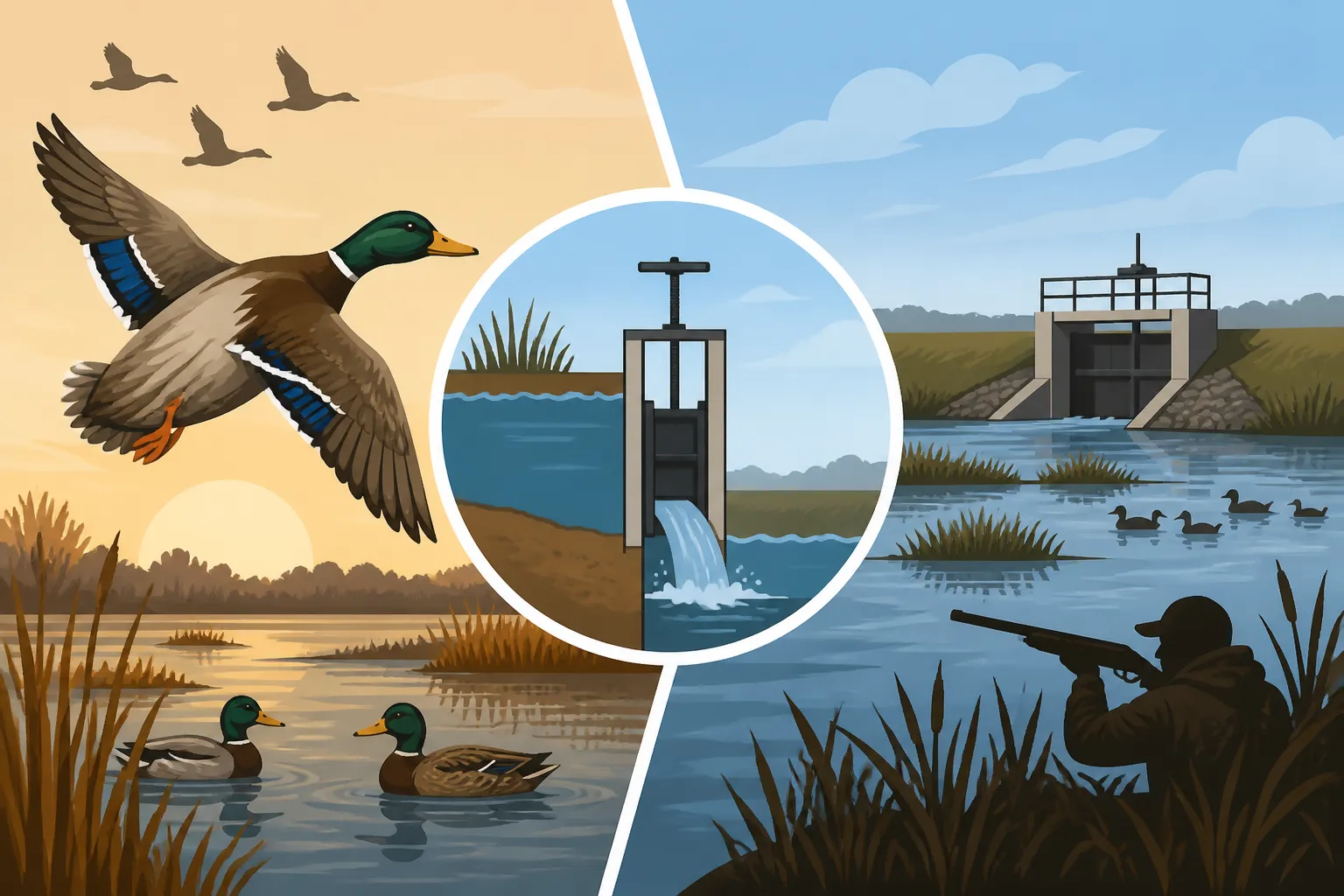
How Water Levels Are Managed for Waterfowl
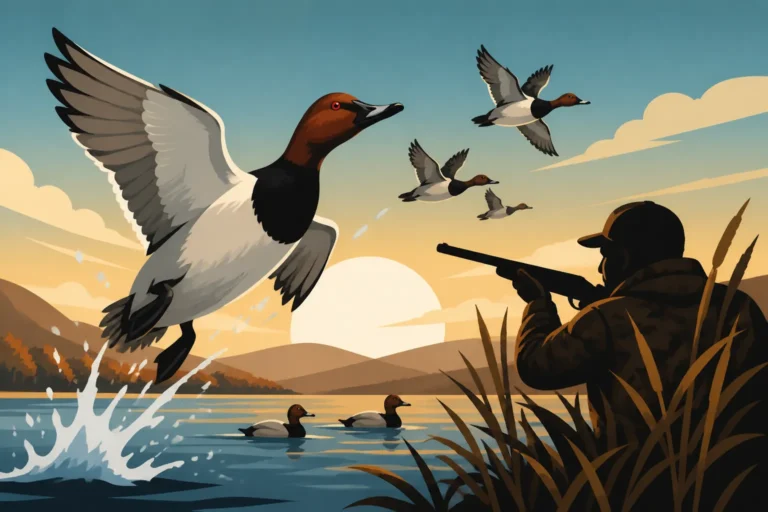
For any Missouri waterfowl hunter, few things are as frustrating as pulling into a public land parking lot, waders on and decoys in hand, only to find a perfectly good duck hole bone dry. We've all been there, and it can feel like a roll of the dice sometimes. But behind the scenes, there's a complex, dynamic system of water level management working to create and maintain habitat for our feathered friends and hunting opportunities for us. This guide aims to pull back the curtain on how those crucial water levels are managed across Missouri’s prime waterfowl areas.
The Why Behind Water Management for Waterfowl
It's easy to look at a flooded field or timber and just think "ducks," but the science and strategy behind it go much deeper. Water management isn't just about making a place wet; it's about creating a living, breathing ecosystem that supports the entire life cycle of waterfowl and other wetland species.
More Than Just Flooding: Ecological Goals
Missouri's conservation professionals manage water levels with a multi-faceted approach, mimicking the natural ebb and flow of rivers and wetlands that once dominated much of our landscape. Before widespread leveeing and drainage, river bottoms would flood seasonally, creating vast expanses of shallow water and exposing rich mudflats as water receded. This dynamic process nurtured diverse plant communities – smartweed, millet, sedges, and grasses – that produce the seeds and invertebrates ducks need to survive and thrive during their long migrations.
Today, on many of our managed areas, managers use infrastructure to replicate this natural cycle. They aim to grow these essential moist-soil plants during the summer months when water levels are lowered. These plants are absolute duck magnets, providing high-energy food sources that are critical for migrating birds. Without this careful management, many of these areas would either be permanently wet, drowning out desirable vegetation, or permanently dry, offering little to no food or cover. It's a delicate balance, trying to coax nature to produce maximum benefits within a controlled environment.
The Hunter's Perspective: Predictability and Opportunity
From a hunter's standpoint, the consistent application of these management techniques translates into more reliable hunting opportunities. We all know that ducks go where the water and food are, and if managed areas can provide those consistently, it draws and holds birds. While Mother Nature always has the final say with rainfall and temperature, proper water management reduces some of the uncertainty, making it more likely you'll find huntable conditions throughout the season.
The goal isn't just to have some water, but to have it in the right places at the right times. Early season teal might prefer expansive, shallow mudflats, while late-season mallards might key into flooded standing corn or oak timber. Managers try to cater to these different needs throughout the migration, ensuring a variety of habitats are available. This strategic planning also helps to distribute hunting pressure, as birds will spread out across diverse wetland types. It's about optimizing the resource for both the birds and the hunters who pursue them responsibly.
How Missouri Manages Water Levels: The Tools and Techniques
Managing water levels on large conservation areas is a massive undertaking, requiring specialized equipment, precise timing, and a deep understanding of wetland ecology. It’s far more involved than just opening a faucet.
Infrastructure: Levees, Pumps, and Gates
The backbone of any managed wetland system is its physical infrastructure. Think of it as a giant plumbing network. Levees act as retaining walls, creating distinct impoundments or "pools" that can be flooded or drained independently. Without levees, many of these areas would simply be at the mercy of the nearest river or rainfall, making precise control impossible.
Pumping stations are the muscle of the operation. These large, often diesel-powered, pumps are used to move vast quantities of water, either bringing it in from nearby rivers or wells to flood an area, or removing it during drawdowns. They are absolutely vital, especially in dry years when natural rainfall isn't enough to fill the pools adequately for Missouri Waterfowl Seasons and Duck Zones. Imagine trying to flood hundreds of acres without them – it would be impossible. Gate structures, often large culverts with adjustable boards or valves, are the fine-tuning instruments. They allow managers to slowly raise or lower water levels, control flow rates, and direct water from one pool to another. These gates are critical for maintaining specific water depths, which can vary by just a few inches from one impoundment to the next, depending on the desired vegetation or hunting conditions. This intricate system is what allows for the detailed management we see on areas like those involved in Missouri managed wetland draws on Missouri wetlands.
The Drawdown and Reflood Cycle
The annual drawdown and reflood cycle is the heart of moist-soil management, a primary strategy for creating food for ducks.
| Season | Action | Purpose | Expected Habitat |
|---|---|---|---|
| Spring | Gradual Drawdown | Expose mudflats, initiate moist-soil plant germination | Mudflats, emergent vegetation |
| Summer | Held Low | Allow moist-soil plants (millet, smartweed) to grow and mature | Dense stands of seed-producing plants |
| Early Fall | Slow Reflood | Gradually flood fields, making seeds available to early migrants | Shallowly flooded moist-soil fields, open water |
| Late Fall/Winter | Full Reflood | Create deep water for resting, provide food for later migrants | Flooded timber, deeper impoundments |
This table illustrates the general pattern, but local conditions, weather, and specific area goals can alter the timing and depth. During the spring and summer, after the ducks have moved north, managers typically begin to draw down water levels. This exposes the soil to sunlight and air, allowing a diverse array of native wetland plants to germinate and grow. These are often referred to as "moist-soil plants" because they thrive in saturated but not submerged conditions. Species like wild millet, smartweed, nutsedges, and various grasses are encouraged, as their seeds are a high-octane fuel source for migrating ducks.
As fall approaches and cooler weather sets in, the process reverses: the areas are slowly reflooded. This gradual inundation makes the mature seeds available to migrating waterfowl. The timing of this reflood is crucial, often coinciding with peak migration periods for different species, ensuring that fresh food sources are available when the birds need them most. Managers are constantly monitoring Missouri Duck Zone Boundaries and migration patterns to optimize this timing.
Integrating Water Levels with Agriculture
Beyond moist-soil management, many conservation areas also integrate agricultural practices to provide food for waterfowl. This often involves planting crops like corn, rice, or soybeans within designated impoundments. These crops are grown during the summer, much like any farm field. However, after harvest, the fields aren't just left fallow. Instead, managers will flood them, making the waste grain from the harvest available to ducks and geese.
This approach offers several benefits. Standing grain, partially submerged, provides excellent cover for ducks and geese, as well as a rich food source. It can be especially important during harsh winter conditions when other food sources might be frozen or covered in snow. This careful integration allows for a diverse food base, catering to different waterfowl species and their dietary needs. It also demonstrates a unique partnership between farming and conservation, turning productive farmland into critical wetland habitat during the migration.
Factors Influencing Water Management Decisions
Even with the best infrastructure and management plans, there are always external forces at play that can dramatically impact how and when water levels are managed. It’s a constant balancing act.
Weather and Rainfall: The Ultimate Variable
No matter how sophisticated the system, managers are ultimately beholden to the weather. Prolonged droughts can make it incredibly difficult, if not impossible, to flood areas to desired levels, even with powerful pumps. When river levels are low, pumping becomes less efficient and more costly, and there simply might not be enough water available to divert. Conversely, excessive rainfall or major flooding events can overwhelm control structures, leading to unintended flooding or washouts that damage levees and gates.
This unpredictability is a constant challenge. Managers must adapt their plans on the fly, making difficult decisions about which pools to prioritize for flooding when water is scarce, or how to mitigate damage when water is abundant. This is why checking current conditions is always a good idea before you head out, as even the best-laid plans can be altered by a sudden downpour or an extended dry spell.
Balancing Wildlife Needs and Hunter Access
Another critical factor is the delicate balance between providing optimal habitat for waterfowl and ensuring quality hunting opportunities. It’s not always a straightforward win-win. For instance, sometimes areas are kept as Missouri Waterfowl Refuge Zones where hunting isn't allowed, giving birds undisturbed resting and feeding areas. These refuges are vital for holding birds in the region, ensuring that there's always a local population to cycle into hunting areas.
Managers must also consider the needs of other wildlife species that rely on these wetlands, such as shorebirds, wading birds, and even amphibians. A water management strategy that benefits mallards might not be ideal for a nesting rail, and vice-versa. There's a constant effort to create a mosaic of habitats through varied water levels and vegetation types, aiming to support a broad spectrum of wetland biodiversity while still providing huntable grounds. This often means some areas will remain dry, or have different water regimes than what hunters might expect, all for the greater ecological good.
Funding and Personnel Limitations
The extensive infrastructure, equipment, and expertise required for water level management aren't free. Funding is a constant consideration. Building and maintaining levees, operating large pumps, and repairing gates all come with significant costs. Drought years, in particular, can be very expensive due to the increased need for pumping water.
Moreover, managing these complex systems requires dedicated, knowledgeable personnel. Wetland biologists, equipment operators, and maintenance staff are essential for planning the cycles, executing the drawdowns and refloods, and keeping everything in working order. Shortages in funding or personnel can directly impact the ability to manage water levels effectively, leading to delays, less precise control, or even equipment breakdowns. It’s a testament to the dedication of conservation professionals that these areas are managed as well as they are, often under challenging circumstances.
What This Means for Hunters: Navigating Managed Areas
Understanding how water levels are managed gives you a significant advantage as a hunter. It allows you to anticipate conditions, plan your hunts more effectively, and adapt when things don't go exactly as planned.
Checking Conditions Before You Go
One of the most crucial things you can do as a waterfowl hunter is to stay informed about current conditions on the specific managed area you plan to visit. Most conservation areas maintain up-to-date reports, often posted on their websites or social media pages, detailing current water levels, recent rainfall, and even bird numbers. This information is gold. It can tell you if a particular pool is dry, if the pumps are running, or if recent rains have filled a historically dry area.
Tools like GoHunt can provide valuable aerial imagery and historical data, helping you identify potential access points or habitat types before you even leave your driveway, which can be critical for understanding how water might impact different zones. By doing your homework, you can avoid that gut-wrenching feeling of arriving at a dry hole and instead pivot your plans or choose a different area that offers better prospects. It allows you to make informed decisions and maximize your time in the field, which, let's be honest, is precious.
Understanding the Draw System and Walk-In Areas
Many of Missouri's premier managed wetlands operate under a daily draw system for hunting access. This system ensures fair and equitable opportunity, but it requires hunters to understand the rules and be prepared. You might be applying for a specific pool, or drawing for a number that dictates your access. What Happens at a Wetland Morning Drawing can be an intense experience, with hunters lining up hours before dawn hoping for a good spot.
Beyond the draw, many areas also offer walk-in hunting zones that don't require a draw. These areas are often managed with different water regimes or may be slightly less accessible, meaning they can sometimes offer quieter, but still productive, hunting. You’ll want to research these options for your chosen area. Knowing whether you need to participate in a draw, if reservations are an option, or if there are ample walk-in opportunities is key to a successful hunt plan. Sometimes, if you get What to Do With a Bad Draw Number, pivoting to a walk-in area can save your day.
Adapting Your Tactics to Managed Water
The variety of water levels and habitats found in managed areas means you need to be versatile with your hunting tactics. If you're heading to a meticulously managed flooded timber area, your calling strategy and decoy spread will be different than if you're hunting an open, shallow moist-soil field. In Finding a Hole in Green Timber, your duck calling might be muted and subtle, designed to coax birds into tight cover. You'll likely use fewer decoys, perhaps just a few close-in, active blocks.
On the other hand, a large, open field that has been partially reflooded after a summer drawdown might call for a bigger spread of decoys, perhaps including some motion decoys, and more aggressive calling to attract high-flying birds. Your choice of Decoys for Missouri Green Timber will be very different from what you'd use in an open field. Even your gear needs to adapt; Waders for Missouri Flooded Timber might need to be extra tough for slogging through brush, while on open flats, lighter, more breathable options could suffice. Being aware of how managers are manipulating water will give you clues about where the birds will want to be and what kind of setup will be most effective. This flexibility is what separates consistently successful waterfowl hunters from those who just hope for the best. Sometimes, even exploring different habitats, like Hunting Missouri River Sandbars for Ducks (which operate on natural river levels), can offer alternative opportunities when managed areas are crowded or conditions aren't ideal.
Disclaimer
This article is for general informational purposes only and does not constitute professional advice. Laws, prices and regulations vary by location and change over time. Consult a qualified professional for guidance on your specific situation.