Mourning Dove Migration Timing
Every dove hunter in Missouri has felt that pang of disappointment when opening day arrives, and the fields you scouted meticulously suddenly feel empty. You've put in the legwork, secured your spot, and picked your shells, but sometimes the birds just aren't there in the numbers you expected. It's a common frustration, and often, it boils down to understanding the nuanced rhythms of mourning dove migration timing. This guide will delve into when these swift flyers move through the Show-Me State, what influences their journeys, and how you can adapt your hunting strategies to match their migratory patterns for more consistent success.
Understanding the Phases of Mourning Dove Migration in Missouri
Mourning dove migration isn't a single, dramatic event like a flock of snow geese descending from the sky. Instead, it's a dynamic process that unfolds over several weeks, often dictated by a mix of local conditions and larger weather systems. For Missouri hunters, recognizing these phases is crucial for being in the right place at the right time.
Resident Birds and Early Season Buzz
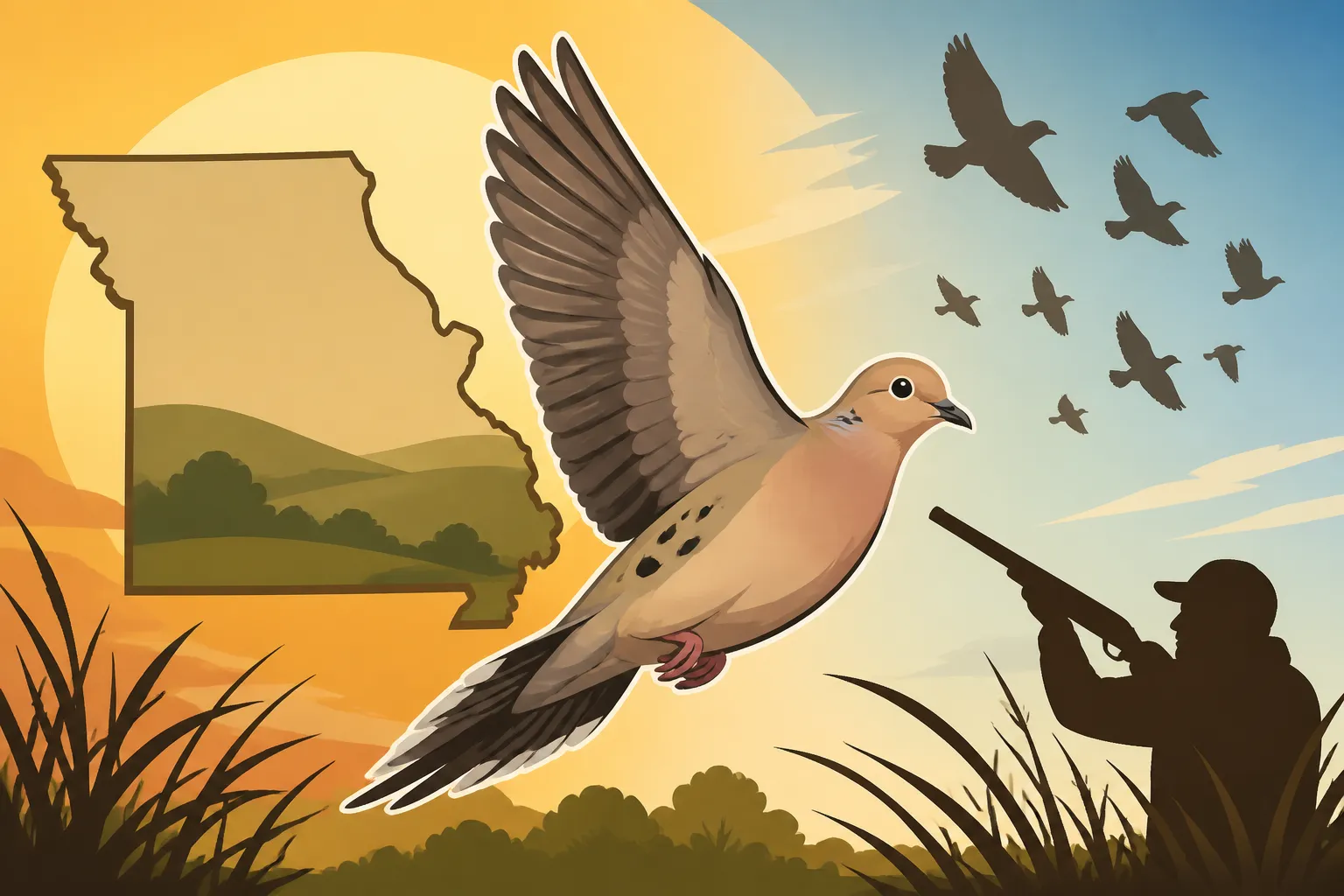
When Missouri Dove Season Opening Date rolls around, the birds you're primarily hunting are likely resident doves – those that hatched and spent the summer months right here in Missouri. These birds are creatures of habit, familiar with local food sources like sunflower fields, cut wheat, or wild ragweed, and established water holes. They know the roosting trees and the flight paths between them. The early season is often characterized by fast action, especially if you've done your scouting and found areas with abundant food and water. This is when you can really capitalize on predictable patterns, setting up near key feeding areas or flyways that the local birds have been using for weeks.
However, even with resident birds, there's a subtle, ongoing local movement. As food sources are depleted in one area, doves will shift to another. A heavy rain might fill new puddles, changing their preferred watering spots. This constant, smaller-scale movement means that even though they are "resident," you can't just assume they'll be in the exact same spot day after day. It requires continued observation, or using tools, much like those found on platforms similar to GoHunt, to keep an eye on crop status and local weather trends.
The First Trickle of Migrants
As September progresses and we move towards October, a subtle shift begins. The days shorten, and the first hints of cooler weather start to arrive, especially in the northern parts of the state. This is when you begin to see the first waves of migratory doves moving down from more northern states like Iowa, Nebraska, and even further north. These early migrants often mix in with our local populations, adding to the numbers but also introducing a bit of unpredictability. They aren't as familiar with the local landscape as the resident birds, so their flight paths might be less defined, and their choices of feeding or roosting areas a bit more opportunistic.
These birds are often still fairly robust, having traveled a shorter distance, and they're looking to refuel. They'll be drawn to strong food sources, just like the locals, but they might not commit to a field for as long if better options lie further south. This transitional period can offer some fantastic hunting, as numbers swell, but it also means hunters need to be more adaptable. Scouting takes on added importance, as you’re no longer just looking for established patterns of local birds, but also for new influxes. For those who hunt Hunting Missouri Dove Fields in September, this is a dynamic time when you can experience both the predictable and the unexpected.
The Main Push: Cold Fronts and Peak Migration
The real game-changer for dove migration in Missouri is the arrival of significant cold fronts. Typically, by late September or early October, a strong cold front pushing down from Canada can trigger a massive movement of doves. This is the "main push," when thousands upon thousands of birds, both from Missouri and points north, decide it's time to head south in earnest. This is often when hunters in the central and southern parts of the state experience their best hunting of the season, as new birds flood into available habitat.
These birds are often driven by instinct and the desire to escape rapidly cooling temperatures. They might not linger as long as earlier birds; their primary goal is to move. This means you might find incredible numbers in a field one day, only for them to be significantly reduced the next, having moved on to warmer climates. The timing of these fronts is unpredictable, so staying informed about weather forecasts is paramount. Many seasoned hunters keep a close eye on weather apps and even use broader mapping and planning resources, akin to those offered by GoHunt, to track regional weather patterns. Understanding Dove Populations and Fall Flights gives you insight into the sheer volume of birds that can move through during these peak migration windows.
Factors Influencing Dove Migration: Weather and Food Availability
While the general progression of migration is fairly consistent, specific conditions on the ground (or in the air!) can heavily influence when and how doves move through Missouri. It's a delicate balance of nature's cues.
The Impact of Cold Fronts and Wind Direction
As mentioned, cold fronts are the primary trigger for large-scale migratory movements. A sudden drop in temperature, especially when combined with a strong northerly wind, essentially tells doves, "It's time to go!" These conditions provide a powerful tailwind, making their journey south more energy-efficient. Hunters who pay attention to these weather patterns can often predict when a big wave of birds is about to arrive or depart. If a strong cold front is predicted, it's a good bet that birds will be moving. Conversely, a prolonged period of warm, stable weather can delay migration, keeping birds in an area longer than expected.
Wind direction is also critical for daily dove activity, not just migration. Doves are strong flyers, but they prefer to fly with the wind when possible, especially on long-distance movements. During migration, strong northerly winds can funnel birds down specific corridors. On a smaller scale, even local winds will influence how doves approach fields, often using the wind to "brake" as they come in to land. Positioning yourself downwind of a flight path can give you an advantage, as birds will typically slow down as they face into the wind, presenting better shooting opportunities.
The Role of Food Sources: Sunflowers, Milo, and Wild Seeds
Food availability is arguably the biggest magnet for both resident and migratory doves. Doves are primarily seed-eaters, and they are incredibly efficient at finding and utilizing abundant food sources. In Missouri, key agricultural crops like sunflowers and milo (grain sorghum) are absolute dove magnets, especially after harvest. These fields offer a bounty of seeds, attracting birds from miles around. Sunflower Fields on Missouri Conservation Areas are specifically managed to create prime dove habitat, and hunters often flock to them.
However, the lifespan of these food sources is finite. As more birds feed, and as time passes, the seeds are depleted. A field that was teeming with doves on opening day might be largely picked over a week or two later. This constant search for new food drives a lot of local movement and influences migratory stopovers. Wild seeds, such as ragweed, croton, and pokeberry, also play a huge role, especially in uncultivated areas or field edges. Doves will concentrate where these seeds are most plentiful. Understanding how Hunting Standing Corn Before Harvest or after harvest affects dove patterns can also be beneficial, as leftover grains become valuable food.
Water Availability and Roosting Habitats
While food drives doves, water is also a non-negotiable requirement. Doves need to drink frequently, especially in warmer weather. Ponds, shallow creeks, cattle tanks, and even temporary puddles can become hot spots for dove activity. They'll often visit water sources twice a day – once in the morning after feeding and again in the late afternoon before heading to roost. A lack of accessible water in a particular area can limit dove numbers, regardless of how much food is present.
Roosting habitats are the third leg of the dove's daily triangle. Doves prefer dense trees for roosting, often in evergreens, thick cedars, or dense stands of hardwoods. They will fly from feeding areas to water, then to their roost. Identifying these flight corridors can be incredibly effective, allowing you to intercept birds traveling between these key locations. Hunters often overlook roosting areas in their scouting, but observing where birds go at dusk can reveal consistent flight paths that can be hunted effectively.
| Characteristic | Early Season (Resident Birds) | Later Season (Migratory Birds) |
|---|---|---|
| Primary Birds | Local, hatched in Missouri | From Northern states, moving south |
| Motivation | Daily feeding, local movement | Instinct to move south, colder weather |
| Numbers | Consistent if food/water is good | Can be sporadic; boom or bust flights |
| Flight Patterns | More predictable to established areas | Less predictable; wider ranging |
| Concentration | Specific, smaller food/water sources | Larger, more abundant food sources |
| Reaction to Pressure | Can become educated, wary | Often less wary, more eager to feed |
| Scouting Focus | Specific field-level patterns, daily use | Regional weather, new bird influx |
Adapting Your Hunt: Strategies for Early Season vs. Migratory Flights
Since dove migration timing isn't a static concept, your hunting strategy shouldn't be either. Being flexible and understanding the different behaviors of local versus migratory birds will greatly increase your chances of success throughout the season.
Early Season Tactics for Resident Birds
During the opening weeks, when you're primarily dealing with resident birds, your focus should be on hyper-local scouting. These birds are creatures of habit. Find their preferred feeding fields, identify their water holes, and watch their flight paths. They'll generally follow the path of least resistance between these spots. Setting up on a fencerow, a timbered draw, or even a single tree along a well-used flight line can be incredibly effective. Pay attention to specific entry and exit points in fields. Doves often prefer certain corners or low spots to enter and leave a field.
Decoys can be very effective in the early season, especially spinning-wing decoys. Local birds are often less pressured and more curious. A few decoys strategically placed can draw birds within range that might otherwise pass by. Shot placement is critical, as these birds are fast. Consider Walking Missouri Quail Country for ideas on covering ground and flushing birds if field edges are quiet, though typically dove hunting is more static. Don't be afraid to move if your initial spot isn't producing. Often, just a 50-yard shift can put you directly under a major flight path.
Late Season Strategies for Migratory Flights
As the season progresses into late September and October, and migratory birds become the dominant force, your strategy needs to broaden. Instead of just focusing on specific, small field patterns, you need to think more regionally. Pay close attention to weather forecasts, especially for strong cold fronts and northerly winds. These are your signals that new birds are on the way. When a big front hits, larger, more open fields, particularly those with abundant post-harvest stubble of corn, soybeans, or milo, become prime targets. These fields offer a wide buffet for incoming birds looking to refuel.
Migratory doves, having traveled further, can sometimes be less wary than their resident counterparts who've faced weeks of hunting pressure. They're more focused on feeding and moving. This doesn't mean you can be careless, but it does mean that larger decoy spreads or more aggressive calling might work. Positioning yourself on major flight corridors between large feeding areas and distant roosts can also be incredibly productive. These birds are often on a mission, and if you can intercept them along their travel routes, the action can be furious. Being flexible is important, and resources, whether it's your local coffee shop conversation or a digital platform like GoHunt, can provide crucial intel on where new birds are showing up.
Leveraging Scouting and Data for Better Timing
Regardless of the season phase, diligent scouting remains your most powerful tool. Before the season, identify potential food sources on both public and private land. Missouri Conservation Areas Explained can provide details on specific managed dove fields. Pay attention to crop rotations if you're hunting private land; a field that was milo last year might be soybeans this year. As the season approaches, and especially in the weeks leading up to migration, spend time observing fields in the mornings and evenings. Look for concentrations of birds, identify their flight lines, and note water sources.
In the modern age, leveraging technology can give you a significant edge. Online mapping tools are invaluable for identifying fields, water, and potential roosting cover. Some hunters use advanced digital platforms to track weather patterns, wind directions, and even communal sighting reports. For those who truly want to dive deep into planning, looking at historical data and current conditions, often found in robust mapping and planning tools similar to GoHunt, can give you an edge in predicting when the best waves of migratory birds will arrive. Scouting Missouri Public Land Before Season is not just for deer; it's vital for a successful dove hunt too. Every bit of information helps you put together the puzzle of mourning dove migration timing and be ready when the shooting starts.
Disclaimer
This article is for general informational purposes only and does not constitute professional advice. Laws, prices and regulations vary by location and change over time. Consult a qualified professional for guidance on your specific situation.