Share the Harvest Program Numbers
Sometimes, after a successful hunt in Missouri, you find yourself with more venison than your freezer can comfortably hold, or maybe you just feel that deep-seated desire to give back to the community that supports our hunting heritage. It's a fantastic feeling to fill your tags, but it's even better when you know that extra deer can do so much more than just stock your own larder. This guide is all about the incredible impact of the Share the Harvest program, diving into what it means, how it works, and the significant role that Missouri hunters play in feeding thousands of families across the state, even without reciting specific, year-stamped figures.
What is Missouri's Share the Harvest Program?
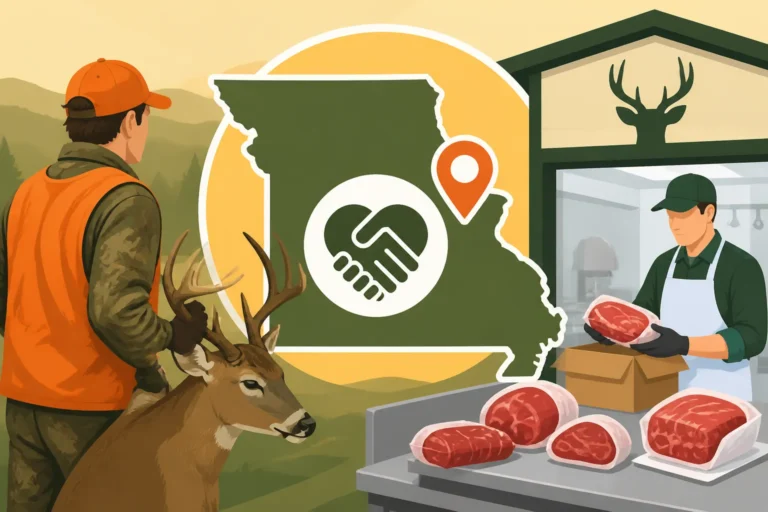
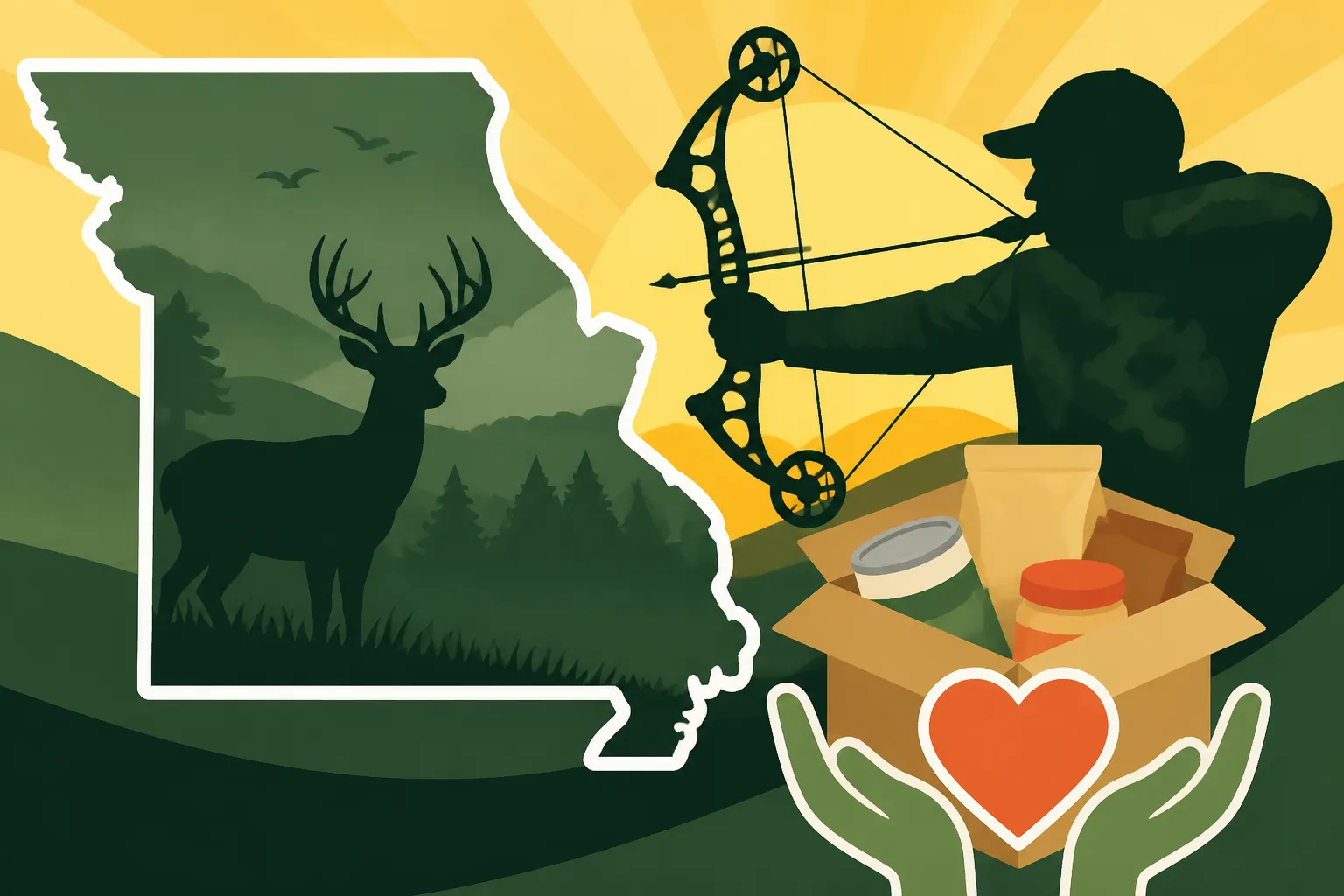
At its heart, the Share the Harvest program is a beautiful partnership between Missouri hunters, local meat processors, and community food banks. It's designed to take the generosity of hunters and translate it directly into nourishing meals for those facing food insecurity. It’s not just a feel-good initiative; it’s a vital lifeline for many, fueled by the bounty of our deer woods and the giving spirit of the hunting community.
The Core Idea Behind the Program
Imagine bringing a deer to a local processor, and instead of just paying to have it cut and wrapped for yourself, you have the option to say, "I'd like to donate this to hungry families." That's the essence of Share the Harvest. It bridges the gap between abundant wildlife resources and a very real community need. Many hunters find themselves with multiple deer tags filled, especially during portions like the Missouri Early Antlerless Portion Tactics or Missouri late antlerless portion tactics, and they simply don't have the freezer space or the need for every pound of meat. This program provides a structured, easy way for that extra venison to make a profound difference.
The initiative is built on a foundation of volunteerism and collaboration. State conservation agencies, local conservation federations, and dedicated meat processors work together to make this happen. It’s a testament to the belief that hunting isn't just about taking; it's also deeply rooted in giving back and contributing to the health of both the deer herd and the human community. It turns a successful hunt into a direct act of charity, embodying the very best of hunter ethics and responsibility.
How It Works for Hunters and Processors
For a hunter, the process is straightforward, which is one of its greatest strengths. After you’ve successfully harvested a deer and completed the mandatory Telecheck Requirements After a Harvest, you simply take your field-dressed deer to a participating meat processor. These aren't just any processors; they are local businesses that have chosen to partner with the Share the Harvest program, often covering some of the processing costs themselves or relying on donations to do so.
When you arrive, you let them know you'd like to donate your deer through Share the Harvest. You typically cover a portion of the processing fee, sometimes a small flat rate, or sometimes the entire amount is covered by funds raised by conservation groups. The processor then handles the rest: butchering, packaging, and storing the venison until it can be picked up by a local food pantry or charitable organization. It’s an incredibly efficient system that allows hunters to contribute easily, knowing their donation is handled professionally and hygienically. If you're wondering about specifics, many local conservation organizations actively raise funds to help cover the processing fees for donated deer, easing the financial burden on individual hunters. It's worth checking with your local processor or conservation group beforehand to understand the current arrangements for covering these costs.
Who Benefits from the Donations
The venison donated through Share the Harvest goes directly to those who need it most: families, individuals, and children relying on food pantries, soup kitchens, and other charitable feeding programs across Missouri. This isn't just any meat; it's lean, organic, high-protein venison, a fantastic source of nutrition that can be hard to come by for many struggling households. It offers a healthy alternative to more common, often less nutritious, processed foods.
Consider a single deer, which can yield a significant amount of meat. That amount can provide dozens, if not hundreds, of nutritious meals. For many, this isn't just a supplemental food source; it's a critical component of their diet, providing essential protein and nutrients. The program truly impacts communities from the smallest rural towns to larger metropolitan areas, ensuring that the bounty of Missouri's deer herd benefits all citizens, not just hunters. It’s a concrete example of how the hunting community helps alleviate food insecurity, transforming a recreational activity into tangible community support.
Understanding Share the Harvest Program Numbers
While exact figures fluctuate year to year, the scale of the Share the Harvest program is consistently impressive. It's less about a single number and more about the collective impact of thousands of hunters making a choice to give.
Annual Harvest and Donation Trends
The total number of deer harvested in Missouri annually is substantial, often discussed in Missouri Deer Harvest Records. Within that larger context, the proportion of deer donated through Share the Harvest shows a steady commitment from hunters. While weather conditions, deer populations, and even economic factors can influence both the overall deer harvest and the number of donations in any given year, the program has demonstrated remarkable resilience and growth over time. You’ll often see reports detailing the total pounds of venison donated, which is an astounding amount when you consider the average yield of Deer Meat Yield From a Missouri Buck.
These trends are a powerful indicator of the hunting community's dedication. What we consistently observe is that during challenging economic times, or when community needs are particularly high, hunters often step up even more. This shows that the program isn't just a fair-weather initiative; it's deeply ingrained in the culture of Missouri hunters as a way to contribute meaningfully. Analyzing these patterns helps conservation agencies and food banks plan and allocate resources more effectively, understanding where and when the greatest needs and contributions are likely to occur.
Impact on Missouri Communities
The ripple effect of the Share the Harvest program through Missouri communities is immeasurable, even if the numbers themselves are tracked in pounds of venison. Each pound represents a meal, a family fed, and a burden eased. This program directly supports local food banks and pantries, helping them meet the ever-present demand for nutritious food. It allows these organizations to offer a diverse and healthy protein source that would otherwise be expensive or difficult to acquire.
The impact extends beyond just the food itself. It fosters a sense of community and connection. For the recipients, it's not just a meal; it’s a reminder that their neighbors, even those they don't know, care. For hunters, it's a tangible way to demonstrate the conservation ethic and the positive role hunting plays in society. It highlights that the pursuit of game can lead directly to acts of profound generosity, strengthening the social fabric of our state. The sheer volume of donations, year after year, underscores how deeply this program has woven itself into the fabric of Missouri's charitable efforts.
The Role of Participating Processors
The success of Share the Harvest would be impossible without the dedicated meat processors across Missouri. These are the unsung heroes of the program. They are the businesses that, day in and day out, handle the deer brought in by hunters, often working long hours during the busy deer seasons. Their participation is crucial, as they are the direct link between the field and the dinner table. When a hunter is looking to donate, the first step is often to identify a participating processor, which you can typically find by checking the state's conservation department website or contacting local conservation groups. Many hunters will specifically seek out Finding a Processor That Takes Donations because they prioritize giving back.
These processors often go above and beyond, sometimes absorbing costs or relying on donations to cover the processing of donated deer. They meticulously track the donations, ensure proper handling, and prepare the venison in a way that is ready for distribution to food banks. Their commitment ensures that the meat is processed safely and efficiently, ready to be turned into wholesome meals. Their willingness to be part of this network is a cornerstone of the program’s ability to function so effectively.
Here's a simplified look at the journey of a donated deer:
| Stage | Description | Key Participant | Impact |
|---|---|---|---|
| Harvest | Hunter takes a deer during a legal season. | Hunter | Provides the initial resource for donation. |
| Telecheck & Transport | Hunter registers the harvest and takes it to a processor. | Hunter | Ensures legality and prompt delivery. |
| Donation Request | Hunter informs processor of intent to donate through Share the Harvest. | Hunter | Initiates the charitable process. |
| Processing | Processor cuts, grinds, and packages the venison. | Processor | Transforms raw deer into ready-to-use meat. |
| Cost Coverage | Hunter pays portion, or funds from conservation groups cover costs. | Hunter, Local Groups | Ensures the service is affordable/free for the hunter. |
| Distribution | Food banks or charities collect packaged venison from processor. | Food Banks, Processor | Delivers nutritious food to those in need. |
| Community Impact | Venison prepared and served to individuals and families. | Recipients | Provides high-quality protein and alleviates food insecurity. |
Why These Numbers Matter to You (and Missouri)
The numbers associated with Share the Harvest aren't just statistics; they tell a story of connection, responsibility, and the profound impact of individual actions. Every hunter who chooses to donate contributes to a legacy of giving that benefits the entire state.
A Hunter's Contribution to Conservation and Community
Participating in Share the Harvest is a powerful way to underscore the hunter's role as a conservationist and a community member. It moves beyond just managing White-Tailed Deer Across Missouri and into directly addressing human needs. When hunters donate venison, they are not only helping to control deer populations in alignment with sound wildlife management principles but are also converting that management into direct, tangible benefits for their neighbors. This act of giving challenges outdated stereotypes about hunting and showcases the ethical, responsible, and generous spirit that truly defines the vast majority of hunters.
It’s an opportunity to educate non-hunters about the positive contributions of hunting. Imagine a family in need receiving a package of venison; it might be the first time they truly connect hunting with direct charitable giving. This program helps build bridges and foster a greater understanding of what it means to be a hunter in Missouri. It’s a point of pride for our community, demonstrating that hunters are deeply invested in the well-being of the land and its people. For many, it's a way to enhance their personal Missouri Deer Camp Traditions by extending the hunt's bounty to others.
Growing the Program's Reach
The growth of Share the Harvest relies on continued participation and awareness. Every time a hunter donates, or even just talks about the program with a friend, it helps expand its reach. One way to help ensure the program continues to thrive and grow is by being a vocal advocate. Share your experiences, encourage fellow hunters to consider donating a deer, especially if they’ve filled their primary tags or are hunting in areas with higher deer densities. Whether you’re obtaining Missouri Deer Permits and How to Buy One for the upcoming season or simply discussing strategy for Hunting the Peak Rut Week in Missouri, remember to integrate the idea of giving back.
Beyond direct donations, supporting the local conservation groups that raise funds for processor fees is vital. These organizations often run fundraising drives throughout the year specifically to ensure that hunters can donate without bearing the full processing cost. The more support these groups receive, the more venison can be processed and distributed. It’s a collective effort, and every individual contribution, whether it's a deer, a monetary donation, or simply spreading the word, helps grow the program's ability to feed more Missourians. Making sure you understand Getting Deer Meat Cooled Quickly after a harvest, particularly in warmer early seasons like Field Dressing and Cooling in Early-Season Heat, also helps ensure your donated deer is of the highest quality for the program.
Disclaimer
This article is for general informational purposes only and does not constitute professional advice. Laws, prices and regulations vary by location and change over time. Consult a qualified professional for guidance on your specific situation.