Missouri Wetland Acres Managed for Ducks
Missouri managed wetland acres provide waterfowl habitat and help hunters find consistent duck hunting locations across the state.
Know what you’re after.
Big game, small game, upland birds, and waterfowl — identification, behavior, rut and migration timing, and how each species moves through the season.
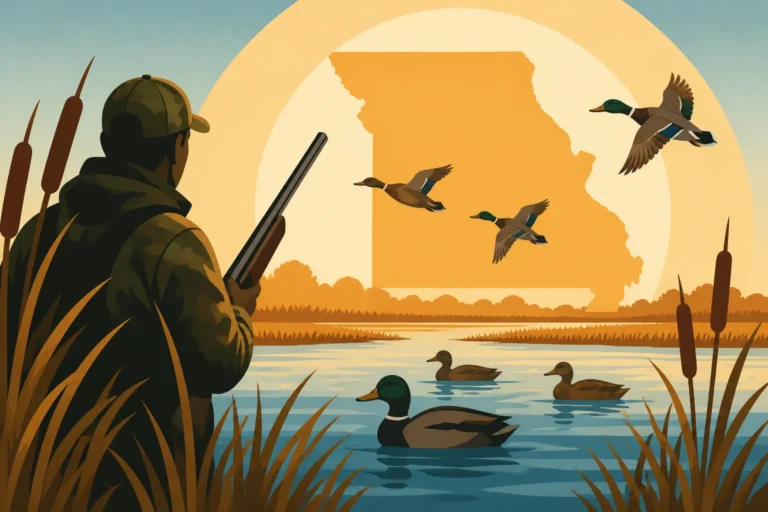
Missouri managed wetland acres provide waterfowl habitat and help hunters find consistent duck hunting locations across the state.
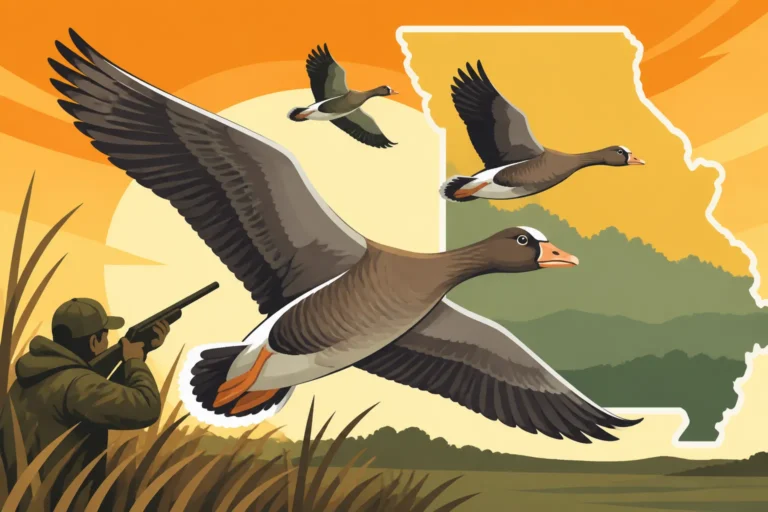
White-fronted geese migration patterns and field identification help Missouri waterfowlers successfully hunt specklebellies during late autumn.
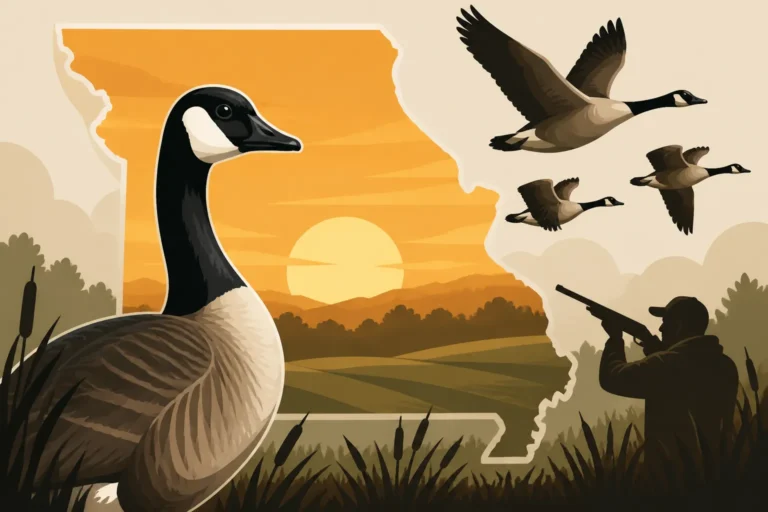
Missouri Canada goose populations include resident birds and northern migrants influenced by weather, habitat, and conservation programs.
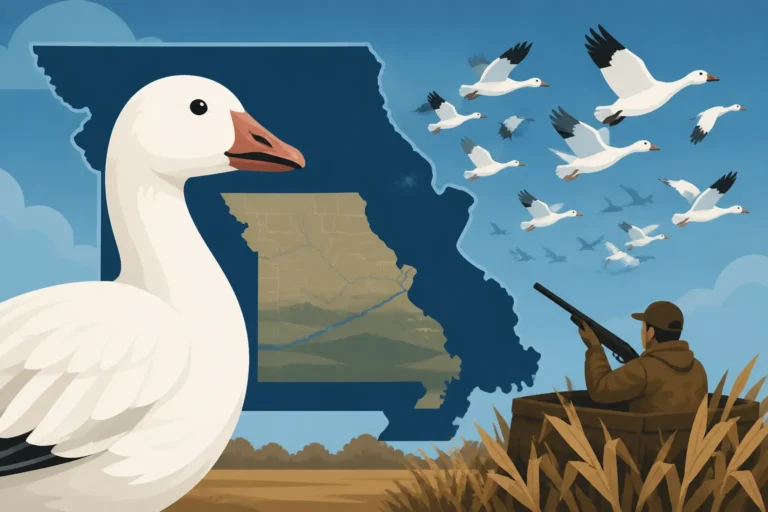
Snow goose migration patterns in Missouri depend on agricultural food sources, winter weather conditions, and available water roosting areas.
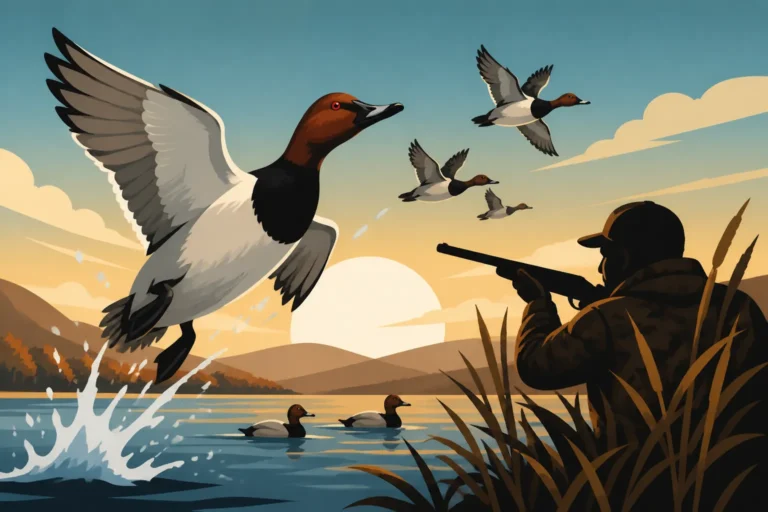
Missouri reservoirs host wintering diver ducks like lesser scaup, ring-necked ducks, canvasbacks, and redheads during migration.
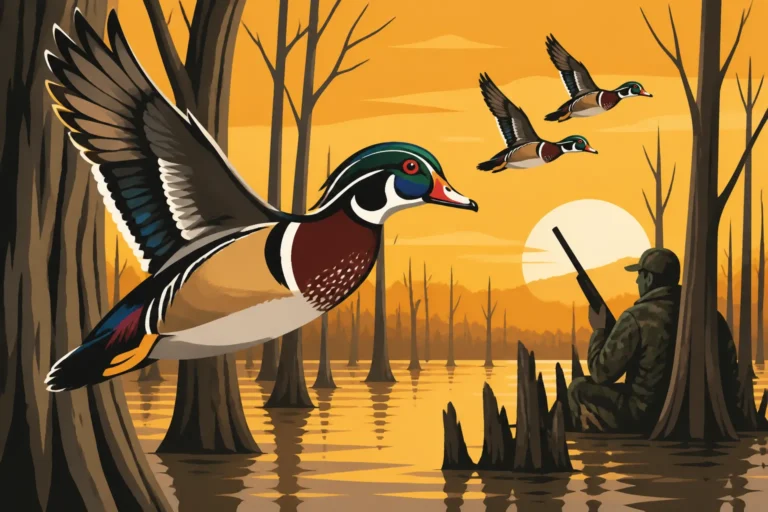
Missouri bottomland timber duck hunting strategies and habitat preferences help hunters consistently find and harvest wood ducks.
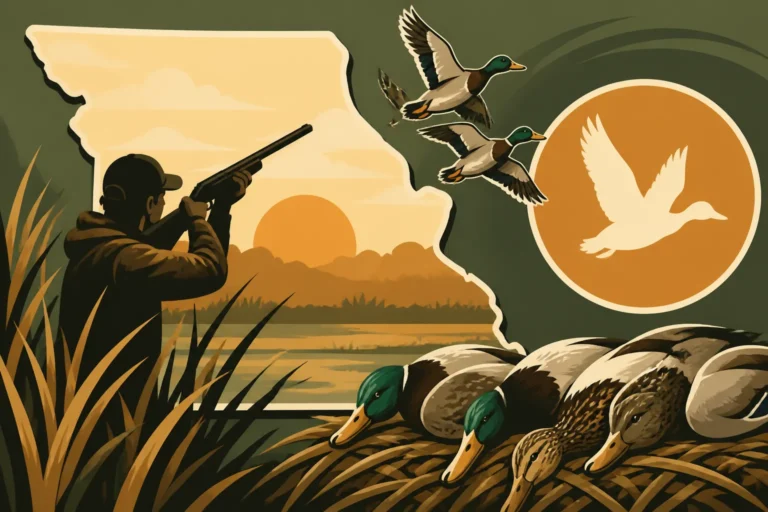
Missouri duck harvest numbers and data collection methods help set season lengths, bag limits, and conservation strategies.
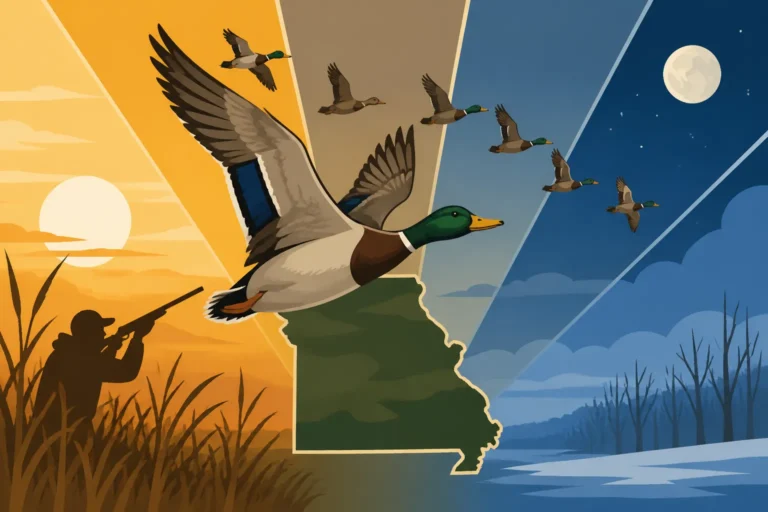
Duck migration timing in Missouri depends on environmental cues, weather fronts, food availability, and northern hunting pressure.
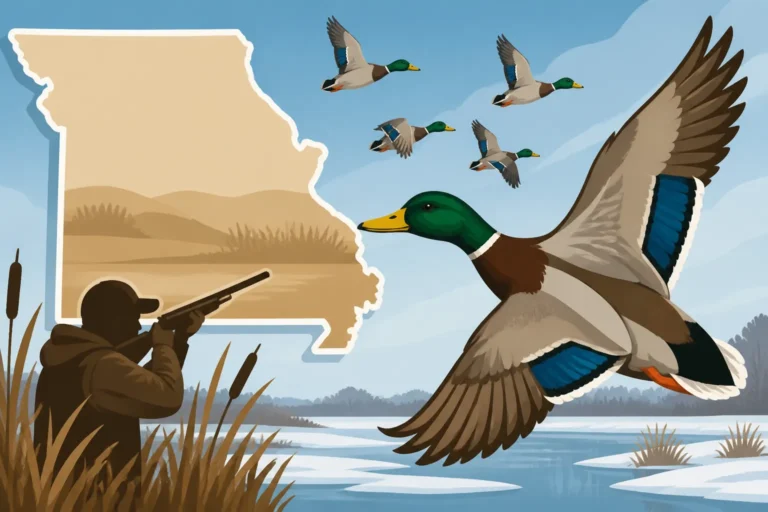
Wintering mallard numbers in Missouri depend on northern weather, water availability, and food sources driving migration patterns.
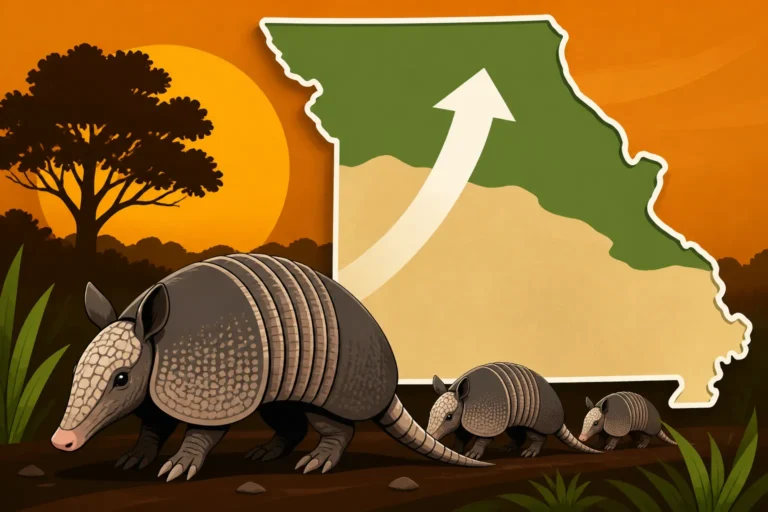
Nine-banded armadillos are expanding their range into Missouri due to climate change, milder winters, and a lack of deep snow cover.