Reporting a Sick Animal in Missouri
Reporting sick wildlife in Missouri helps track diseases like CWD, protects public health, and supports conservation efforts.
Know what you’re after.
Big game, small game, upland birds, and waterfowl — identification, behavior, rut and migration timing, and how each species moves through the season.
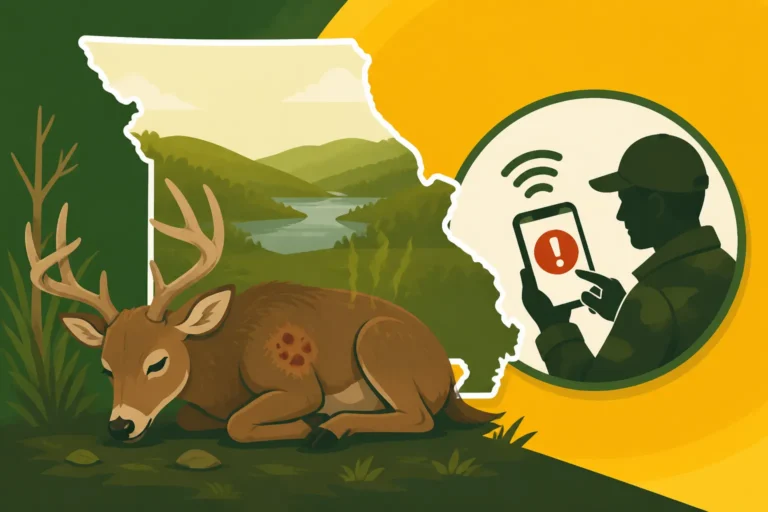
Reporting sick wildlife in Missouri helps track diseases like CWD, protects public health, and supports conservation efforts.
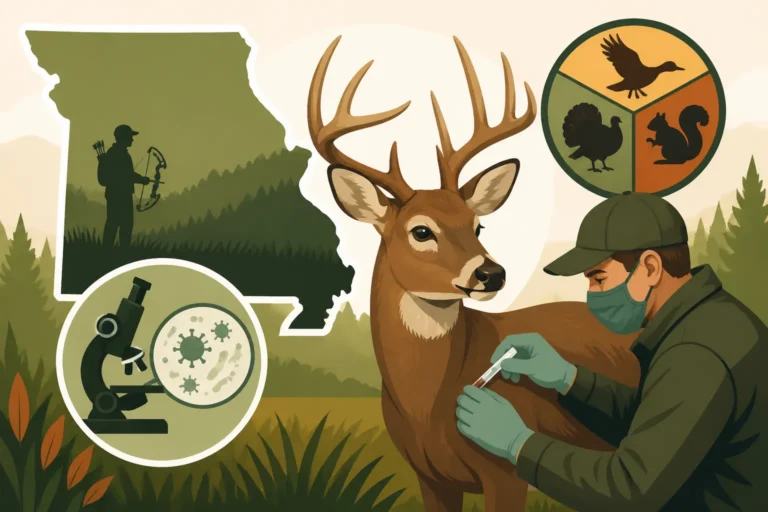
Missouri wildlife disease monitoring tracks Chronic Wasting Disease and EHD to protect deer herds and other game populations.
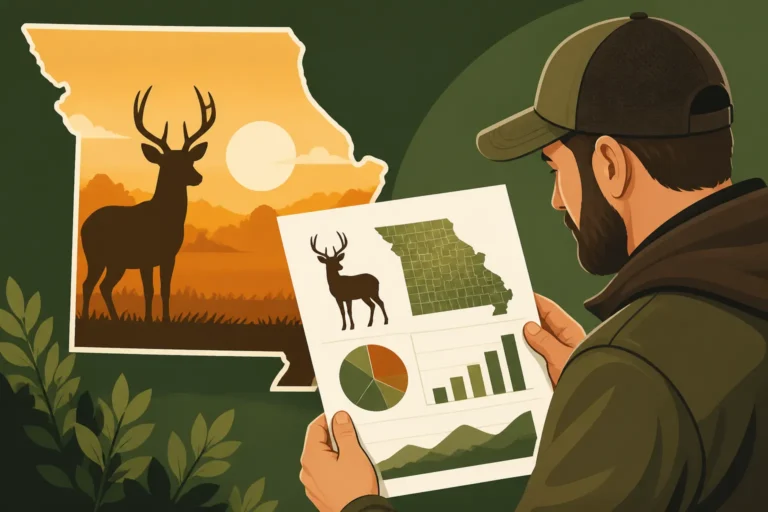
Missouri harvest reports from the Department of Conservation provide deer hunters with county data to track herd health and find less-hunted areas.
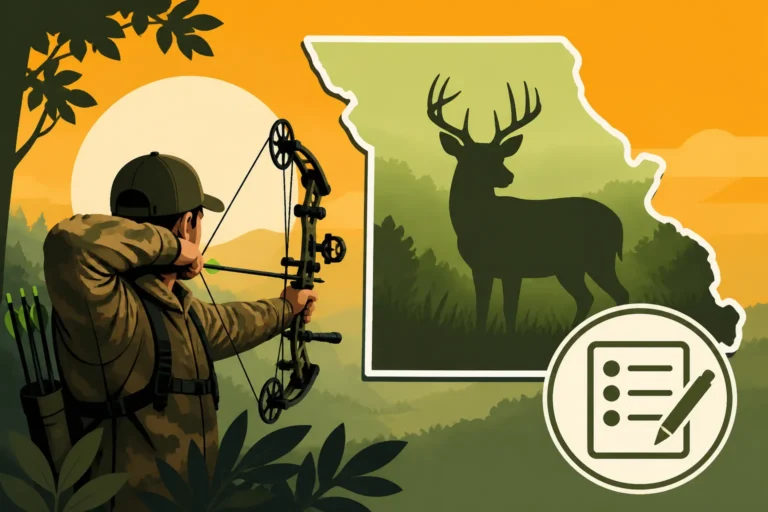
The Missouri Bowhunter Observation Survey gathers deer data from archery hunters to help manage state wildlife populations.
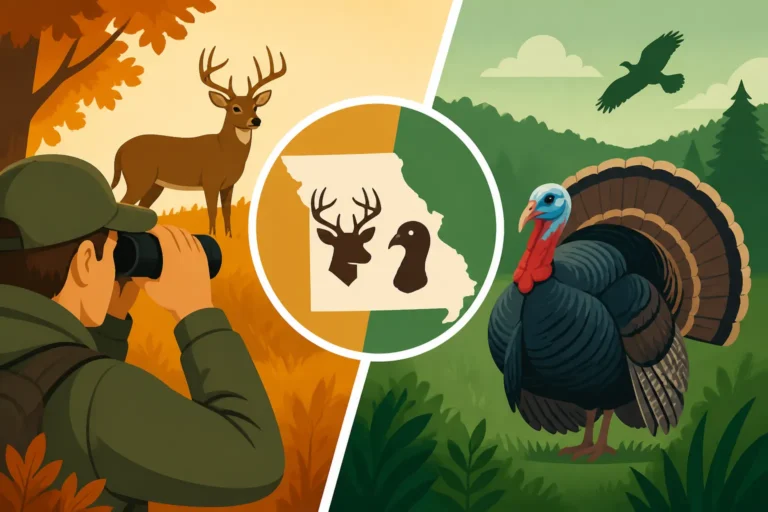
Missouri Department of Conservation methods explain how biologists track deer and turkey populations using hunter observation surveys.
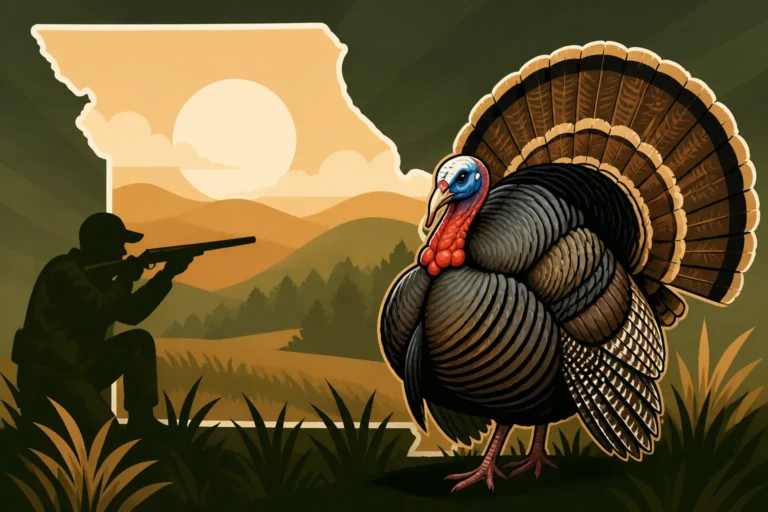
The Missouri Wild Turkey Records Program catalogs exceptionally large or unique wild turkeys harvested by hunters in Missouri.
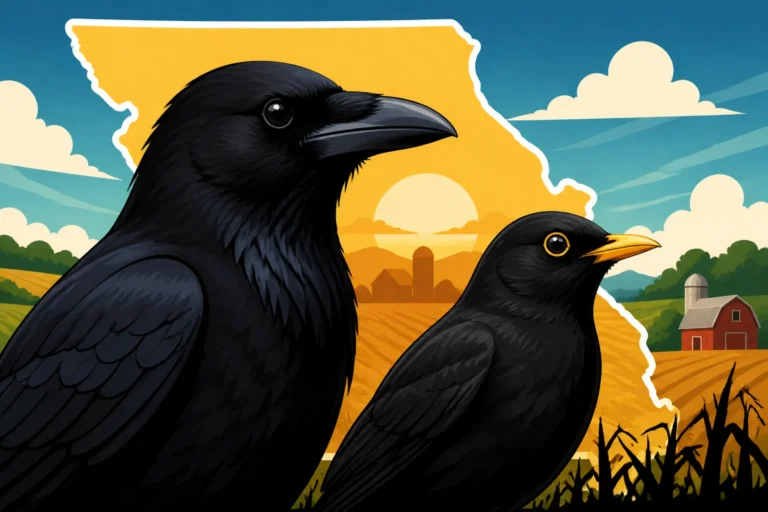
Missouri crow and blackbird populations, seasonal movements, and their heavy impacts on agricultural crop fields.
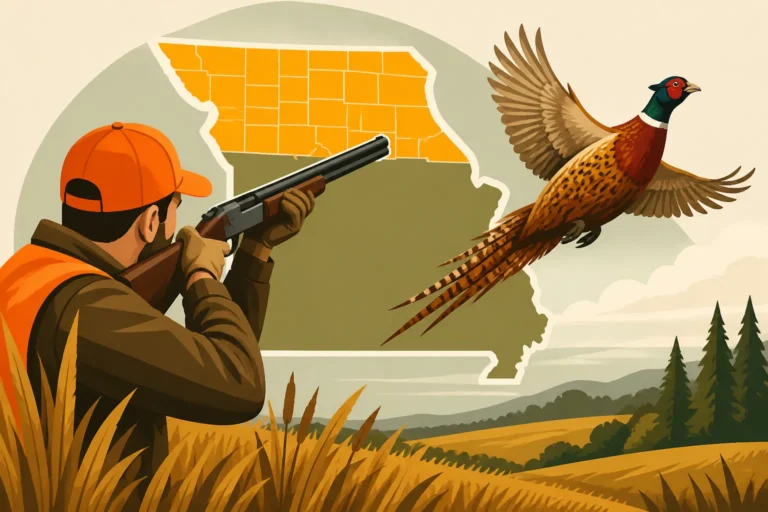
Missouri pheasant hunting locations in northern counties offer hunters specific habitats containing CRP grass, cornfields, and brushy draws.
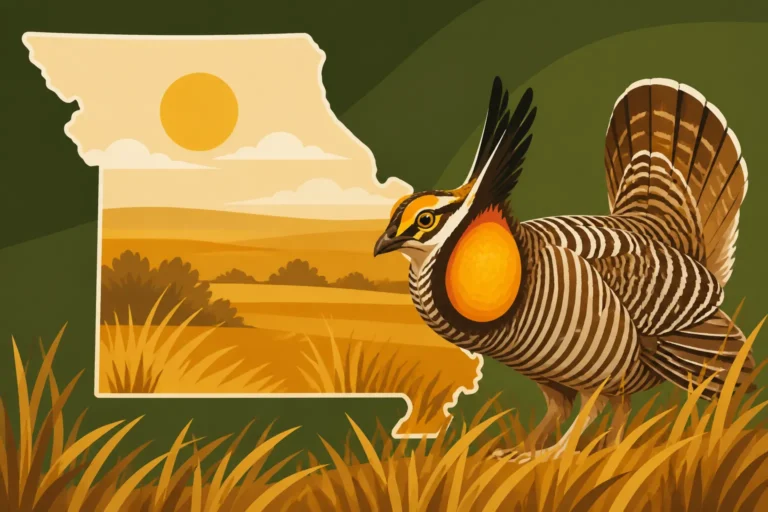
Greater prairie-chickens in Missouri survive in managed pockets, marking historic strongholds across native tallgrass prairie habitats.
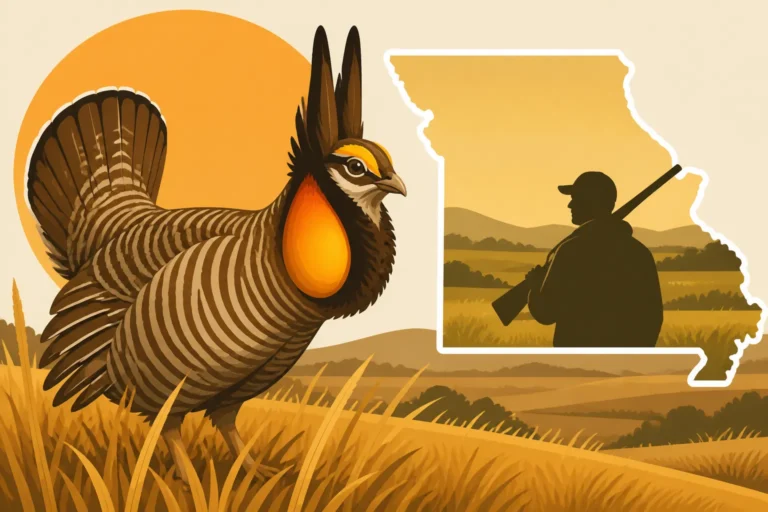
Greater prairie-chicken numbers in Missouri, currently remaining in the hundreds, face severe threats from habitat loss and agricultural conversion.