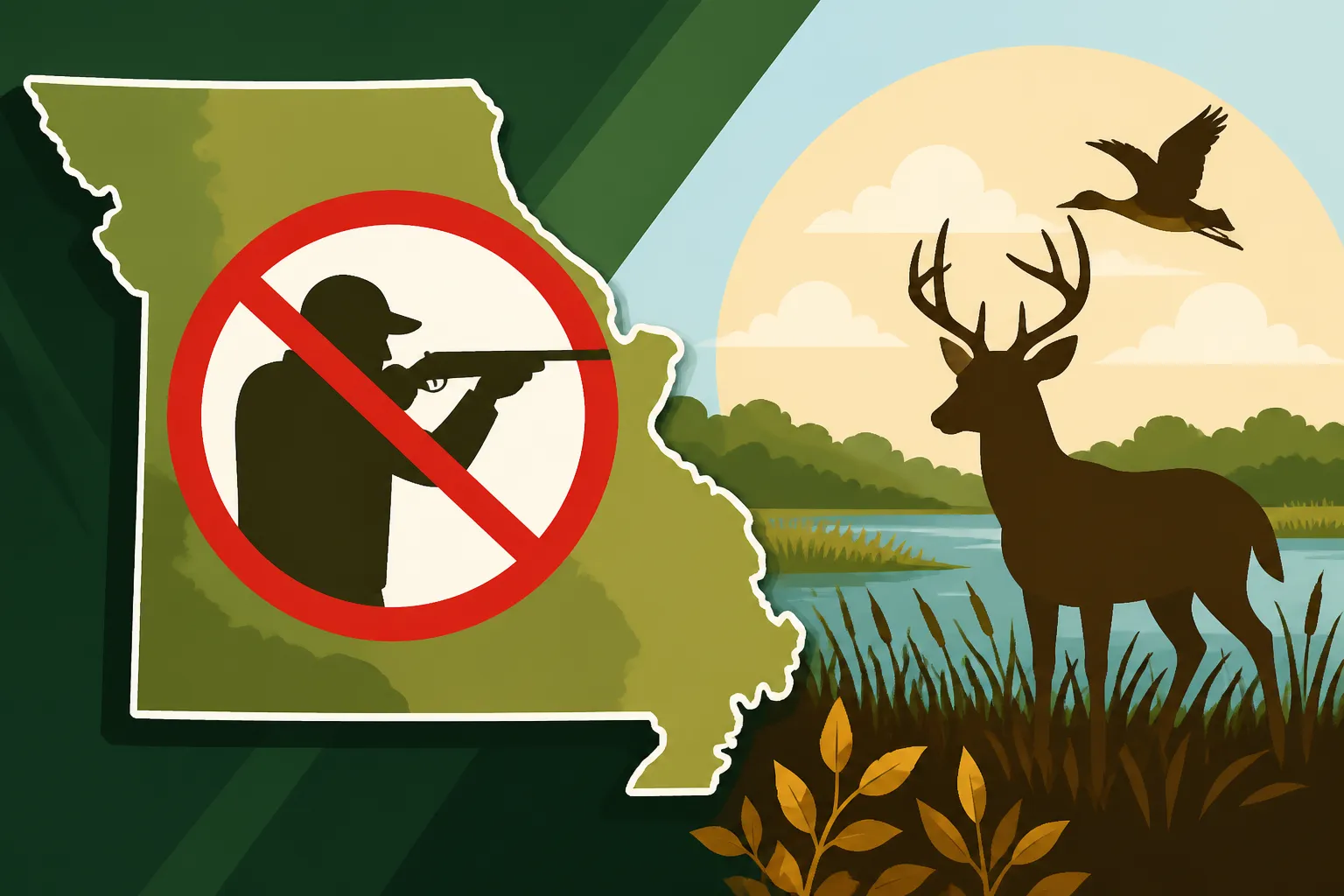
Missouri Refuge Zones Closed to Hunting
It can be incredibly frustrating to scout a promising area, drive hours for an opener, only to discover that the very spot you planned to hunt is actually closed to hunting. Missouri, with its diverse landscape and varied conservation efforts, has specific "refuge zones" that are off-limits to hunters, and understanding where these areas are and why they exist is crucial for a successful and legal season. This guide will help clarify the common types of refuge zones, why they are established, and how you can accurately identify them before you ever step foot in the field.
What Exactly is a "Refuge Zone" in Missouri?
When we talk about "refuge zones" in Missouri, it’s not always one single, clearly defined type of property. Instead, it often refers to specific portions of larger public hunting areas, like Conservation Areas or National Wildlife Refuges, that are designated as sanctuaries for wildlife. These zones are intentionally set aside as undisturbed havens, providing critical rest, breeding, or feeding grounds away from human disturbance. You might hear them called "closed areas," "wildlife sanctuaries," or simply "refuge portions."
These areas are distinct from general public hunting grounds because their primary purpose is protection, not recreation, at least not in the form of hunting. While hiking or wildlife viewing might be permitted, hunting is strictly prohibited to ensure that wildlife has a place to retreat and thrive without constant pressure. It’s important not to confuse a refuge zone with a general public hunting area where specific species might be out of season; refuge zones mean no hunting at all, regardless of species or season.
Identifying these zones can sometimes be tricky because they aren't always intuitively marked from a distance. You might be walking a boundary line on a large Conservation Area, only to find a small, understated sign indicating you're entering a refuge portion. This is where pre-hunt scouting and utilizing available mapping resources become absolutely essential. Driving blindly into a new area without checking these details is a recipe for disappointment, or worse, a citation.
Types of Designated Refuge Areas
Missouri manages several types of lands that incorporate refuge zones, each with its own specific regulations and purposes. Understanding these categories can help you better anticipate where you might encounter closed areas.
Conservation Area Refuge Portions: Many of the larger Missouri Department of Conservation (MDC) lands, known as Conservation Areas (CAs), will have specific sections designated as wildlife refuges. These are often critical habitats like waterfowl resting areas, specific deer bedding cover, or turkey roosting bottoms that the MDC wants to protect from hunting pressure. For instance, a CA might have thousands of acres open to deer hunting, but a particular 200-acre block around a known spring or unique cover might be marked as a refuge. These zones are crucial for providing animals with a safe space, especially during intense hunting seasons like the November firearms portion. You'll often find these marked with distinct signs, and they will be clearly outlined on the area's specific brochure. Reading a Missouri Area Brochure is a skill every hunter needs to master.
National Wildlife Refuge Closed Areas: Federal lands, particularly those managed by the U.S. Fish and Wildlife Service, often contain extensive refuge zones. Places like Loess Bluffs National Wildlife Refuge or Mingo National Wildlife Refuge are primarily established for wildlife conservation, and while some hunting might be permitted in specific units or at certain times, large portions are almost always designated as closed to all hunting. Waterfowl refuges are a prime example; vast pools of water and surrounding habitat are kept free of hunting pressure to provide undisturbed resting and feeding grounds for migratory birds. This allows them to replenish their energy stores during migration, which is vital for their survival and contributes to healthier populations across the flyway. It’s always critical to consult the specific refuge’s regulations, as they can differ significantly from state land rules.
Designated Managed Hunt Areas (Limited Access): While not always a "refuge" in the traditional sense, some managed hunt areas might have restrictions so severe that they effectively act as temporary or permanent refuge zones for the general public. These might be areas where hunting is only allowed through a special draw, or in very limited, supervised capacities. Think of it as a controlled access point to prevent overharvesting or to manage specific wildlife populations more precisely. If you're not drawn for such a hunt, the area is, for all intents and purposes, closed to you. Knowing the application dates and rules for Managed Deer Hunt Applications and Draws is key if you want to participate in these more restrictive opportunities.
Why Do These Zones Exist?
The establishment of refuge zones isn't about limiting hunter access just for the sake of it. It’s a deliberate, science-based strategy rooted in sound wildlife management principles. These areas serve multiple vital functions that benefit not only the wildlife itself but also the overall hunting experience by contributing to healthier, more robust game populations across the state.
One of the primary reasons is to provide sanctuary and reduce pressure. Animals, particularly deer and turkeys, learn quickly where they are safe. A refuge zone acts as a security blanket, allowing them to escape intense hunting pressure during busy seasons. This is particularly important during the Missouri firearms portion, when pressure can be at its peak. Knowing there's a nearby safe haven, animals will often utilize these areas as bedding or staging grounds, only moving out to feed when the coast is clear. This pattern of movement can actually benefit hunters on adjacent properties, as animals will move in and out of the refuge.
Another critical function is habitat protection and enhancement. Many refuge zones encompass unique or sensitive habitats that are vital for particular species. This could be a rare wetland ecosystem for waterfowl, a dense cedar thicket providing winter cover for deer, or a specific timber stand with prime roosting trees for turkeys. By closing these areas to hunting, conservation agencies can minimize human impact and allow the habitat to function naturally, providing undisturbed resources that are essential for reproduction, foraging, and survival throughout the year.
Conservation Goals Behind Refuge Zones
The overarching goal of refuge zones aligns perfectly with the broader mission of wildlife conservation: ensuring healthy, sustainable populations for future generations.
Population Management and Stability: Refuge zones play a direct role in maintaining healthy game populations. By providing a safe haven, these areas can act as breeding reservoirs, ensuring that a certain percentage of the population is relatively undisturbed and can contribute to the next generation. This is especially important for species that are sensitive to disturbance or have lower reproductive rates. For migratory birds, these zones are literally life-saving pit stops, allowing them to rest and refuel before continuing their arduous journeys along the Mississippi Flyway. Without these critical resting points, the sheer exhaustion of migration could take a much higher toll on these incredible animals.
Research and Observation: Sometimes, refuge zones are used as living laboratories. By observing wildlife in an environment free from hunting pressure, biologists can gather invaluable data on animal behavior, population dynamics, habitat use, and the impacts of various environmental factors. This research informs management decisions for areas outside the refuge, helping to fine-tune hunting seasons, bag limits, and habitat projects across the state. It allows for a clearer picture of what a truly "natural" state might look like, providing a baseline against which to compare managed populations.
Education and Non-Hunting Recreation: While hunting is prohibited, many refuge zones still offer opportunities for non-consumptive recreation like hiking, bird watching, and photography. This allows the public to connect with nature and appreciate wildlife in a pristine setting, fostering a broader understanding and appreciation for conservation efforts. These opportunities can also serve as an educational tool, demonstrating the importance of undisturbed habitat and the benefits of responsible land management. It's a chance for hunters and non-hunters alike to witness the beauty of Missouri's wildlife without impact.
Common Misconceptions and How to Avoid Them
It’s easy to get confused when planning a hunt, especially in a state as rich in public land as Missouri. Misconceptions about refuge zones can lead to wasted time, frustration, or even unintended violations. Many hunters have experienced the gut-punch of finding a "No Hunting" sign after a long hike in, feeling like their efforts were for nothing. Let’s break down some common pitfalls and how to steer clear of them.
One major misconception is that all public land is open for hunting. This simply isn't true. While Missouri boasts a vast network of public lands, including over a million acres managed by the MDC and extensive portions of the Mark Twain National Forest, not every acre is fair game. As we've discussed, specific refuge zones exist within these larger parcels. Another common mistake is assuming that if you hunted an area last year, the rules haven't changed. Regulations are dynamic; they can be updated annually based on population data, habitat conditions, and management goals. A parcel that was open last season might have new restrictions this year, or a boundary line might have been adjusted. Always double-check current regulations.
Then there's the issue of signage. While conservation agencies do their best to mark these areas, signs can be vandalized, overgrown, or simply missed, especially in dense timber or during low light conditions. Relying solely on physical signs while in the field can be risky. It's your responsibility as a hunter to know the rules and boundaries before you ever step foot on the property.
Checking Regulations and Maps Before You Go
The single most effective way to avoid unintentionally hunting in a refuge zone is thorough pre-hunt preparation. This means more than just glancing at a map; it means diving deep into the resources available to you.
Utilize the Missouri Conservation Atlas: The MDC’s online Conservation Atlas is an invaluable tool for every hunter in the state. It provides detailed maps of all Conservation Areas, including boundaries, access points, and, crucially, designated refuge zones. Spend time studying your chosen area on the Atlas before you go. Look for shaded areas, specific lines, or labels indicating "No Hunting Zone" or "Wildlife Refuge." Don’t just look at the big picture; zoom in on the specific tracts you intend to walk. This will give you an unparalleled understanding of the lay of the land and where the restricted areas are. The Missouri Conservation Atlas is your digital best friend.
Read Area-Specific Brochures: Beyond the general Atlas, most larger Conservation Areas and National Wildlife Refuges have their own detailed brochures. These documents are gold mines of information, often containing maps with even more granular detail about refuge boundaries, specific rules for that area, and permitted activities. These brochures are available on the MDC website, typically found on the individual CA's page, and sometimes at kiosks on-site. Don't skip this step; a few minutes reading a brochure can save you hours of wasted effort and potential legal trouble. Missouri Conservation Area Rules are often spelled out in these very brochures.
Leverage Mapping Apps (onX Hunt, GoHunt): In today's hunting world, digital mapping applications like onX Hunt and GoHunt are practically indispensable. These apps offer layers that show public and private land boundaries, and often, critically, highlight specific no-hunting or refuge zones on public ground. You can literally see your position relative to these lines in real-time on your phone. This provides an incredible safety net, allowing you to navigate confidently and avoid inadvertently crossing into a closed area. Always download offline maps before heading into areas with poor cell service, which describes a good portion of the Missouri Ozarks. These tools are fantastic for Finding Missouri Property Lines and understanding complex land ownership.
Planning Your Hunt Around Closed Areas
Instead of viewing refuge zones as obstacles, consider them as strategic features on the landscape. Smart hunters understand that while they can’t hunt in these areas, the presence of refuge zones can actually influence wildlife movement patterns in predictable ways, creating new opportunities on adjacent open ground.
Think about how deer behave during the firearms season. When hunting pressure ramps up, deer will often seek out the densest cover and the quietest spots they can find. If a large refuge zone offers exactly that, you can bet deer will be utilizing it. This means the edges of these refuge zones, especially those offering good cover and transition areas, can become high-traffic corridors as deer move out to feed or simply skirt the perceived safety of the closed area. Positioning yourself strategically near these edges, without crossing into the refuge, can be a highly effective tactic.
Similarly, for waterfowl, knowing the location of a large, undisturbed refuge can help you anticipate flight patterns. Ducks and geese will often stage or roost in these safe areas and then fly out to feeding grounds in the mornings and evenings. Understanding these flight lines can guide your blind placement on adjacent open water or fields. It's all about reading the landscape and understanding animal behavior in response to pressure.
Identifying Key Transition Areas
The magic often happens where different types of habitat or areas meet, and this is especially true when a refuge zone borders open hunting ground. These "transition areas" are where you should focus your scouting and stand placement.
Food to Cover Edges: If a refuge zone consists of dense bedding cover, look for adjacent food sources on the open hunting ground. Deer will often transition from the safety of the refuge cover to feed in nearby crop fields or acorn flats during legal shooting hours. These movements are often predictable, especially in the late afternoon. Setting up along a trail that leads from the refuge edge to a food plot or timber stand rich in acorns can be incredibly productive. Hunting a Missouri Fencerow Between Fields or focusing on Late-Season Food Sources for Whitetails near a refuge can pay dividends.
Water Sources: Refuge zones often protect vital water sources. If a creek, pond, or wetland within a refuge is a primary water source, game animals will move to and from it. Look for trails leading out of the refuge towards these water points, especially during dry periods. These can be natural funnels that concentrate animal movement.
Terrain Features: Natural terrain features like ridges, draws, or creek bottoms can act as travel corridors as animals move in and out of refuge areas. A draw leading down from a refuge hillside to a lower feeding area, or a saddle on a ridge line that connects two safe areas, can be prime ambush points. Using a topographic map or an app like onX Hunt, you can identify these features and predict where animals might naturally funnel. Hunting Missouri Ridge Saddles and Benches and Reading an Ozark Hollow for Deer Movement are excellent skills to develop for this type of strategy.
Respecting Boundaries and Ethical Hunting
At the end of the day, respecting refuge boundaries isn't just about avoiding a ticket; it's about ethical hunting and upholding the integrity of wildlife conservation. These areas are established for valid reasons, and adherence to the rules ensures that Missouri’s wildlife populations remain healthy and abundant for everyone.
The sight of a "No Hunting" sign might initially be disappointing, but a seasoned hunter understands its deeper meaning. It's a testament to a thoughtful management strategy, a recognition that sometimes, the best way to ensure future hunting opportunities is to provide spaces where animals can live undisturbed. Crossing into a refuge, whether knowingly or unknowingly, undermines these efforts and reflects poorly on the entire hunting community.
Always err on the side of caution. If you're unsure about a boundary, stay out. Use your mapping tools, consult brochures, and if necessary, contact the local conservation agent for clarification. A quick phone call before your hunt is far better than explaining yourself to an agent in the field. By understanding and respecting these refuge zones, you contribute to a sustainable hunting future and help preserve the wild places and magnificent animals that make hunting in Missouri so special.
| Refuge Zone Type | Primary Purpose | Common Examples (Missouri) | Hunting Access |
|---|---|---|---|
| Conservation Area (CA) Refuge Portions | Undisturbed habitat for deer, turkey, small game | Specific blocks within larger CAs like Caney Mountain, Peck Ranch (outside elk hunt areas) | Prohibited |
| National Wildlife Refuge (NWR) Closed Areas | Waterfowl resting, breeding, critical habitat protection | Extensive portions of Loess Bluffs NWR, Mingo NWR | Generally Prohibited (some areas may have limited, specific hunt zones) |
| Temporary/Seasonal Closures | Specific events, bird migrations, habitat work | Small areas on CAs for specific periods, usually well-marked | Prohibited (temporarily) |
| Safety Zones/CWD Testing Sites | Public safety around residences/facilities, CWD sample collection points | Around buildings, designated CWD collection sites | Prohibited (specific to immediate area) |
Disclaimer
This article is for general informational purposes only and does not constitute professional advice. Laws, prices and regulations vary by location and change over time. Consult a qualified professional for guidance on your specific situation.