Nodaway Valley Conservation Area
If you've ever felt the sheer frustration of trying to find a solid hunting spot in the agricultural heartland of North Missouri, where every field edge seems to be private and permission is like gold dust, then you know the struggle is real. It can feel like an impossible puzzle to piece together, especially when you're craving some quality public land access. This comprehensive guide is here to shed light on one such gem: Nodaway Valley Conservation Area, offering you an in-depth look at its diverse hunting opportunities and how to make the most of your time there.
Understanding Nodaway Valley Conservation Area
Nodaway Valley Conservation Area, tucked away in the northwest corner of Missouri, is a prime example of how the Missouri Department of Conservation (MDC) works to provide accessible hunting opportunities amidst vast agricultural landscapes. It's not just a patch of woods; it's a strategically managed mosaic of habitats designed to support a variety of game species, which is exactly what makes it such a valuable resource for hunters who are often left scratching their heads about where to go.
A Brief History and Habitat Overview
This particular conservation area has a rich history tied to land acquisition and habitat restoration, often transforming former agricultural fields back into wildlife-rich ecosystems. Originally, much of this ground was exactly what you'd expect in North Missouri—row crops and pasture. But through dedicated conservation efforts, it's been meticulously developed to offer a diverse range of environments. You’ll find bottomland timber along the Nodaway River, expansive old fields and grasslands, shrubby fencerows, and carefully managed wetlands. This variety isn't accidental; it's the result of ongoing management to benefit everything from whitetails to waterfowl.
Imagine standing on a cold November morning, with the smell of damp earth and decaying leaves in the air. To your left, a block of mature hardwoods follows the meandering path of the river, offering thick cover and mast crops for deer. To your right, you might see vast native warm-season grass fields, perfect for pheasants and quail, interspersed with brushy draws that offer critical thermal cover. This careful blend of habitats is what makes Nodaway Valley so productive and such a welcome sight for hunters accustomed to endless seas of corn and beans.
Navigating the Area's Sections and Access Points
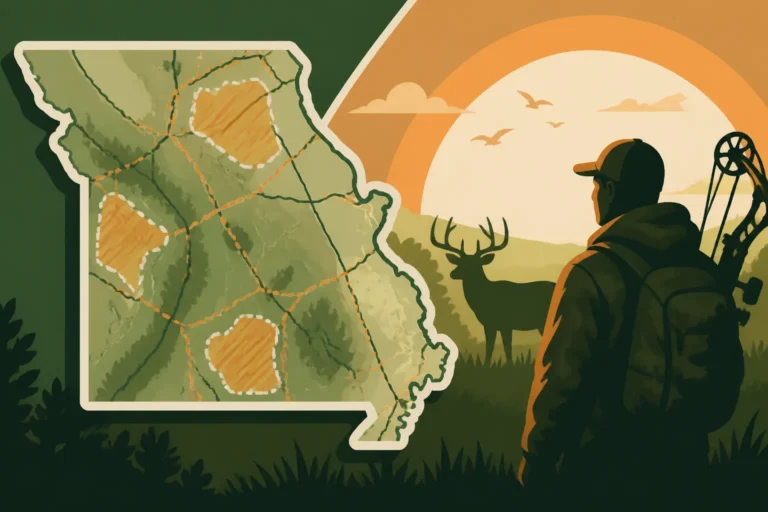
Nodaway Valley Conservation Area isn't just one contiguous block; it’s often spread out in various tracts, sometimes separated by private land or county roads. This fragmented nature can initially feel a bit daunting, especially if you're used to sprawling national forests. However, this structure actually creates diverse hunting scenarios and can help distribute pressure, if you know how to leverage it. Familiarizing yourself with the different sections is key. Many hunters focus on the most obvious access points, which means some of the more remote, walk-in only sections often see less pressure.
When planning your trip, consider grabbing a map from the MDC website or using a mapping application like onX Hunt. These tools are absolutely essential for understanding the lay of the land, identifying property boundaries, and finding those less-traveled access points that can make all the difference. Knowing where to park, where public land ends, and where private land begins will save you immense headaches and ensure you stay on the right side of the law. You can't just blindly wander in; a little homework here pays huge dividends in the field.
Deer Hunting Opportunities at Nodaway Valley CA
For many Missouri hunters, the primary draw to conservation areas like Nodaway Valley is the chance to pursue white-tailed deer. North Missouri is legendary for its big bucks, and while public land hunting here demands effort and strategic thinking, the potential for success is absolutely there. The challenge is often finding deer that haven't been pushed around too much, and Nodaway Valley offers the diverse cover needed for them to thrive.
Strategies for Whitetails in Diverse Cover
Deer hunting at Nodaway Valley requires a flexible approach, as the landscape shifts from dense timber to open fields. In the bottomland timber, particularly along the Nodaway River, deer will often stick to the thicker cover and use natural funnels created by the terrain or vegetation changes. Look for pinch points between water and dense woods, or where a narrow strip of timber connects larger blocks of cover. These are natural travel corridors, especially during the rut. Hunting the Peak Rut Week in Missouri can be incredibly productive if you've done your scouting homework here.
In the old fields and grasslands, deer often bed down in tall native grasses, especially if there's sufficient thermal cover from cedars or brushy draws. These areas can be tricky to hunt, as deer can seemingly vanish in plain sight. Consider hunting the edges of these fields, focusing on where they meet timber or brush, as deer will often stage here before moving into open areas at dawn and dusk. Setting up a ground blind along these transitions can be effective, allowing you to intercept deer moving between bedding and feeding areas. This is where a good understanding of Entry Routes on Rolling Farm Ground becomes critical.
Understanding Pressure and Locating Less-Hunted Pockets
Like most public lands, Nodaway Valley Conservation Area experiences hunting pressure, especially during the opening days of archery season and the firearms portion. However, the multi-tract nature of the area and the diverse habitat can work to your advantage if you're willing to walk a bit further or scout thoroughly. Many hunters will stick to areas easily accessible from main roads or parking lots. Don't be one of them.
Identify the parts of the area that require a longer walk, or those that have natural barriers like small creeks or marshy spots that deter casual hunters. These often become sanctuaries for deer, especially mature bucks that have learned to avoid human activity. Utilize satellite imagery, perhaps on an app like onX Hunt, to identify these isolated pockets of cover, hidden draws, or dense thickets that are just far enough from the beaten path. These "hidden gems" are often the key to finding undisturbed deer and increasing your chances of success on pressured public ground.
Waterfowl and Upland Bird Hunting
Beyond deer, Nodaway Valley Conservation Area truly shines for its waterfowl and upland bird hunting opportunities. Located within a prime migratory corridor, the managed wetlands attract a variety of duck and goose species, while the extensive grassland and brush habitats offer excellent prospects for quail and pheasants.
Waterfowl Hunting: Managed Wetlands and Draw Systems
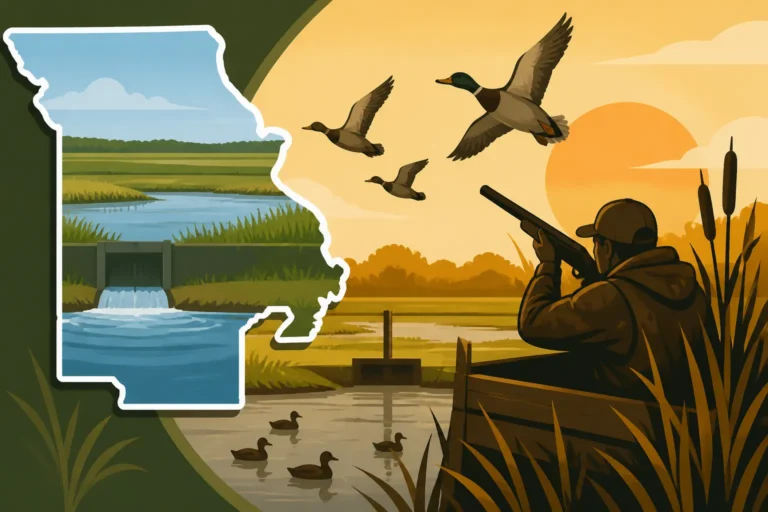
Nodaway Valley is well-known among Missouri waterfowlers for its managed wetland units. These areas are specifically designed to attract migrating ducks and geese, often featuring shallow impoundments, moist soil units, and strategically flooded timber. Waterfowl hunting on these managed wetlands typically operates under a draw system, especially during peak season. This means hunters apply for a reservation or participate in a daily drawing for a hunting spot.
It can be a bit of a gamble, but if you draw a good pool, the hunting can be fantastic. Understanding Managed Hunt Draws on Missouri Wetlands is crucial here. Be prepared for early mornings and potentially long waits if you're going for a walk-in spot. Familiarize yourself with the specific rules for each unit, including shooting hours, non-toxic shot requirements, and decoy limits. The species you'll encounter can vary widely, from abundant mallards and teal to various dabblers and divers, depending on water levels and migration patterns.
Upland Birds: Quail and Pheasants in North Missouri
For those who love the thrill of a covey rise or the explosive flush of a rooster pheasant, Nodaway Valley offers some of the best upland bird hunting on public land in North Missouri. The conservation area's focus on native warm-season grasses, food plots, and shrubby cover creates ideal habitat for both bobwhite quail and ring-necked pheasants. These species often thrive in the transitional areas where grasslands meet timber or brushy draws.
Walking these fields can be tiring, but incredibly rewarding. Consider working along field edges, brush lines, and drainages, as these provide both cover and travel corridors for the birds. A good bird dog is an invaluable asset here, but even without one, methodical walking in optimal habitat can produce flushes. Be mindful of areas designated for waterfowl hunting, as some upland sections might be near active wetland units. Check the specific Missouri Quail and Rabbit Seasons dates, as these seasons run differently from deer and waterfowl.
Navigating and Preparing for a Hunt at Nodaway Valley CA
Hunting public land is always an adventure, and Nodaway Valley Conservation Area is no exception. A successful trip hinges not just on finding game, but on thorough preparation and a solid understanding of the area's regulations.
Essential Scouting and Map Resources
Pre-season scouting is absolutely paramount for success at Nodaway Valley. Don't just show up on opening day hoping for the best. Spend time walking the different tracts, looking for deer sign like rubs, scrapes, and travel corridors. For waterfowl, understanding water levels and where birds are likely to roost or feed is critical. Use tools like the Missouri Conservation Atlas and online mapping programs. The detailed satellite imagery on platforms like onX Hunt allows you to analyze terrain, vegetation changes, and potential access points from the comfort of your home. You can even mark potential stand locations or blind spots, saving you precious time in the field.
Understanding Reading Aerial Photos for Ozark Deer (even though Nodaway is not the Ozarks, the principles apply to any detailed terrain analysis) can give you a significant advantage. Look for subtle changes in cover, small pockets of timber, or natural funnels that might not be obvious from the ground. Paying attention to these details during scouting can reveal productive areas that other hunters overlook.
Rules, Regulations, and Hunter Safety
Every Missouri Conservation Area has specific regulations that hunters must adhere to, and Nodaway Valley is no different. Always consult the official MDC website for the most current rules and any area-specific regulations, which can often be found in downloadable brochures. These might include restrictions on vehicle use, blind types, antler point restrictions (though Why Missouri Dropped Antler Point Restrictions changed things), or even special permit requirements for certain portions or species.
Key things to always double-check:
| Category | Key Information to Verify | Why It Matters |
|---|---|---|
| Permits & Tags | Required permits for specific species and seasons | Ensures you are legally authorized to hunt and harvest |
| Season Dates | Opening and closing dates for each game species | Hunting outside legal dates can result in severe penalties |
| Bag Limits | Daily and seasonal limits per species | Prevents overharvesting and ensures sustainable wildlife populations |
| Weapon Types | Legal firearms, bows, muzzleloaders, crossbows | Ensures your gear complies with regulations for the specific portion you are hunting |
| Hunter Orange | Requirements for specific seasons (e.g., firearms deer) | Crucial for safety, making you visible to other hunters |
| Blinds/Stands | Rules on temporary vs. permanent, placement, removal | Prevents damage to public land and ensures fair access |
| Access | Vehicle restrictions, designated parking, walk-in only | Prevents damage to habitat and ensures emergency access to others |
Familiarize yourself with the Missouri Conservation Area Rules and any specific regulations posted at the area's entrance. Hunter safety is paramount, especially on public land. Always wear appropriate hunter orange during firearms seasons, be mindful of other hunters, and clearly identify your target and what lies beyond it. Your safety, and the safety of others, depends on it.
Gear Considerations for Varied Conditions
Given the diverse hunting opportunities and the often-variable Missouri weather, your gear selection for Nodaway Valley needs to be versatile. For deer hunting, layers are essential for adapting to temperature swings. You might start a November morning in freezing temperatures, but by midday, it could warm up considerably. A good quality waterproof outer shell is also vital, as Missouri weather can be unpredictable, delivering anything from a light drizzle to a soaking rain. Clothing for a Missouri November often means being prepared for anything.
For waterfowl, reliable waders are a non-negotiable item, as you'll likely be wading through water or mud. A good blind bag, calls, and decoys (if allowed and practical for your hunting style) will complete your setup. Upland bird hunters will appreciate comfortable, briar-proof pants and a vest with ample game and shell pockets. Don't forget sturdy, comfortable boots for all types of hunting, as you'll be doing a lot of walking across varied terrain, from muddy river bottoms to grassy uplands. A GPS or a reliable mapping app on your phone, loaded with offline maps, is also crucial, especially if you venture into less-familiar sections.
Disclaimer
This article is for general informational purposes only and does not constitute professional advice. Laws, prices and regulations vary by location and change over time. Consult a qualified professional for guidance on your specific situation.